How To Label Kids Clothes The Easy Way?
23rd Jun 2026
Key Highlights
-
Learning how to label kids clothes helps prevent loss, mix-ups, and repeated replacements in shared environments like daycare and school
-
Starting labelling early keeps clothing organized from the first day, especially during school terms, camps, and seasonal changes
-
Label makers, iron-on labels, and sew-in labels offer different levels of durability depending on how often clothing is washed
-
Portable label printers make kids clothing labels easy to create at home with clean, consistent results
-
Correct label placement and basic care significantly extend label lifespan through washing and drying
-
Cloth label printing provides a long-term solution for larger garments or sewn-in labels that require added durability
A missing jacket is easy to ignore once, but when it happens repeatedly, it becomes a pattern rather than an accident. In shared environments such as daycare cubbies, school corridors, and activity centres, children’s clothing is constantly handled, moved, and mixed up. Jackets, sweaters, uniforms, and accessories can disappear without warning.
Learning how to label kids clothes provides a simple, reliable way to prevent this. Clear labelling reduces mix-ups, helps items return to the right owner, and creates consistency across daily routines. It also supports children in recognizing their own belongings, which is especially helpful in busy, shared settings.
This guide explains the best way to label kids clothes, outlines the most effective labelling methods, and shows how modern tools have made kids clothing labels easy to create at home. It also covers placement tips, durability considerations, and practical solutions suitable for families across Canada.
Why Labelling Kids’ Clothes Matters?
In shared spaces like daycare centres, schools, and activity programmes, children’s clothing often looks the same. Uniforms, winter jackets, and sportswear are easy to mix up when several kids own similar items. Without labels, clothing can quickly go missing or end up in the wrong bag.
Clear kids clothing labels make a practical difference. They allow teachers and caregivers to identify ownership at a glance, helping misplaced items find their way back before they are lost for good.
Labelling also supports everyday routines by:
-
Helping children recognize their own belongings
-
Reducing confusion during busy transitions like outdoor play or sports
-
Minimizing stress for parents when items come home consistently
Over time, labelling becomes a simple habit rather than an extra chore. For families managing daycare or school schedules, understanding how to label kids clothes helps keep mornings smoother and replacement costs lower.
When Should You Start Labelling Kids’ Clothes?
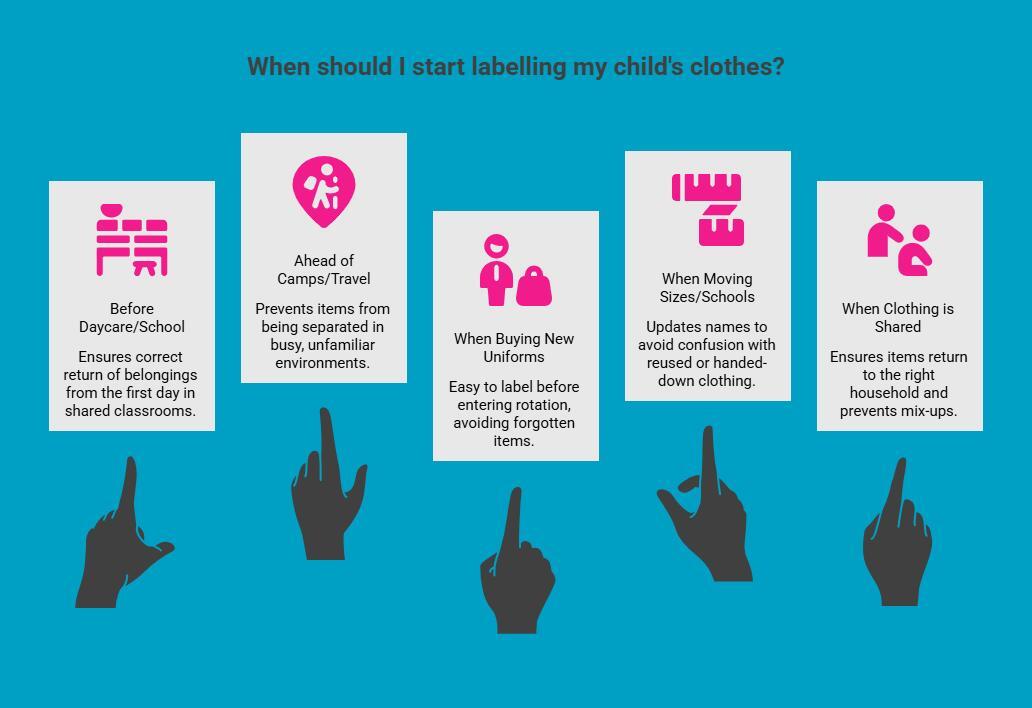
Timing has a direct impact on how effective clothing labelling is. Labelling too late often turns into a reactive task after items have already been mixed up or misplaced. Starting at the right moments keeps the process organized and prevents avoidable losses.
1. Before Daycare or School Begins
This is the most critical starting point. Shared classrooms and cubbies often contain identical clothing items, and early labelling ensures caregivers can return belongings correctly from the first day.
2. Ahead of Camps, Travel, or Activity Clubs
Camps and activity programmes involve frequent clothing changes, group storage, and staff handling. Labelling beforehand helps prevent items from being separated from their owners in busy or unfamiliar environments.
3. When Buying New Uniforms or Seasonal Clothing
New clothing is easiest to label before it enters regular rotation. Adding labels during unpacking avoids situations where items are worn unlabelled and forgotten later.
4. When Moving Between Sizes or Schools
Children often change sizes or transition to new schools or programmes. Relabelling at these moments ensures names remain current and avoids confusion when older clothing is reused or handed down.
5. When Clothing Is Shared or Handed Down
If clothes are passed between siblings or borrowed from friends, updating labels helps ensure items return to the right household and prevents mix-ups with outdated names.
Starting labelling at these points keeps the system consistent and reduces the need for rushed fixes once clothing is already in circulation.
What Are The Best Methods For Labelling Kids’ Clothes?
Choosing how to label children’s clothing comes down to three factors: how often the item is washed, how long it needs to stay labelled, and how much time parents want to spend maintaining labels. The methods below cover both short-term and long-term needs, with clear use cases for each.
1. Label Makers
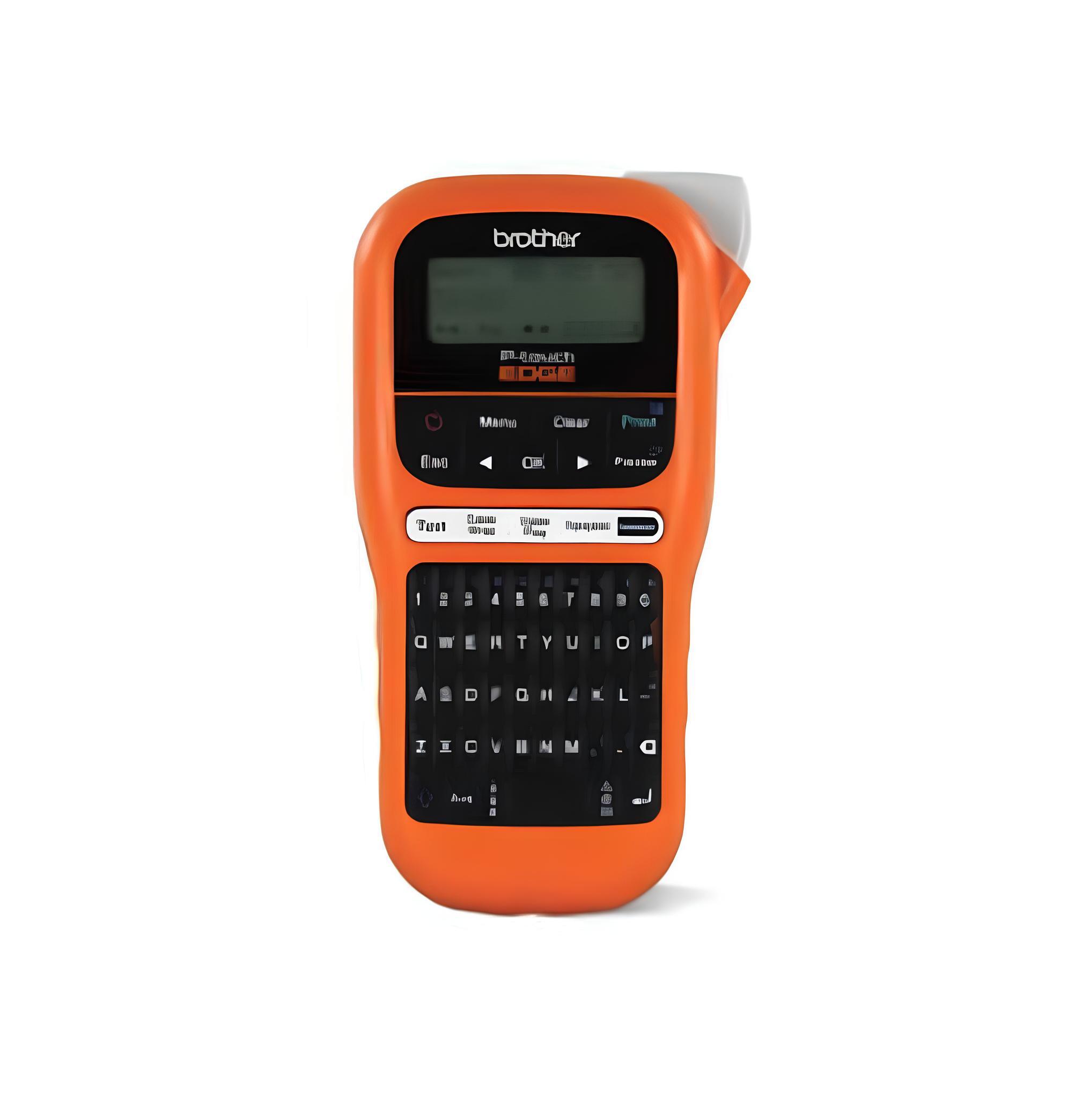
Using a label maker for kids clothes offers one of the most balanced solutions for parents. It allows you to print consistent, easy-to-read labels at home, avoiding handwriting and frequent relabelling.
When paired with fabric-specific tapes, label makers create labels that hold up well through daily wear and washing. For example, the Brother TZE-FA3 12mm navy blue on white fabric iron-on tape is designed for clothing and performs reliably when applied correctly.
This tape works with any Brother P-touch label maker, giving parents flexibility to label uniforms, jackets, and accessories without changing tools.
Best suited for:
-
School and daycare clothing
-
Families labelling multiple items at once
-
Parents who want clean, uniform results
2. Iron-On Labels
Iron-on labels are a popular option for everyday children’s clothing because they combine ease of application with good durability. Once bonded to fabric, they stay in place through repeated washing and drying.
Parents using Epson systems often rely on LabelWorks PX fabric iron-on tapes, available in 12mm and 18mm widths, which suit both smaller garments and bulkier items.
These tapes are compatible with any Epson LabelWorks PX label maker, making them convenient for households already using Epson printers.
Best suited for:
-
Daily wear clothing
-
School uniforms and outerwear
-
Items washed frequently
3. Sew-In Labels
Sew-in labels offer the highest level of permanence. They are stitched directly into garments, which makes them extremely resistant to washing, drying, and daily wear.
While they take more time to apply, sew-in labels rarely need replacement and remain readable for years.
Best suited for:
-
Clothing passed between siblings
-
Long-term or high-wash garments
-
Parents who prefer a permanent solution
4. Stick-On Clothing Labels
Stick-on labels are quick to apply and require no heat or sewing. They are useful when time is limited or labels are only needed temporarily.
However, most stick-on labels lose adhesion after repeated washing and drying.
Best suited for:
-
Camps and short-term activities
-
Temporary clothing identification
-
Backup labelling needs
5. Stamping
A kids clothes label stamp allows parents to label items quickly by stamping names directly onto fabric. This method works well for daycare clothing that needs fast identification.
Over time, stamped ink may fade, particularly on dark or textured fabrics.
Best suited for:
-
Quick labelling with minimal effort
-
Daycare items with lighter fabrics
6. Fabric Markers
Fabric markers are an affordable and accessible option. They allow names to be written directly onto clothing without additional tools.
The downside is durability. After multiple washes, text often becomes faint or difficult to read.
Best suited for:
-
Short-term use
-
Emergency or last-minute labelling
Label makers paired with iron-on fabric tapes provide the best balance of clarity, durability, and convenience for most families. Sew-in labels work well for long-term needs, while stamps, stick-on labels, and fabric markers are better suited for temporary situations.
How the Brother P-Touch Handheld Label Printer Makes Labelling Kids’ Clothes Quick and Easy
Labelling kids’ clothing does not need to be complicated or time-consuming. Portable label makers have simplified how to label kids clothes by letting parents create durable, washable labels at home without sewing or handwriting.
Brother P-touch handheld printers are designed for this kind of everyday use. They are compact, easy to operate, and work with fabric iron-on tapes, making them practical for school uniforms, jackets, lunch bags, and accessories.
For most families, the Brother P-Touch Edge PT-E110 is a straightforward option. It prints clear 12mm fabric labels and is simple to use, which makes it ideal for routine labelling without extra setup.
Parents who label a wider variety of items may prefer the Brother PTE310BTVP. It supports labels up to 18mm wide, which helps when labelling bulkier items like winter coats, sports gear, or backpacks. Bluetooth connectivity also makes it easier to manage multiple labels at once.
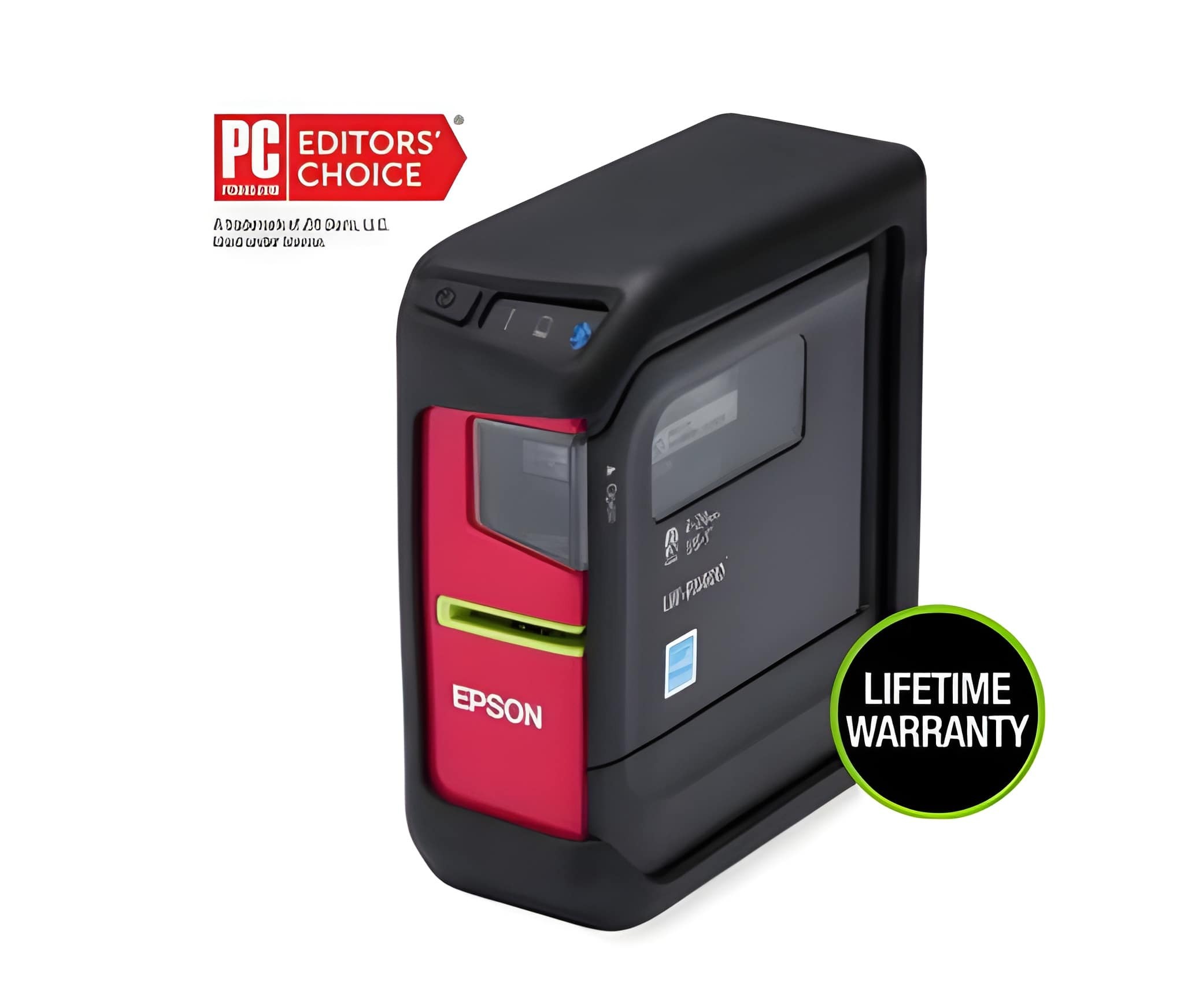
Some families choose Epson systems for clothing labels, particularly when consistency across many garments matters. Models such as the Epson LabelWorks LW-PX400 and LW-PX350 are commonly used for producing uniform fabric labels for school clothing and outerwear.
In everyday use, portable label printers help parents:
-
Print clothing labels in minutes
-
Keep names consistent across all items
-
Reduce lost or mixed-up clothing
-
Re-label garments easily as children grow
This approach keeps clothing organized without turning labelling into an ongoing task.
Where Should You Place Labels On Clothes?
Where you place a clothing label matters just as much as the label itself. Good placement keeps labels readable, comfortable for children, and intact through regular washing. Poor placement often leads to irritation or early wear.
For everyday kids’ clothing, these locations work best:
-
Inside the collar
Easy for caregivers to spot and unlikely to rub against the skin during movement. -
Alongside seams
Protected from stretching and friction, making labels last longer. -
Inside waistbands or hems
Ideal for pants, shorts, and skirts where labels stay hidden and secure.
Avoid placing labels on shoulder seams, tight cuffs, or areas that stretch frequently. High-friction zones cause labels to peel, fade, or become uncomfortable. Discreet, low-movement placement ensures durability without distracting from the garment.
How To Maintain Clothing Labels Over Time
Even high-quality clothing labels benefit from basic care. Small habits can significantly extend how long labels remain readable and securely attached.
-
Wash with intention
Turning garments inside out and using gentle wash cycles reduces abrasion on labels during washing and drying.
-
Check labels periodically
Uniforms, jackets, and frequently worn items should be checked occasionally to ensure labels remain intact and legible.
-
Avoid excessive heat exposure
High dryer temperatures and prolonged heat can weaken adhesive bonds over time. Using lower heat settings helps preserve both the fabric and the label.
-
Follow application care instructions
Allow iron-on labels to fully cool and set before washing. Waiting the recommended time after application improves adhesion and long-term durability.
-
Re-label before failure
If a label starts lifting or fading, reapplying it early prevents mix-ups and lost items. Re-labelling takes far less effort than replacing missing clothing.
With minimal upkeep, well-applied labels can last through months or even years of regular wear.
What Are The Top Mistakes To Avoid When Labeling With A Label Maker?
Label makers simplify how to label kids clothes, but a few common mistakes can shorten label lifespan. Knowing what to avoid helps ensure better long-term results.
-
Using non-washable label tape
Only fabric-rated tapes are designed to withstand washing and drying. -
Applying insufficient heat or pressure
Iron-on labels require steady heat and firm pressure to bond properly. -
Labelling damp or dirty fabric
Moisture and residue prevent strong adhesion and lead to peeling. -
Choosing hard-to-read fonts or sizes
Simple, clear text improves visibility for teachers and caregivers. -
Placing labels in high-friction areas
Constant rubbing or stretching causes premature wear, even with quality materials.
Avoiding these issues ensures labels remain secure, readable, and comfortable throughout everyday use.
How Cloth Label Printing Works for Larger or Long-Term Needs
For larger garments or long-term use, cloth label printing offers more flexibility than handheld label makers. It allows wider labels that can include names, care instructions, or size details.
Desktop textile printers like the Godex G530 wash care label printer can produce labels from one inch up to four inches wide, at custom lengths, making them suitable for larger clothing items and permanent applications.
This approach works well when:
-
Larger or multi-line labels are needed
-
Sewn-in labels are preferred
-
Long-term durability is a priority
Compatible textile labels designed for clothing care are available for both iron-on and sewn-in use, supporting flexible and long-lasting labelling needs.
Why Parents Across Canada Choose DuraFast Label for Clothing Labelling
When it comes to labelling kids’ clothing, reliability matters just as much as convenience. Parents need labels that stay readable through washing, printers that are easy to use at home, and supplies that actually work with fabric, not just paper.
DuraFast Label.ca supports families across Canada with a wide range of trusted labelling solutions, from portable label makers to fabric iron-on tapes and textile labels designed specifically for clothing. Whether you are labelling a few daycare items or managing long-term clothing needs, DuraFast Label offers options that balance durability, clarity, and ease of use.
What makes DuraFast Label a practical choice for parents:
-
A curated selection of Brother P-touch and Epson LabelWorks printers suitable for home use
-
Fabric iron-on and textile labels are built to withstand regular washing and drying
-
Solutions that support both short-term labelling and long-term sewn-in needs
-
Canada-based availability makes it easier to find compatible supplies and replacements
Instead of piecing together products from different sources, parents can find everything needed to label kids’ clothes clearly and consistently in one place. This makes it easier to build a labelling system that lasts as children grow, change sizes, and move between schools or activities.
To explore clothing labelling tools and supplies that fit your needs, visit https://www.durafastlabel.ca/contact-us/ and find solutions designed to make everyday labelling simpler and more dependable.
Final Thoughts
Labelling children’s clothing is one of those small steps that delivers outsized benefits. When done correctly, it prevents loss, reduces daily stress, and keeps routines running smoothly across school, daycare, and activities.
By choosing the right labelling method, placing labels thoughtfully, and maintaining them over time, parents can create a system that works quietly in the background. With today’s tools, learning how to label kids clothes is no longer a chore, but a simple part of staying organized.
Frequently Asked Questions
What is the best way to label kids’ clothes?
The best way to label kids clothes is using iron-on fabric labels printed with a label maker, as they offer durability, readability, and resistance to frequent washing and drying.
How do you label your kid’s things for daycare?
To label kids clothes for daycare, place washable fabric labels inside collars, seams, or waistbands so caregivers can easily identify items without causing discomfort.
What information should I include when labelling my child’s clothes?
Include your child’s first name and last initial. Some daycares may also request a classroom or group name for easier identification.
How do I label my child’s clothes without using a permanent marker?
You can label kids clothes using iron-on or sew-in fabric labels printed with a label maker, which avoids ink bleeding or fading over time.
Which type of clothing labels stay on the longest?
Sew-in labels and properly applied iron-on fabric labels stay on the longest and withstand repeated washing and daily wear.
Do I need a smartphone or computer to use the Brother P-touch label printer?
No. Most Brother P-touch handheld label printers work independently, allowing you to print clothing labels without a smartphone or computer.
Can you reuse labels if kids outgrow their clothes or pass them down to siblings?
Most iron-on labels are designed for permanent use and cannot be reused once applied. For hand-me-down clothing, removable label options or re-labelling over existing tags is usually the most practical solution.
Do stick-on name labels last through multiple washes and dry cycles?
Stick-on name labels may survive a few gentle washes, but they usually lose adhesion over time, especially in dryers. For long-term use, iron-on or sewn-in fabric labels provide far better durability and readability.