Thermal Transfer Ribbons: The Definitive Reference for Canadian Businesses
15th Jul 2026
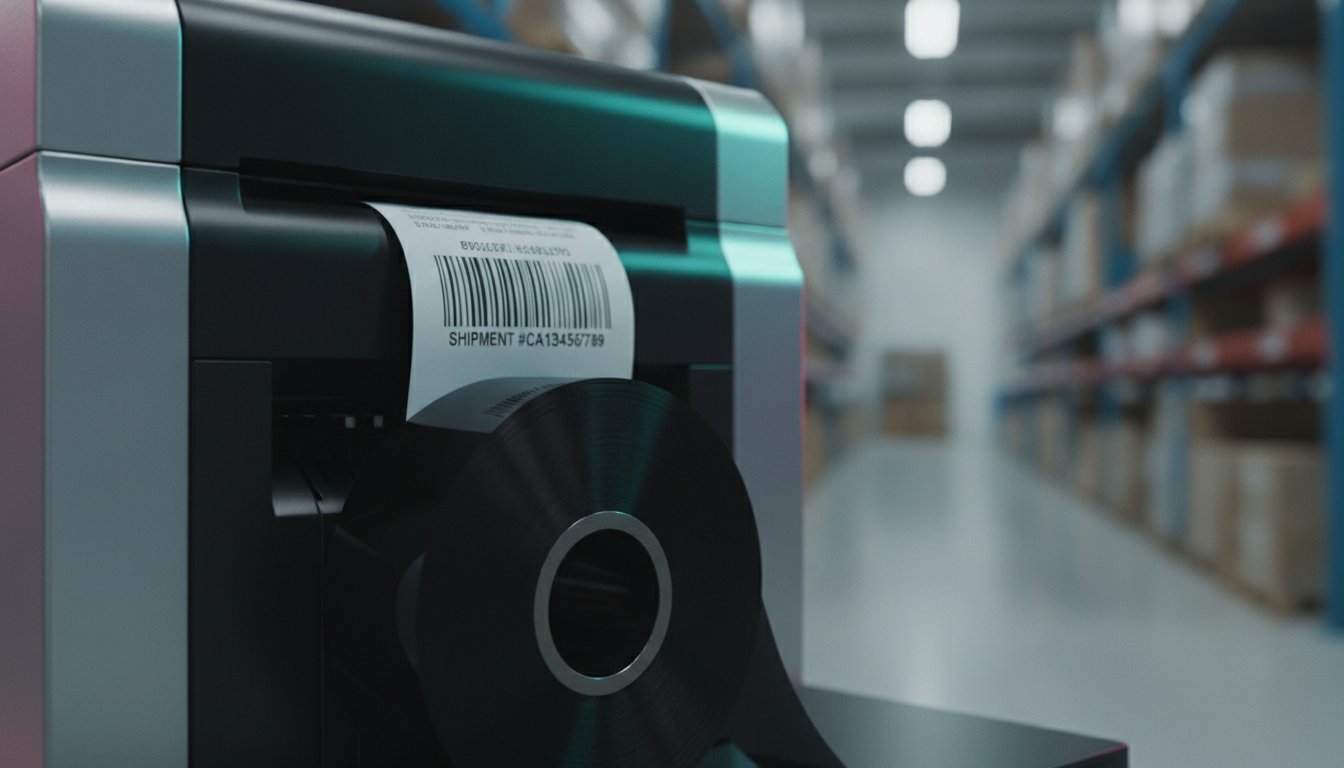
A single unreadable barcode in a major shipping hub doesn't just cause a minor delay; it can trigger thousands of dollars in non-compliance fines and complete supply chain disruption. You've likely felt the frustration of seeing expensive thermal transfer ribbons snap or melt because the heat settings weren't perfectly calibrated for your specific label material. It's a common logistical hurdle that often leads businesses to overspend on OEM supplies just to avoid the risk of failure.
We understand that achieving a crisp, scannable print shouldn't come at a premium price or require constant troubleshooting. This guide will help you master the technical nuances of ribbon formulations and material compatibility to ensure your industrial labelling remains durable and cost-effective. We'll explore the functional differences between wax, wax-resin, and resin options. You'll also learn how to align your production with the latest Canadian WHMIS compliance standards and mandatory front-of-package food labelling regulations for 2026.
Key Takeaways
- Master the functional differences between wax, wax-resin, and resin formulations to ensure your labels survive their intended environment without unnecessary expense.
- Identify critical hardware requirements, such as core sizes and ink coating directions, to eliminate ribbon-related errors and printer downtime.
- Learn how to precisely pair ribbon chemistry with specific label substrates to achieve crisp, scannable barcodes that resist smudging and fading.
- Secure reliable access to high-quality thermal transfer ribbons in Canada through brand-neutral suppliers that support mixed-fleet operations.
- Understand how to meet stringent Canadian regulatory requirements, including the latest WHMIS and food labelling standards, through durable and compliant print solutions.
Understanding Thermal Transfer Ribbons: The Baseline for Industrial Labelling
Why do some barcodes remain crisp for years while others fade into illegibility within weeks? The answer lies in the fundamental technology of thermal transfer ribbons. At its core, a thermal ribbon is a thin polyester film coated with a specific formulation of heat-sensitive ink. Unlike direct thermal printing, which relies on chemically treated paper that darkens when heated, Thermal-transfer printing uses a physical carrier to deliver ink to the label. This process creates a permanent bond between the ink and the substrate; it's the preferred choice for long-term archival and harsh industrial environments where exposure to UV light, moisture, or chemicals is common.
The main difference between direct thermal and thermal transfer technology is the presence of the ribbon itself. While direct thermal is often used for short-term applications like shipping labels, thermal transfer is the standard for durability. Consider these key differentiators:
- Longevity: Thermal transfer prints can last for years without fading.
- Material Versatility: You can print on paper, polypro, and polyester.
- Environmental Resistance: These labels survive moisture, chemicals, and extreme temperatures.
By using thermal transfer ribbons, you gain a protective barrier and a wider range of ink chemistries. This allows you to print on diverse materials that direct thermal printers simply cannot handle. It's a strategic choice that prioritizes operational seamlessness and fiscal responsibility by reducing the need for reprints.
The Anatomy of a Thermal Ribbon
A high-quality ribbon is more than just ink on plastic. It's a multi-layered component designed to protect your equipment. The backcoat is perhaps the most critical layer; it reduces friction and dissipates static as the ribbon moves across the printhead. Without a superior backcoat, the abrasive nature of the polyester film would quickly wear down the heating elements. The ink layer is supported by a release layer that ensures the ink flows smoothly and precisely onto the label at the exact moment of heat application. Choosing the right ribbon isn't just about the print. It's about extending the lifespan of your expensive printheads.
Key Performance Indicators for Labelling
How do you measure the success of your labelling operation? It starts with print speed, typically measured in inches per second (ips). While higher speeds increase throughput, they require ribbons with high heat sensitivity to ensure the ink melts fast enough to maintain optical density. This density refers to the darkness and contrast of the print. If the contrast is too low, your scanners will fail. You must balance your printer's energy settings. If the heat is too high, you risk ribbon burn-through; if it's too low, the barcode won't fully transfer. Achieving this balance ensures 100% scan success and a more efficient production line.
Wax, Wax-Resin, and Resin: Decoding the Ribbon Formulation Deltas
How do you determine if you are overpaying for your ribbon supplies? The main difference between the three primary formulations of thermal transfer ribbons is the ratio of wax to synthetic resin in the ink layer. This chemistry dictates everything from the print speed (ips) you can achieve to the environmental stressors the label can survive. To realize the best return on investment, you must select the lowest-cost formulation that meets your durability requirements without compromising barcode scannability.
Wax Ribbons: Economy and Efficiency
Standard wax is the baseline choice for high-volume, general-purpose applications. It's the most cost-effective option, specifically designed for uncoated and matte-coated paper labels. Because wax has a lower melting point than resin, these ribbons require less energy from the printhead, which can help extend the life of your hardware. However, wax has limitations. It offers low smudge resistance and poor weatherproofing. If you're printing shipping labels, warehouse picking tags, or retail shelf labels that stay indoors, wax is your most fiscally responsible choice. If your labels will face friction or moisture, you'll need to consider a delta in performance.
Wax-Resin and Full Resin: When to Upgrade
Wax-resin blends represent the first delta in durability. By adding synthetic resin to the wax, the ink becomes more resistant to smudging and light chemicals. This formulation is ideal for semi-gloss paper and synthetic materials like polypropylene. It's often used in high-speed production environments where labels are handled frequently.
Full resin is the ultimate solution for extreme environments. It's the only choice for polyester, polyimide, and vinyl labels that must survive harsh chemicals, solvents, or extreme abrasion. With the December 15, 2025, WHMIS update deadline now passed, Canadian businesses handling hazardous materials must ensure their GHS labels remain legible under stress. Full resin ribbons provide the chemical resistance required for these industrial settings. They're also essential for food producers meeting the January 1, 2026, mandatory front-of-package nutrition labelling requirements, especially for products stored in freezing or high-condensation environments.
The only difference between a successful scan and a supply chain failure is often the ribbon's ability to "bite" into the substrate. If you're unsure which formulation fits your specific material, you can request a technical consultation to find the perfect match. Choosing the right thermal transfer ribbons ensures your operations remain seamless while keeping your cost-per-label as low as possible.
Matching Ribbon Chemistry to Label Materials and Environment
Why do some barcodes remain legible after months of outdoor exposure while others smudge at the first sign of moisture? The answer lies in the science of adhesion. For a print to be truly permanent, the ink from your thermal transfer ribbons must "bite" into the surface of the label substrate. This isn't just a mechanical overlay; it's a chemical pairing. While wax ribbons work well on porous paper surfaces, they lack the surface energy required to bond with smooth synthetics. When you move to materials like polyester or polypropylene, you need the synthetic resins in the ribbon to create a cross-linked bond that resists environmental stressors.
Environmental stress testing is a critical step in your logistical planning. In an industrial setting, labels face constant threats from UV exposure, fluctuating temperatures, and humidity. For businesses managing horticulture labels and tags, the stakes are particularly high. These labels must survive heavy irrigation and direct sunlight without the text fading or the barcode failing. Ensuring GHS and WHMIS compliance also demands this level of durability. Since the December 2025 deadline for updated hazardous product regulations, Canadian manufacturers must use resin-based ribbons to guarantee that safety data remains readable even if the container is splashed with corrosive chemicals.
Labelling for the Canadian Climate
Does your current labelling strategy account for the Canadian winter? Cold-chain logistics and outdoor storage in provinces like Alberta or Ontario present unique challenges. When temperatures drop, standard adhesives and inks can become brittle, leading to flaking. Humidity and condensation during the spring thaw can also cause inferior inks to run. To ensure your branding and tracking remain intact, you need a formulation designed for thermal stability. For outdoor nursery stakes, a high-grade full resin ribbon is the only reliable solution to prevent degradation from constant moisture and intense UV radiation.
Specialized Substrates and Ribbon Pairing
Certain industries require even more specialized pairings. For example, textile and garment labels must survive repeated industrial washing and dry-cleaning cycles without losing clarity. Similarly, the high-durability requirements for tire labels and industrial assets mean the ink must withstand friction and contact with oils. How can you verify if your ribbon is the correct match for a new material? We recommend a simple "scratch test." By applying firm pressure with a coin or fingernail across the printed barcode, you can immediately identify if the ink has properly bonded or if it merely sits on the surface. If the ink smears, a delta in resin content is likely required to achieve operational seamlessness.

Compatibility Essentials: Core Sizes, Widths, and Ink Direction
Why does a ribbon that fits perfectly in one machine fail to print in another? Even the highest quality thermal transfer ribbons will not function if the physical specifications don't match your hardware. Compatibility is determined by three main factors: core size, roll width, and ink direction. While industrial printers typically utilize a 1-inch core as the baseline, desktop models often require a 0.5-inch core. Beyond the core, you must manage the ribbon length. Industrial rolls often reach 450 metres to minimize downtime, whereas desktop printers are restricted by a smaller maximum outer diameter (OD) that limits rolls to 74 or 110 metres.
The main difference between a well-maintained printer and one with a prematurely worn-out printhead is often the ribbon width. You should always select a ribbon that is slightly wider than your label liner. For example, if you are using a 4-inch label, a 4.33-inch ribbon is the standard choice. This ensures the ribbon's backcoat completely covers the heating elements, protecting them from the abrasive edges of the label material. Neglecting this small delta in width can lead to costly hardware replacements and operational delays.
Measuring Your Printer Requirements
Determining the correct ink direction is perhaps the most critical compatibility check. Printers are designed for either Coated Side Out (CSO) or Coated Side In (CSI) configurations. Zebra and Honeywell printers typically require CSO ribbons, while brands like SATO or Datamax often use CSI. If you're unsure of your current supply, you can perform a simple "Tape Test" by sticking a piece of adhesive tape to the outer layer of the roll; if ink pulls away onto the tape, you have a CSO ribbon. Using the wrong side will result in ink transferring to your platen roller rather than the label, causing immediate production failure.
Standard vs. Near-Edge Technology
Other than the physical dimensions, you must distinguish between flat-head and near-edge printhead technology. Most industrial label printers use flat-head technology, where the printhead stays in contact with the ribbon for a longer duration. However, near-edge printers, found in specific Toshiba and Markem models, apply heat at a different angle and speed. These machines require specialized thermal transfer ribbons with a unique release layer designed for rapid ink transfer. Using a standard flat-head ribbon in a near-edge machine will produce faint, unusable images and may damage the sensitive heating elements. To ensure your hardware and consumables are perfectly aligned, you should consult with a technical specialist before placing a high-volume order.
Sourcing Thermal Transfer Ribbons in Canada: The DuraFast Advantage
How do you manage a facility that uses Zebra industrial printers for shipping and Brother desktop models for administrative tasks without doubling your procurement workload? The main difference between a struggling operation and an efficient one is the ability to consolidate supplies through a brand-neutral partner. Most manufacturers push you toward their own certified consumables; however, this creates silos that increase costs and complexity. By choosing a comprehensive resource for thermal transfer ribbons Canada, you gain the flexibility to support a mixed-fleet operation from a single point of contact.
The value of Canadian-based support cannot be overstated. When a ribbon snaps on a Friday afternoon in Ontario or British Columbia, you don't want to wait for international shipping or deal with support centres in different time zones. We prioritize fiscal responsibility by offering both OEM and high-quality compatible thermal ribbons that meet or exceed original specifications. This allows you to maintain high performance across Zebra, SATO, and Honeywell hardware while lowering your overall cost-per-label. It's a pragmatic approach that ensures your industrial labelling remains durable without the high costs of OEM-only supplies.
Fleet Management and Brand Compatibility
Consolidating your supplies means you can find Brother ribbons and Godex ribbons in the same order. This approach eliminates the need to manage multiple vendor accounts and shipping schedules. It's about more than just convenience; it's about maintaining consistency. When you use a standardized resin or wax-resin formulation across different printer brands, you ensure that the print quality remains uniform throughout your facility. This reduces the risk of scannability issues during the distribution process and simplifies training for your warehouse staff. Other than the physical core size, the ink chemistry should be the primary focus to ensure operational seamlessness.
Custom Ribbon Solutions for Unique Applications
Does your production line utilize specialized equipment like Markem-Imaje Thermal Transfer Overprinters (TTO)? These high-speed machines require ribbons that can handle rapid-fire heating cycles without tearing. We also provide colour thermal transfer ribbons for businesses that use colour-coding for inventory management or want to enhance their branding on secondary packaging. Before committing to a bulk purchase, we encourage you to request samples. This allows you to perform a scratch test on your specific substrate and verify the optical density in your actual operating environment. If you're ready to optimize your labelling workflow, you should consult with a DuraFast expert to match your ribbons today. Taking control of your consumables is the most direct path to achieving better results and reducing downtime from ribbon-related errors.
Optimizing Your Labelling Strategy for Long-Term Success
Mastering your production process requires more than just picking a roll off the shelf. It's about precisely matching ribbon chemistry to your label substrate and environmental stressors to ensure every barcode remains scannable. By understanding the technical deltas between wax and resin formulations, you can reduce downtime and lower your cost-per-label without sacrificing quality. Whether you're managing a mixed fleet of Zebra and Brother printers or ensuring your GHS labels meet the latest Canadian safety standards, the right technical pairing is essential for operational seamlessness.
We're here to act as your strategic partner in growth. With our national Canadian shipping and expert technical support for all major hardware brands, you can access high-performance thermal transfer ribbons for GHS and industrial compliance exactly when you need them. Take control of your logistical challenges and achieve the industrial reliability your business deserves.
Browse our full selection of Thermal Transfer Ribbons for Canadian Businesses to find the perfect technical match for your application. We look forward to helping you build a more efficient and durable labelling workflow.
Frequently Asked Questions
What is the main difference between wax and resin ribbons?
Wax ribbons are the economic baseline for printing on paper labels, offering high contrast for shipping and retail tags. Resin ribbons are the high-durability delta, utilizing synthetic chemistry to bond with non-porous materials like polyester. While wax is cost-effective for indoor use, resin is required for applications facing extreme heat, chemicals, or heavy abrasion.
How do I know if my thermal printer needs "Ink In" or "Ink Out" ribbons?
You can identify your requirement by performing a simple tape test on your current roll of thermal transfer ribbons. Apply a piece of adhesive tape to the outer surface of the ribbon; if the ink pulls off onto the tape, your printer requires Coated Side Out (CSO) ribbons. If the ink only transfers from the inner surface, you need Coated Side In (CSI) supplies. Zebra printers typically use CSO, while many SATO and Datamax models require CSI.
Can I use a thermal transfer ribbon in a direct thermal printer?
No, you cannot use a ribbon in a dedicated direct thermal printer because these machines lack the take-up spindle and internal drive gears required to advance the ribbon. Direct thermal printers are designed to heat chemically treated paper directly. Attempting to use a ribbon in these models can lead to printhead damage or mechanical failure since the hardware cannot manage the physical carrier film.
Why is my thermal transfer ribbon wrinkling or snapping during printing?
Ribbon wrinkling is usually caused by uneven tension or excessive heat settings that distort the polyester film. If your ribbon snaps, your darkness or heat settings are likely too high for the specific formulation you've selected. You should lower the printhead energy in your driver settings and ensure the ribbon width is slightly wider than the label liner to maintain even pressure across the printhead.
Do I need a different ribbon for paper labels versus synthetic labels?
Yes, the chemistry of the ink must match the surface energy of the label substrate to ensure a permanent bond. Wax ribbons are designed to "soak" into the fibres of matte paper, whereas synthetic labels like polypropylene or polyester require resin-based inks. Using a standard wax ribbon on a synthetic label will result in ink that smudges or wipes off immediately after printing.
How much wider should my ribbon be than my label roll?
Your ribbon should be approximately 2mm to 4mm wider than the label liner to provide a protective barrier for your printhead. This ensures the backcoat of the ribbon covers the heating elements entirely, preventing the abrasive edges of the label material from causing premature wear. For a standard 4-inch label, a 4.33-inch (110mm) ribbon is the recommended industrial standard.
Will using non-OEM ribbons void my Zebra or Honeywell printer warranty?
No, using high-quality compatible ribbons does not void your hardware warranty under Canadian consumer protection principles. While manufacturers prefer you use their branded supplies, they cannot legally deny warranty service unless they can prove the third-party ribbon specifically caused the damage. Choosing reputable compatible thermal transfer ribbons is a fiscally responsible way to maintain your fleet without sacrificing print quality.
How do I choose a ribbon for GHS or BS5609 chemical labelling compliance?
Compliance for hazardous materials requires a full resin ribbon paired with a certified synthetic label substrate. This specific combination must pass the BS5609 90-day seawater immersion test to ensure the safety data remains legible in maritime and industrial environments. You should always verify that your ribbon and label pairing has been laboratory tested to meet the December 2025 WHMIS update requirements.