Guide to Durable Direct Thermal Labels for Outdoor Use
10th Nov 2026
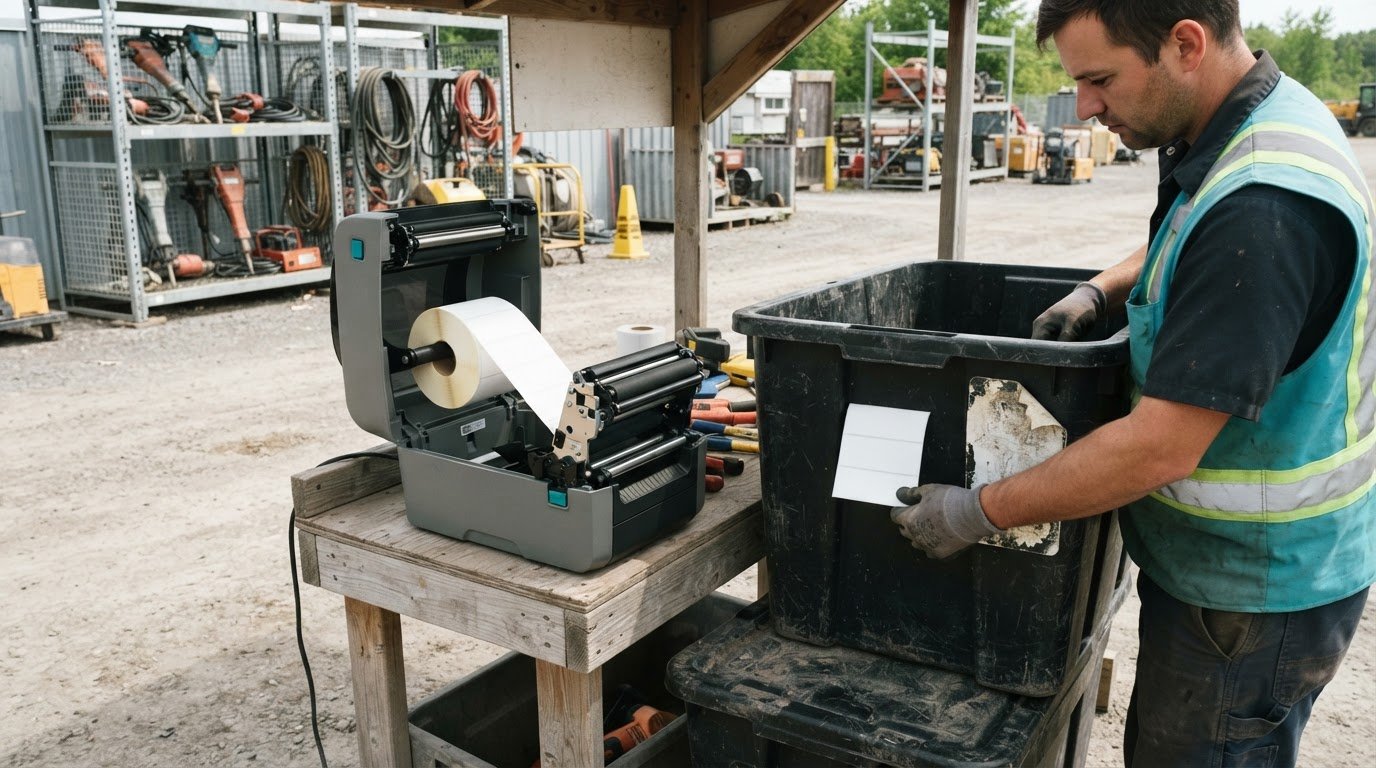
Outdoor exposure is where direct thermal labels show their limits. Durable direct thermal labels for outdoor use can suit short-term, sheltered applications, but direct sunlight, heat, moisture and friction can fade the print or make it unreadable. Direct thermal printing doesn’t use a ribbon, so changing ribbons won’t solve the technology’s outdoor durability limits.
If you’re choosing labels for equipment, products or shipments, you’ll want to know whether direct thermal printing can handle the job. It can be convenient for temporary labels, but outdoor identification that must last may need a different label material and printing method.
This guide explains how ribbons, temperature, label size and exposure affect your choice. It also covers common fading, peeling and print-quality problems, and when thermal transfer labels may be a better fit outdoors.
Key Takeaways
- Direct thermal printing uses no ribbon, but its print can fade outdoors; consider thermal transfer for longer-lasting identification.
- Choose label material and protection with the expected exposure to moisture, sunlight, abrasion and chemicals in mind.
- Apply labels to clean, dry surfaces, and allow adhesive time to bond before exposing them to water or UV.
- Match label dimensions and roll-core size to the printer; most desktop thermal transfer printers require a 1-inch core minimum.
- Diagnose fading, peeling and print defects by looking at both the print conditions and the label’s surface, adhesive and environment.
Do direct thermal labels need a ribbon?
No. Direct thermal printing uses heat to darken a coated label surface, so it does not require a ribbon. Thermal transfer printing uses a ribbon to transfer ink onto the label.
For outdoor use, polyester, polypropylene and vinyl label stocks are generally more robust than paper and can offer better resistance to moisture, chemicals and UV light. Match the stock with an adhesive designed for the application’s moisture, heat or cold conditions.
Direct thermal print can fade in direct sunlight within 60-90 days. Rain and temperature extremes also affect label performance, but the outcome depends on the face material, adhesive and actual exposure.
To assess fading, water resistance and adhesion, test 10 labels for 72 hours under conditions that reflect their intended use. Check print readability, surface damage and edge lift during and after the test.
- Choose stock for the exposure. Match the label face to the job: paper suits temporary, sheltered use, while polyester, polypropylene or vinyl offers greater resistance to moisture, chemicals and UV exposure. Confirm the stock is made for direct thermal printing. A material’s toughness alone doesn’t establish that its coating will print correctly.
- Match the adhesive to the surface and weather. Select a high-performance adhesive for labels facing moisture, heat or cold. Apply labels to clean, dry surfaces so dirt and water don’t interfere with contact. A rough outdoor surface may need a different adhesive match than smooth equipment or packaging.
- Protect the print from rubbing. Direct thermal print can be affected by friction, scuffing and abrasion, even when the label remains attached. Handle freshly printed labels carefully, and consider whether repeated contact with hands, packaging or equipment could wear away key text. A laminate or overcoat can help protect thermal labels from abrasion and moisture.
- Keep liquid exposure in perspective. A water-resistant face material doesn’t automatically make the complete label waterproof. Water can affect the print, edges or adhesive, particularly when labels face repeated wetting. For example, test a label on the intended container or equipment, rather than judging a loose sample.
- Test representative labels before production. Print 10 samples and place them on the actual surface. Expose them to expected sunlight, rain, moisture and handling for 72 hours. Inspect for fading, smudging, scuffs, tears and lifted edges. Record which condition caused each defect.
- Use results to decide whether direct thermal fits. If sunlight or weather makes essential text unreadable during the test, direct thermal may not suit that application. Thermal transfer labels use a ribbon and can use durable synthetic materials for longer-term identification. Outdoor direct thermal labels are another option to consider for suitable applications.
Troubleshooting fading, peeling and print defects
Direct thermal print can fade in direct sunlight within 60-90 days. Use the defect’s location and pattern to distinguish exposure damage from print or adhesion problems.
-
Identify Heat and Sunlight Fading
Compare the exposed print with any area shielded from direct sunlight, such as the section beneath a bracket. If the exposed print is paler, heat or sunlight may be contributing to fading. Check label placement and nearby heat sources, then assess whether the print is still readable for its intended use.
-
Check for UV-Related Fading
Inspect labels in different positions on the same item. A label facing direct sunlight may fade more than one on a shaded side, suggesting UV exposure is a factor. Prolonged exposure can reduce readability. Record where labels are placed and how they are holding up, then consider a more protected location.
- Separate print fading from smudging. Look closely at the marks. Uniformly pale text differs from localized smears or scuffs caused by contact. Compare an installed label with a fresh print from the same printer and material. If the fresh sample is also faint, review the printer’s darkness or energy setting. For polyester labels, the recommended adjustment is 1-3 notches above the paper baseline.
- Inspect peeling at the edges. Lifted corners or edges suggest an adhesion issue, while a firmly attached label with fading points to print exposure. Check whether the application surface was clean and dry. Moisture, heat and cold can challenge outdoor adhesion. Allow 24 hours of adhesive dwell time before exposing a newly applied label to water or UV.
- Test one change at a time. Print samples using the same label material, then adjust one printer setting or application condition. Record the change and compare readability, smudging and edge lift. Changing several factors together makes it harder to identify the cause. Keep a sample in a shaded location as a comparison against labels exposed outdoors.
- Choose protection based on the defect. If abrasion or moisture is damaging the surface, a laminate or overcoat can help protect thermal labels. If direct sunlight is fading essential text, moving the label to a shaded position may reduce exposure. Where outdoor conditions continue to compromise readability, thermal transfer labels made from synthetic materials may be more suitable.
For help connecting print or adhesion problems to your label application, discuss the issue with a label specialist.
Application and operating temperature ranges
Separate the temperature during application from the temperature during service. Polyester label stock has a temperature resistance range of -40°F to 300°F, while outdoor labels should be applied above 40°F.
-
Check Application Temperature Ranges
Apply the label when the surface and surrounding conditions are above 40°F. A label’s service-temperature range doesn’t mean its adhesive will bond properly during a cold application. For example, applying a label to outdoor equipment in winter can challenge adhesion, even if the polyester stock suits later operating conditions. Avoid applying labels to wet, frosty or cold surfaces.
-
Review Operating Temperature Ratings
Match the stock’s temperature range to the temperatures the finished label will experience. Polyester label stock has a stated temperature resistance range of -40°F to 300°F. Treat this as a material range, not as a complete rating for every label component. The adhesive, printed surface and exposure to weather also affect performance in outdoor environments.
- Map the conditions across the full application. Consider where the label will be stored, applied and used. A label kept indoors before application may later face outdoor temperature changes, rain, humidity and UV exposure. For example, a container labelled inside a warm facility may then be moved into a cold outdoor environment. The stock rating alone does not account for every condition affecting the finished label.
- Distinguish temperature resistance from weather resistance. A temperature range describes how label stock handles heat or cold; it does not establish resistance to rain or sunlight. Assess each exposure separately. Outdoor equipment labels may face cold mornings, warmer afternoons, moisture and direct sun, which can affect the face material, adhesive and print in different ways.
- Check the adhesive and surface together. The surface temperature at application matters, as does the material being labelled. Metal equipment exposed to cold weather may feel colder than the surrounding air. Make sure the surface is clean and dry, then apply above 40°F. Avoid treating a polyester stock rating as proof that an adhesive will bond at every temperature.
- Choose for the actual operating environment. List the expected temperature range, rain, humidity and UV exposure. Compare these conditions with the label material and adhesive specifications. For a label exposed to temperature swings and wet weather, consider moisture resistance as well as temperature resistance. This helps avoid choosing stock based on one rating while overlooking other demands.
Available label sizes and roll cores
Choose a label size that fits the printed information and the printer. Roll width, core size and label layout all affect compatibility.
- Measure the application area. Record the usable width and height where the label will sit. For example, a narrow equipment panel may not accommodate the same layout as a shipping carton. Leave space for edges and curves, since a label that overhangs a surface can catch or lift during handling.
- Plan the information before choosing dimensions. Decide what the label must display, such as a product name, identifier or barcode. Include enough space for clear text and any required symbols. A compact label may fit a small surface, but crowded printing can make information harder to read, especially after outdoor exposure.
- Match label width to the printer. Confirm that the printer supports the roll width and label format you need. A label must track through the printer without rubbing against its guides or shifting out of position. For example, a roll that is too wide for the printer’s path can cause feeding problems or uneven placement.
- Check the roll core before ordering. The core is the cardboard or plastic centre that fits onto the printer’s holder. Most desktop thermal transfer printers require a 1-inch core minimum for label rolls. Confirm the core requirement for your printer model; a compatible label width does not guarantee a compatible roll core.
- Consider the roll’s outside diameter. A roll must fit the printer’s available space and feed smoothly. Check the printer’s supported roll capacity and how the roll is loaded. For example, a larger roll may not fit a compact desktop printer, even if its core and label width match.
- Confirm the print method and supplies. Direct thermal labels react to printer heat and don’t need a ribbon. Thermal transfer labels use a ribbon to transfer ink, so the label material and ribbon must work together. If your application may move between print methods, check the printer and supply requirements before settling on a label format.
- Test the complete setup. Load a sample roll and print the intended layout. Check alignment, feeding and whether the text or barcode fits within the label edges. Test the label on the actual surface, such as a container or equipment panel. This catches fit problems before the selected size becomes part of a regular production run.
Direct thermal label limitations outdoors
Direct thermal labels can suit temporary outdoor applications, but sunlight, heat, moisture and friction can shorten print readability. Thermal transfer labels generally last longer and can use durable synthetic materials for more demanding environments.
Durable direct thermal labels for outdoor applications should be assessed against the required print life, exposure and information needs. Weather resistance and regulatory compliance are separate considerations.
- Set the required lifespan first. Parcel labels printed with direct thermal technology are typically intended to last only a few days. That can suit short-term shipping, but it’s a poor match for permanent equipment identification. Decide how long essential information must remain readable, then select a print method and stock for that use.
- Map the label’s exposure. Note whether it will face direct sun, rain, humidity, heat or repeated handling. A parcel moving through a short delivery journey has different demands from an outdoor asset label kept in place. Direct thermal print can fade or become unreadable with exposure to heat, light and friction.
- Separate label failure from print failure. A label may remain attached while its printed information fades. Conversely, the print may still look clear while the label edges peel from the surface. For example, a readable identifier with lifted corners signals a different problem than a securely attached label with pale text.
- Choose thermal transfer for longer-term identification. Thermal transfer uses a ribbon to transfer ink onto the label surface. Synthetic materials can make thermal transfer labels more durable and better suited to environmental exposure. Consider this method for outdoor signage, asset tags or product identification that must remain legible longer.
- Recognize where direct thermal falls short. Direct thermal labels may be better suited to temporary applications than prolonged outdoor use. A mobile workflow may therefore suit temporary labels, while prolonged outdoor use calls for another approach. In chemical plants or marine settings, alternative labelling technologies may better meet extreme durability needs.
- Keep Canadian label requirements distinct. Weather resistance describes how a label handles its environment; it doesn’t establish that the label meets required content rules. Consider the product or shipment and its information needs separately from print durability. A shipping label’s short-term role differs from a product label expected to identify an item outdoors.
- Make the choice against the real use case. Use direct thermal when a label is temporary and its print life fits the task. Choose thermal transfer when outdoor readability must last longer. Durable direct thermal labels for outdoor use should be chosen only when their expected print life suits the application. If rain, direct sun, friction or harsh conditions could obscure important information, assess a synthetic thermal transfer label or another suitable labelling technology.
Discuss your outdoor label application to narrow down the right printing approach.
DuraFast Label Company Canada: Durable Industrial Labels
DuraFast Label Company Canada offers Durable Industrial Labels for applications where outdoor exposure or long-term identification makes direct thermal printing a poor fit. Choose based on the environment, the information the label must carry and the printing method your operation uses.
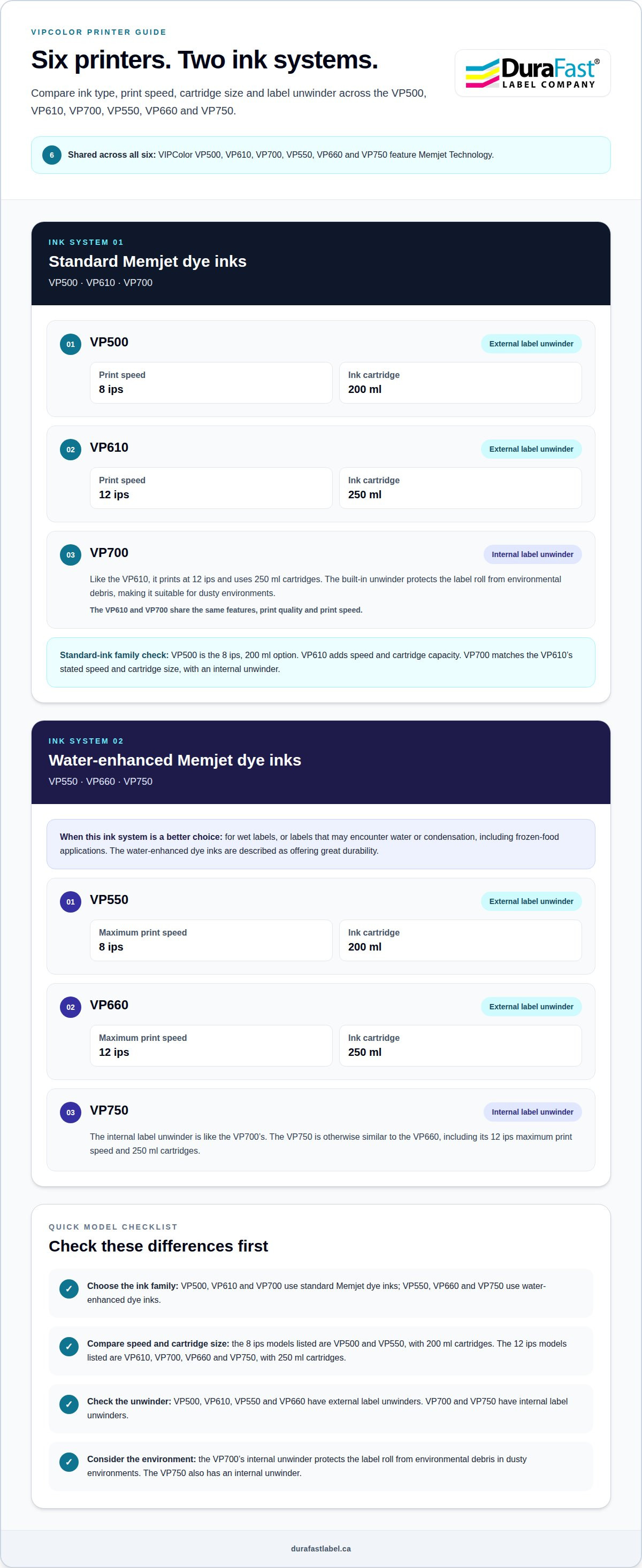
For in-house colour label production, DuraFast Label Company Canada also offers VIPColor, Afinia and Toshiba Label Printers. These are relevant when you need a printer for your labelling workflow rather than temporary direct thermal output.
Share your application details to discuss the options. Contact DuraFast Label Company Canada to talk through your label needs.
Build a label specification for your next run
Turn the conditions at the application site into a clear label specification. Note the surface, weather exposure, how long the information must remain readable, and the printers and supplies already in use. This gives your team a practical basis for choosing materials and a print method, rather than relying on the word “outdoor” alone.
Choosing durable direct thermal labels for outdoor applications starts with matching the label to the job and understanding its limits. If the print must remain legible through extended exposure, make that requirement central to your decision. For temporary labels, prioritize fit with your workflow and printer.
DuraFast Label Company Canada can help you consider suitable label and printing options for your application. Plan your next label specification with DuraFast Label Company Canada, and move forward with a clearer fit for your operation.
Frequently Asked Questions
Can Thermal Labels Be Used for Outdoor Applications?
Yes, direct thermal labels can work outdoors for temporary applications when the print life matches the task. A parcel label, for example, generally needs to stay readable during delivery, not serve as permanent equipment identification. For outdoor assets or signage, consider how long the information must remain legible and whether another print method better suits that period.
What are weatherproof labels used for?
Weatherproof labels are used when identification must withstand outdoor conditions such as rain, moisture, sunlight or temperature changes. Examples include labels for equipment, containers or products stored outside. The term alone does not guarantee performance in every condition, so match the face material and adhesive to the surface and exposure. Labels exposed to cleaning agents may need different resistance from those sheltered beneath a cover.
What kind of adhesive is used, and how well does it work under cold freezer conditions?
Cold applications need an adhesive suited to both the label surface and freezer conditions. Performance depends on the application temperature, surface cleanliness, and moisture or condensation. A label applied to a cold, damp package may not bond like one applied to a clean, dry surface. For frozen-food labels, consider condensation during handling and storage as well as the freezer environment.
What temperature range can these labels handle?
Polyester label stock has a stated temperature resistance range of -40°F to 300°F. That range describes the stock, not necessarily the complete label’s performance. Adhesive and print durability matter too. For example, a label could tolerate an operating temperature but still fail to adhere if applied to a cold surface. Assess application conditions separately from temperatures during storage or use.
Will these labels fade over time, under heat, or in sunlight?
Yes, direct thermal print can fade with heat and sunlight exposure. In direct sunlight, fading may occur within 60-90 days. The practical concern is whether essential details, such as an identifier or barcode, remain readable throughout the label’s required service period. A label used on a shaded indoor-facing surface has different exposure from one fixed in full sun.
Are direct thermal labels suitable for outdoor use in Canada?
Direct thermal labels can suit short-term outdoor tasks in Canada, but they are not a reliable default for long-term outdoor identification. A shipping label needed only during transit has different requirements from one left on outdoor equipment through changing weather. Consider the exposure and required readability period, then choose the print method and label construction for the task.
What UV-resistant coatings or laminates extend the life of direct thermal labels?
A laminate or overcoat can help protect a thermal label from abrasion and moisture, and may add protection against UV exposure. It does not remove the fading limitation of direct thermal print in sunlight. For example, a protective layer may help when labels rub against packaging, but prolonged direct sun can still reduce readability. Match the protection to the main exposure.
What are the best outdoor direct thermal label brands and products available in Canada?
There is no single best option for every outdoor application. Start with printer compatibility, label material, adhesive, surface and required print life. For temporary use, a direct thermal product such as Ultramax DT may suit the workflow. For labels that need to remain readable outdoors longer, compare thermal transfer or Durable Industrial Labels instead. Choose according to the specific environment and identification task.