Why More Manufacturers Are Investing in RFID Asset Tracking
17th Jul 2026
What if every tool, pallet, and shipment in a manufacturing facility could report its exact location in real time without manual scanning or guesswork? That level of visibility is no longer theoretical.
Many manufacturers are now turning to RFID asset tracking to reduce losses, improve operational accuracy, and streamline production flow.
Industry studies suggest that businesses using RFID systems can reduce inventory errors by more than 30 percent, while also cutting the time spent on manual asset checks significantly.
At DuraFast Label Company, we work with businesses that need reliable labeling and identification solutions that support these modern tracking systems. Alongside printing hardware and consumables for industrial labeling setups, we help organizations align their print output with RFID-driven workflows.
This article looks at why RFID asset tracking is becoming essential in manufacturing, where it is being applied, and how labeling and printing systems support it in day-to-day operations.
Why RFID Asset Tracking Is Gaining Ground In Manufacturing
Manufacturing environments rely heavily on precision. A missing tool, misplaced container, or untracked pallet can slow production lines and create costly delays. Traditional barcode systems still require line-of-sight scanning, which introduces human dependency and slows down high-volume workflows.
RFID asset tracking removes many of those limitations by enabling automatic identification using radio waves. Tags can be read without direct scanning, even when items are stacked, boxed, or in motion.
Key reasons manufacturers are shifting toward RFID systems include:
- Faster asset identification without manual scanning
- Reduced dependency on labour-intensive checks
- Improved tracking accuracy across large facilities
- Better control over returnable packaging and tools
- Real-time updates on asset movement
In many plants, even a small improvement in tracking accuracy leads to measurable reductions in downtime and misplaced inventory.
Real-Time Visibility Across Tools, Equipment, And Inventory
One of the strongest drivers behind RFID asset tracking is real-time visibility. Manufacturers often manage thousands of moving parts, from raw materials to finished goods. Without automated tracking, gaps in data are common.
RFID systems help by continuously updating asset locations as they pass through checkpoints or RFID readers. This is especially useful in:
- Tool management in machine shops
- Inventory control in warehousing
- Tracking high-value equipment on production floors
- Monitoring materials moving between departments
Instead of relying on periodic scans, teams gain a continuous data stream that reflects actual movement patterns. This supports better planning and reduces time spent searching for missing items.
Reducing Loss And Improving Asset Accountability 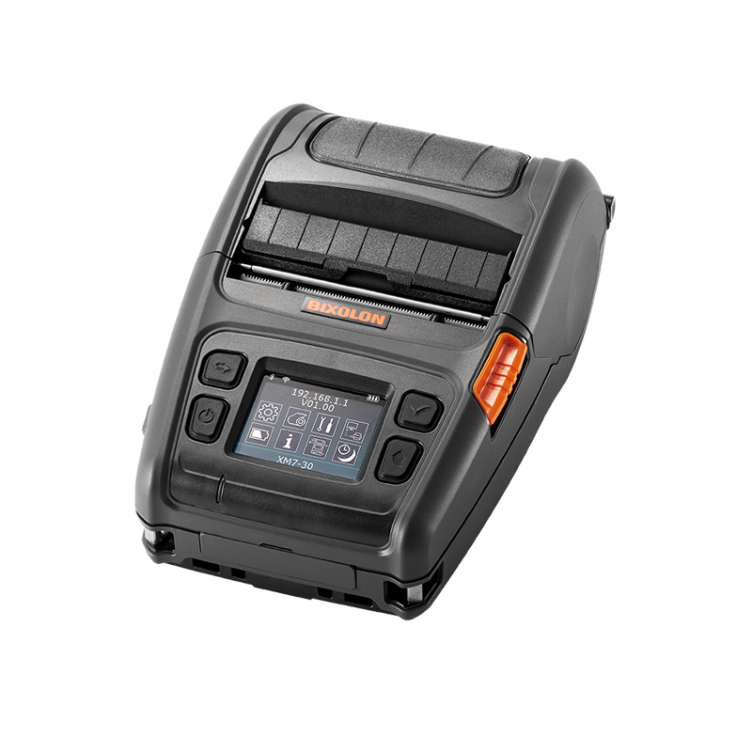
Loss prevention is another major factor. Industrial environments often deal with misplaced tools, unreturned containers, or misrouted shipments. Over time, these issues add up to significant operational cost.
RFID asset tracking helps reduce this risk by assigning each item a unique identifier that is tracked automatically. When an asset moves outside of defined zones or fails to return within expected timeframes, alerts can be triggered.
Common improvements include:
- Lower tool replacement costs
- Better accountability for shared equipment
- Reduced shrinkage of returnable containers
- More accurate audit records
This level of control is especially valuable in high-throughput manufacturing settings where manual oversight is limited.
Supporting Returnable Assets And Supply Chain Loops
Many manufacturers rely on reusable packaging such as crates, pallets, and bins. These assets frequently circulate between suppliers, production facilities, and distribution centres.
Without tracking, returnable assets often go missing or become delayed in transit cycles. RFID asset tracking provides visibility into these loops by recording each movement event.
This leads to:
- Faster return cycles for packaging assets
- Improved supplier accountability
- Reduced need for excess inventory buffers
- More predictable logistics planning
For operations managing thousands of reusable assets, even small gains in return tracking accuracy can create meaningful efficiency improvements.
Where Labeling And Printing Systems Fit Into RFID Environments
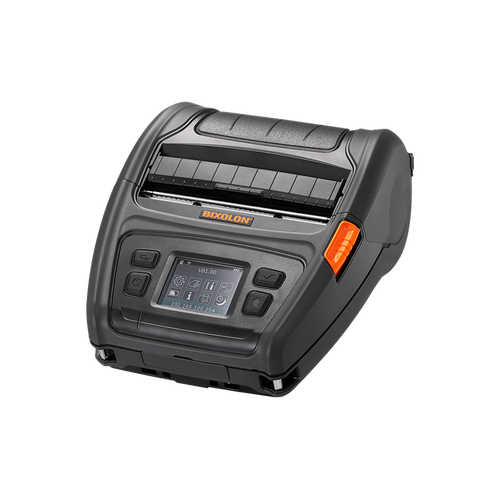
Although RFID technology handles identification electronically, physical labeling still plays a central role. Most RFID tags are paired with printed labels that include human-readable information, barcodes, or serial numbers.
This is where industrial label printing systems remain essential.
Manufacturers often integrate RFID with printing solutions such as:
- Epson Labelworks printers for small-scale tagging tasks and field-level labeling
- Epson C4000 printer systems used for on-demand colour label production in controlled environments
- Epson C3500 ink setups for legacy workflows still running established label formats
- 4x6 label printerconfigurations for shipping and logistics labelling
- Colour label printer for small business setups where flexibility and branding are important
- Best printer for printing colour labels when evaluating options for higher volume or higher resolution output
In RFID environments, labels must remain clear, durable, and readable under varying conditions. Printed labels often carry backup information in case RFID scanning is not available at a given checkpoint.
Building A More Reliable Tracking Foundation
How do manufacturers ensure asset visibility stays consistent as operations grow more complex?
The answer lies in combining RFID asset tracking with dependable identification and printing systems that support both machine-readable and human-readable data.
At DuraFast Label Company, we support businesses that are building or expanding these systems by providing labeling solutions designed for industrial environments. From compact labeling setups to higher volume colour label production, businesses often rely on systems compatible with platforms like Epson Labelworks printers, Epson C4000 printer workflows, and established ink-based models such as Epson C3500 ink systems. Many also evaluate 4x6 label printer configurations, especially when balancing shipping and inventory demands alongside RFID tagging.
For many small and mid-sized operations, selecting a colour label printer for small business environments or one of the best printer for printing colour labels setups helps maintain consistent output without increasing operational complexity.
As RFID adoption continues to grow, the connection between digital tracking and physical labeling will remain central to operational accuracy. Organizations that align both systems early are better positioned to reduce errors, improve accountability, and maintain smoother production flow over time.
If you are building or upgrading an RFID-enabled tracking system and need dependable labeling and printing support, DuraFast Label Company provides solutions that align with real-world manufacturing demands, helping ensure every tagged asset is clearly identified from production floor to final shipment.