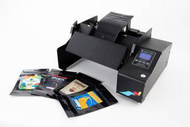
Why Label Applicators Improve Packaging Efficiency
21st Apr 2026

In packaging environments where output is measured in thousands of units per hour, even small inefficiencies in labeling can create bottlenecks. Manual labeling may work for low-volume operations, but as production scales, inconsistencies, labor costs, and speed limitations become more apparent.
This is where label applicators begin to play a critical role in improving overall packaging performance. This blog discusses the significance of label applicators for packaging efficiency.
The Role of Label Applicators in Modern Packaging
Label applicators are devices designed to automatically apply labels onto products, boxes, or containers with consistent positioning and timing. Instead of relying on manual placement, operators feed products through a system where labels are applied uniformly at high speed.
In setups that combine label applicators with automated production lines, labeling becomes part of a continuous workflow rather than a separate manual step. This integration reduces handling time and allows packaging lines to maintain steady throughput.
Reducing Manual Labor and Human Error
Manual labeling introduces variability; labels may be misaligned, applied at inconsistent angles, or placed incorrectly. Over time, these inconsistencies can lead to scanning issues, product rework, or compliance concerns.
Automation reduces these risks significantly. Research has shown that automation in repetitive packaging tasks can reduce human error rates in controlled environments. While exact results vary by setup, the trend consistently shows that removing manual steps improves reliability.
Label applicators help standardize:
- Placement position
- Label alignment
- Application pressure
This consistency is especially important when businesses rely on barcode labels for inventory tracking or logistics.
Increasing Production Speed
Speed is one of the most immediate benefits of implementing label applicators. Manual application requires an operator to pick, position, and press each label individually, which is a time-consuming process.
Automated systems, on the other hand, apply labels in sync with conveyor movement or product indexing. This allows labeling to keep pace with high-speed production lines.
Automation in packaging lines can improve throughput significantly, depending on the level of integration. Label applicators contribute directly to this improvement by eliminating manual bottlenecks.
Improving Consistency and Brand Presentation
Consistency matters not only for functional reasons but also for presentation. In retail and e-commerce environments, labels often serve as both identification and branding elements.
Using systems that combine label printers with applicators ensures that every product looks uniform. This is particularly relevant when working with product labels that businesses use for packaging differentiation.
For products requiring durability, such as those exposed to moisture or friction, waterproof barcode labels applied through automated systems maintain alignment and adhesion more reliably than manual methods.
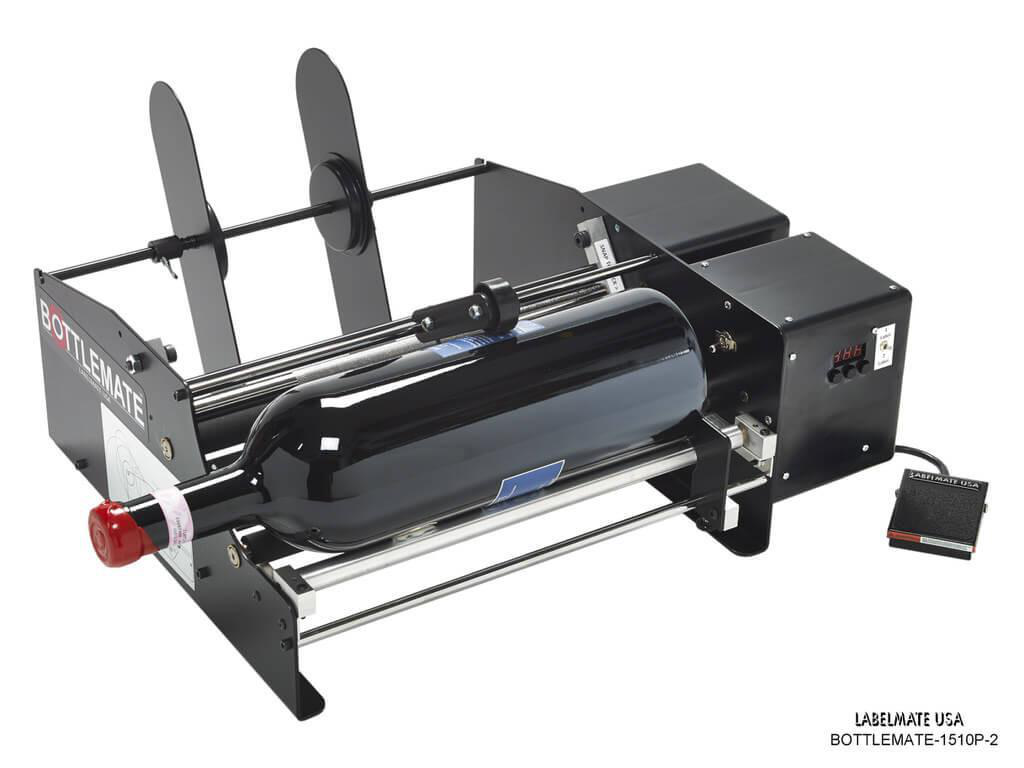
Supporting High-Volume and Industrial Operations
In industrial environments, labeling is often continuous and tightly coupled with production lines. Equipment such as industrial barcode printers and label printing machines for business are designed to keep up with these demands, but applicators ensure that printed labels are applied just as efficiently.
Industries that benefit most include:
- Manufacturing
- Logistics and warehousing
- Food and beverage packaging
- Pharmaceuticals and healthcare
When Label Applicators Make the Most Sense
Label applicators are particularly valuable when:
- Production volume exceeds manual labeling capacity
- Consistency and placement accuracy are critical
- Packaging lines are already semi-automated or fully automated
- Labor costs for repetitive tasks are increasing
- Products require durable or specialized labeling
For smaller operations, manual labeling may still be sufficient. However, as demand grows, transitioning to automation becomes less about convenience and more about maintaining operational efficiency.
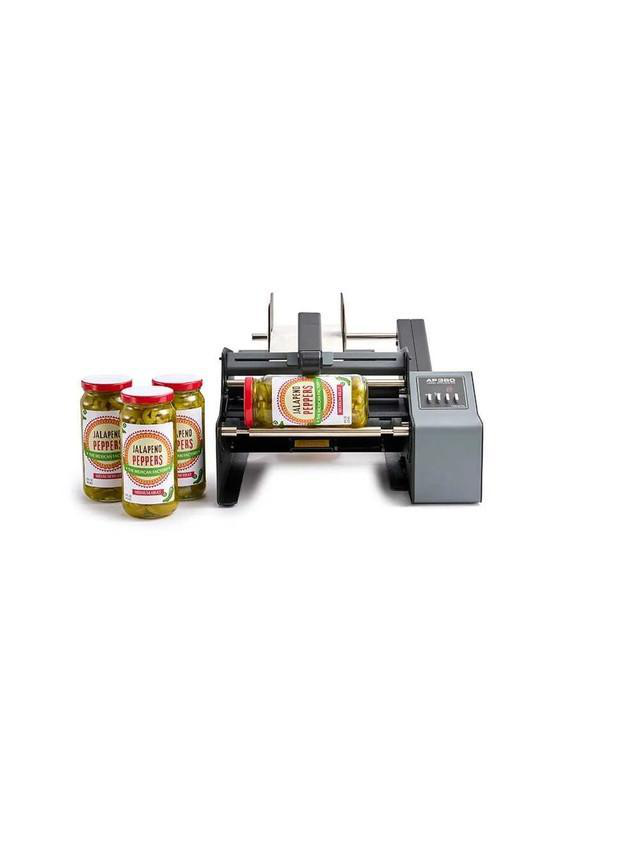
Automated systems like label applicators reduce manual touchpoints, cut errors, and keep production moving at pace, and the best results come when those systems are paired with the right supplies, equipment, and expert support.
DuraFast Label Company can help bring that complete solution together. We offer a broad range of labeling products, from thermal label printers and direct thermal labels to ribbon options like Datamax ribbons or Zebra ribbons, giving businesses the components they need to support automated labeling systems like applicators.
Ready to upgrade your packaging efficiency? Contact us today to explore labeling solutions that support automated workflows, reduce downtime, and keep your production moving.