Why Barcode Misreads Cost Retailers More Than You’d Think
25th Sep 2026
A failed scan at checkout may look like a minor inconvenience. An employee simply rescans the product or enters the information manually. Across thousands of transactions, though, those small interruptions can affect labour time, pricing accuracy, inventory records, customer experience, and ultimately revenue.
Research on retail scanning and inventory accuracy shows that the financial impact of inaccurate product data can extend well beyond the checkout counter. One large study examined 231,760 products across 3,628 store screenings over 15 years and found that scanner price errors remained a measurable retail problem.
The Real Cost Behind Barcode Misreads
Barcode misreads can happen when a label is poorly printed, damaged, distorted, incorrectly positioned, or difficult for the scanner to read. When that happens, employees may need to rescan the product or manually enter its information.
That extra step takes time. It can also introduce another opportunity for human error.
The financial effect becomes more significant when inaccurate scanning contributes to incorrect inventory records. Research found that errors during barcode scanning can cause recorded inventory to differ from physical inventory, creating additional costs for inventory management.
A separate study found that inventory record inaccuracies can contribute to stock outs and revenue losses caused by unnecessary replenishment.
That means a barcode problem can have consequences long after a product leaves the checkout scanner.
Why Print Quality Matters at the Point of Sale
A barcode scanner can only read what is actually printed on the label. Faded bars, inconsistent spacing, low contrast, wrinkles, and printing defects can increase the likelihood of barcode misreads.
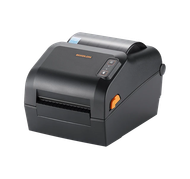
Printing equipment therefore plays an important role in maintaining reliable scan performance. Thermal barcode printers can produce consistent, machine-readable labels for products, shelves, cartons, and other retail applications when the correct materials and print settings are used.
The quality of the barcode also matters because scanning accuracy affects the integrity of the information flowing into inventory and sales systems. Research into retail data quality has found that point-of-sale data cannot simply be assumed to be accurate. Poor data can affect replenishment decisions, inventory visibility, and downstream supply-chain planning.
Small Errors Can Become Bigger Operational Costs
One barcode misread rarely changes a retailer's financial picture. Repeated scan failures across busy stores can be different.
Employees spend additional time correcting transactions. Inventory records may require investigation. Customers may experience slower checkouts. Incorrect product data can also contribute to stock discrepancies that make replenishment less reliable.
For retailers processing thousands of items every day, maintaining clear, readable barcodes is therefore part of protecting the accuracy of the entire transaction and inventory process.
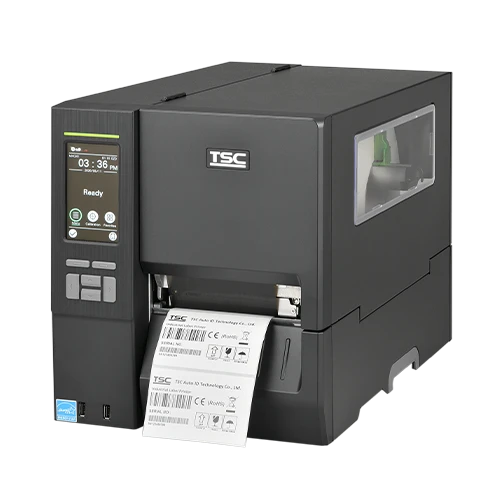
At DuraFast Label Company, we help Canadian businesses reduce avoidable barcode misreads with printing equipment suited to their day-to-day operations. A dedicated barcode printer can be the right choice for businesses producing large volumes of unique tags and barcodes, while an all-purpose printer can handle barcodes alongside other media.
Our range of thermal barcode printers gives businesses options for different workflows, applications, and printing requirements. If you are also looking to buy barcode scanners in Canada, we can help you consider the printer, label, and scanning setup together. The right equipment can support clearer barcode printing, more consistent scanning, and more reliable inventory data.