Why Are Weatherproof Labels Becoming More Important for Business Applications?
4th Nov 2026
What happens when a barcode label gets soaked in the rain, fades under direct sunlight, or peels away in a humid warehouse? A label that once worked perfectly can become unreadable, disrupting inventory tracking, delaying shipments, and creating unnecessary replacement costs. For businesses that depend on accurate product identification, label durability is an operational requirement rather than a cosmetic preference.
Environmental conditions can affect labels in several ways. Moisture may weaken paper, heat can compromise adhesives, and repeated contact with oils or cleaning chemicals can damage printed information. These problems become more serious when labels are used on outdoor equipment, shipping containers, industrial components, or products that move through multiple handling stages.
At DuraFast Label Company, we recognize the importance of matching label materials, adhesives, and printing methods to real working conditions. Our range of label supplies and barcode-related solutions helps businesses select products suited to their identification and tracking requirements.
This article examines why weatherproof labels matter, which materials and adhesives perform well in demanding environments, and how businesses can make informed decisions about durable labelling.
What Makes Weatherproof Labels Different from Ordinary Labels?
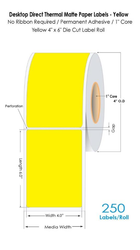
Weatherproof labels are designed to retain their adhesion, legibility, and structural integrity when exposed to environmental conditions that can damage conventional paper labels. Depending on their construction, they may resist water, humidity, temperature fluctuations, sunlight, abrasion, and certain chemicals.
Ordinary paper labels remain useful for indoor applications where conditions are relatively stable. However, their limitations become apparent when products are stored outdoors, moved between temperature-controlled and uncontrolled environments, or handled frequently.
Weatherproof labels generally combine three important elements:
- Durable face materials:Synthetic films, such as polyester and polypropylene, can provide better resistance to moisture and tearing than untreated paper.
- Suitable adhesives:Adhesives are selected according to the application surface, temperature range, moisture exposure, and expected service life.
- Compatible printing and protective finishes:Appropriate inks, ribbons, or protective coatings help keep printed text and barcodes readable under expected operating conditions.
These components must work together. A water-resistant face material does not automatically make an entire label waterproof, particularly if the adhesive cannot withstand prolonged moisture or the printed information fades when exposed to sunlight.
Businesses should therefore evaluate the complete label construction rather than selecting products based on a single feature.
Why Businesses Are Paying More Attention to Label Durability
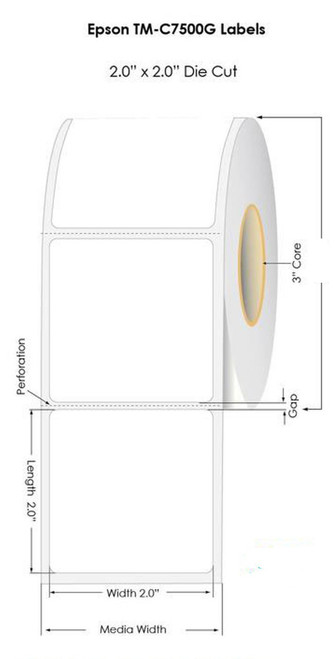
Labels often serve as the connection between a physical product and the information stored in an inventory, shipping, or asset management system. When that connection fails, employees may need to identify items manually, replace damaged labels, or investigate discrepancies.
The importance of reliable identification is reflected in the wider supply chain. According to the International Organization for Standardization, ISO 9001 establishes requirements for quality management systems that help organizations maintain consistent processes and meet applicable customer and regulatory requirements. Reliable identification and traceability can support these objectives when they form part of a company's documented processes.
Environmental exposure adds another layer of risk. A label that performs adequately during packaging may fail after several days in transit or months on an outdoor asset.
Several business pressures make weatherproof labelling increasingly relevant:
- More demanding storage conditions:Warehouses, distribution centres, and outdoor storage facilities expose labels to different levels of humidity, heat, dust, and moisture.
- Frequent product movement:Parcels, containers, and inventory items may pass through multiple locations, increasing the likelihood of abrasion and handling damage.
- Greater reliance on barcode scanning:Automated and handheld scanning systems require readable, correctly printed barcodes to retrieve product information efficiently.
- Longer identification requirements:Equipment, tools, and industrial assets may need labels that remain legible throughout extended periods of use.
- Pressure to reduce avoidable waste:Replacing failed labels consumes materials and employee time, while repeated handling can interrupt established workflows.
The practical objective is straightforward: choose a label that can withstand its intended environment without requiring unnecessary replacements.
How Rain, Humidity, and Water Exposure Affect Labels
Water is among the most common threats to label performance. Outdoor equipment, agricultural supplies, construction materials, delivery containers, and refrigerated goods may encounter rain, splashes, condensation, or regular washing.
Paper labels can absorb moisture, causing swelling, wrinkling, tearing, or changes in surface texture. Depending on the ink and coating, printed information may also smear or become difficult to read.
Humidity creates a different problem. Even without direct contact with water, prolonged exposure to moisture in the air can weaken certain materials and adhesives. Condensation may form when products move from a cold environment into warmer surroundings, introducing moisture at the label surface or edges.
Waterproof barcode labels can help address these risks when their materials, adhesive, and printing system are appropriate for the application.
Common applications include:
- Outdoor inventory bins and storage containers.
- Shipping cartons exposed to rain during loading and unloading.
- Equipment identification in damp industrial environments.
- Product labels for containers that require routine cleaning.
- Warehouse stock stored in areas with fluctuating humidity.
However, the term waterproof should not be treated as a universal performance guarantee. Resistance varies according to the label construction, exposure duration, water temperature, surface condition, and application method. Businesses should check product specifications and conduct practical testing when prolonged immersion, pressure washing, or repeated sanitization is expected.
Why Temperature Changes Require Special Label Materials
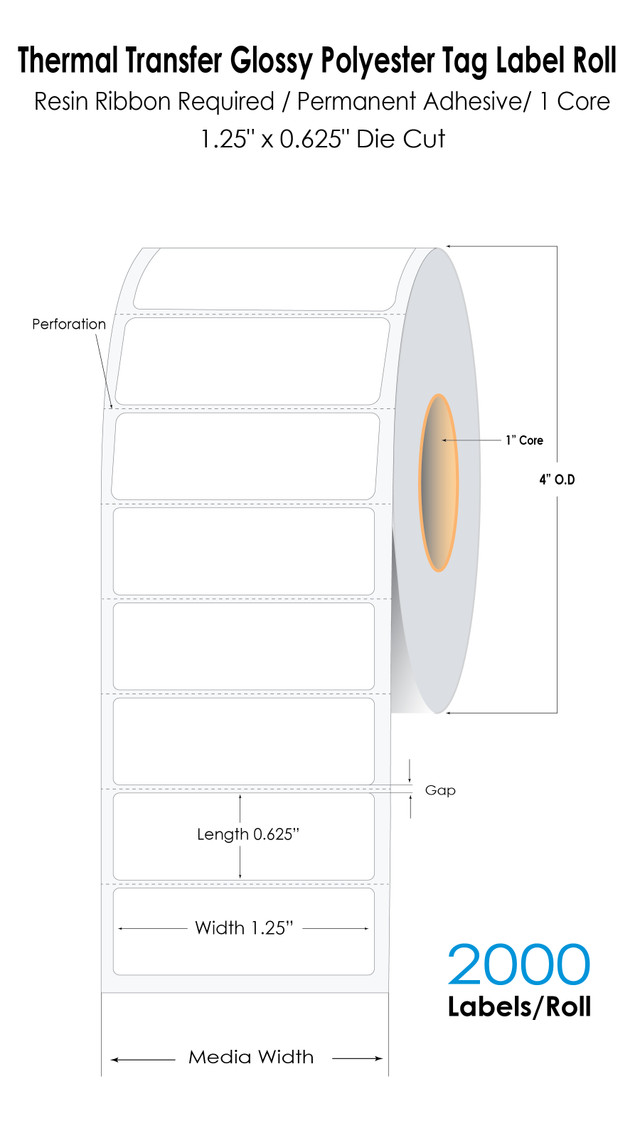
Labels can encounter significant temperature variations during storage, transport, manufacturing, and use. A product might be labelled in a heated facility, stored in an unheated warehouse, transported in winter conditions, and later placed in a warm retail environment.
These changes affect both the label material and the adhesive.
At elevated temperatures, some adhesives can soften, allowing labels to shift or leave residue. Under cold conditions, an adhesive may become less flexible or fail to bond properly if the label is applied outside its recommended temperature range. Certain face materials may also shrink, curl, or become brittle when exposed to unsuitable temperatures.
The operating temperature and application temperature are not necessarily the same. A label might withstand low temperatures after it has bonded correctly, yet fail if applied to a cold surface.
When selecting temperature-resistant labels, businesses should establish:
- The lowest and highest temperatures the labelled item will encounter.
- Whether temperature changes occur gradually or rapidly.
- The temperature of the surface during application.
- Whether condensation develops during temperature transitions.
- How long the label must remain attached under these conditions.
For cold storage, refrigerated distribution, manufacturing, and outdoor equipment, these details can determine whether a label remains readable and securely attached.
The Role of Sunlight and Ultraviolet Exposure
Direct sunlight can gradually degrade label materials and printed information. Ultraviolet (UV) radiation may cause certain inks and plastics to fade, discolour, or become brittle. Over time, a barcode can lose the contrast needed for reliable scanning.
This problem is particularly relevant to construction equipment, electrical enclosures, outdoor storage tanks, utility assets, vehicle components, and agricultural machinery.
Outdoor durable labels should be selected according to the intensity and duration of sunlight exposure. A label intended for occasional outdoor handling may not provide the same service life as one designed for permanent outdoor identification.
Businesses should assess the following characteristics:
- UV resistance:Helps limit deterioration caused by sunlight.
- Print durability:Supports continued legibility of text, symbols, and barcodes.
- Material stability:Reduces the risk of cracking, fading, or other damage during outdoor use.
- Adhesive performance:Helps maintain attachment despite changing surface temperatures and environmental exposure.
Protective laminates or compatible coatings may provide additional protection, but they must suit the printing method and intended environment. Testing a printed sample under representative conditions can help identify fading or scanning problems before labels are applied across an entire asset inventory.
Choosing the Right Adhesive for the Application
Even a durable label material can fail if its adhesive is unsuitable. Adhesive selection depends on the surface, environmental conditions, application process, and required holding period.
For example, a label applied to clean stainless steel presents different challenges from one attached to textured plastic, painted metal, cardboard, or a curved container.
Important adhesive considerations include:
- Surface compatibility:Rough, curved, textured, or low-surface-energy materials may require specialised adhesives to establish a dependable bond.
- Application temperature:Some adhesives need a minimum surface temperature to bond properly. Applying a label outside the specified range may compromise its performance.
- Moisture exposure:Labels used in damp environments may need adhesives formulated to resist water and prolonged humidity.
- Chemical contact:Oils, solvents, detergents, and cleaning agents can affect adhesive strength. The specific chemical and concentration should be considered.
- Required service life:Temporary shipping labels have different requirements from asset identification labels expected to remain in place for years.
Before placing a large order, businesses should apply sample labels to representative surfaces and evaluate their adhesion under normal operating conditions. This is especially important when the label will be exposed to more than one environmental stress.
Where Weatherproof Labels Deliver the Greatest Value
Weather-resistant labelling supports many industries, but the required specifications vary considerably between applications.
1. Outdoor Equipment and Asset Identification
Businesses often label generators, pumps, machinery, electrical cabinets, tools, storage tanks, and maintenance equipment. These labels may identify assets, display serial numbers, communicate safety information, or support inspection schedules.
Outdoor durable labels help keep identification visible despite exposure to rain, sunlight, dust, and temperature changes. Materials should be selected according to the equipment surface, expected exposure, and required lifespan.
For assets that need long-term identification, a durable label can reduce the frequency of replacement and help employees locate the correct maintenance records.
2. Warehouse Inventory Management
Warehouse labels support receiving, put-away, stock counting, picking, and replenishment. Barcode labels placed on shelves, bins, pallets, and storage containers help employees connect physical inventory with digital records.
Humidity, dust, friction, and repeated handling can damage labels in busy facilities. When barcodes become unreadable, staff may need to search for products manually or replace identification labels before continuing their work.
Weather-resistant materials are useful in loading areas, unheated warehouses, cold storage facilities, and other locations where environmental conditions are less predictable.
Businesses seeking custom barcode labels in Canada should consider label dimensions, barcode format, surface material, scanning distance, and the environment in which each label will be used. A label designed for a dry shelf may not be suitable for a damp loading bay.
3. Shipping and Logistics
Shipping labels can face rain, condensation, friction, stacking pressure, and repeated handling during transportation. Parcels may also move between indoor sorting facilities, delivery vehicles, loading docks, and outdoor drop-off points.
A damaged barcode can slow parcel processing or make shipment identification more difficult. Durable label materials help preserve printed information during these stages, provided the adhesive and printing method suit the packaging surface.
Businesses should distinguish between shipping labels that only need to remain readable for a short delivery cycle and labels that must withstand longer storage or repeated transfers.
For routine parcel shipping, the appropriate choice depends on the carton material, expected transit conditions, barcode requirements, and printer compatibility. Not every shipment requires a fully waterproof label, but moisture resistance can be valuable where exposure is likely.
4. Manufacturing and Industrial Identification
Manufacturing environments may expose labels to lubricants, oils, dust, heat, abrasion, and cleaning chemicals. Labels can identify components, track work in progress, display batch information, or connect finished products with production records.
In these settings, label failure can affect more than appearance. Missing or unreadable identification may complicate quality checks, maintenance activities, stock reconciliation, or product traceability.
Industrial labels should be evaluated against the actual substances and conditions present at the worksite. Chemical resistance, abrasion resistance, temperature tolerance, and adhesion should be verified individually rather than assumed from a general weatherproof rating.
5. Food, Beverage, and Refrigerated Distribution
Products stored in coolers, freezers, and refrigerated transport systems may encounter condensation and frequent temperature transitions. Containers may also require wiping or cleaning.
Labels in these settings must remain attached and legible while meeting the relevant product, packaging, and regulatory requirements. The correct material depends on whether the label is applied before refrigeration, during cold storage, or after the product has reached a particular temperature.
Businesses should confirm whether a label is suitable for direct contact with moisture, refrigerated surfaces, or any applicable food-related requirements. Not all weather-resistant materials are suitable for every food packaging application.
6. Agriculture, Construction, and Outdoor Storage
Agricultural and construction operations regularly expose equipment, containers, and materials to dust, rain, sunlight, and rough handling. Identification labels may need to remain readable across changing seasons and demanding working conditions.
Labels on chemical containers may also require resistance to specific substances, subject to applicable labelling regulations.
Choosing suitable outdoor durable labels can help workers identify tools, supplies, equipment, and stored materials without relying exclusively on handwritten markings or separate records.
Across all these applications, the main consideration remains the same: match the label's performance characteristics to the conditions it will encounter.
Frequently Asked Questions
- Are weatherproof labels completely waterproof?
Not necessarily. Some labels withstand splashes and rain, while others are designed for more demanding water exposure. Performance depends on the face material, adhesive, printing method, and protective finish. Check the manufacturer's specifications for the conditions relevant to your application.
- Which materials are suitable for outdoor durable labels?
Polyester and polypropylene are common choices for applications requiring improved moisture resistance and durability. Other specialised films may be appropriate for extended outdoor exposure or demanding industrial conditions. The best option depends on sunlight, temperature, surface type, and required service life.
- Can waterproof barcode labelsimprove inventory management?
They can help preserve barcode readability in environments where moisture or handling may otherwise damage labels. When used with compatible printers and scanners, durable labels can support more consistent identification and reduce the need to replace damaged labels.
- How do we choose the right barcode label for industrial use?
Start by identifying the surface, temperature range, moisture exposure, chemicals, abrasion risks, and required service life. Then confirm material, adhesive, printing compatibility, and barcode readability. Testing sample labels under representative working conditions is advisable before implementing a large order.
Keep Your Business Identification Reliable in Demanding Conditions
What is the value of a barcode system if its labels cannot withstand the conditions in which your business operates? Durable labelling helps protect the link between physical inventory and digital records, supporting clearer identification, more dependable scanning, and fewer avoidable replacement tasks.
At DuraFast Label Company, we help businesses find suitable labelling supplies and barcode-related products for their operational requirements. Our product range includes label stocks and printing consumables for compatible printing systems, as well as barcode scanners for inventory and identification workflows. We can help you assess the available options according to your label material, printing requirements, and intended application.
If your business needs custom barcode labels in Canada, waterproof barcode labels, or suitable outdoor durable labels, start by identifying the conditions your labels must withstand. Then review compatible materials, adhesives, and printing supplies to ensure the selected products meet those needs.
Order from DuraFast Label Company to source suitable labelling supplies and barcode scanning products for your business. With the right materials and equipment, you can build a more dependable identification process, reduce avoidable label replacement, and keep essential product information accessible when it matters most.