Weatherproof Labels vs Waterproof Labels: What's the Difference?
28th Jul 2026
Buy a label that says "weatherproof," expecting it to survive a dunk in water, and there's a decent chance you'll be disappointed. Buy one that says "waterproof," expecting it to hold up to a summer of direct sunlight, and you might be disappointed too.
These two terms get used almost interchangeably in casual conversation, but they describe genuinely different kinds of protection, and mixing them up is one of the most common, and most avoidable, labeling mistakes businesses make. This blog observes what’s different between weatherproof and waterproof labels and how that makes an impact.
Two Different Jobs, Not Two Names for the Same Thing
The core distinction comes down to what each label is actually built to resist. A waterproof label is designed to withstand moisture exposure, while a weatherproof label is built to handle a broader range of environmental hazards, including UV light and extreme temperatures: weatherproof materials aren't automatically waterproof.
In other words, waterproof addresses one specific threat exceptionally well. Weatherproof addresses several threats reasonably well, but water resistance isn't guaranteed to be total.
That distinction plays out in real conditions too. Weatherproof and vinyl labels handle rain, snow, and UV exposure well and suit most outdoor applications, but they aren't designed for prolonged submersion: that level of protection requires a genuinely waterproof label. A label on an outdoor storage bin might be weatherproof and perform perfectly for years. The same label submerged in a flooded basement or dropped in a lake is a different story entirely.
Why UV Resistance Belongs in the Weatherproof Conversation
Sun exposure does damage that's easy to underestimate until it's already happened. A full-color label left in direct sunlight long enough can fade to blank if it isn't made with the right UV-resistant materials, which matters most for products stored outdoors or near windows. That fading isn't cosmetic wear and tear; a barcode or product identifier that's faded to illegibility defeats the entire purpose of the label, regardless of how well the adhesive held up.
It's also worth knowing that UV-cured varnish and UV-resistant ink aren't the same thing. A UV varnish typically refers to how the coating is cured using ultraviolet light, not whether it actually protects the label from sun damage: a common point of confusion when reviewing label specs. A business specifying weatherproof and waterproof labels for outdoor use should confirm the ink itself is UV-resistant, not just assume a "UV" mention in a spec sheet covers sun protection.
What "Waterproof" Actually Requires
Because there's no single universal testing standard for weatherproofing, the term leans more on manufacturer claims than on hard certification. Waterproof labels, by contrast, tend to be held to more rigorous, definable testing.
Genuinely waterproof labels are typically tested by fully submerging the labeled product in water for at least seven days, then rubbing the label vigorously to check for smudging, peeling, or adhesion failure. That kind of testing matters for products that face guaranteed, sustained water contact: coolers, marine equipment, outdoor beverage containers, or anything that might end up fully submerged rather than just rained on.
Matching Materials to the Actual Risk
Getting this right starts with being honest about what a label will actually face, not what sounds safest. Products facing only incidental moisture, such as refrigeration condensation or light contact with oils, are usually well served by water-resistant materials like BOPP, while labels needing total, prolonged water exposure require true waterproof construction. Overspecifying wastes money on capabilities the label will never use; underspecifying means a product identifier that fails right when it matters
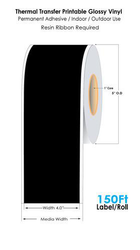
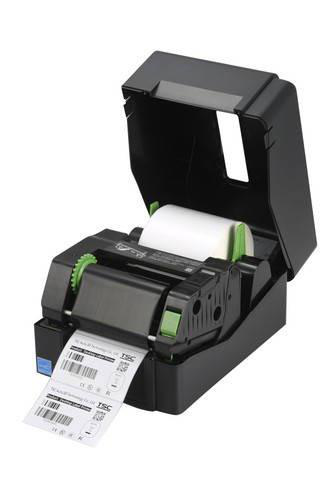
For genuinely tough outdoor conditions, industrial thermal transfer printing tends to outperform other methods, since the printing process melts ink directly onto the label surface to create a permanent bond rather than sitting on top of it. Pairing that print method with vinyl labels that businesses use for long-term outdoor durability, or dedicated waterproof barcode labels for products facing direct water exposure, keeps the material matched to the actual environment instead of guessing.
Where Color Printing Fits In
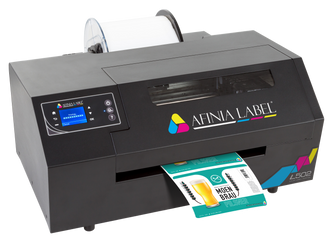
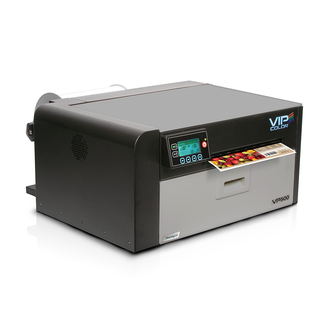
For businesses that also need vibrant, branded color on weatherproof or waterproof stock, be it outdoor product packaging, equipment identification, or retail labels destined for humid storage, the printer matters as much as the label material. The Afinia L502 handles this well since its pigment ink setting resists moisture and fading far better than standard dye ink, making it a solid option for color labels headed for outdoor or damp conditions. The VIPColor VP500 covers similar ground with fast, high-resolution color output, which suits businesses producing weatherproof product labels at volume without sacrificing the color accuracy that makes packaging look retail-ready.
A label destined for an outdoor shed, a piece of equipment, or a shipping container exposed to sun and rain generally needs weatherproof-rated material. A label destined for full submersion, marine use, or sustained water contact needs a genuinely waterproof rating. Getting that distinction right the first time is far cheaper than reprinting a batch of labels that failed the one condition nobody checked for.
That's exactly the kind of guidance DuraFast Label Company offers when matching materials to real-world conditions. Our catalog includes weatherproof labels built for UV, temperature swings, and outdoor exposure, along with dedicated waterproof barcode labels for products facing sustained moisture or submersion.
Not sure which category your labels actually need? Contact us today and get the right weatherproof or waterproof solution the first time.