Understanding the Different Types of Label Ribbons and Their Uses
14th Jan 2026
When it comes to printing durable, high-quality labels, few factors are as critical as the ribbon you choose. While the printer itself determines speed, resolution, and connectivity, the ribbon dictates how the final label looks and performs. From shipping labels and product packaging to chemical drums and outdoor tags, the right ribbon ensures that printed information remains crisp, legible, and resilient under any condition.
For those new to label printing, it’s easy to underestimate the role ribbons play. Yet, selecting the wrong ribbon type can lead to faded text, smudging, or even printer damage over time. On the other hand, matching the correct ribbon to your label material and application guarantees lasting results and reduces long-term maintenance costs.
Thermal transfer printing technology relies on a ribbon coated with a special ink formulation that melts onto the label surface when heated by the printhead. The chemistry and composition of that ribbon determine everything from print sharpness to chemical and temperature resistance. Broadly speaking, label ribbons fall into three main categories—wax, wax/resin, and resin—each engineered for specific printing needs and environments.
In this guide, we’ll explore how each ribbon type works, where it performs best, and how to choose the right one for your business. Whether you’re labeling warehouse inventory, retail products, or hazardous materials, understanding the science behind label ribbons can help you achieve consistent, professional-quality printing results.
If you’re looking to upgrade your printing setup or need compatible ribbons for leading brands like Zebra, Intermec, or Printronix, suppliers offering Intermec Thermal Ribbons for sale provide a wide range of options tailored to your printer model and labeling needs.
The Role of Ribbons in Thermal Transfer Printing
Thermal transfer printing differs from direct thermal printing in a fundamental way: it uses a ribbon as an intermediary between the printhead and the label. When the printer’s heat elements activate, they melt the ink on the ribbon, transferring it onto the label substrate to form durable images or barcodes. The result is a crisp, smudge-resistant print that can withstand exposure to light, heat, and moisture far better than direct thermal alternatives.
The ribbon itself is a multilayered material composed of a polyester film base coated with a specific ink formulation. This formulation—wax, wax/resin, or resin—defines the ribbon’s performance characteristics. Each layer serves a unique purpose:
- The backcoat reduces friction between the ribbon and printhead, protecting it from wear.
- The ink layer contains pigments and binders that determine how the image bonds to the label surface.
- The film base gives the ribbon structure and stability.
By adjusting these layers, manufacturers can create ribbons optimized for different environments, surfaces, and printing demands. The key is to align your ribbon type with the label material (paper, polypropylene, polyester, vinyl, etc.) and the intended use of the label.
Wax Ribbons: The Standard for Everyday Labeling
Wax ribbons are the most common and cost-effective type used in thermal transfer printing. As the name suggests, they contain a high percentage of wax-based ink, which melts at relatively low temperatures. This makes them ideal for fast printing on standard paper-based labels.
Applications and Benefits
Wax ribbons are perfect for general-purpose printing—such as shipping labels, retail price tags, and inventory stickers. They produce dark, high-contrast prints suitable for barcodes and text, making them easy to scan and read. Because wax melts easily, it requires less heat, allowing faster print speeds and less wear on the printhead.
These ribbons pair best with uncoated or matte-coated paper labels, which absorb the wax efficiently. The bond between ribbon and label is strong enough for indoor environments or short-term use, where labels won’t be exposed to moisture, abrasion, or chemicals.
A classic example of a wax ribbon designed for dependable everyday use is the Monarch Ribbon TDW121 Black Wax. Known for its versatility and smooth printing performance, it delivers solid black prints on standard paper labels at high speeds. For businesses managing shipping, retail tagging, or warehouse labeling, wax ribbons like this offer a practical, economical solution.
Limitations
While cost-effective, wax ribbons are not intended for harsh environments. Labels printed with wax ribbons can smudge or fade if exposed to friction, oils, or water. They’re best suited for applications with controlled conditions and short to medium life spans.
If your labels need to withstand rough handling or exposure to chemicals, wax/resin or full resin ribbons offer far greater durability.
Wax/Resin Ribbons: The Versatile Middle Ground
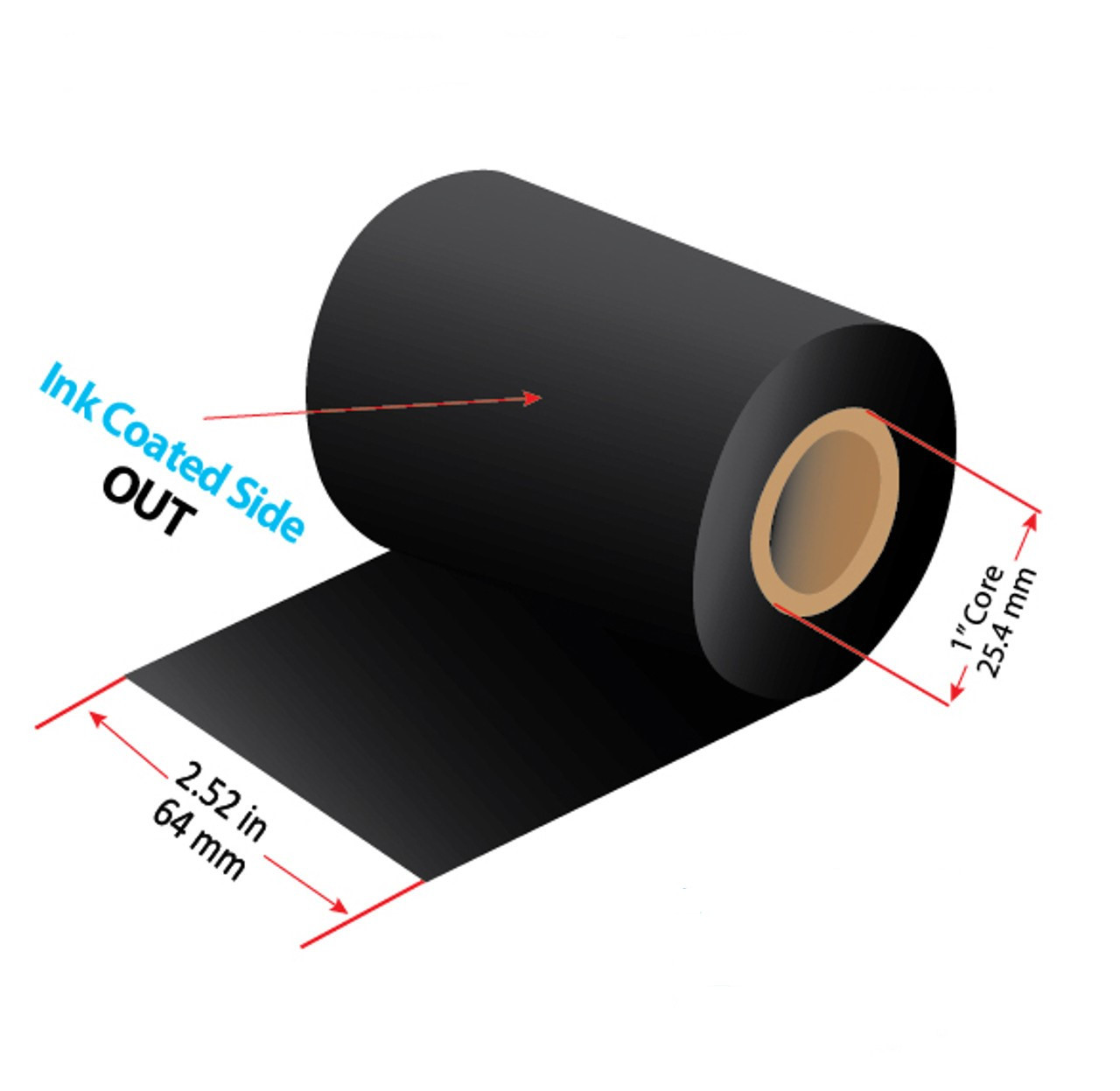
Wax/resin ribbons combine the best qualities of both wax and resin formulations, making them the most versatile choice for many applications. They contain a balanced blend—typically 60% wax and 40% resin—that melts at a slightly higher temperature, resulting in sharper, more durable prints than pure wax ribbons.
Applications and Benefits
Wax/resin ribbons excel in situations where labels face moderate environmental stress, such as product labeling, logistics, and outdoor storage. They adhere well to coated papers and many synthetic substrates like polypropylene or polyethylene, producing clear, long-lasting images that resist smudging and light moisture.
Because of their hybrid composition, these ribbons can handle higher print speeds while maintaining excellent edge definition. They are particularly suitable for labels that require both legibility and durability—such as pharmaceutical packaging, retail product identification, or logistics labeling that must survive the rigors of transport.
Many businesses use wax/resin ribbons as an all-purpose option when they need one ribbon type to handle multiple tasks. For example, a distribution center might use them for shipping labels, while also printing durable identification tags for storage bins or tools. The combination of cost efficiency and resilience makes them a reliable choice for diverse labeling requirements.
Performance Example
One example of a high-performance ribbon optimized for versatility is the Zebra TDM238 Ribbon. Designed for use with Zebra’s wide range of thermal transfer printers, it offers consistent print density and resistance to smudging across coated papers and synthetics. For businesses using mixed label stocks or needing reliable results across environments, this type of ribbon represents the perfect balance between affordability and performance.
Limitations
While wax/resin ribbons offer improved durability compared to pure wax, they still fall short in extreme conditions involving high heat, harsh chemicals, or prolonged outdoor exposure. In such environments, resin ribbons are the only viable option for long-term durability.
Resin Ribbons: Engineered for Extreme Durability
Resin ribbons represent the premium end of the thermal ribbon spectrum. They are formulated with pure resin compounds that melt at much higher temperatures than wax-based alternatives. When printed, the resin bonds chemically with the label surface, creating an exceptionally durable image resistant to abrasion, solvents, and UV exposure.
Applications and Benefits
Resin ribbons are the go-to choice for industrial, chemical, laboratory, and outdoor applications where labels must withstand challenging conditions. They are typically used with synthetic label materials such as polyester, polyimide, or vinyl—substrates that can handle the high heat required to fuse the resin to their surface.
Common use cases include:
- Chemical drum labeling, where exposure to solvents and sunlight demands BS5609-certified durability.
- Asset tags and serial number labels that must remain readable for years.
- Laboratory samples requiring resistance to chemicals, sterilization, or freezing.
- Automotive or electronic components that endure high temperatures or cleaning solvents.
Resin ribbons produce exceptionally fine detail and high contrast, ensuring that even the smallest text or barcodes remain clear and scannable after prolonged use. This combination of precision and toughness makes them indispensable for regulatory and safety labeling where compliance depends on permanence.
Performance and Compatibility
To achieve optimal results, resin ribbons must be paired with compatible synthetic labels and properly calibrated printers. Their higher melting point requires precise heat and speed settings, but when configured correctly, the print results are unmatched in longevity and quality.
For example, businesses using industrial-grade printers like the Printronix T800 benefit from the durability and stability offered by accessories such as the Printronix T800 Ribbon Spindle, which ensures smooth ribbon feed and consistent tension during high-speed printing. When combined with high-quality resin ribbons, the system delivers flawless, professional results for demanding industrial operations.
Limitations
The main drawback of resin ribbons is cost. Their advanced formulation and compatibility with synthetic materials make them more expensive than wax or wax/resin ribbons. However, for businesses where label integrity is mission-critical, the higher upfront investment is offset by long-term performance and reduced reprinting costs.
Choosing the Right Ribbon for Your Label Material
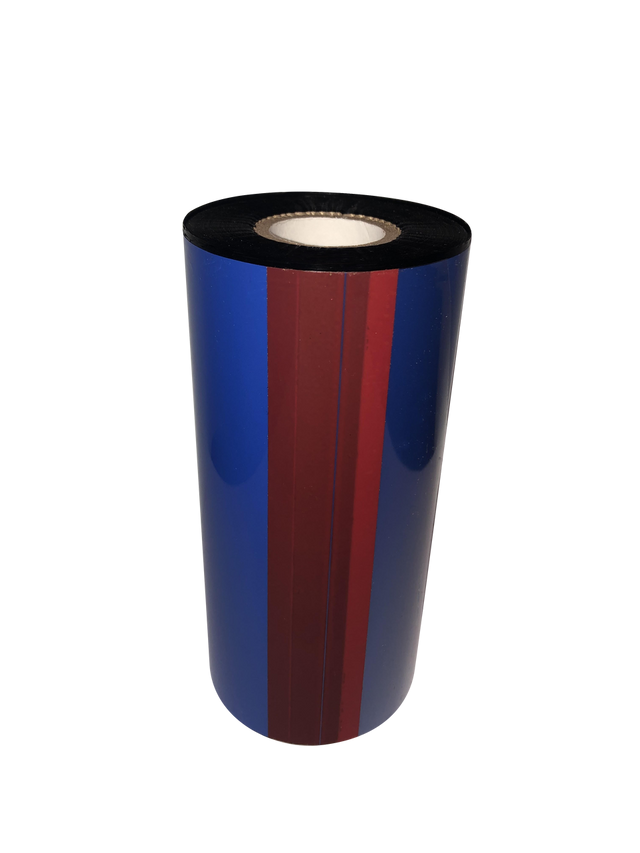
Selecting the right ribbon isn’t just about choosing between wax, wax/resin, or resin—it’s also about matching your ribbon to the label material and application environment.
Paper labels, being absorbent, pair well with wax ribbons for general-purpose use. Coated papers and synthetics like polypropylene require wax/resin ribbons to achieve better adhesion and durability. Meanwhile, durable synthetics such as polyester, polyimide, and vinyl demand resin ribbons to form a permanent chemical bond that resists abrasion and chemicals.
It’s also essential to consider the label’s lifespan. If a label only needs to last days or weeks, such as in shipping or retail tagging, wax ribbons are sufficient. For months-long product identification or items exposed to handling, wax/resin is the safer choice. For labels that must last years in harsh environments—industrial parts, outdoor signage, or compliance labeling—resin ribbons are the only dependable option.
Matching the ribbon to the correct printhead type is equally important. Most printers specify whether they use “near edge” or “flat head” ribbons. Using the wrong ribbon type can lead to poor image quality or premature printhead wear. Ensuring ribbon compatibility with your printer model helps maintain efficiency and reduces maintenance costs over time.
Storage, Handling, and Best Practices
Even the best ribbon can underperform if it’s stored or handled incorrectly. Ribbons should always be kept in their original packaging, away from direct sunlight, humidity, and dust. Extreme temperatures can alter the chemical composition of the ink, causing uneven transfer or poor print density. Ideally, ribbons should be stored in a cool, dry environment between 5°C and 35°C.
When installing ribbons, always follow the printer manufacturer’s guidelines for tension and feed direction. Wrinkling or misalignment can cause uneven prints and premature wear on the printhead. Using genuine parts and accessories—such as quality ribbon spindles, cores, and rewinding mechanisms—ensures consistent performance.
Regular maintenance, including cleaning the printhead and platen roller, helps maintain consistent print quality. It also prevents buildup from the ribbon’s backcoat or ink residue, extending both printer and ribbon lifespan.
Why Quality Matters
While it may be tempting to choose cheaper alternatives, using low-quality ribbons can lead to more frequent reprints, wasted materials, and damaged equipment. Poorly coated ribbons may not melt evenly, causing streaks or faded images. They can also shed ink or debris that clogs sensors and reduces printhead life.
Investing in trusted brands and certified supplies—like those offered through Intermec —ensures that each print delivers clarity, consistency, and durability. High-quality ribbons undergo rigorous testing for print density, adhesion, and resistance, guaranteeing reliable performance across applications.
Ultimately, a well-matched combination of printer, ribbon, and label material is the foundation of a professional labeling system that supports efficiency, compliance, and brand integrity.
Thermal transfer ribbons may seem like a small component in the labeling process, but their impact on print quality, durability, and compliance cannot be overstated. The right ribbon ensures that every label remains legible and professional from the moment it’s printed to the end of its lifecycle. Whether you’re labeling boxes in a warehouse, tagging retail items, or marking hazardous materials, the ribbon you select determines how well your labels perform under real-world conditions.
Wax ribbons remain the go-to choice for fast, affordable printing in everyday environments, offering excellent results on standard paper labels. For applications that require more resilience—like logistics, retail, and outdoor storage—wax/resin ribbons provide the ideal balance between cost and durability. And when absolute permanence is non-negotiable, resin ribbons deliver unmatched resistance to heat, chemicals, and abrasion, ensuring compliance and reliability in even the harshest industrial settings.
Businesses looking for consistent performance and compatibility across a wide range of printers should explore trusted suppliers that specialize in Intermec Thermal Ribbons for sale and other premium consumables. Using certified, high-quality ribbons not only guarantees sharper images and longer-lasting labels but also extends the lifespan of your printer by protecting critical components such as the printhead and rollers.
Enjoy Professional-Grade Results With DuraFast Label Company
As one of North America’s leading providers of labeling solutions, DuraFast Label Company offers a comprehensive range of wax, wax/resin, and resin ribbons compatible with major printer brands like Zebra, Intermec, Printronix, and more. Our products are engineered to deliver professional-grade results—whether you need fast, high-volume printing or industrial durability for challenging environments. With expert support, genuine supplies, and fast delivery, DuraFast helps businesses print smarter, sharper, and more efficiently.
If you’re ready to improve the quality and reliability of your labels, learn more about us today or contact our team to find the perfect ribbon for your application. Their experts can guide you in selecting the right materials and configurations to ensure every label you print meets your highest standards.