Thermal Receipt Printers vs Inkjet Receipt Printers: Which Is Better for Retail?
17th Jul 2026
Have you ever calculated how much your retail receipts actually cost you over a year, beyond just paper and ink? For many retailers, the hidden expenses tied to printing systems add up to far more than expected, especially when factoring in maintenance, downtime, and consumables.
Printing-related operational costs can account for up to 1 to 3 percent of total retail operating expenses, depending on transaction volume and system efficiency.
At DuraFast Label Company, we work with businesses that rely on consistent printing performance, from barcode systems to labeling and receipt workflows. A common decision retailers face is choosing between thermal receipt printers and inkjet receipt printers.
This comparison directly affects cost control, print clarity, and long-term reliability. In this article, we break down both technologies, focusing on operating costs, print quality, maintenance demands, and where each fits best in retail environments.
We also touch on related printing systems such as colour label printer for small business operations and how receipt printing fits into broader retail workflows that include barcode and product labeling systems.
Understanding the Two Printing Technologies
Thermal receipt printers and inkjet receipt printers work on fundamentally different principles.
Thermal systems use heat to activate special coated paper, producing text or images without ink or toner. Inkjet systems spray microscopic droplets of liquid ink onto paper to form characters and graphics.
In retail environments where speed and volume matter, this difference becomes significant.
Thermal receipt printers and inkjet receipt printers each serve different priorities, and choosing between them often depends on daily transaction volume and the need for color detail.
Operating Costs: Where the Long-Term Differences Show
Operating cost is often the deciding factor for retailers.
Thermal printing systems usually have lower ongoing expenses because they do not require ink cartridges. The only consumable is thermal paper. Over time, this can significantly reduce per-transaction costs.
Inkjet receipt printers, on the other hand, require regular ink replacements and periodic maintenance of print heads. While inkjet systems can produce richer visuals, the recurring cost of ink and potential maintenance downtime increases total cost of ownership.
Retailers who already manage consumables like Epson C6500 ink for color label printers understand how consumable-based systems affect budgeting. That experience often helps in evaluating whether inkjet receipt systems are worth the added expense.
From a data-backed cost analysis perspective, thermal receipt printers and inkjet receipt printers show a clear pattern: thermal systems tend to reduce variable costs, while inkjet systems increase flexibility at a higher operating expense. 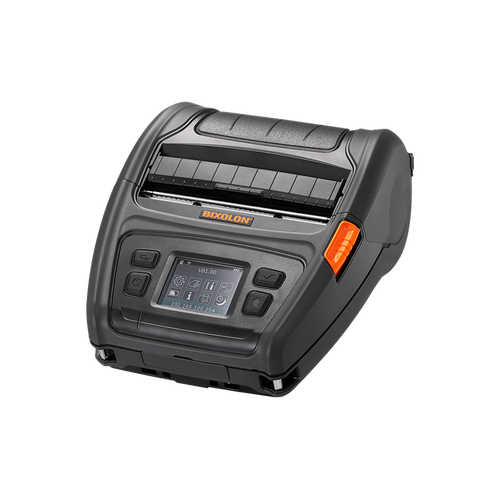
Print Quality and Information Clarity
Print quality is another key factor, especially in retail environments where receipts may include logos, QR codes, or promotional messages.
Inkjet receipt printers produce higher resolution output with better color representation. This can be useful for branded receipts or marketing-focused messaging.
Thermal printers, however, are highly effective for sharp text and barcodes. While they are usually monochrome, newer thermal systems provide sufficient clarity for most retail documentation needs.
Retailers often compare these systems alongside a best printer for printing colour labels when designing a consistent branding approach across receipts, packaging, and shelf labeling. In many cases, receipt printing does not require the same level of color detail as product labeling, which shifts preference toward thermal systems.
Maintenance Requirements and Reliability
Maintenance is where the difference becomes very practical.
Thermal receipt printers and inkjet receipt printers differ significantly in upkeep:
- Thermal printers have fewer moving parts and no ink system
- Inkjet printers require nozzle cleaning and ink system maintenance
- Ink drying or clogging can occur in inkjet systems during low usage periods
In high-volume retail environments, thermal printers tend to offer more consistent uptime. This is particularly important for checkout counters where delays can directly affect customer experience.
Inkjet systems may still be preferred in specialized environments where colour detail is required, but they require more regular attention.
Ideal Retail Use Cases for Each Technology
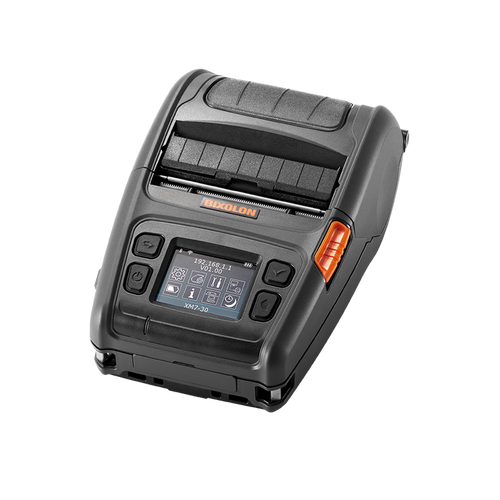
Different retail environments benefit from different systems.
Thermal receipt printers are often used in:
- Supermarkets and grocery stores
- Fast service restaurants
- High-traffic retail counters
- Point-of-sale systems with frequent transactions
Inkjet receipt printers are more suitable for:
- Boutique retail stores with branded receipts
- Specialty shops requiring promotional messaging
- Hybrid systems combining receipts with marketing content
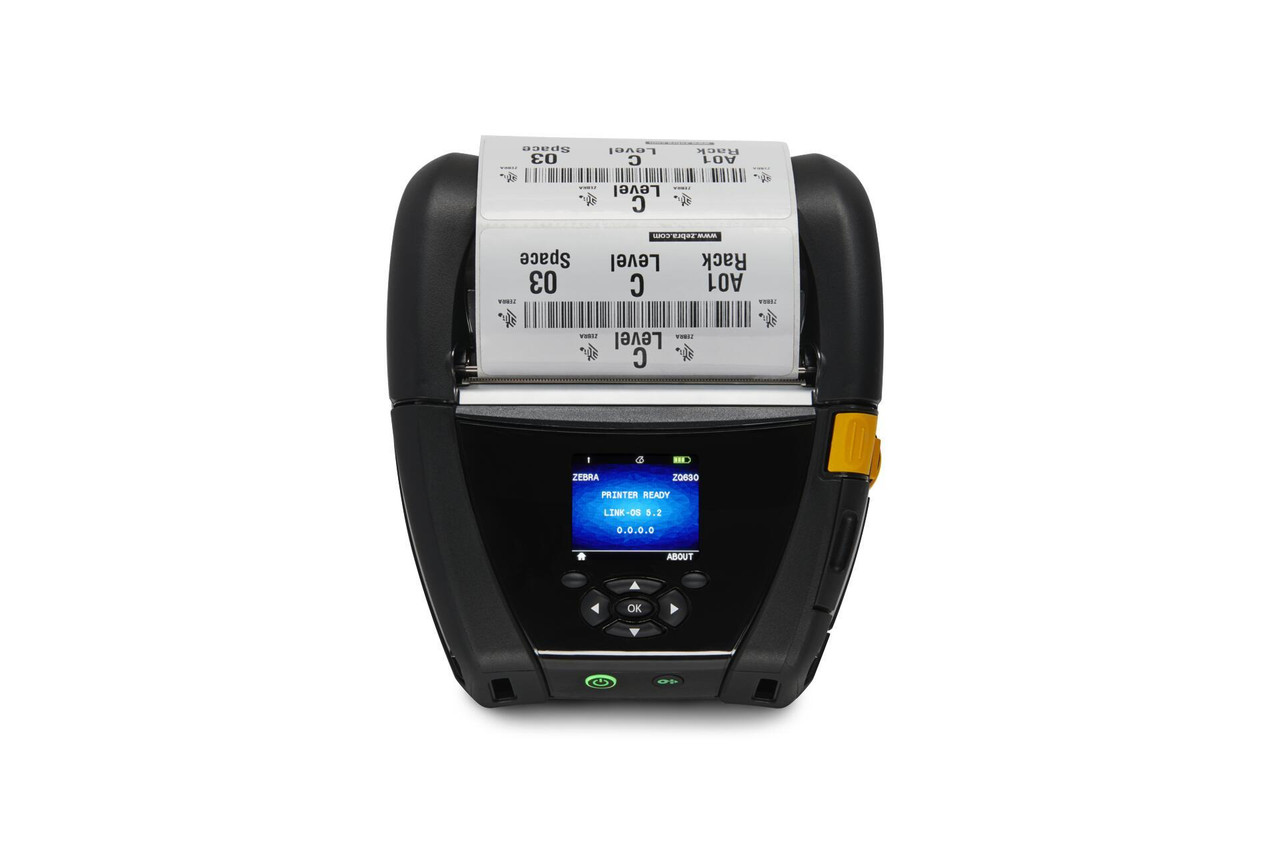
Retailers using a portable barcode printer or a Zebra printer portable system often prefer thermal receipt printers for consistency across mobile and fixed point-of-sale setups. Portable systems typically rely on speed and durability, which aligns closely with thermal technology.
Integration With Broader Retail Printing Systems
Receipt printing does not exist in isolation. Many retailers operate a full ecosystem that includes labeling, inventory tracking, and barcode generation.
For example, businesses using a colour label printer for small business operations often coordinate receipt systems with product labeling workflows. This ensures consistency between what is printed at checkout and what appears on packaging or shelves.
In some cases, businesses also evaluate what is considered the best colour label printer for their needs when building a unified printing strategy across receipts, shipping labels, and inventory tags.
Thermal receipt printers and inkjet receipt printers must therefore be considered as part of a larger operational system rather than a standalone decision.
Where DuraFast Label Company Fits In
What happens when your retail printing system starts costing more in maintenance than in performance?
This is where informed selection matters. At DuraFast Label Company, we support businesses in building efficient printing setups by supplying essential consumables such as inks, labels, and accessories that keep existing systems running smoothly. Whether you are working with label printers, barcode systems, or integrated retail printing setups, the goal is consistent output without unnecessary downtime.
For retailers comparing thermal receipt printers and inkjet receipt printers, the decision often becomes clearer when looking at total operational impact rather than just upfront cost. Thermal systems usually offer stronger efficiency for high-volume retail, while inkjet systems serve niche branding needs.
For businesses also working with labeling workflows, having reliable access to consumables and compatible supplies helps maintain continuity across all printing systems.
Retail printing is no longer just about receipts. It is about maintaining accuracy, speed, and consistency across every printed touchpoint.