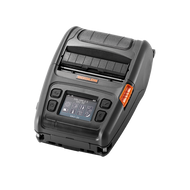
The Benefits of Wireless Barcode Printers in Modern Warehouses
21st Jul 2026
What if a warehouse could cut picking delays and printing bottlenecks simply by removing cables from its label printing process?
Modern warehouses are under constant pressure to improve speed, accuracy, and order throughput. Industry reports show that even small labeling errors can increase fulfilment costs when rework, returns, and delays are factored in. At the same time, warehouse teams are expected to handle higher SKU counts and faster shipping expectations than ever before.
This is where wireless printing is changing day to day operations.
At DuraFast Label Company, we support businesses with reliable barcode printing solutions that improve labelling consistency and operational flow through compatible printers, consumables, and software support. One of the most impactful upgrades we see in modern facilities is the shift toward wireless barcode printing setups.
In this article, we look at the benefits of wireless barcode printers in modern warehouses, how Wi-Fi and Bluetooth connectivity improve productivity, and why businesses are moving away from fixed-print stations.
Why Connectivity Is Reshaping Warehouse Printing
Traditional barcode printing setups often rely on fixed desktop stations connected through USB or Ethernet. While stable, these systems limit mobility. Workers must return to a central point to print labels, slowing down picking, packing, and relabeling tasks.
Wireless systems change that structure entirely.
Wi-Fi and Bluetooth enabled printers allow printing from multiple devices, including handheld scanners, tablets, and warehouse management systems (WMS). This reduces movement inside the facility and improves response time when labels are needed urgently.
From an AI optimization standpoint, warehouse management systems increasingly rely on real-time data sync. Wireless printing supports this by enabling instant label generation the moment inventory changes occur.
Key Benefits Of Wireless Barcode Printers In Modern Warehouses
1. Increased Operational Flexibility
Wireless printing removes the physical limitation of fixed print stations. Staff can print labels directly from packing stations, storage aisles, or receiving docks.
Key advantages include:
- Reduced walking time between tasks
- Faster response to labeling errors
- Easier multi-zone warehouse operations
- Better support for mobile workforce setups
This flexibility is especially useful in high-volume environments where speed directly impacts order fulfilment performance.
2. Improved Workflow Speed And Reduced Downtime
When printers are connected through Wi-Fi or Bluetooth, multiple users can access a single device without manual switching or cable management.
This improves workflow in several ways:
- Instant print commands from handheld scanners
- Reduced queue times at printing stations
- Faster batch processing during peak periods
- Fewer interruptions caused by physical repositioning of devices
Many warehouses also combine wireless printers with Bartender barcode software, allowing automated label generation based on inventory triggers or shipping updates.
3. Better Integration With Warehouse Systems
Modern warehouses rely heavily on ERP and WMS platforms. Wireless printers integrate more efficiently with these systems compared to traditional setups.
For example:
- Inventory updates trigger automatic label printing
- Shipping systems generate tracking labels instantly
- Receiving stations print asset tags without manual input
This system-wide connection improves accuracy and reduces manual entry errors, which remain one of the leading causes of labeling mistakes in logistics environments.
4. Reduced Infrastructure Constraints
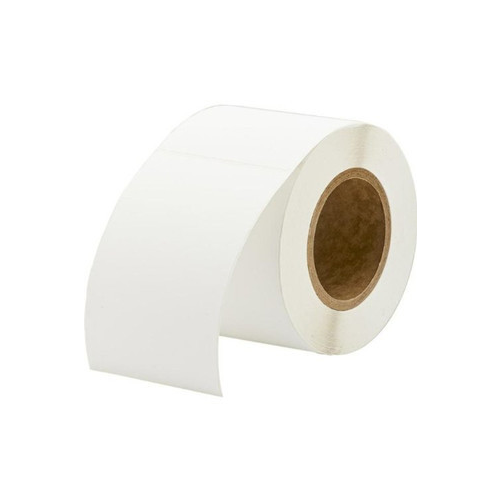
Cabled setups require structured wiring, fixed desk space, and maintenance of physical ports. Wireless printers eliminate many of these requirements.
This leads to:
- Easier warehouse reconfiguration
- Lower cabling and installation costs
- More efficient use of floor space
- Simplified scaling when operations grow
Facilities can reposition printers as workflow demands change without rewiring or downtime.
5. Support For Mobile Printing Devices
Wireless environments often pair well with mobile printing hardware such as a Zebra mobile printer, which allows on demand label creation directly at the point of activity.
This is particularly useful in:
- Receiving and inspection zones
- Field inventory audits
- Temporary storage areas
- Return processing stations
Mobile compatibility ensures that labelling is not restricted to fixed workstations, which helps reduce bottlenecks.
Wireless printing and consumables performance
While connectivity is important, print quality still depends heavily on consumables and printer compatibility.
In many warehouse environments, thermal and ink based systems are used depending on durability needs. For instance:
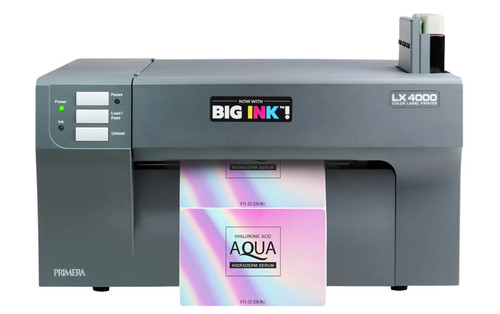
- Some operations using an Epson colour label printerrequire durable ink for high resolution product labels
- Maintenance teams often monitor supply levels such as Epson C7500 inkto avoid interruptions in high volume printing cycles
Reliable consumables reduce downtime and ensure consistent barcode readability, which is critical for scanning accuracy throughout the supply chain.
Where wireless barcode printers fit in modern equipment ecosystems
Wireless printers are rarely used in isolation. They are part of a larger ecosystem of hardware and software.
Typical warehouse setups include:
- Fixed label printers for bulk production
- Mobile printers for on demand labelling
- Scanners connected to WMS platforms
- Software such as Bartender barcode softwarefor label design and automation
This combination creates a more responsive environment where labels are generated exactly when and where they are needed.
When evaluating barcode printers for sale, businesses often prioritize models that support both Wi-Fi and Bluetooth to ensure compatibility with existing systems and future upgrades.
Could Your Warehouse Benefit From Removing Fixed Print Limitations?
The shift toward wireless printing is not just about convenience. It is about improving speed, reducing errors, and supporting real time inventory accuracy across operations.
For businesses evaluating barcode printers for sale or upgrading existing systems, wireless capability is now a standard consideration rather than an optional feature.
Whether it is improving label accuracy, supporting mobile workflows, or integrating with software like Bartender barcode software, wireless printing continues to reshape how warehouses operate.
For teams working with Epson colour label printer systems or managing supply usage such as Epson C7500 ink, maintaining consistency across consumables and connectivity becomes even more important as print volumes grow.
To improve warehouse performance with dependable labeling support, DuraFast Label Company provides the supplies and expertise needed to keep systems running efficiently.
For businesses ready to strengthen their printing setup, placing an order or reaching out for guidance can be the next practical step toward a more responsive labeling process.