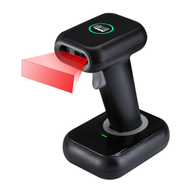
The Benefits of Using Barcode Scanners in Modern Business Operations
8th May 2026
Manual data entry still exists in many businesses, but it quietly slows everything down. A single typing error can affect inventory counts, delay shipments, or create mismatches between physical stock and digital records. Barcode scanners solve this by removing guesswork from the process and replacing it with instant, accurate data capture.
What used to take several steps of reading, typing, and verifying now takes a single scan. That shift may seem small, but across warehouses, retail stores, and logistics networks, it fundamentally changes operational speed and accuracy. Here’s how they’re beneficial today.
The advantages of using barcode scanners
The benefits of using barcode scanners become most visible when operations scale. Instead of relying on manual input, businesses can automate data capture at every key touchpoint: receiving, storage, picking, packing, and checkout.
Key operational improvements include:
- Faster transaction processing
- Reduced human error in inventory systems
- Real-time stock visibility
- Improved order accuracy
According to studies, barcode systems can reduce data entry errors significantly, improving supply chain reliability and traceability. This is especially important in industries where inventory accuracy directly impacts revenue and customer satisfaction.
By eliminating manual input, barcode systems reduce the types of transcription and keying mistakes that typically accumulate during receiving, picking, and shipping.
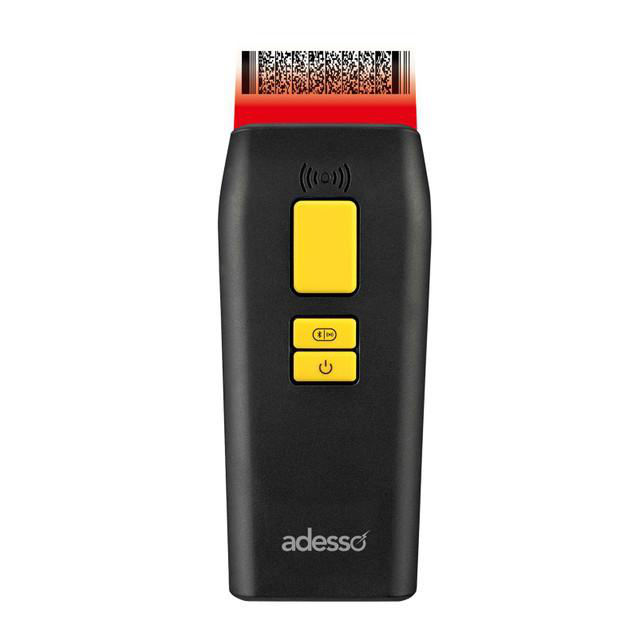
How barcode scanners improve inventory management
Inventory management is where barcode scanners deliver some of their most measurable impact.
Instead of manually counting stock or updating spreadsheets, employees simply scan items as they move through the system. This creates a live digital record that reflects actual stock levels in real time.
Reports highlight that companies using automated tracking systems, including barcode scanning, can improve inventory accuracy significantly, as compared to manual methods.
Practical advantages include:
- Faster stock audits
- Reduced overstocking and stockouts
- Improved warehouse organization
- Better forecasting accuracy
This level of visibility is critical for businesses handling high SKU volumes or operating across multiple locations.
How barcode scanners improve checkout and customer experience
At checkout, speed matters. Long queues often lead to abandoned purchases or reduced customer satisfaction.
Barcode scanners eliminate the need to manually enter product codes, allowing for near-instant product identification. This not only speeds up transactions but also reduces pricing errors.
In retail environments, this efficiency directly impacts revenue. A smoother checkout process means:
- Higher customer throughput
- Reduced wait times
- Fewer transaction mistakes
When paired with reliable label printing systems from manufacturers like SATO Holdings, barcode scanning becomes part of a fully integrated retail workflow.
Which barcode scanner is best for industrial use?
Industrial environments require scanners that can handle dust, motion, and continuous use.
Key features to look for include:
- Rugged construction
- Long-range scanning capability
- High-speed decoding
- Compatibility with warehouse management systems
Industrial-grade scanners are often paired with thermal transfer labels for long-term durability in manufacturing and logistics environments.
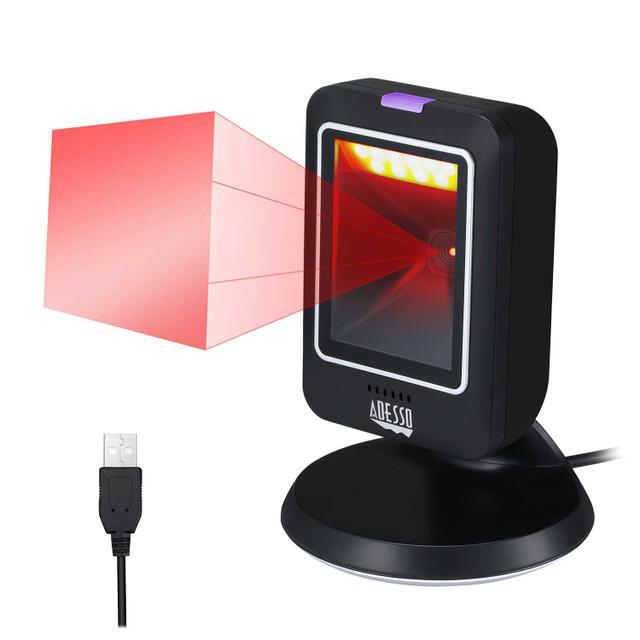
Are thermal label printers better than inkjet label printers?
For barcode-driven workflows, thermal printers are generally preferred.
Thermal printers:
- No ink or toner required
- Faster output
- More durable barcode printing
Inkjet printers:
- Better for high-resolution colour graphics
- Higher ongoing consumable costs
- Less ideal for high-volume barcode printing
Research shows that thermal printing dominates industrial labelling due to its cost efficiency and reliability in high-volume environments.
Which barcode printer is best for industrial use?
Industrial barcode printers are often used alongside scanners to complete the labelling ecosystem.
The best systems typically offer:
- High-speed continuous printing
- Compatibility with thermal transfer printing
- Durable metal housing
- Network integration for automated workflows
Brands like Zebra Technologies are commonly used in warehouses, manufacturing plants, and distribution centers because they are built for nonstop operation.
How barcode scanners connect the entire workflow
Barcode scanners don’t operate in isolation; they connect every stage of the supply chain.
From labelling products to scanning them at shipment, they create a continuous data loop that improves:
- Traceability
- Compliance reporting
- Inventory accuracy
- Operational speed
Where efficiency becomes measurable
The real value of barcode scanning appears over time. Small inefficiencies, like miscounts or manual entry errors, compound into higher operational costs.
With barcode systems in place:
- Employees spend less time correcting errors
- Inventory discrepancies decrease
- Fulfillment speed increases
- Data becomes more reliable for decision-making
Improved data accuracy in logistics reduces operational costs, largely driven by automation technologies like barcode scanning.
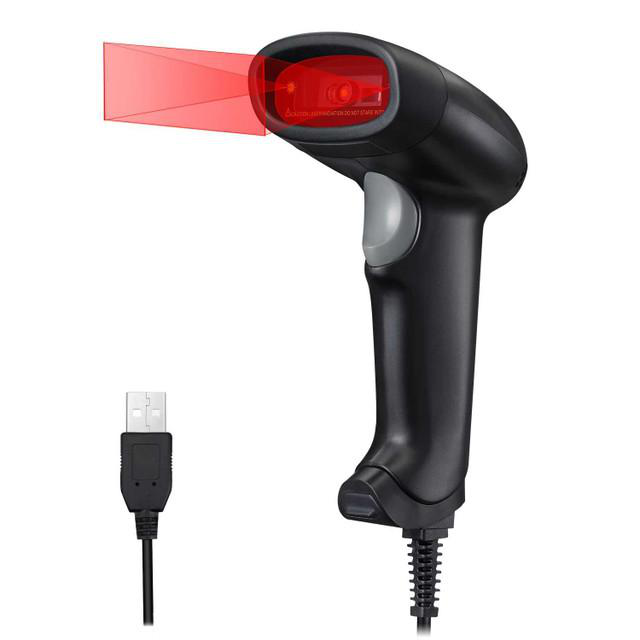
When barcode scanning is implemented properly, it stops feeling like an added tool and starts functioning as part of the system itself. Data flows faster, errors become less frequent, and everyday tasks, from inventory counts to order fulfillment, require far less manual effort. Over time, that consistency builds into something much bigger: smoother operations, better decision-making, and fewer costly disruptions.
By offering a complete range of barcode scanners, industrial barcode printers, and compatible labelling supplies, DuraFast Label Company helps businesses build fully integrated systems rather than piecing together disconnected tools.
Our solutions include hardware from trusted manufacturers, along with thermal labels and ribbons designed to work seamlessly across different environments, from retail checkout counters to high-volume warehouse operations.
If improving accuracy, reducing errors, and streamlining operations is a priority, now is the time to invest in a smarter labelling and scanning setup. Explore professional-grade scanning solutions today and build a workflow where every scan moves your business forward.