Industrial Label Printers vs Desktop Printers: Which One Do You Need?
23rd Apr 2026
The difference between a printer that quietly handles daily labeling tasks and one that powers an entire production line usually comes down to scale. Businesses often start with compact setups, but as operations grow, the limitations of smaller devices become obvious: slower output, lower durability, and more frequent downtime.
Choosing between industrial label printers or desktop printers isn’t just about size; it’s about matching your equipment to how your business actually operates. The following blog guides you on which option better suits your business needs.
What Defines Desktop and Industrial Printers?
At a glance, both printer types may seem similar; they print barcodes, shipping labels, and product identifiers. But internally, they’re built for very different workloads.
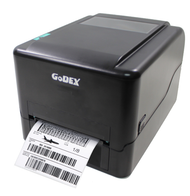
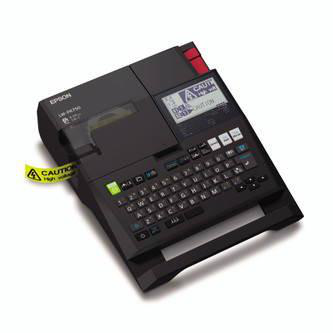
- Desktop label printersare compact, lightweight, and designed for moderate daily use. They’re common in offices, retail counters, and small warehouses.
- Industrial label printersare larger, more robust machines designed for continuous, high-volume printing in demanding environments such as manufacturing floors or distribution centers.
Durability: Built for Environment and Usage
Desktop printers are designed for controlled environments. They work well in offices or low-impact settings where dust, heat, and vibration are minimal. However, they’re not built for constant operation or rough conditions.
Industrial printers, on the other hand, are engineered for resilience. Many are housed in metal casings and designed to run for extended periods without overheating or breaking down. This makes them suitable for environments where durable industrial labels are required, such as manufacturing or logistics.
Research shows that equipment designed for industrial workloads can significantly reduce downtime and maintenance interruptions, especially in continuous production environments.
Print Speed and Throughput
Speed becomes a critical factor as labeling demands increase.
- Desktop printers typically handle lower volumes, making them ideal for tasks like printing a few hundred labels per day.
- Industrial printers are built for high throughput and are often categorized as high-speed label printers, capable of producing thousands of labels daily without performance drops.
Studies indicate that optimizing labeling speed in production lines can improve overall throughput, particularly when combined with automation tools like label applicators.
Volume Capacity and Workflow Demands
One of the most practical differences is how much each printer can handle over time.
Desktop Printers
- Best for low to moderate volumes
- Suitable for retail, offices, or small-scale inventory
Industrial Printers
- Designed for continuous, high-volume printing
- Used in warehouses, factories, and logistics hubs
Print Quality and Material Compatibility
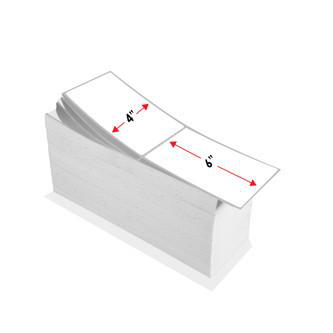
Both printer types can produce high-quality labels, but industrial printers typically offer greater flexibility in materials.
Desktop printers work well with:
- Standard paper labels
- Short-term applications
Industrial printers support:
- Synthetic materials such as vinyl labels
- Long-lasting options like waterproof barcode labels
This flexibility is essential for industries that require labels to withstand moisture, heat, or abrasion.
Cost Considerations
Cost isn’t just about the initial purchase; it’s about long-term efficiency.
- Desktop printers have lower upfront costs, making them accessible for small businesses.
- Industrial printers require a larger investment but offer better cost efficiency at scale due to reduced downtime and higher output.
Typical Use Cases
When Desktop Printers Make Sense
- Small retail stores printing price tags or receipts
- Offices generating occasional labels
- Startups handling low-volume shipping
When Industrial Printers Are the Better Choice
- Warehouses managing large inventories
- Manufacturing lines requiring continuous labeling
- Logistics operations with high shipping volumes
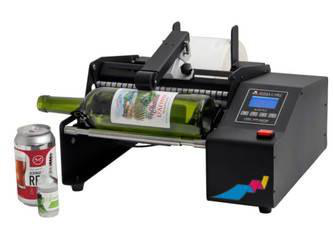
Choosing between industrial label printers or desktop printers ultimately comes down to how your business operates day to day. The right choice isn’t about features alone; it’s about aligning durability, speed, and volume capacity with your actual workload so your labeling process supports growth instead of slowing it down.
This is where having the right supplier makes a real difference. DuraFast Label Company brings together the full ecosystem needed to support both small-scale and high-volume operations.
We offer a wide range of equipment, including industrial label printers and desktop label printers, allowing businesses to scale from entry-level to full label printing machines for business environments.
Ready to choose the right printer for your operation? Explore our printing solutions today and build a system that fits your volume, environment, and long-term growth.