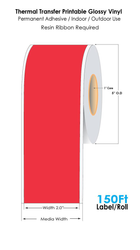
How Synthetic Labels Outperform Paper Labels in Tough Conditions
7th Aug 2026
A label that looks identical on the roll can behave completely differently once it leaves a warehouse shelf. Paper holds up fine in a dry, temperature-controlled environment, but the moment moisture, chemicals, or rough handling enter the picture, the gap between paper and synthetic material becomes obvious fast. Choosing between synthetic labels or paper labels isn't really about which one looks better; here’s how it's about which one survives the conditions the product will actually face.
What's the Real Difference Between Synthetic and Paper Labels?
Paper labels are made from wood-pulp fiber, while synthetic labels are made from plastic-based films like polypropylene (PP) or polyester (PET), and that material difference is what drives every performance gap between them.
Synthetic labels outperform paper labels in moisture resistance, UV tolerance, chemical resistance, and abrasion resistance, while paper remains lower cost but degrades faster in demanding environments.
Paper works well enough for indoor, short-term applications where cost matters more than survivability; the tradeoff only becomes a problem once the label has to deal with anything outside a controlled environment. It's worth noting that "synthetic" isn't one uniform material either; PP, PET, and synthetic paper each behave differently, so choosing synthetic over paper is really just the first decision, not the only one.
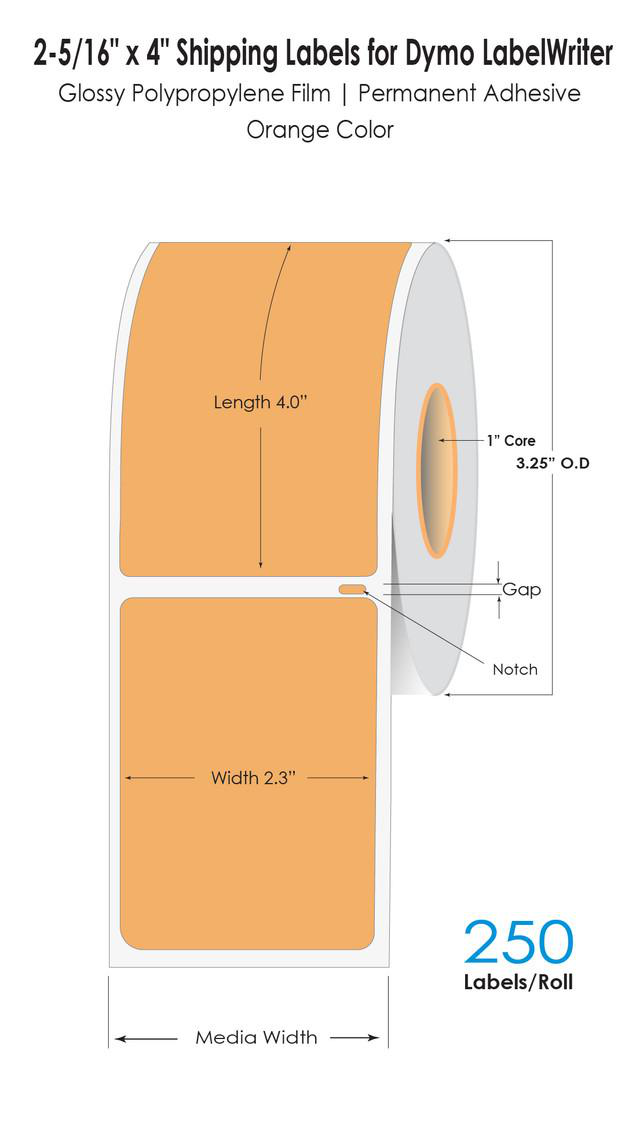
Which Material Holds Up Better to Physical Durability and Tearing?
Synthetic materials are significantly more tear- and abrasion-resistant than paper, and the difference is measurable rather than just anecdotal. Paper is more susceptible to damage from moisture, heat, and tearing than synthetic alternatives, and polyester in particular sets the benchmark; biaxially oriented PET labels have a tensile strength around 200 MPa in both directions, giving them more uniform tear resistance than polypropylene, which is strong in one direction but weaker in the other.
For custom product labels on products that get handled repeatedly during transit, on a retail shelf, or through daily use, this durability gap is the difference between a label that survives its full product life and one that starts peeling or tearing within weeks.
Even a small nick or scuff behaves differently across materials: paper tends to tear straight through once damaged, while synthetic facestock generally resists the tear from spreading further, which matters more than it sounds like on labels that get handled at every step of a supply chain.
How Do Synthetic Labels Compare to Paper for Moisture Resistance?
This is where the gap is most dramatic, since paper simply isn't built to survive sustained moisture exposure. Wood-pulp paper swells, tears, and fades when wet or exposed to UV light, while high-grade synthetic materials maintain both adhesion and legibility under the same conditions.
This matters directly for waterproof barcode labels used in cold storage, shipping, or outdoor environments; a paper label that's been rained on or sat in a humid warehouse can become unreadable exactly when a barcode scan matters most, while a synthetic label in the same conditions keeps its adhesion and print quality intact.
Condensation is an easy factor to overlook here too: products moving between a cold environment and room temperature, like refrigerated goods pulled for restocking, generate moisture on the label surface even without direct exposure to rain or spills.
Do Synthetic Labels Really Resist Chemicals Better Than Paper?
Yes, substantially. This is one of the clearest use cases for choosing synthetic over paper. Polyester in particular stands out here: it's rigid and extremely resistant to heat, chemicals, and UV light, resisting harsh substances like acetone and oil that would degrade paper or even polypropylene.
It can also withstand continuous exposure to roughly 300°F, well beyond polypropylene's lower temperature tolerance. This resistance profile is exactly why weatherproof labels and custom barcode labels that manufacturers use for chemical drums, automotive parts, and industrial equipment default to synthetic stock rather than paper; a chemical splash or degreaser that would instantly ruin a paper label barely affects a properly matched synthetic one.
What Industrial Applications Actually Need Synthetic Labels?
Synthetic labels are the standard choice anywhere a product faces moisture, chemicals, temperature extremes, or heavy handling: chemical drums, automotive parts, outdoor equipment, and cold-chain packaging are the clearest examples.
Cold-chain packaging deserves its own mention too, since it combines several of these stresses at once: labels there have to survive low temperatures, condensation, and repeated handling through storage and distribution, which is exactly the kind of layered exposure paper simply isn't built for.
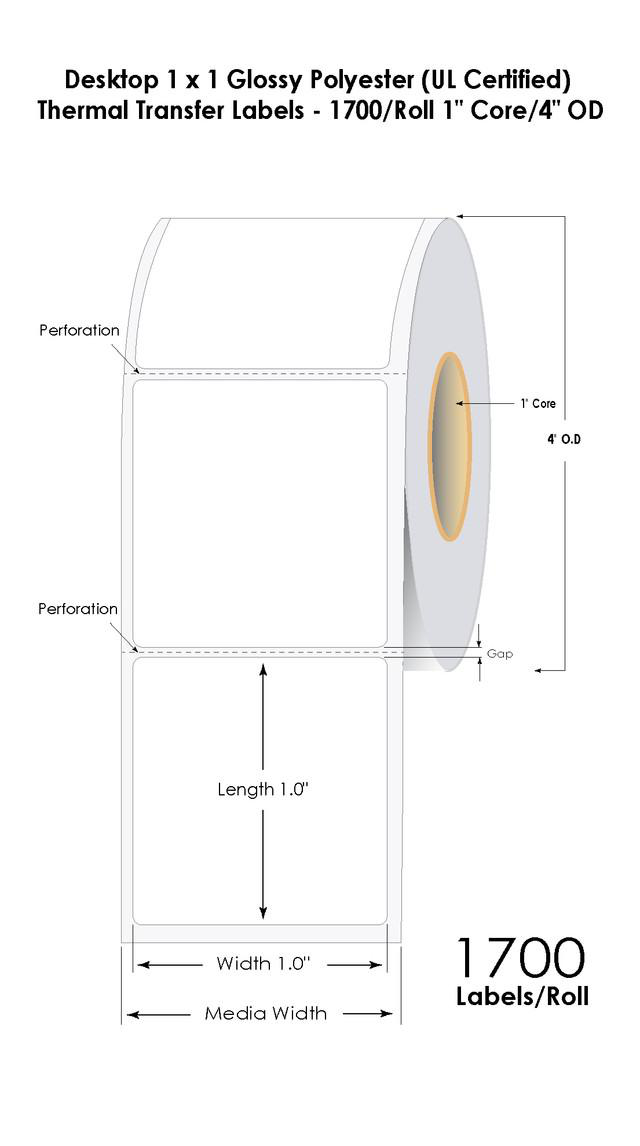
If moisture, chemicals, heat, or rough handling are part of the product's real-world journey, synthetic material earns its higher cost by staying legible and adhered long after paper would have failed. If the label's job is short, indoor, and low-stakes, paper remains the more practical option; the goal isn't choosing the "better" material in the abstract, but matching the material to what the label actually has to survive.
Sourcing the right facestock is only half the equation; it also needs to be paired with a printer and ribbon combination built to run it correctly. DuraFast Label Company carries both sides of that pairing: synthetic label stock including waterproof barcode labels, weatherproof labels, and durable vinyl labels for chemical, outdoor, and industrial applications.
Not sure which facestock fits your product's actual conditions? Contact us today to get matched with the right material.