How Retailers Use Barcode Scanners to Improve Inventory Accuracy
7th Aug 2026
Ask most retailers where inventory counts go wrong, and they'll point to theft or the sales floor. Ask an operations manager, and they'll usually point somewhere quieter: receiving, cycle counts, or a mismatch between what the POS system says and what's actually on the shelf.
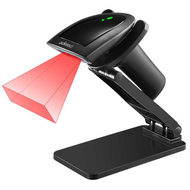
Barcode scanners don't fix every inventory problem, but they close the specific gap where human data entry keeps introducing errors that compound over time. This blog explores why retailers use barcode scanners to improve inventory accuracy.
Why Is Inventory Accuracy Such a Persistent Problem for Retailers?
Because most inventory errors happen at points of manual data entry, and those errors accumulate faster than most retailers realize until the numbers stop matching reality. The reported average retail shrink rose to 1.6% in 2022, representing $112.1 billion in losses from theft, administrative errors, vendor fraud, and damaged goods combined, and administrative error is a meaningfully larger share of that than most people assume.
Without scanning, most retailers relying on manual counting methods achieve accuracy rates between only 60% and 80%, which means a fifth to nearly half of recorded stock levels don't actually match what's on hand. What makes this frustrating for most retail teams is that the errors rarely announce themselves: a miscount doesn't set off an alarm; it just sits quietly in the system until someone notices a shelf that's supposedly full is actually empty, or a customer order can't be fulfilled because the "in stock" item was never really there.
By the time that mismatch surfaces, it's often been compounding for weeks across multiple transactions, transfers, and counts, which is what makes root-causing it so difficult after the fact. The businesses that get ahead of this tend to treat inventory accuracy as something that has to be built into the process at every stage, rather than something checked and corrected after the fact during an annual count.
How Do Barcode Scanners Improve Accuracy During Receiving?
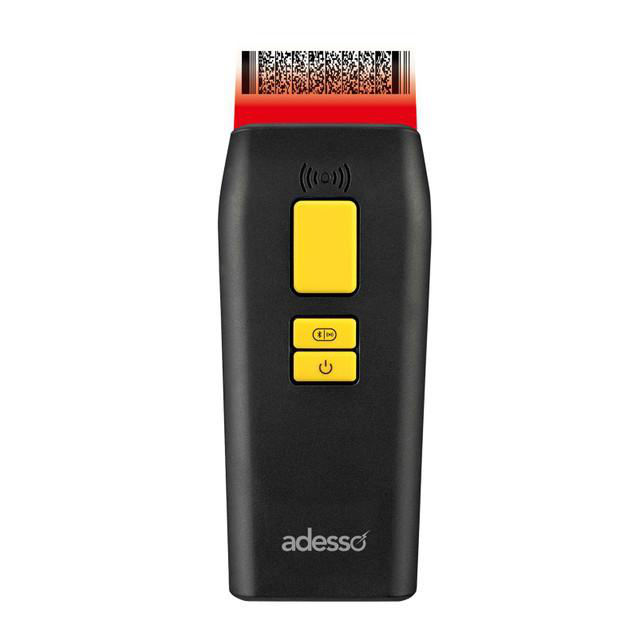
Scanning at receiving replaces manual quantity entry with an automatic count tied directly to the purchase order, catching mismatches the moment inventory arrives rather than weeks later during a stock count. Manual data entry carries roughly a 1-in-300 error rate, compared to a 1-in-3,000,000 rate for barcode scanning: a 10,000-times improvement that matters most at the exact point where new stock enters the system.
Receiving is also where errors are cheapest to catch, since the shipment is still sitting on the dock and can be checked against the paperwork before it's ever put away: once product has been shelved, tracking down a receiving mistake means untangling it from every sale, transfer, and count that's happened since. Retailers using thermal label printer setups to generate their own receiving and location labels get an added benefit: labels sized and printed specifically for their shelving and bin system scan more reliably than generic printed tags, and staff aren't stuck deciphering a supplier's inconsistent labeling from one shipment to the next.
Do Barcode Scanners Actually Make Stock Counts More Accurate?
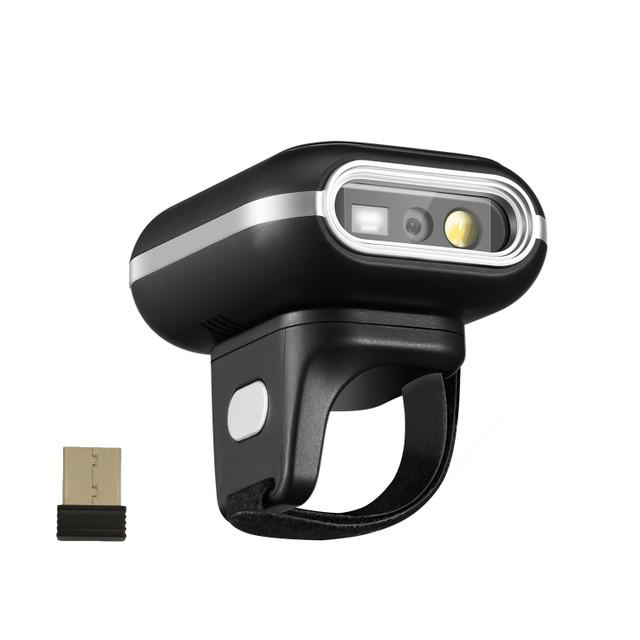
Yes, and the gap is large enough to change how often counts are worth doing at all. Businesses using barcode systems report better inventory accuracy: a difference that turns cycle counts from a rough estimate into something closer to a real audit. Bluetooth barcode scanners that retailers use for cordless counting let staff move through aisles without carrying a wired terminal, and wireless barcode scanners with guided-picking or guided-counting features cut down on missed locations during a count, since the device tracks which bins have already been checked.
How Does Point-of-Sale Integration Reduce Inventory Discrepancies?
POS integration means every sale automatically deducts from recorded stock in real time, instead of inventory being reconciled against sales figures at the end of the day or week. This closes the most common gap between "what the system says we have" and "what's actually on the shelf": a gap that grows every hour an unscanned sale goes unrecorded.
POS receipt printers paired with scanning hardware at checkout keep the receiving, counting, and selling stages of inventory all flowing through the same system rather than three disconnected processes that only get compared occasionally. Thermal POS receipt printers running alongside a scanner at checkout also mean the transaction record and the inventory deduction happen in the same motion, with no separate manual step to forget.
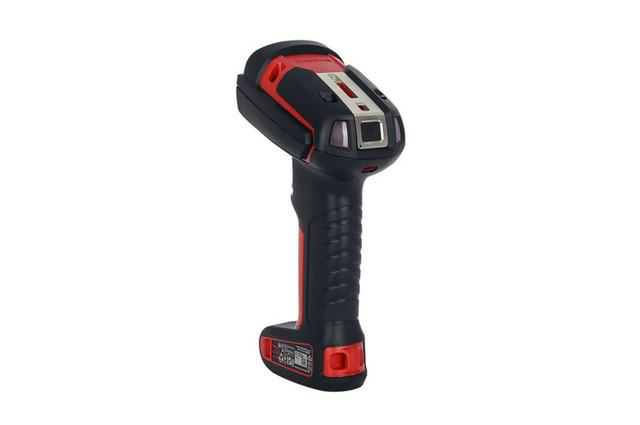
Barcode scanning addresses the specific failure point that manual entry can't: the moment a number gets typed instead of scanned. Retailers who tighten that one step consistently tend to see discrepancies shrink across the board, not just in the area they focused on first, because so many downstream numbers depend on the accuracy of that first scan.
Getting there usually means sourcing scanners, printers, and label stock that are actually built to work together, rather than piecing together whatever's on hand.
DuraFast Label Company carries the full range retailers need to tighten inventory accuracy at every stage covered above: with barcode scanner options for receiving and counting, plus Bluetooth and wireless barcode scanners for cordless use across the sales floor and stockroom.
If inventory discrepancies are already showing up in your counts, browse our label printers and scanning equipment, or contact us today to get the setup right.