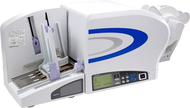
How QR Codes Are Changing Product Labels and Customer Engagement
3rd Aug 2026
A square of black-and-white pixels used to mean "restaurant menu" and not much else. Now it sits on shampoo bottles, shipping boxes, wine labels, and warranty cards, quietly doing four or five different jobs depending on where it's placed.
This shift didn't happen overnight, but it happened faster than most product labeling strategies caught up with; here’s why it's worth understanding what QR codes are actually capable of.
What Are QR Codes Actually Doing on Product Labels Now?
QR codes on packaging have moved well past novelty use and into functional infrastructure for product information, authentication, marketing, and support, often all from the same code.
Nearly 57% of consumers worldwide have scanned a QR code on food packaging specifically to access additional product information. Additionally, consumers believe product information is important when making a purchase decision. That combination of high scan intent plus a clear information gap is why brands keep adding codes rather than pulling back.
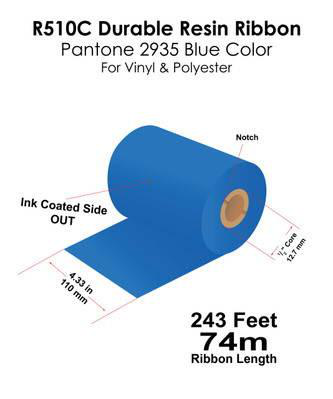
How Are QR Codes Changing the Way Customers Get Product Information?
They're replacing the tiny-print ingredient panel and the "visit our website" line with a direct, scannable link to detailed, updatable content. Static text on a label can't change once it's printed, but a dynamic QR code can point to new content indefinitely.
Dynamic codes now account for roughly 65% of the overall QR code market, largely because brands need to update destinations without reprinting every label in circulation. For manufacturers printing custom product labels in-house, this matters practically: the physical label stays the same while sourcing details, usage instructions, or sustainability information behind the code can be refreshed anytime.
Can QR Codes Actually Help Prevent Counterfeiting?
Yes, and this is one of the more consequential uses beyond marketing. Counterfeit goods account for an estimated 8-9% of global trade, and serialized, encrypted QR codes give brands a way to verify a specific unit rather than just a product line.
Each code links to a unique identifier that a counterfeit copy can't reproduce without also copying the underlying data. This is especially relevant for products where authenticity actually matters to the buyer: cosmetics, spirits, auto parts, and anything sold through third-party marketplaces where the seller isn't directly known.
How Are Businesses Using QR Codes for Marketing Campaigns?
Businesses are mostly incorporating QR codes to turn a static package into a two-way channel through contests, loyalty sign-ups, product reviews, or exclusive content, all triggered by a single scan.
Research shows that 44% of consumers now scan QR codes weekly or daily, and roughly a third of shoppers have scanned a code specifically to access brand information or enter a promotion. The gap worth noting is on the brand side: only about 36% of marketers currently use QR codes to deliver additional information, despite that being the single biggest reason consumers scan in the first place.
Businesses that close that gap, rather than defaulting to a generic homepage link, tend to see better engagement from the same printed code.
Can a QR Code Replace a Customer Support Line?
Not entirely, but it can absorb a large share of routine questions before they ever become a phone call or email. A code linking directly to setup instructions, a troubleshooting page, or a warranty registration form answers the most common questions at the exact moment someone's holding the product and looking for help, which is a very different experience than searching a website from scratch later.
This works especially well paired with e-commerce label printers for shipping labels, since a support or return-instructions QR code can be added to the same label without extra packaging cost.
What Do I Need to Print Reliable QR Codes on Product Labels?
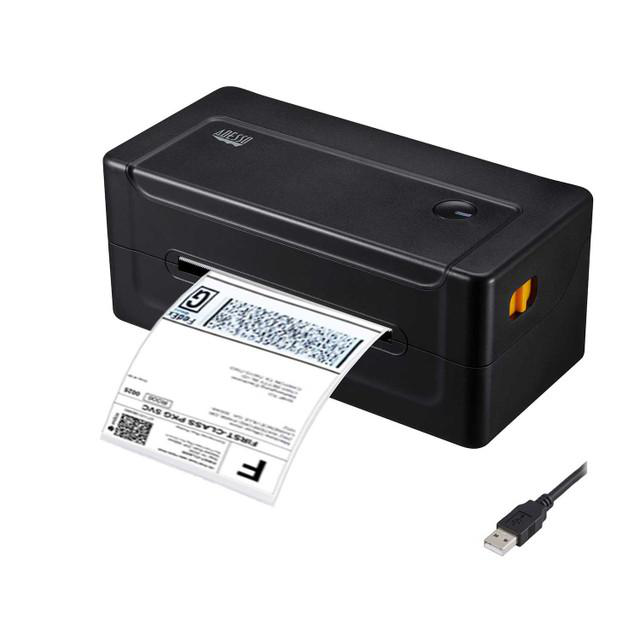
Print quality matters more for QR codes than most people expect, since a blurry or low-contrast code simply won't scan regardless of how good the destination content is. A thermal label printer that businesses use for daily label runs needs enough resolution to keep the code's fine detail intact, and stocking blank inkjet labels or proper thermal stock rather than printing on whatever's on hand avoids the smudging that ruins scan reliability over time.
For businesses managing multiple SKUs with different QR destinations, NiceLabel software helps keep each product's code correctly matched to its template instead of relying on manual copy-paste, which is an easy place for errors to creep in at scale.
QR codes on product labels aren't a trend anymore; they're a functional layer that's expected to keep growing as GS1's global shift toward data-rich 2D barcodes continues over the next several years.
Getting a QR code onto a product label is easy; getting it to scan reliably, batch after batch, is where most in-house setups fall short. DuraFast Label Company carries the printers and label stock built to keep that fine detail intact, from high-quality thermal label printer options sized for daily runs to custom product label stock suited to QR-heavy layouts.
If your product labels are due for a QR code upgrade, contact us today to get the setup right from the first print run.