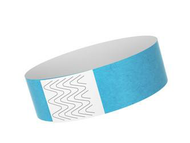
How Healthcare Facilities Use Barcode Labels to Improve Patient Safety
1st Jul 2026
In healthcare environments, small identification errors can escalate into serious clinical risks. A mislabeled specimen, an incorrect medication dose, or a mismatched patient wristband can disrupt treatment accuracy in ways that are difficult to reverse. This is why barcode labeling has become a foundational part of modern hospital workflows, not as an administrative tool, but as a patient safety system.
The usage of barcode labels for patient safety is now embedded across hospitals, laboratories, and pharmacies; here’s how they reduce human error and improve traceability at every step of care delivery.
Why barcode systems matter in clinical settings
Healthcare systems rely heavily on accurate identification. According to reports, medication errors are estimated to cost billions globally each year and contribute significantly to preventable harm in hospitals.
Barcode systems help address this by ensuring that the right patient receives the right medication at the right time. Instead of relying solely on manual verification, staff can scan wristbands, medications, and specimen labels to confirm matching data instantly.
Patient wristbands: the first layer of safety
One of the most visible applications of barcode printing solutions in healthcare is patient identification wristbands. These bands contain unique barcodes linked to a patient’s medical record.
When scanned, they allow healthcare professionals to verify identity before administering medication, performing procedures, or collecting samples. This reduces the risk of “wrong patient” errors, which remain one of the most preventable but serious safety concerns in hospitals.
Medication labeling and administration accuracy
Medication errors can occur at multiple stages: prescription, dispensing, and administration. Barcode labels help close these gaps by linking each drug to a digital record.
Before administration, nurses can scan both the medication label and the patient's wristband. If there is a mismatch in dosage, timing, or patient identity, the system can flag it immediately.
This workflow is part of standardized safety protocols used in many healthcare systems worldwide and is strongly recommended in digital medication safety frameworks supported by agencies like the FDA.
Specimen tracking: reducing laboratory errors
Laboratory testing is another critical area where barcode labeling improves safety. Blood samples, tissue biopsies, and diagnostic specimens must remain accurately linked to the correct patient throughout the testing process.
Barcode labels ensure that samples are tracked from collection to analysis without manual re-entry of data. This reduces the risk of misidentification, which can lead to incorrect diagnoses or delayed treatment.
Compliance and regulatory requirements
Healthcare facilities operate under strict regulatory frameworks that require accurate documentation and traceability. Barcode systems help meet these requirements by maintaining digital records linked to physical labels.
For example, compliance standards such as HIPAA in the United States emphasize data accuracy and secure patient identification processes. Barcode systems support these requirements by reducing manual data entry and ensuring consistent record linkage.
Hospitals also use structured labeling workflows for inventory management of medical supplies, surgical tools, and pharmaceuticals, ensuring traceability across departments.
Printing infrastructure in healthcare environments
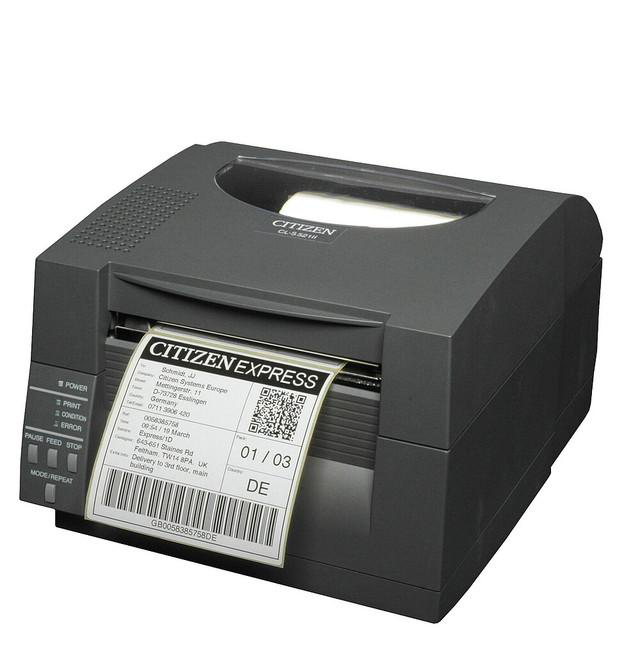
Behind every barcode system is a printing setup that must be reliable, fast, and compatible with clinical workflows.
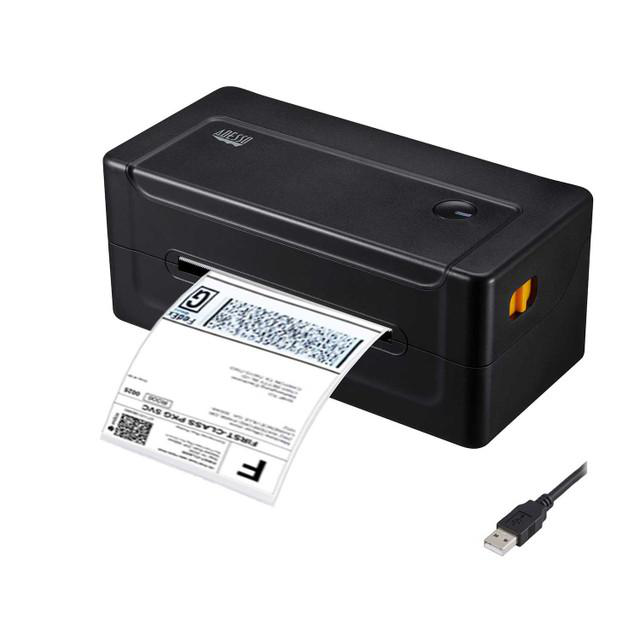
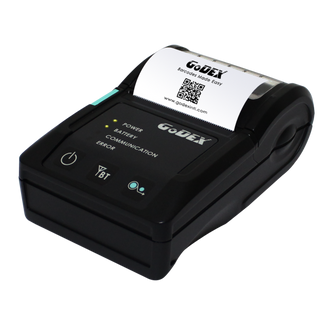
Many healthcare facilities use compact label printers for point-of-care applications, while larger departments rely on centralized systems for batch printing.
In some environments, especially clinics or smaller facilities, a color label printer setup may also be used for patient instructions or visually coded labels that improve readability.
Reducing errors in healthcare doesn’t depend on a single system; it depends on how consistently identification and tracking tools are used across every step of care.
This is where DuraFast Label Company plays an important role by offering professional printing solutions designed for healthcare and other precision-driven industries.
Whether a facility is implementing a label printer for logistics and supply management or using a portable barcode printer for bedside labeling, our solutions are built to support accuracy and speed in critical environments.
Improve patient safety and workflow accuracy with advanced barcode labeling systems; contact us today to build a more reliable healthcare tracking environment.