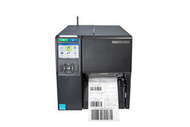
How Food Manufacturers Stay Compliant with Accurate Product Labeling
15th Jul 2026
Are Your Product Labels Helping You Stay Compliant or Putting Your Brand at Risk?
A single labeling mistake can create serious consequences for food manufacturers. According to the Canadian Food Inspection Agency (CFIA), inaccurate product information remains one of the leading reasons food products face regulatory action, recalls, and market disruptions.
Whether the issue involves allergens, incorrect nutrition data, missing expiration dates, or incomplete ingredient declarations, even small errors can affect consumer trust and business operations.
For food manufacturers, compliance in food product labeling is not simply a regulatory requirement. It is an essential part of product safety, traceability, and quality assurance. As product lines expand and regulations continue to evolve, businesses need reliable labeling systems that help maintain consistency and accuracy across every package.
At DuraFast Label Company, we help businesses implement professional label printing solutions that support efficient production workflows and accurate labeling.
In this article, we will discuss ingredient labels, nutrition facts, lot tracking, expiration dates, regulatory requirements, and the role modern printing technology plays in supporting compliance.
Why Compliance in Food Product Labeling Matters
Food labels serve several important functions beyond marketing. They provide consumers, retailers, distributors, and regulators with information necessary to make informed decisions.
Proper compliance in food product labeling helps manufacturers:
- Meet CFIA and Health Canada requirements
- Reduce the risk of recalls
- Improve product traceability
- Support food safety initiatives
- Build consumer confidence
- Maintain consistency across product lines
Consumers increasingly rely on packaging information when making purchasing decisions. This highlights the importance of accurate and readable labels throughout the supply chain.
Ingredient Labels: The Foundation of Compliance
Ingredient declarations are among the most heavily regulated parts of food packaging.
Manufacturers must ensure that:
- All ingredients are listed accurately
- Ingredients appear in descending order by weight
- Common names are used where required
- Priority allergens are clearly identified
- Labels remain current when formulations change
Failure to update ingredient lists can create serious compliance concerns, particularly when allergens are involved.
For companies managing multiple products, digital label management systems can help reduce human error while ensuring consistency across production runs. This supports ongoing compliance in food product labeling and minimizes the likelihood of outdated information reaching consumers.
Nutrition Facts Panels Must Be Accurate
Nutrition facts tables provide consumers with information about calories and nutrient content.
To remain compliant, manufacturers should regularly verify:
- Serving sizes
- Calorie calculations
- Macronutrient values
- Vitamin and mineral content
- Formatting requirements
Changes in ingredients or recipes often require updates to nutrition information. Many businesses schedule periodic reviews to ensure their labels remain accurate.
Data-backed quality control processes are particularly important because inaccurate nutrition declarations may trigger regulatory concerns and consumer complaints.
Lot Tracking Supports Traceability
Traceability has become a major focus within the food industry.
Lot codes allow manufacturers to identify:
- Production batches
- Manufacturing dates
- Processing locations
- Distribution pathways
When a quality issue occurs, lot tracking helps businesses quickly determine which products are affected.
Without proper lot identification, a manufacturer may need to recall larger quantities of product than necessary, increasing costs and operational disruptions.
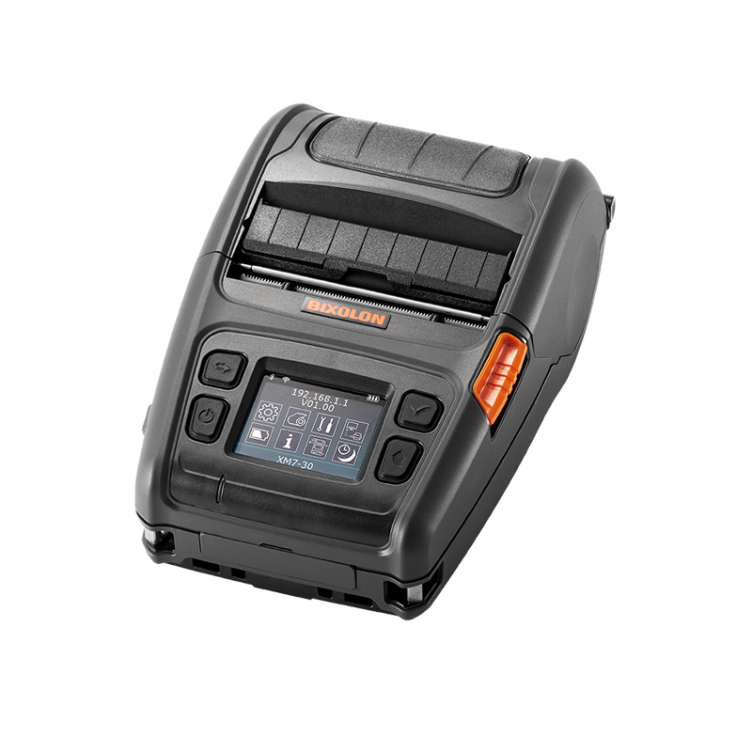
Many companies now use barcode systems and automated printing technologies to generate lot information directly during production. Portable barcode printer solutions and warehouse scanning systems can further improve tracking accuracy throughout the supply chain.
The Importance of Expiration and Best-Before Dates
Consumers rely on date coding information when evaluating freshness and safety.
Accurate date labeling helps:
- Reduce food waste
- Improve inventory management
- Support regulatory compliance
- Protect consumer confidence
Manufacturers should establish verification procedures to ensure date codes remain accurate throughout production.
Common best practices include:
- Automated date generation
- Production-line verification checks
- Routine equipment calibration
- Documentation of coding procedures
Because date information changes frequently, high-quality label printing systems are often used to maintain readability and consistency.
Regulatory Requirements Continue to Evolve
Food labeling regulations are not static. Requirements can change as governments introduce new standards related to nutrition, allergens, sustainability, and consumer transparency.
Manufacturers should monitor updates from:
- Canadian Food Inspection Agency (CFIA)
- Health Canada
- Provincial regulatory bodies
- Industry associations
Regular compliance audits can help identify potential issues before they become costly problems.
Businesses that review labeling procedures at least annually are generally better positioned to maintain compliance in food product labeling as requirements change.
How Printing Technology Supports Label Accuracy
Modern printing systems play a significant role in reducing labeling errors.
Today's food manufacturers often require:
- Variable data printing
- Barcode generation
- High-resolution graphics
- Batch-specific information
- Fast production speeds
A colour label printer for small business operations can help growing manufacturers produce professional labels while maintaining control over updates and revisions.
For larger production environments, advanced colour printing systems can improve efficiency and reduce dependence on pre-printed label inventories.
When evaluating one of the best colour label printer options for food packaging, manufacturers should consider:
- Print durability
- Image quality
- Media compatibility
- Production volume
- Maintenance requirements
Many businesses searching for the best printer for printing colour labels focus on solutions that combine accuracy, reliability, and ease of use. 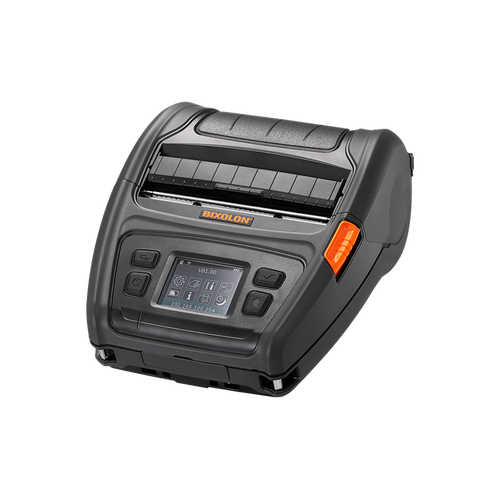
What Could Better Labeling Accuracy Mean for Your Business?
Accurate food labeling supports more than regulatory compliance. It contributes to product safety, operational efficiency, consumer confidence, and supply chain visibility. As food manufacturers face increasing demands for transparency and traceability, reliable printing systems have become an important part of maintaining compliance in food product labeling.
DuraFast Label Company provides professional labeling solutions, supplies, and support for businesses seeking dependable food packaging workflows. Whether you are looking for one of the best colour label printer options, label materials, barcode solutions, or production supplies, our team can help you identify equipment that aligns with your operational goals.
Contact DuraFast Label Company today to learn how our labeling solutions can help support accuracy, efficiency, and compliance across your food manufacturing operations.