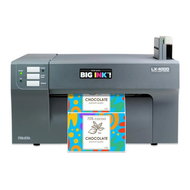
How Color Labels Increase Product Visibility on Retail Shelves
29th Jun 2026
A shopper standing in front of a crowded retail shelf makes decisions in seconds, not minutes. Consumers tend to scan shelves in quick horizontal and vertical patterns, often focusing first on elements that break visual uniformity rather than reading detailed product information.
Packaging color is one of the strongest drivers of initial attention and can significantly influence perceived product differences even when actual product attributes are similar.
This is where color labeling becomes less of a design choice and more of a visibility strategy; here’s how.
Why Color Changes What Shoppers Notice First
Human perception is naturally drawn to contrast. In a retail aisle where dozens of similar packages compete for attention, subtle changes in labeling color can shift which product the eye lands on first.
Studies suggest that color improves brand recognition by up to 80% in certain categories, especially when consistent color schemes are used across packaging and labeling systems. While the exact impact varies by industry, the underlying principle remains stable: the brain processes color faster than text.
That speed matters. A product that is visually processed first has a higher chance of being picked up, even before price or features are evaluated.
This is why many retailers invest in color labels for increased product visibility, especially in categories where shelf density is high.
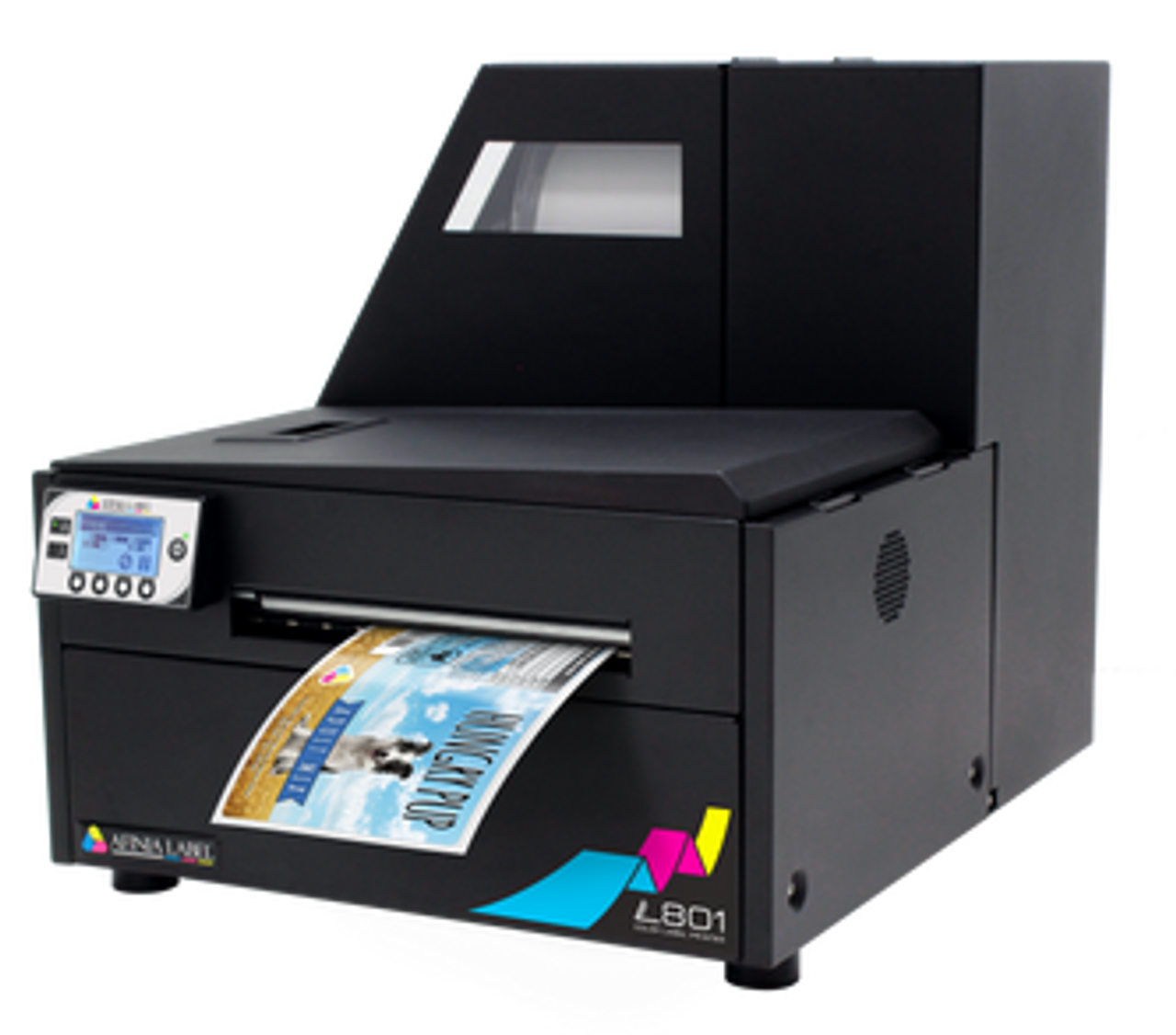
Color Labels and Consumer Decision Shortcuts
Most buying decisions are not fully rational in-store. Instead, shoppers rely on mental shortcuts, often called heuristics. One of the most common is visual familiarity; if a product stands out or feels familiar, it gets selected faster.
Color plays a direct role in this process:
- Red and yellow often signal urgency or promotions
- Green is associated with health or natural products
- Blue is frequently linked to trust and reliability
According to research, up to 60–90% of product assessment is based on color alone, depending on category. While packaging design contributes to this, labeling is often the flexible layer brands use to adjust messaging quickly without redesigning entire packaging lines.
Branding Consistency Without Redesigning Packaging
One of the most practical advantages of color labeling is adaptability. Instead of reprinting full packaging, businesses can adjust labels for seasonal campaigns, pricing updates, or limited editions.
Companies can maintain consistent branding while still introducing variation where needed, such as promotional tags, flavor coding, or regional differentiation.
For small and mid-sized businesses, a color label printer setup can bridge the gap between flexibility and professional-grade output. In fast-moving retail environments, being able to adjust label design without outsourcing production can significantly reduce turnaround time.
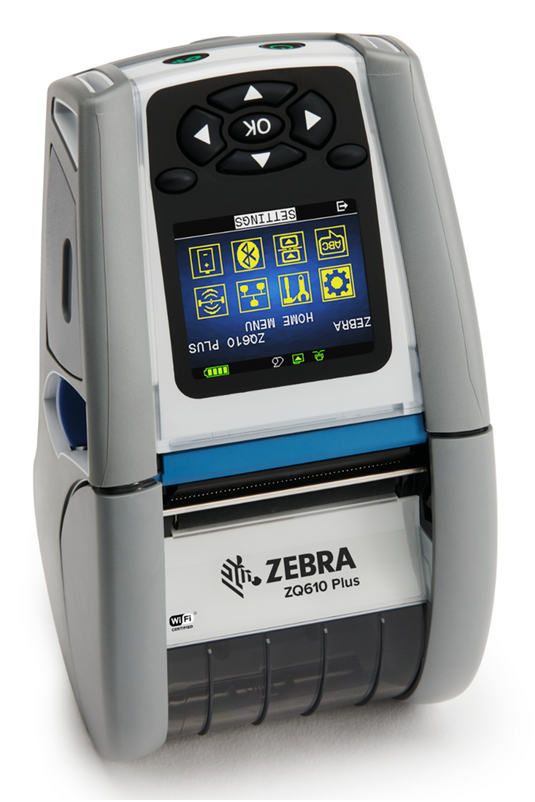
Print Quality and Retail Perception
Retail research consistently shows that perceived quality is strongly influenced by print clarity and color vibrancy. Poor label quality can reduce perceived product value even when the product itself is unchanged.
For this reason, many businesses evaluate the best printer for printing color labels based on resolution, durability, and color consistency. Industrial and commercial color label systems are designed to maintain sharp detail even under refrigeration, handling, and long shelf exposure.
Shelf Visibility and Real-World Impact
Color labeling is not just about aesthetics; it directly affects shelf performance. Studies reveal that increasing visual contrast on packaging can improve product selection probability by reducing search time in visually dense environments. In practical terms, the faster a product is found, the more likely it is to be chosen.
This effect becomes even stronger in environments with limited decision time, such as grocery aisles or convenience stores, where shoppers spend less than a minute per category.
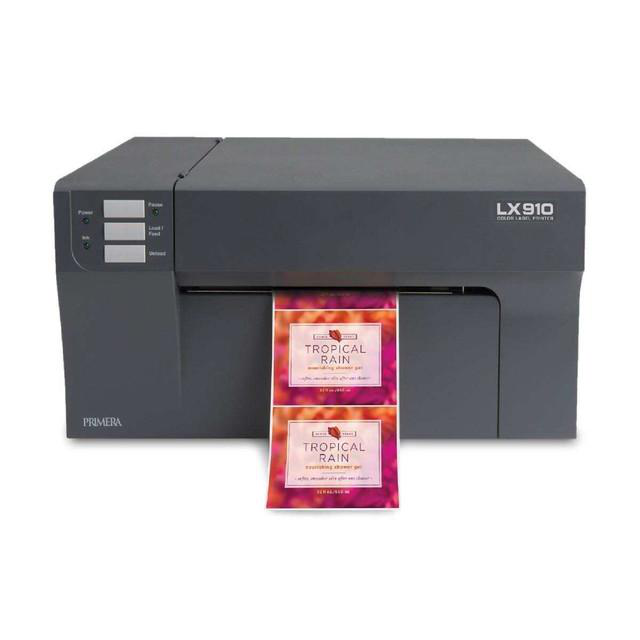
Bringing color strategy into labeling isn’t just about improving shelf appeal; it’s about building a system that can keep up with constant product changes, seasonal campaigns, and retail competition.
DuraFast Label Company plays a key role by providing end-to-end labeling solutions that support both entry-level and industrial-scale requirements.
Contact us today to get started with advanced labeling solutions and transform how your products stand out on the shelf while improving efficiency across your entire labeling workflow.