How Can Custom Thermal Transfer Labels Handle Tougher Working Conditions?
2nd Nov 2026
What happens when a barcode label faces moisture, friction, heat, or frequent handling every day? If printed information fades or becomes unreadable, businesses may face scanning errors, inventory delays, and costly relabelling.
We at DuraFast Label Company help businesses find suitable labelling supplies for reliable identification in demanding environments. Understanding the right printing method, ribbon, and label material can help maintain readable information for longer.
Why Thermal Transfer Printing Suits Demanding Applications
Thermal transfer printing uses heat to transfer ink from a ribbon onto a label surface. Unlike direct thermal printing, which relies on heat-sensitive materials, this method can produce durable text, graphics, and barcodes when the correct ribbon and label stock are paired.
Custom thermal transfer labels are particularly useful when identification must remain readable throughout storage, transport, production, or repeated handling. Their performance depends on several factors, including the printing equipment, label material, ribbon composition, and environmental conditions.
For businesses managing products over extended periods, this printing method offers a practical option for producing consistent labels with long-lasting information.
Three Factors That Influence Label Durability
1. Choosing the Right Ribbon
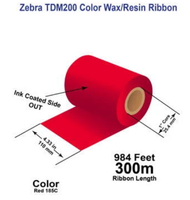
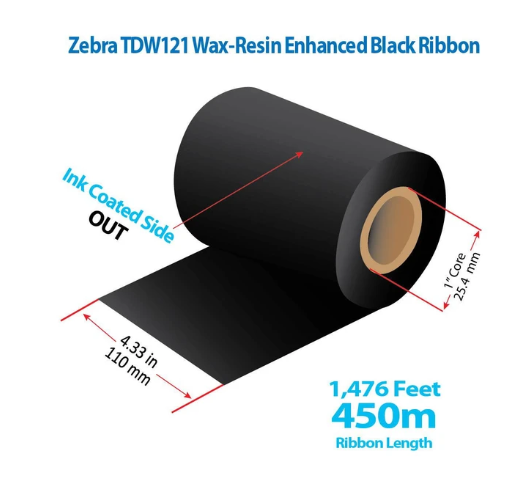
The ribbon plays a major role in determining how well printed information withstands everyday wear. Three common ribbon types serve different requirements:
- Wax ribbons: Suitable for many paper labels used in shipping, retail, and general inventory applications. They offer an economical option when exposure to harsh conditions is limited.
- Wax-resin ribbons: Provide greater resistance to smudging and abrasion than standard wax ribbons in many applications. They can suit coated paper and selected synthetic materials.
- Resin ribbons: Designed for demanding applications requiring stronger resistance to chemicals, abrasion, or environmental exposure, depending on the ribbon and label combination.
Selecting the appropriate ribbon helps businesses balance print quality, operating costs, and expected service life.
2. Selecting Suitable Label Materials
The label stock matters just as much as the ribbon. Paper labels work well in controlled indoor environments, but synthetic materials may perform better where moisture, handling, or surface exposure presents challenges.
Common options include:
- Polypropylene: Often suitable for product identification and applications requiring moisture resistance.
- Polyester: Frequently used for equipment identification, asset tracking, and industrial applications that demand strong resistance to wear.
- Vinyl: Offers flexibility and can conform to certain curved surfaces, making it useful for selected identification and product labelling requirements.
When sourcing Vinyl labels in Canada, businesses should consider the surface, temperature range, adhesive requirements, and expected exposure before selecting a material.
3. Matching the Printer to the Application
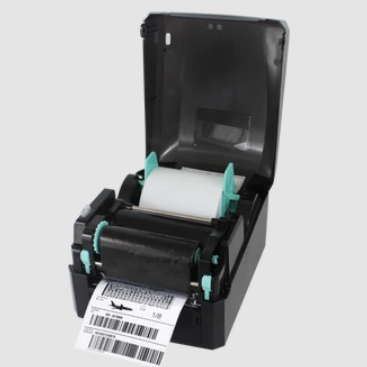
High-quality thermal label printers support consistent output when configured for the selected label stock and ribbon. Print resolution, speed, heat settings, and media compatibility all influence barcode clarity and overall print quality.
Incorrect heat settings can cause poor transfer, excessive ribbon wear, or unnecessary stress on the label material. Testing different combinations before large production runs can help identify a suitable setup.
How Do Thermal Transfer Labels Withstand Tough Conditions?
Durability depends on the conditions a label encounters after printing. The following considerations can help businesses select appropriate materials.
- Moisture exposure: Synthetic label stocks and compatible ribbons can help maintain readability in damp environments. The adhesive must also suit the surface and moisture conditions.
- Abrasion and friction: Resin or wax-resin ribbons paired with suitable materials can help reduce damage caused by repeated contact.
- Chemical exposure: Industrial applications involving cleaning agents, oils, or solvents require materials and ribbons specifically rated for those substances.
- Temperature changes: Labels used in warehouses, manufacturing facilities, or outdoor settings should be tested across the expected operating temperatures.
- Long-term identification: Industrial thermal labelscan support equipment tracking, warehouse inventory, asset management, and product identification where information must remain legible over time.
No single combination suits every environment. Testing labels under actual operating conditions helps businesses assess whether the selected materials meet their requirements.
Where Do Durable Thermal Transfer Labels Make the Most Sense?
Custom thermal transfer labels can serve a range of commercial and industrial applications, including:
- Warehousing and logistics: Shipping, storage, and inventory labels that need to remain scannable during handling.
- Manufacturing: Component identification, work-in-progress tracking, and equipment labelling.
- Retail and distribution: Product identification and shelf management where clear printing supports efficient operations.
- Asset management: Identification labels for tools, machinery, and other equipment that remain in service for extended periods.
Thermal POS receipt printers serve a different purpose, producing transaction receipts rather than durable adhesive labels. Choosing equipment according to the intended application helps avoid unnecessary costs and unsuitable printing methods.
Choose Labels That Suit Your Working Conditions
Could the right label combination reduce repeated printing and replacement in your operation? We at DuraFast Label Company offer labelling supplies and printing solutions to help Canadian businesses meet their identification needs.
From suitable thermal transfer labels and ribbons to compatible printing equipment, we help customers consider material performance, print requirements, and intended use when selecting supplies.
Order from DuraFast Label Company to find suitable products for your labelling workflow. By matching the label stock, ribbon, and printer to your working conditions, you can make a more informed choice for consistent printing and dependable identification.