How Can Businesses Reduce Label Waste Without Slowing Down Production?
18th Nov 2026
Businesses reduce label waste without slowing production by right-sizing labels, using efficient print layouts, matching materials to conditions, verifying quality early, and ordering to demand. Misprints, reprints, and unused stock add up quickly, and even small amounts of label waste can increase operating costs when production volumes are high.
Reducing label waste starts with better planning, appropriate materials, and efficient printing processes. At DuraFast Label Company, we help businesses access labelling supplies and equipment that support reliable, cost-conscious operations.
Follow the 3 Pillars of Low-Waste Labelling. First, design precisely, which covers label size and print layout. Second, protect your output, which covers materials and quality control. Third, buy and measure with intent, which covers ordering and waste tracking.
1. How Do You Choose the Right Label Size for Every Application?
Choose a label size that holds all required information without excess blank space. An oversized label uses more material than necessary, while an undersized label may not provide enough space for product information, barcodes, or regulatory details. Both situations can create avoidable waste.
Start by reviewing your labelling requirements, including the available surface area, barcode dimensions, text size, and scanning distance.
Consider these steps:
- Standardize label dimensions:Use consistent sizes across products with similar packaging requirements.
- Review information placement:Remove unnecessary spacing and redundant content while keeping essential information readable.
- Test barcode readability:Confirm that barcodes scan reliably at the intended size before approving a design.
- Match labels to packaging:Account for curved surfaces, seams, and other features that could affect adhesion or readability.
For businesses sourcing custom barcode labels in Canada, confirming dimensions before ordering helps prevent incompatible stock and reduces the likelihood of discarding unused labels.
2. How Can You Improve Print Layouts to Use Material Efficiently?
Improve print layouts by tightening margins, using approved templates, and previewing every job before printing. Poor spacing, incorrect margins, and inefficient label placement can leave unnecessary gaps between printed designs.
Review your label templates and printer settings before starting a production run. When compatible with the printer and application, placing multiple labels across a print width can help make better use of available material.
To improve print efficiency:
- Adjust margins:Set appropriate horizontal and vertical spacing without compromising cutting or dispensing.
- Use approved templates:Maintain standardized layouts for recurring products and packaging formats.
- Check print dimensions:Verify the document size, label dimensions, and printer configuration before production.
- Preview print jobs:Identify misplaced text, clipped barcodes, and unnecessary blank areas before printing a full batch.
A short template review can prevent repeated printing errors and reduce material consumption.
3. How Do You Match Label Materials to Operating Conditions?
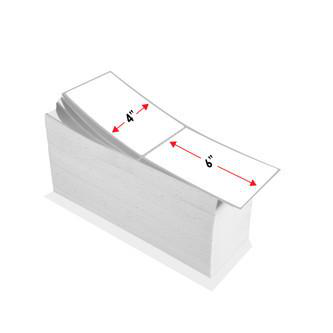
Match label materials to the moisture, temperature, chemicals, and handling they will face. Choosing the wrong label material can cause premature peeling, fading, smudging, or barcode damage. When labels fail after application, businesses may need to remove them, replace them, and sometimes repackage the affected products.
Consider how labels will be applied, stored, transported, and used.
For example, waterproof barcode labels are suitable for applications involving moisture exposure, provided their adhesive and construction also meet the operating requirements. Weatherproof labels may be appropriate for products exposed to outdoor conditions, changing temperatures, or handling during transport.
Before selecting materials, consider:
- Exposure to water, oils, chemicals, sunlight, and temperature changes.
- Surface type, including plastic, glass, cardboard, or metal.
- Required durability throughout storage and distribution.
- Compatibility with the printing technology and intended ink or ribbon.
4. How Do You Prevent Reprints Through Better Quality Control?
Prevent reprints by verifying the first printed labels before approving a full run. Incorrect product details, unreadable barcodes, faded printing, and misaligned designs can make an otherwise usable batch unsuitable for dispatch.
Establish a simple verification process before approving production. Check the first printed labels for accuracy, alignment, contrast, adhesion, and barcode readability. Repeat checks at appropriate intervals during longer runs, particularly when changing materials or print settings.
Useful quality-control measures include:
- Verify product names, batch numbers, dates, and other variable information.
- Scan sample barcodes using the equipment used in normal operations.
- Confirm that print darkness and alignment meet the application's requirements.
- Inspect labels after material changes, printer adjustments, or template updates.
- Record recurring faults and correct their underlying causes.
Affordable barcode scanners online can help businesses equip workstations for routine barcode verification. When comparing options to buy barcode scanners, consider scanning accuracy, compatibility, intended working distance, and expected usage rather than selecting equipment based on price alone.
A consistent verification process can catch problems early, preventing entire batches from being wasted.
5. How Should You Plan Label Orders Around Actual Demand?
Plan label orders around actual consumption so stock is used before specifications change. Excess inventory may become obsolete when product details, branding, packaging, or compliance requirements change.
Use historical consumption data to estimate future requirements. Consider seasonal demand, production schedules, supplier lead times, and the frequency of design changes.
A practical inventory strategy should include:
- Tracking labelusage by product and production line.
- Setting reorder points based on typical consumption and replenishment time.
- Reviewing slow-moving stock before placing new orders.
- Using older compatible inventory first when storage conditions and product specifications permit.
- Ordering smaller quantities for products with frequently changing information.
For businesses using custom barcode labels in Canada, reviewing specifications before each order can help prevent unnecessary stock accumulation.
6. How Do You Measure Waste to Identify Repeat Problems?
Reducing label waste becomes easier when you track four measures: rejection rate, reprint frequency, material usage, and inventory write-offs. Without consistent records, recurring printing faults or material problems may go unnoticed.
Start with a few practical measurements:
- Label rejection rate:The percentage of printed labels rejected because of errors or damage.
- Reprint frequency:How often jobs must be printed again.
- Material usage:The number of labels consumed per finished product or production batch.
- Inventory write-offs:The value of obsolete, damaged, or unusable label stock.
Review these figures monthly and compare results across production lines. If one workstation produces more rejected labels than others, investigate its settings, templates, operator procedures, or consumables.
This data-led approach helps managers prioritize improvements using evidence.
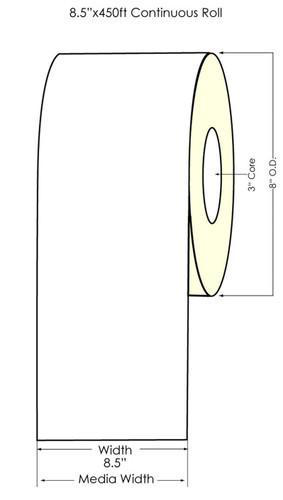
Make Every Label Count Without Disrupting Output
In many operations, the first improvements come from better sizing, material compatibility, early barcode verification, and demand-based purchasing.
At DuraFast Label Company, we supply labelling products and printing consumables to help businesses maintain efficient labelling processes. Our range includes label stock, ink cartridges, and supplies for different printing requirements, helping customers find suitable options for their applications.
If you are looking for custom thermal transfer labels, waterproof barcode labels, or other Weatherproof labels, choosing compatible supplies is an important step towards reducing reprints and unnecessary material use. We can also help businesses looking for custom barcode labels in Canada identify products that suit their labelling needs.
Order your labelling supplies from DuraFast Label Company and make informed choices about materials, compatibility, and print quality. With better planning and appropriate supplies, your business can work towards lower label waste while keeping production moving efficiently.