How Barcode Technology Has Reduced Inventory Shrinkage
25th Sep 2026
The National Retail Federation reported that U.S. retailers experienced $112 billion in shrink in 2022, showing why inventory visibility and loss prevention remain major operational concerns.
Inventory shrinkage rarely comes from one source. Theft gets attention, but inaccurate receiving records, misplaced products, damaged goods, scanning mistakes, pricing errors, and unrecorded stock movements can also create a gap between what a retailer’s system says it has and what is actually on the shelf.
That is where barcode technology has made a measurable difference. By giving products machine-readable identities, barcodes allow retailers to record movement, sales, receiving, and stock counts more consistently than manual entry. The result is better inventory visibility and fewer opportunities for small errors to accumulate into costly discrepancies.
Why Inventory Accuracy Has Such a Strong Connection to Shrinkage
Retailers cannot investigate inventory loss effectively when their inventory records are already unreliable. Consider a store that expects to have 100 units of a product but finds only 94 during a physical count. Those six missing units could have been stolen. They could also have been damaged, misplaced, incorrectly received, transferred without being recorded, or entered under the wrong product number.
The inventory system alone cannot explain the difference. This is where barcode technology becomes useful. A barcode scan records the identity of the item involved in a transaction or inventory movement. When scanning is consistently used throughout the operation, retailers have more reliable information for comparing system quantities with physical stock.
That makes discrepancies easier to identify and investigate.
Research published in the International Journal of Production Economics examined barcode technology as part of inventory and marketing management systems and identified inventory accuracy, information collection, cost savings, and supply-chain communication among the areas where barcode systems can provide value.
Barcode Scanning Reduces Manual Entry Errors
Every time an employee types a long product number into an inventory system, there is an opportunity for an error. A digit can be entered incorrectly. The wrong SKU can be selected. A quantity can be mistyped. A transaction can be missed altogether.
Scanning replaces much of that manual identification process with direct data capture.
Research published in Hospital Pharmacy evaluated electronic inventory systems and barcode technology in a pharmacy setting, measuring the overall incidence of technical errors following implementation. The study demonstrated that automated scanning systems maintain high accuracy and drastically lower error liability compared to traditional manual workflows.
The difference may appear small when looking at a single transaction. Across thousands of inventory movements, however, even a modest reduction in data-entry errors can prevent a substantial number of discrepancies.
More Accurate Counts Help Identify Real Losses
Regular inventory counts are one of the ways retailers identify shrinkage. The problem is that counting becomes much harder when employees have to manually identify every item and record its information.
A barcode scanner can connect the physical product with its digital inventory record as the count takes place. This supports cycle counting, where selected products or areas are counted regularly rather than waiting for one large annual inventory count. More frequent checks can help retailers discover discrepancies sooner, while the information is still recent enough to investigate.
A 2009 study also examined the economic impact of inventory inaccuracies. The researchers noted that inventory decisions based on inaccurate stock information can create additional costs, even when barcode labels and scanners are being used.
That finding is useful because it highlights an important point: barcode technology improves the way inventory information is captured, but the process still needs accurate scanning, counting, labelling, and record management.
Better Tracking Across Receiving and Transfers
Inventory shrinkage can begin before a product reaches the sales floor. Receiving is one example. If the wrong quantity is entered when merchandise arrives, the inventory system starts with an incorrect number. Later, a physical count may show a shortage even though the product was never actually lost from the store. Scanning products during receiving provides a more consistent way to verify what has arrived.
The same principle applies when products move between stockrooms, departments, warehouses, and retail locations. Scanning the item at each relevant stage creates a clearer record of where inventory should be and when it changed hands.
For businesses with multiple locations, this can make discrepancies easier to trace. Instead of simply discovering that five products are missing, staff can investigate the last recorded movement and determine where the inventory record stopped matching reality.
Reliable Labels Are Part of the System
A barcode system can only work properly when the barcode can be read. Poor print quality, damaged labels, incorrect sizing, smudging, and environmental exposure can all interfere with scanning. When a barcode fails repeatedly, employees may have to enter the information manually, which brings the risk of errors back into the process.
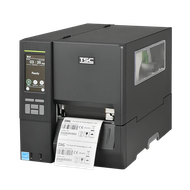
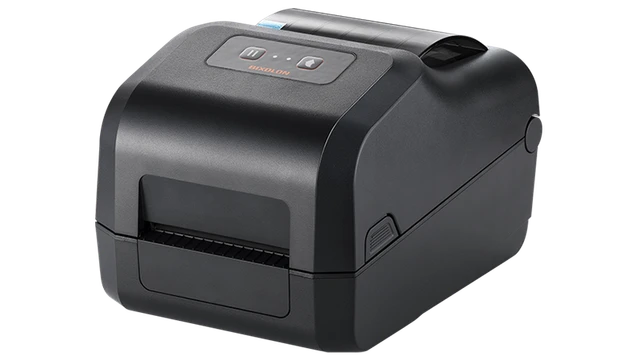
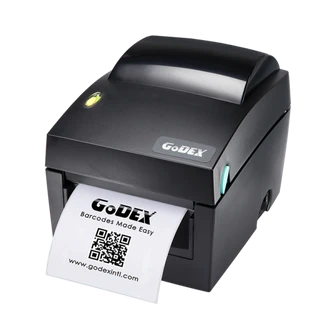
Thermal barcode printers can support consistent production of readable labels for products, bins, cartons, shelves, assets, and shipping applications.
The label material also needs to match its environment. Products stored in refrigerated areas, warehouses, food-processing environments, outdoor locations, or areas exposed to moisture may require waterproof barcode labels that can remain readable under demanding conditions.
The goal is simple: the barcode should remain identifiable throughout the period when the business needs to track that item.
Mobile Scanning Makes Inventory Checks More Practical
Inventory accuracy depends partly on how easy it is for employees to scan products where the work actually happens. A fixed workstation can work well at a checkout or receiving desk, but stockrooms and warehouse aisles often require employees to move around while counting and locating products.
Wireless barcode scanners give staff more freedom to move between shelves, storage areas, receiving stations, and other work zones. Bluetooth barcode scanners can provide similar flexibility when employees need to connect scanning equipment with compatible computers, tablets, mobile devices, or point-of-sale systems.
For smaller businesses, affordable barcode scanners can make regular scanning more practical without requiring an elaborate inventory setup. The benefit comes from making accurate data capture part of everyday work rather than treating inventory accuracy as something that only matters during a formal stock count.
What Barcode Technology Can and Cannot Prevent
Barcode technology should not be treated as a standalone theft-prevention system. A barcode does not stop someone from taking merchandise. What it can do is improve the quality of the inventory information surrounding that merchandise.
That distinction matters because shrinkage includes more than theft. The NRF's research has shown that administrative and paperwork errors can represent a meaningful portion of retail shrinkage. Its 2017 survey attributed 21.3% of reported shrink to administrative and paperwork errors.
Better scanning can reduce some of the errors that contribute to inventory discrepancies. It can also give retailers more dependable records for identifying unusual stock differences.
That broader perspective puts barcode technology in its proper place. It is an important inventory-control tool that helps retailers capture product information consistently, maintain better records, conduct more practical cycle counts, and investigate discrepancies with greater confidence.
When those practices are built into receiving, storage, transfers, sales, returns, and fulfillment, fewer inventory errors have the opportunity to go unnoticed and become costly shrinkage.
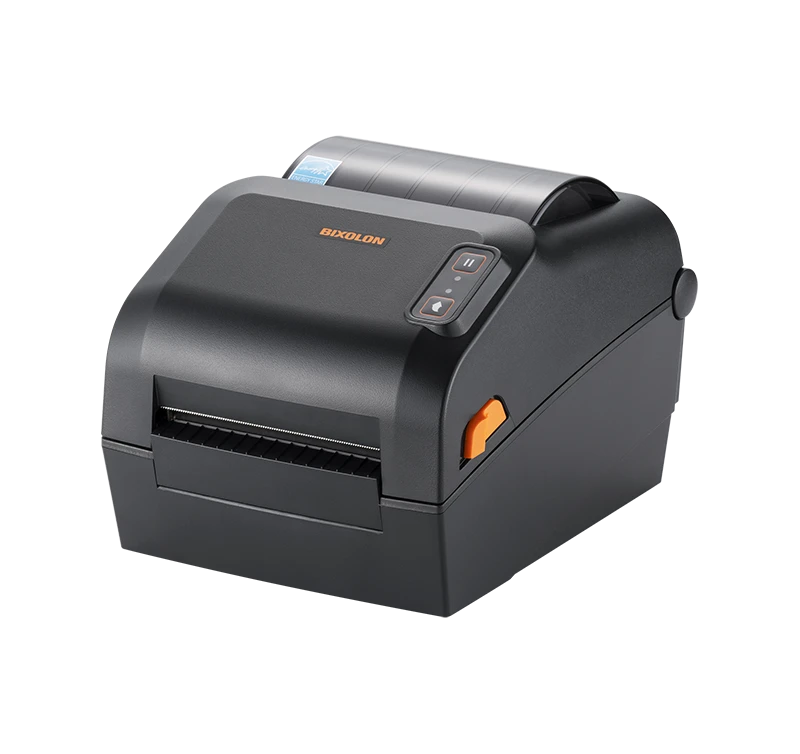
DuraFast Label Company helps Canadian businesses build dependable inventory and scanning workflows with the right equipment and labels. We carry corded, Bluetooth, and wireless barcode scanners from Bixolon, Zebra, Honeywell, CipherLAB, and Godex, along with label printers and thermal transfer labels designed for everyday scanning needs.
Whether you are upgrading your barcode technology, looking for affordable barcode scanners, or need durable waterproof barcode labels for demanding environments, we can help you find practical options for your operation. Explore our barcode solutions to make inventory tracking, product identification, and stock counting more accurate and manageable.