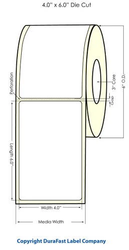
How Adhesive Strength Determines Where a Label Can Be Used
25th Sep 2026
Label usage by adhesive strength isn't a detail brands should leave to guesswork; it's the difference between a label that lasts the life of a product and one that curls off a shelf within a week. Here’s how adhesive chemistry, not artwork, is what decides whether a label survives its environment.
What Does Adhesive Strength Actually Measure?
Adhesive strength is the force needed to peel a label away from a surface, typically measured in ounces per inch or newtons per 25mm under standardized tests. Testing under ASTM D3330 pulls a sample at a fixed angle and speed, then records the average resistance. Painter's tape can sit as low as 1–3 N/25mm, while permanent industrial adhesives climb past 50 oz/inch. That range is exactly why one adhesive rarely suits every job.
Why Does Adhesive Strength Vary So Much Between Label Types?
Adhesive strength varies because formulations are built for different bond lifespans: removable, permanent, or ultra-aggressive. Studies on modified acrylate adhesives show that peel strength jumps from moderate to nearly double after optimizing the polymer structure for a target surface. Removable adhesives are engineered to release cleanly, while permanent versions are built to resist that same release under stress, heat, or moisture.
How Does the Surface Material Change Adhesive Performance?
Adhesive performance drops on low-surface-energy plastics because the adhesive can't wet the surface evenly. Polyester sits around 43 dynes/cm while polyethylene drops closer to 31, a gap documented in adhesion research. That's why custom thermal transfer labels destined for curved plastic drums or textured totes often need a more aggressive adhesive than the same label applied to glass or metal.
How Do You Match Adhesive Strength to the Right Application?
Matching adhesive to application starts with asking what the label touches and for how long. Oil change labels, for instance, need heat- and solvent-resistant adhesive to survive engine bay temperatures, while custom product labels for retail shelves prioritize clean removability over raw strength. Peel, tack, and shear: these three factors interact differently depending on substrate texture, so testing on the actual surface is the only reliable way to confirm fit.
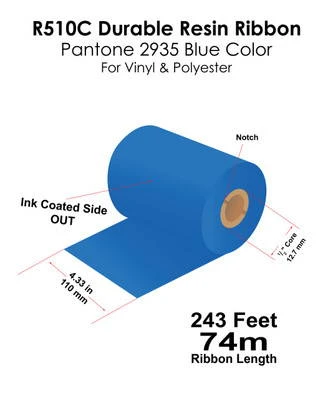
Getting the adhesive right is only half the equation: pairing it with the right printer, materials, and supplies is what actually gets a durable, application-ready label into production.
Based in Canada, DuraFast Label Company carries an extensive range of industrial, high-speed, and high-quality thermal label printers built to run alongside waterproof, weatherproof, and thermal transfer stock, so the adhesive and the printing method work together instead of fighting each other.
Ready to stop guessing and start matching your labels to the job? Contact us today.