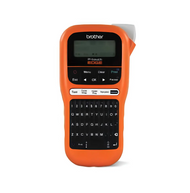
Choosing the Best Heat Shrink Tube Label Printer for the Job
7th Jul 2026
Key Highlights
-
Heat shrink tube label printers provide permanent wire identification that withstands heat, friction, chemicals, and long-term handling
-
Heat shrink labelling bonds directly to wires, eliminating peeling, twisting, and fading common with adhesive labels
-
Electricians, data technicians, and field professionals benefit most from heat-shrink label printing in demanding environments
-
Choosing the right printer depends on tube compatibility, print resolution, portability, and connectivity options
-
Brother P Touch industrial printers lead in heat shrink compatibility, durability, and workflow reliability
-
Proper printer care and approved supplies help maintain consistent performance and extend equipment lifespan
One unreadable wire label is all it takes to slow a job, create confusion, or cause an expensive mistake. In electrical panels, data centres, factories, and outdoor installations, clear identification is not optional. Labels must survive heat, friction, chemicals, vibration, and constant handling over time. Yet standard adhesive labels often fade, peel, or slip long before the work is finished, leaving teams to guess instead of working confidently.
Heat-shrink tube label printing changes that problem completely. Rather than sticking onto wires, heat shrink labels become part of them. Once printed and heated, the tubing contracts tightly around the cable, locking text in place and keeping it readable for years. This makes heat shrink labelling ideal for demanding environments where durability and compliance matter.
This guide explores the best heat shrink tube label printer options for 2026, explains which features actually matter, and compares industrial models from Brother and Epson.
What Makes Heat-Shrink Tube Printers Different?
Heat-shrink tube label printers are designed for one clear purpose: creating wire and cable identification that lasts in demanding environments. Unlike general label makers, these printers are built to print directly onto heat-shrink tubing rather than flat adhesive labels.
They rely on thermal transfer printing, a process that uses resin or wax resin ribbons to fuse text permanently into the tubing surface. This ensures the print remains sharp and legible even after the tubing is heated, shrunk, bent, or exposed to harsh conditions.
Once applied and heated, the tubing contracts tightly around the wire, forming a secure, slip-resistant label. At this point, the identification becomes part of the wire itself rather than an external sticker that can shift or degrade over time.
What sets heat shrink tube printers apart in practical use:
-
Media-specific design that supports shrink tubing instead of standard adhesive tapes
-
Durable print output resistant to heat, abrasion, moisture, and chemicals
-
Permanent wire identification that will not peel, twist, or fade
-
Reliable readability after shrinking and long-term handling
Because of these characteristics, heat shrink label printing is widely used in electrical panels, telecommunications infrastructure, data centres, and industrial automation systems. In these environments, clean and permanent identification supports safety, compliance, and efficient maintenance, where ordinary labels often fail.
Who Should Consider Investing in a Heat Shrink Tube Label Printer?
Not every labelling task requires heat shrink tubing, but in environments where labels must last for years under heat, movement, and frequent handling, standard solutions fall short. A heat shrink tube label printer is designed for professionals who depend on clear, permanent identification to maintain safety, accuracy, and operational efficiency over time.
1. Electricians and Electrical Contractors
Electricians working with control panels, switchboards, and distribution systems need labels that remain readable throughout the life of an installation. Heat-shrink wire labels stay fixed in place even in high temperatures or enclosed spaces, making circuit identification reliable during maintenance, inspections, and future upgrades.
2. Data Technicians and Network Installers
Data technicians managing server racks, fibre links, and patch panels operate in dense cable environments where precision matters. Heat shrink tube labels conform tightly to cables, preventing twisting or peeling and ensuring consistent identification during troubleshooting, reconfiguration, and expansion.
3. Field and Mobile Professionals
Field technicians often label equipment in uncontrolled conditions without access to office tools. Portable labeler devices that print on heat-shrink tubing allow durable, on-site labelling for utilities, telecom, transportation, and industrial maintenance work where long-term readability is essential.
By matching the right printer to these real-world use cases, businesses can reduce relabelling, avoid costly errors, and maintain clear identification across both fixed and mobile environments.
What Key Features Should You Look for in the Best Heat Shrink Tube Label Printer?
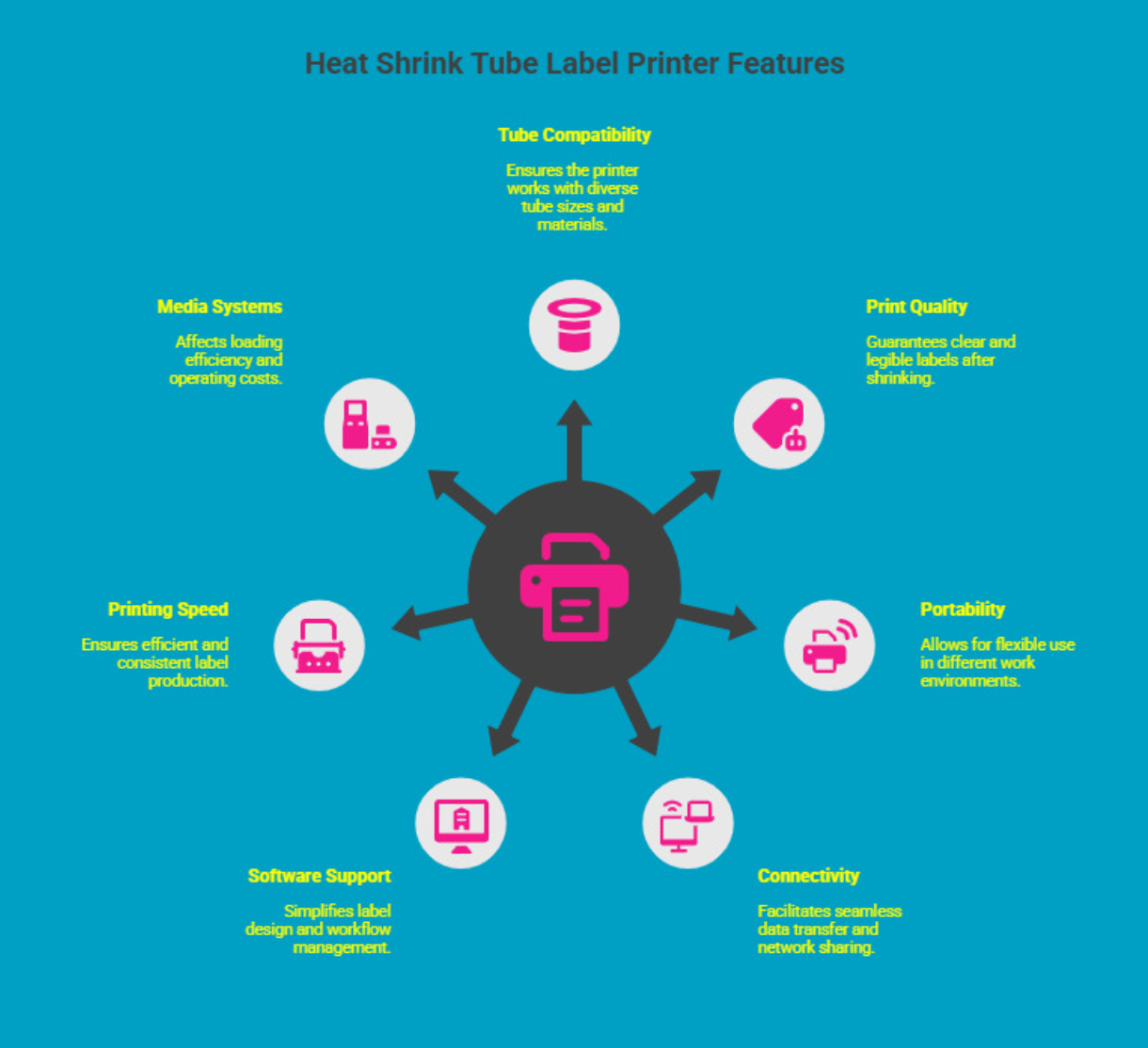
Choosing the best heat shrink tube label printer comes down to how well the device fits your working environment, material requirements, and labelling volume. Not all industrial printers handle heat shrink tubing with the same consistency, so focusing on the right features upfront prevents costly mismatches later.
Below are the core capabilities that separate reliable, job-ready printers from basic label makers.
1. Tube Compatibility and Size Range
Heat shrink tubing varies by wire gauge, application, and shrink ratio. A printer must support multiple tube diameters to remain useful across different projects.
Look for printers that:
-
Support a wide range of heat shrink tube widths
-
Maintain print clarity after shrinking
-
Work seamlessly with industrial-grade materials such as Brother HSe heat shrink tubes
Broad compatibility ensures the printer adapts to panel wiring, control cabinets, and dense cable bundles without forcing material compromises.
2. Print Quality and Resolution
Once heat is applied, low-quality prints quickly reveal their weaknesses. Text can distort, fade, or become unreadable if the resolution is insufficient.
A professional heat shrink label printer should offer:
-
300 dpi thermal transfer printing as a baseline
-
Clean edges on small text and symbols
-
Reliable barcode and alphanumeric legibility after shrinking
High resolution output is especially critical when labelling fine gauge wires or tight identification zones.
3. Portability and Power Options
Where the printer is used matters just as much as how it prints. Some teams work from fixed labelling stations, while others label directly at the job site.
Consider:
-
Desktop models for high volume or networked environments
-
Battery-powered or handheld models for field work and maintenance tasks
-
Dual power options for maximum flexibility
The best printers balance portability with durability, ensuring consistent output whether on a workbench or in the field.
4. Connectivity Options
Modern labelling workflows often involve multiple users, devices, and locations. Connectivity directly affects how efficiently labels are created and deployed.
Useful connectivity features include:
-
USB for direct PC connection
-
Ethernet for shared, networked use
-
Wi Fi or Bluetooth for mobile and PC free printing
Stronger connectivity reduces bottlenecks and allows teams to standardize labelling across locations.
5. Software Support and Ease of Use
Even the most capable printer falls short without reliable software. Label design tools should simplify, not slow down, daily workflows.
Prioritize printers with software that supports:
-
Pre-built electrical and industrial templates
-
Serialization and barcode generation
-
Easy editing with minimal training
Intuitive software improves consistency, reduces errors, and speeds up onboarding for new users.
6. Printing Speed and Volume Capacity
In industrial environments, labelling is rarely a one-off task. Inkjet printers and other printers must perform consistently under sustained use.
Key performance indicators include:
-
Stable print speed during continuous runs
-
Industrial duty cycles are designed for frequent use
-
Minimal downtime between print jobs
Reliable throughput ensures productivity without sacrificing print quality over time.
7. Cartridge vs Cassette Systems
The media loading system affects both efficiency and long-term operating costs.
In general:
-
Cassette-based systems offer faster loading and fewer handling errors
-
Cartridge systems may provide broader material options but require more setup
Availability of replacement supplies should always factor into the decision, especially for teams operating on tight timelines.
Together, these features determine how reliably a heat shrink tube label printer performs in real-world conditions. Choosing a printer that aligns with your materials, workflow, and usage volume ensures consistent, long-lasting identification without unnecessary rework.
What Are the Top Heat Shrink Tube Label Printers to Compare in 2026?
Choosing the right heat shrink tube label printer in 2026 means balancing durability, workflow flexibility, and long term supply availability for terminals. While several industrial printers support heat-shrink materials, differences in connectivity, portability, and ecosystem support can significantly affect day-to-day operations. The models below represent the most commonly evaluated options across electrical, data, and field environments.
1. Brother P Touch PT E800W
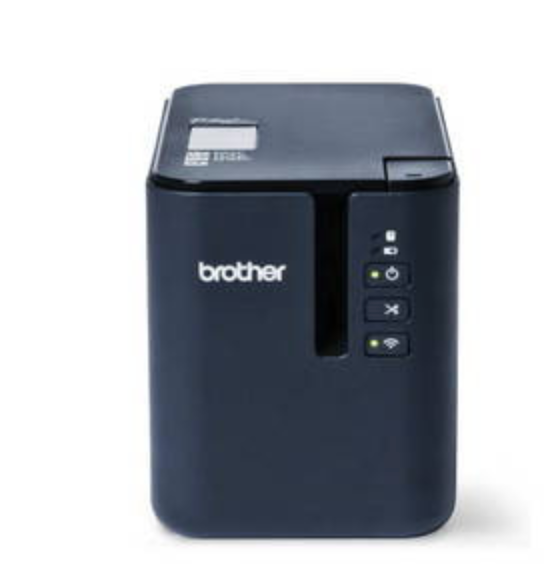
The PT-900Wc is a network-ready industrial printer built for structured, PC driven labelling workflows. It is widely used in facilities where multiple users share a single device, and consistent output is essential.
Key considerations:
-
Native support for Brother HSe heat shrink tubing
-
Wi Fi connectivity for shared environments
-
Stable thermal transfer output for high volume printing
2. Brother P Touch PT 950NW
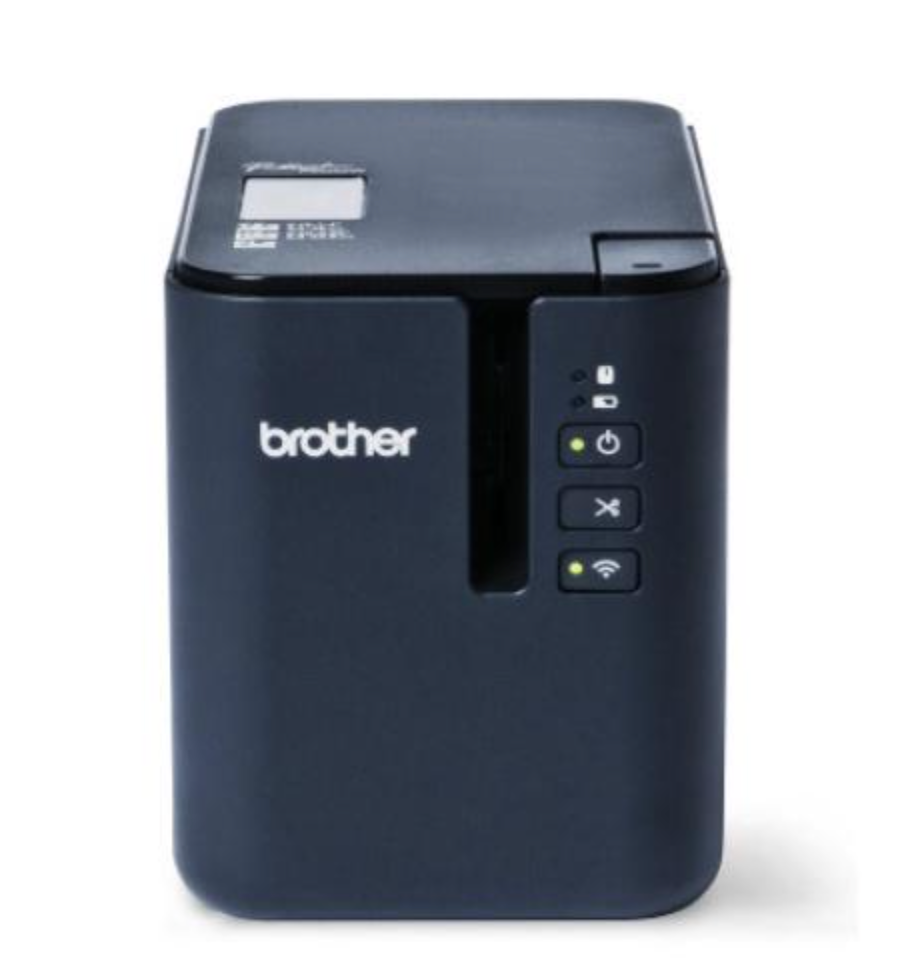
Designed for continuous use, the PT 950NW performs reliably in production and panel building environments. Its focus is on repeatability, uptime, and clean results on heat shrink materials.
Why is it often selected:
-
Ethernet and wireless connectivity options
-
Consistent performance during long print runs
-
Strong fit for manufacturing and control panels
3. Brother P Touch PT E560BTVP
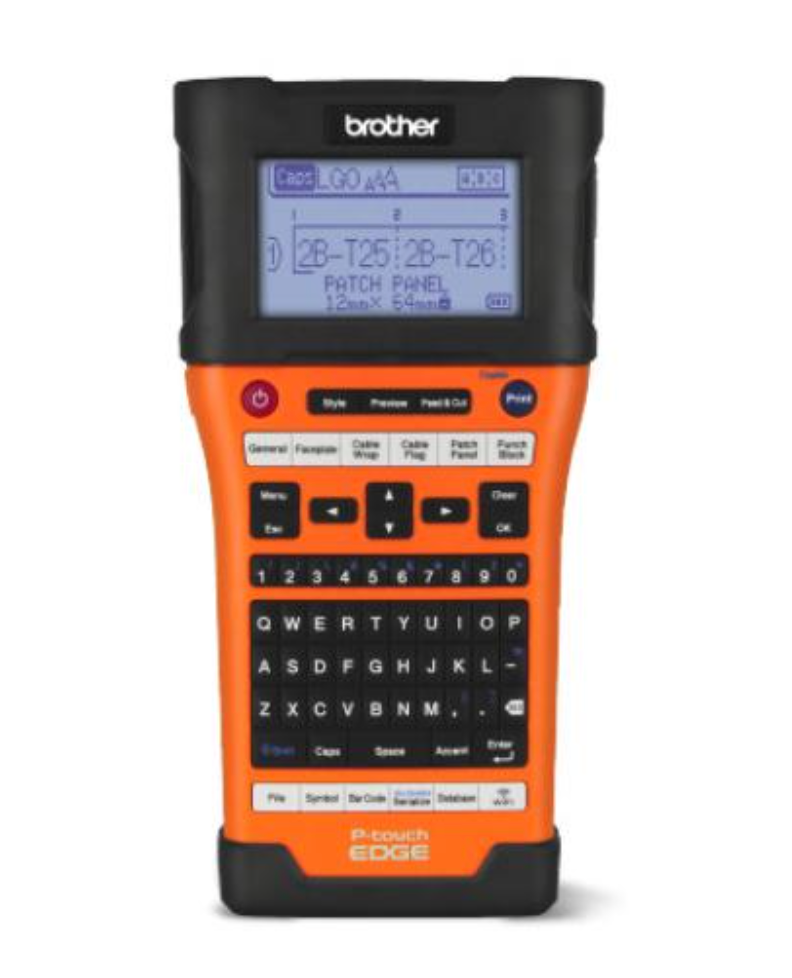
This model bridges the gap between desktop and portable labelling. The PT-E560BTVP supports both PC based and standalone operation, making it adaptable to different job requirements.
Notable strengths:
-
Compatibility with HSe heat shrink tubing
-
Wireless connectivity for flexible deployment
-
Suitable for mixed office and on-site workflows
4. Brother P Touch PT E310BTVP
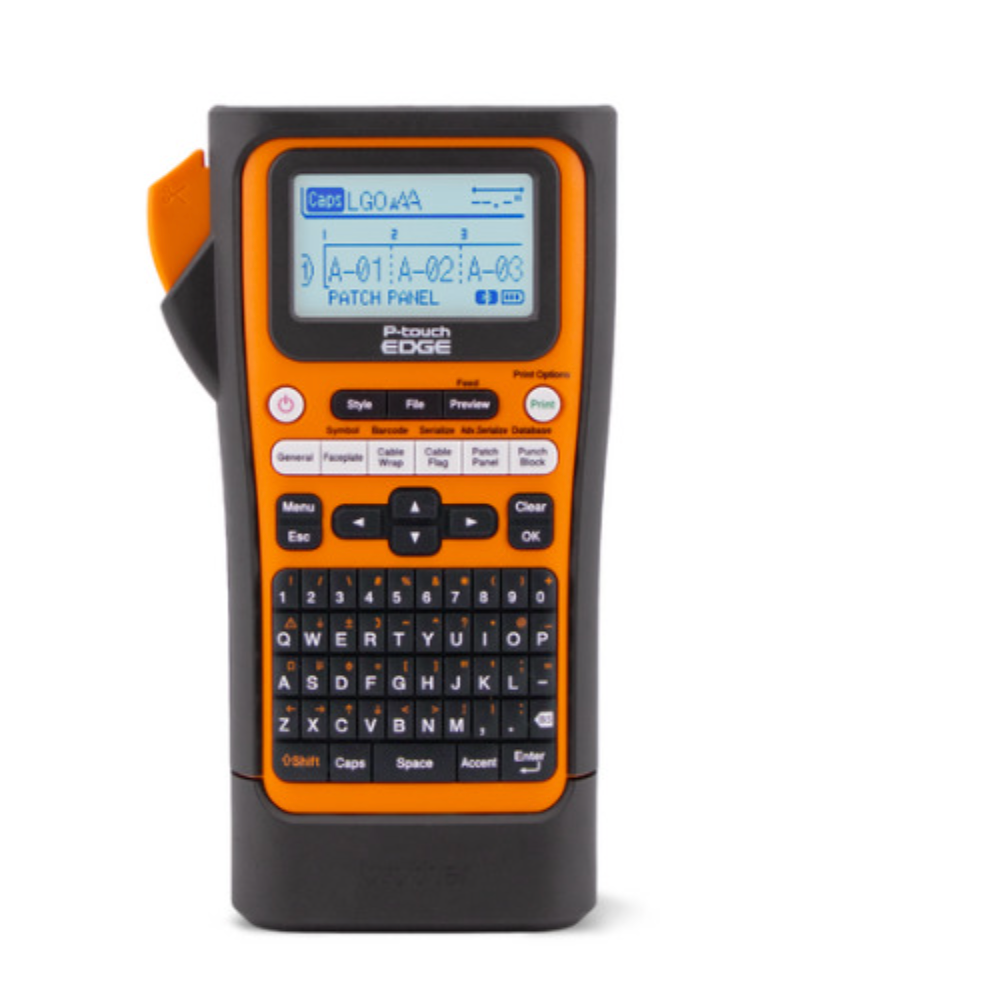
The PT E310BTVP is designed for technicians who label directly in the field. Its compact design and mobile connectivity reduce reliance on laptops or fixed workstations.
Best suited for:
-
Battery-powered, on-site labelling
-
Bluetooth-enabled mobile printing
-
Electrical and telecom field work
5. Brother P Touch PT E510VP
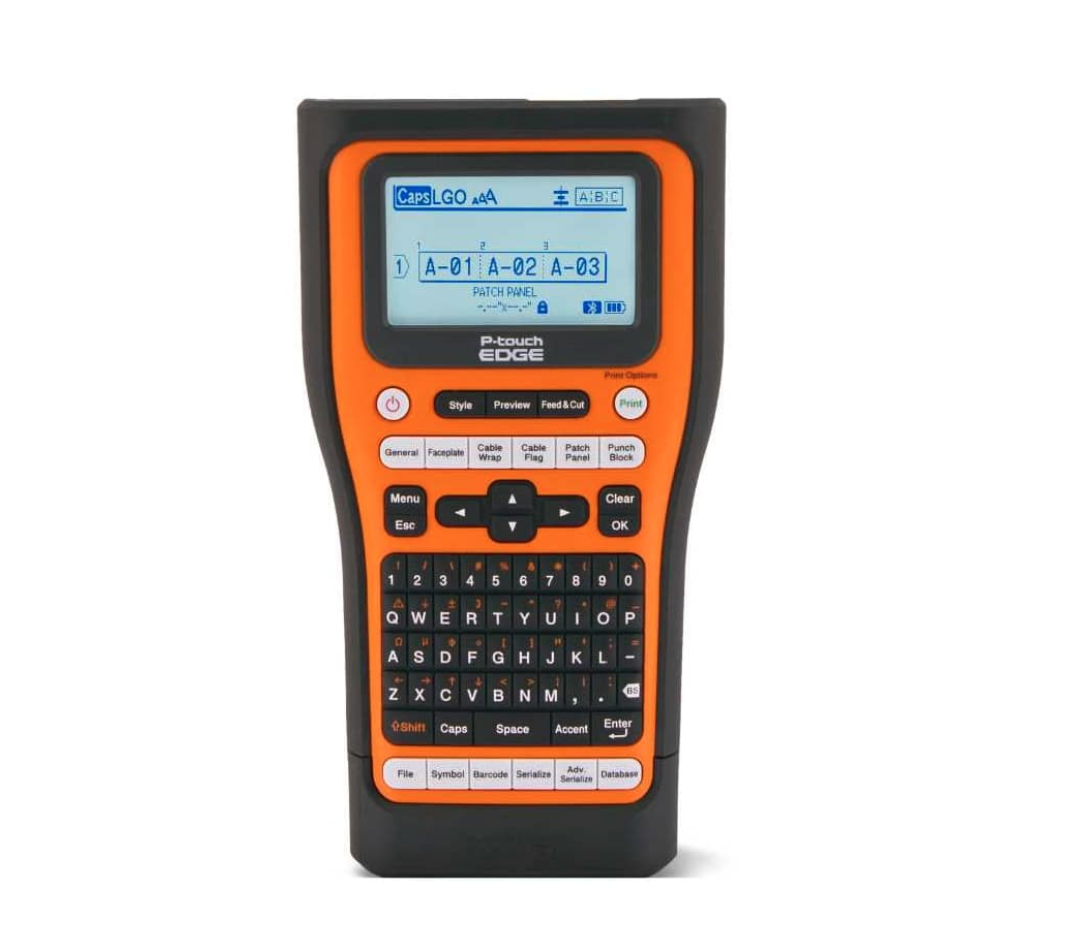
Built specifically for electrical professionals, the PT E510VP prioritizes speed and usability. It streamlines repetitive labelling tasks without compromising output quality.
Key advantages:
-
Dedicated function keys for common electrical symbols
-
Fast print speeds for frequent labelling
-
Support for industrial tapes and heat shrink tubing
6. Brother P Touch PT E560BTVP
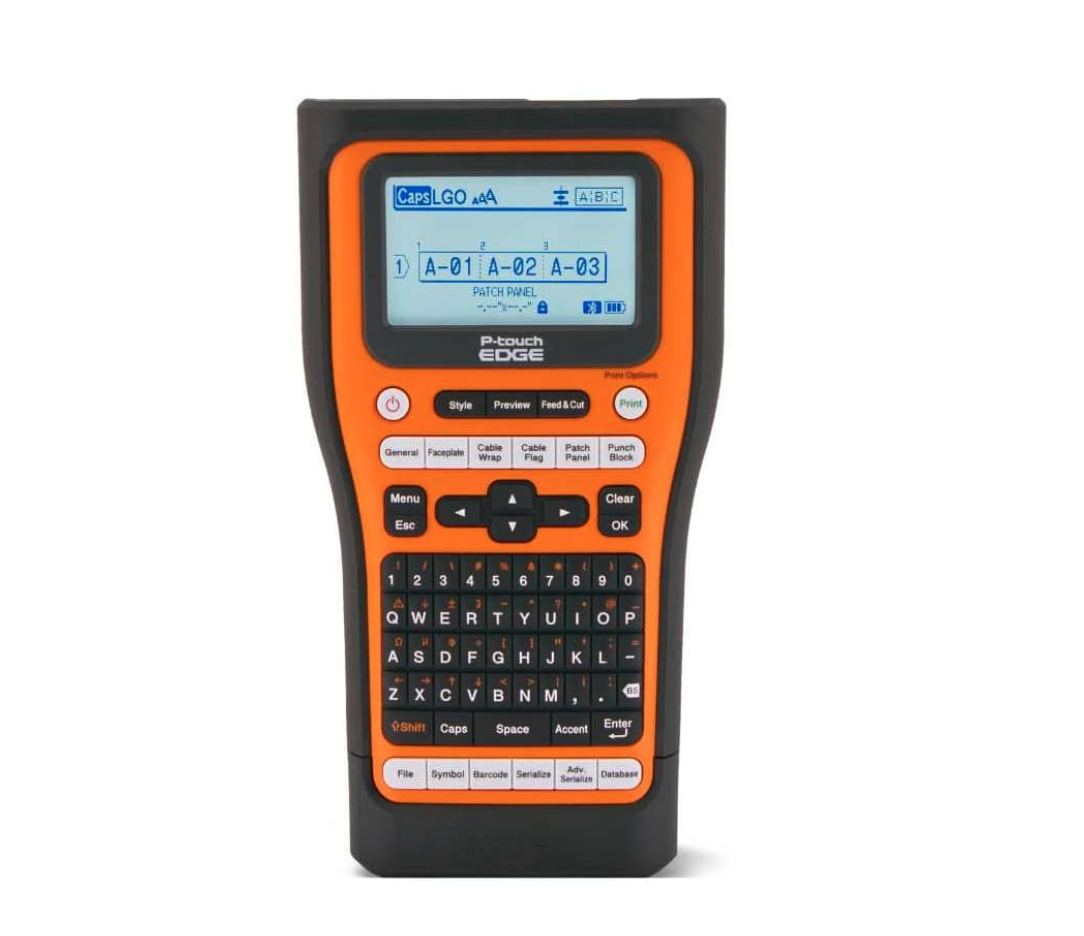
This advanced Brother PTE560BTVP portable printer is designed for demanding job sites. It combines rugged construction with modern connectivity for professionals who work across multiple environments.
Primary benefits:
-
Durable design for harsh conditions
-
Wireless and Bluetooth connectivity
-
Reliable heat shrink labelling on the go
7. Epson LabelWorks LW PX900
Epson LabelWorks LW PX900's industrial printer offers high-resolution output and broad media compatibility. It can handle some heat-shrink applications but may require more careful material selection.
Points to consider:
-
Sharp print quality
-
Support for multiple label materials
-
More limited heat-shrink tubing ecosystem
8. Epson LabelWorks LW PX700
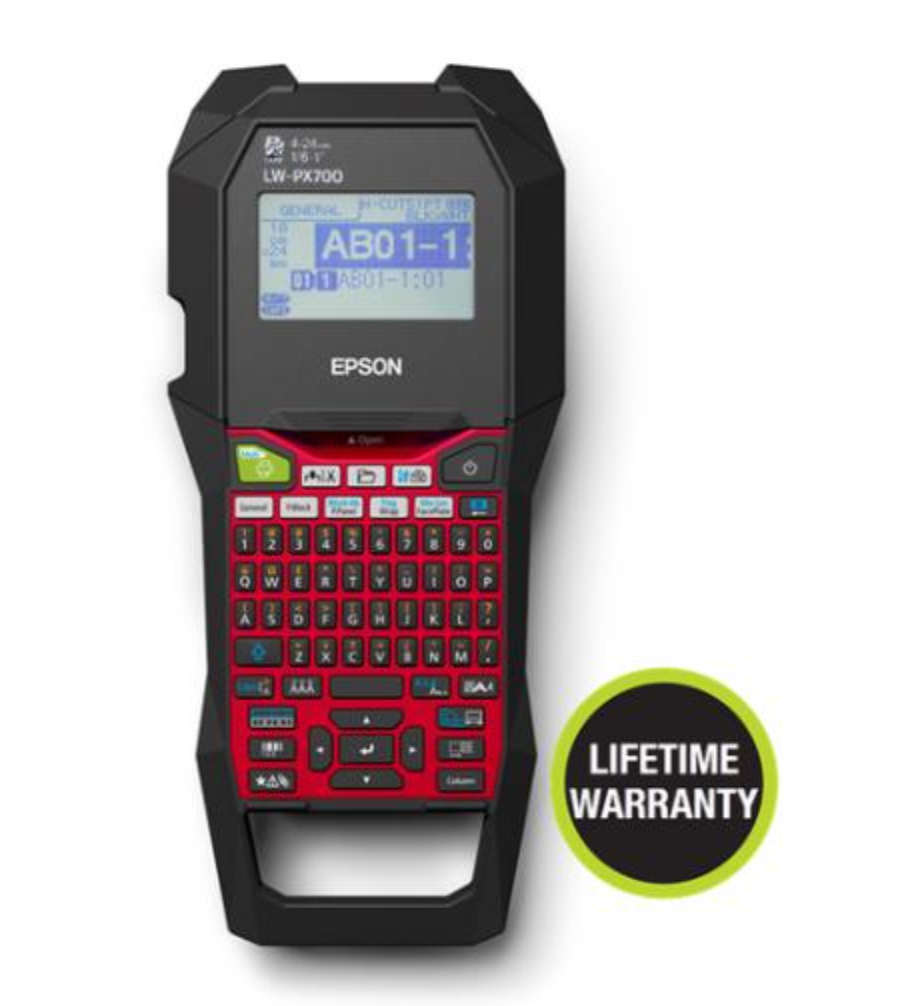
The LW PX700 is positioned as a mid-range option for lighter-duty labelling. It supports select heat-shrink materials but is less flexible for industrial-scale applications.
Suitable for:
-
Lower volume labelling needs
-
Controlled environments
-
Occasional heat shrink use
9. Brady BMP21 PLUS
The Brady BMP21 PLUS is built for rugged field conditions. While durable, its consumable costs and narrower material range can be limiting for some organizations.
Key trade-offs:
-
Strong physical durability
-
Higher long-term consumable costs
-
Less flexibility across label types
Brother P Touch industrial printers offer the most complete heat shrink labelling ecosystem in 2026, combining compatibility, performance, and workflow flexibility. Epson and Brady remain viable alternatives, but often with narrower use cases or higher long-term trade-offs.
Why Brother P Touch Industrial Label Printers Are the Top Choice for Heat Shrink Tubing?
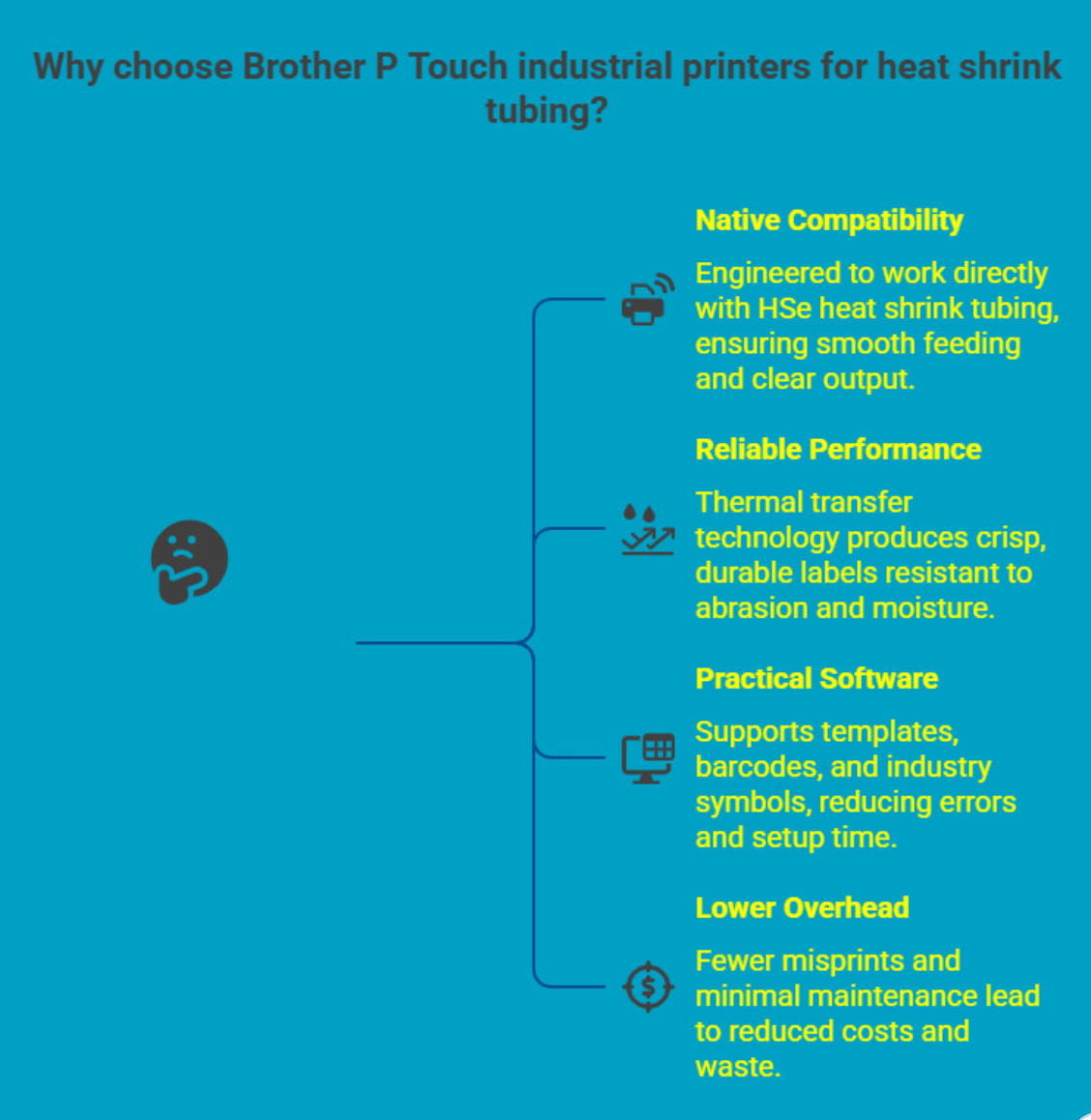
Brother P Touch industrial models are widely recognized as the best heat shrink tube label printer option because they are purpose-built for electrical and industrial identification rather than adapted from office label makers. Notably, the XTL series offers an advantage from tight integration between hardware, materials, and software in real working conditions.
1. Designed for Native Heat Shrink Compatibility
Brother P Touch industrial printers are engineered to work directly with HSe heat shrink tubing, ensuring smooth feeding, precise alignment, and reliable output. Labels retain clarity after shrinking and do not distort, crack, or fade, even on small-diameter wires.
2. Reliable Thermal Transfer Print Performance
Using thermal transfer technology, these printers produce crisp text and symbols that remain readable after heat application. The printed labels, including various types of label printers, resist abrasion, oils, moisture, and vibration, making them suitable for long term industrial identification.
3. Practical Software for Real World Labelling
Brother’s label design software supports templates, barcodes, serialization, and industry-standard symbols. This helps teams standardize labelling across projects while reducing manual errors and setup time in electrical and data environments.
4. Lower Maintenance and Operating Overhead
Industry professionals consistently report fewer misprints, reduced rework, and minimal maintenance when using Brother heat shrink systems. This reliability leads to lower consumable waste and a more predictable total cost of ownership over time.
Together, these strengths explain why Brother P Touch industrial printers continue to be the preferred choice for professionals who rely on accurate, durable heat shrink labelling in demanding environments.
How Can You Maximize the Life of Your Heat Shrink Tube Label Printer?
Consistent care helps your heat shrink tube label printer maintain print quality and avoid unnecessary downtime, especially in industrial or field environments.
-
Keep print heads and rollers clean.
Routine cleaning prevents residue buildup that can affect print clarity and feeding accuracy, particularly when printing on heat-shrink materials. -
Use approved heat-shrink tubes and cartridges.
Manufacturer-recommended supplies ensure proper shrink ratios, strong adhesion, and consistent durability, reducing the risk of print failure or mechanical strain. -
Store printers and supplies correctly.
Keeping equipment and consumables in clean, dry conditions protects materials from moisture, dust, and temperature-related damage.
Simple maintenance practices help extend printer lifespan while ensuring reliable, professional results over time.
Why Choose DuraFast Label Canada for Heat Shrink Label Printing?
Choosing the best heat shrink tube label printer is only effective when paired with reliable supplies and knowledgeable support. DuraFast Label.ca helps bridge that gap by providing proven industrial labelling solutions tailored to real working environments.
DuraFast Label Canada specializes in industrial label printers and heat shrink labelling supplies, with a strong focus on Brother P Touch systems designed for electrical, data, and field applications. Their product range is selected for compatibility with ANSI standards, durability, and long-term performance rather than generic use.
What makes DuraFast Label Canada a practical choice:
-
Curated selection of Brother P Touch industrial printers with native heat shrink compatibility
-
Access to approved heat-shrink tubing and consumables that ensure consistent results
-
Guidance in choosing the right printer and materials based on application needs
-
Reliable Canadian inventory and fast local shipping
By sourcing through DuraFast Label Canada, businesses reduce setup errors, avoid supply mismatches, and maintain consistent labelling standards across projects. The result is a more dependable heat shrink label printing workflow that supports safety, accuracy, and operational efficiency.
Explore industrial heat shrink label printers and supplies at https://www.durafastlabel.ca/contact-us/.
Final Thoughts
Choosing the best heat shrink tube label printer is ultimately about matching durability, accuracy, and workflow needs. In environments where labels must survive heat, movement, and time, heat-shrink labelling delivers reliability that adhesive labels cannot, and the ability to produce labels up to 1 inch in width adds to its versatility.
By focusing on compatibility, print quality, connectivity, and long-term usability, teams can reduce errors, improve compliance, and work with confidence. The right printer is not just a tool; it is a safeguard for efficiency, safety, and long-term operational clarity.
Frequently Asked Questions
Can you print on heat-shrink tubing?
Yes. Heat shrink tubing is printed using thermal transfer printers designed for shrink materials. The tubing provides a crisp, clear ID when heated, causing it to contract tightly around the wire, creating permanent, durable identification suitable for industrial and electrical applications.Yes. Heat shrink tubing is printed using thermal transfer printers designed for shrink materials. Once heated, the tubing contracts tightly around the wire, creating permanent, legible identification that resists heat, abrasion, moisture, and long-term handling.
Where can I buy the best heat shrink tube label printer online?
The best heat shrink tube label printer can be purchased from DuraFast Label Canada, which supplies industrial Brother P Touch printers, compatible heat shrink tubing, and application guidance for electrical, data, and field-based labelling needs.
How does a Brother heat-shrink tube label printer perform in industrial environments?
A Brother heat shrink tube label printer delivers consistent thermal transfer output, strong material compatibility, and reliable performance under frequent use. It is designed to handle heat, vibration, and demanding conditions common in electrical panels and industrial installations.
What is the difference between an industrial heat shrink label printer and a standard label maker?
Brother printers offer broader material compatibility, easier software integration, and lower long term supply costs. Brady printers, also known as Bradyprinter, are rugged but often involve higher consumable expenses and less flexibility for mixed labelling environments.
Can a portable label maker that prints on heat shrink be used on job sites?
Yes. Portable label makers that print on heat shrink are designed for field use, allowing technicians to create durable wire and cable identification directly on-site without relying on laptops, office printers, or temporary markings.
Is custom heat shrink label printing useful for large installations?
Custom heat shrink label printing is especially useful for large projects where consistent naming, serialisation, or circuit identification is required. It improves accuracy, reduces installation errors, and simplifies maintenance across complex electrical or networked systems.
Do heat-shrink tube label printers come with compatible tubes included?
Most heat-shrink tube label printers include a starter cartridge or sample tube for testing. For regular use, compatible heat shrink tubes are purchased separately based on wire gauge, material type, and specific application requirements.