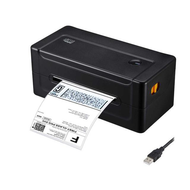
A Beginner’s Guide to Barcode Label Printing
20th Apr 2026
Barcode labels sit quietly behind some of the most time-sensitive operations in business: inventory counts, order fulfillment, product identification, and compliance tracking. When they work well, you barely notice them. When they don’t, everything slows down.
For Canadian businesses navigating e-commerce growth, retail competition, and supply chain complexity, getting barcode label printing right is less about technology alone and more about building a system that fits how the business actually runs.
This guide to barcode label printing breaks down the essentials in a practical way, so you can understand what matters, what doesn’t, and how to implement a setup that scales.
Why Barcode Labeling Is More Than Just Printing
Barcode systems are designed to remove manual entry and reduce errors. According to research, barcode adoption can push inventory accuracy above 99% when implemented correctly. That level of precision matters in real terms: fewer returns, faster picking, and better customer trust.
Automated data capture, like barcode scanning, significantly reduces processing time compared to manual input. For businesses dealing with high order volumes, this translates into measurable cost savings.
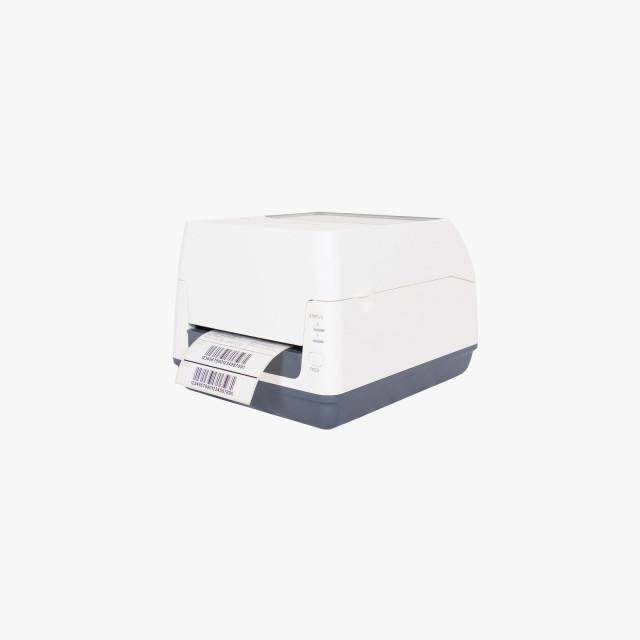
1. Hardware: The Foundation of Your Setup
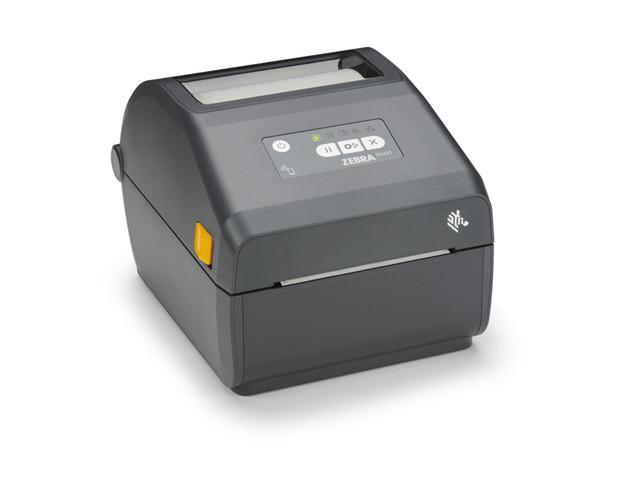
The first decision most businesses make is choosing a printer. But instead of focusing only on price, it helps to think in terms of usage: how often you print, where the labels will be used, and how durable they need to be.
Types of Printers You’ll Encounter
- Thermal printers
These are the most common choices. If you’re browsing thermal barcode printers online, you’ll mostly find two types:- Direct thermal (no ribbon required)
- Thermal transfer (uses ribbons for durability)
- For most small to mid-sized businesses, a thermal label printersetup is the starting point because of its efficiency and low maintenance.
- Desktop vs Industrial printers
- Desktop label printersare compact and ideal for offices or low-volume environments.
- Industrial label printersare built for warehouses and production floors, where uptime and speed matter.
- Specialized printers
Depending on your needs, you might explore:- Color Label Printersfor branding-heavy labels
- RFID label printersfor asset tracking
- Vinyl label printerfor durable outdoor labeling
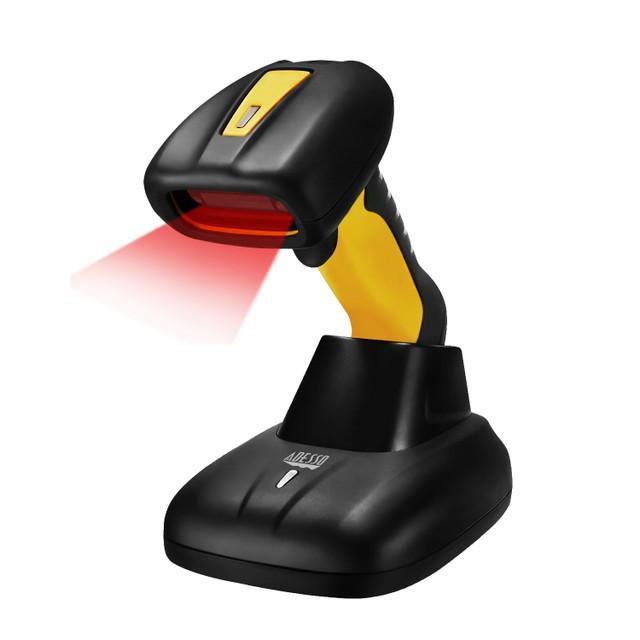
2. Scanners and Supporting Equipment
Printing is only half the system; scanning completes the loop.
Modern setups often include:
- Wireless barcode scannersfor mobility in warehouses
- Bluetooth barcode scannersfor flexible connectivity
For higher efficiency, businesses may add:
- Label applicators to automate placement
- Label cuttersfor precision finishing
These additions reduce manual handling, which is especially valuable in high-volume operations.
3. Software: Where Everything Connects
Without software, barcode printing becomes disconnected and manual. A proper labeling system relies on software to design labels, pull data, and maintain consistency.
Integrating labeling software with inventory systems can reduce order processing time, especially in logistics-heavy environments.
4. Understanding Label Types and Materials
Choosing the right label is just as important as choosing the printer. The wrong material can lead to fading, smudging, or unreadable barcodes.
Core Label Types
- Direct thermal labels
These are ideal for short-term use, like shipping. They’re cost-effective but can fade with heat or light exposure. - Thermal transfer labels
These use ribbons and produce more durable prints. Businesses needing long-lasting labels, like asset tags or product identifiers, often prefer this option. - Inkjet and laser labels
These are useful when color or detailed graphics are required.
Specialty Labels for Real-World Conditions
Different industries require different durability levels:
- Waterproof barcode labelswork best for outdoor exposure
- Vinyl labelsare preferred for long-term durability
- Industrial labelsare used for harsh environments
Selecting the right material can extend barcode readability significantly in challenging conditions.
Even with the right setup, barcode label printing only works as well as the support behind it. From sourcing to selecting the right labels, businesses often reach a point where they need more than just equipment; they need a complete, reliable ecosystem that keeps everything running smoothly.
That’s where DuraFast Label Company fits in. Established in Canada, the company specializes in end-to-end labeling solutions for both small businesses and industrial operations, offering everything from thermal label printers and industrial barcode printers to a wide range of supplies like thermal transfer labels, direct thermal labels, and ribbons for multiple printer types.
If you’re building or upgrading your labeling workflow, our equipment and real-world applications can save time, cost, and trial-and-error.
Ready to streamline your labeling process? Contact us today and take the next step toward a faster, more reliable labeling setup.