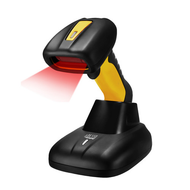
5 Questions to Ask Before You Buy Barcode Scanners Online in Canada
30th Oct 2026
What if the barcode scanner you purchase slows down your team instead of helping it work faster? Choosing the right device means considering your inventory, barcode types, connectivity, and working conditions.
At DuraFast Label Company, we help businesses find suitable labelling and scanning solutions for their operational needs. Asking the right questions before you buy barcode scanners can help you make a more informed purchasing decision.
1. What Types of Barcodes Do You Need to Scan?
Not every barcode scanner supports every barcode format. Before comparing affordable barcode scanners online, identify the barcode types your business uses daily.
Common barcode formats include:
- 1D barcodes: Linear formats commonly used on retail products, shipping labels, and inventory tags.
- 2D barcodes: QR codes and Data Matrix codes that can store more information in a compact space.
- Damaged or poorly printed barcodes: Certain scanners can read faded, scratched, or low-quality codes more effectively than others.
Consider where your barcodes appear, too. Are they printed on product packaging, shipping cartons, or labels attached to equipment? If your business uses waterproof barcode labels in refrigerated storage areas or damp production environments, select a scanner capable of reading those labels reliably under the expected conditions.
We recommend checking the scanner's specifications against your existing barcode formats and any planned changes to your labelling system.
2. What Scanning Range and Speed Does Your Workflow Require?
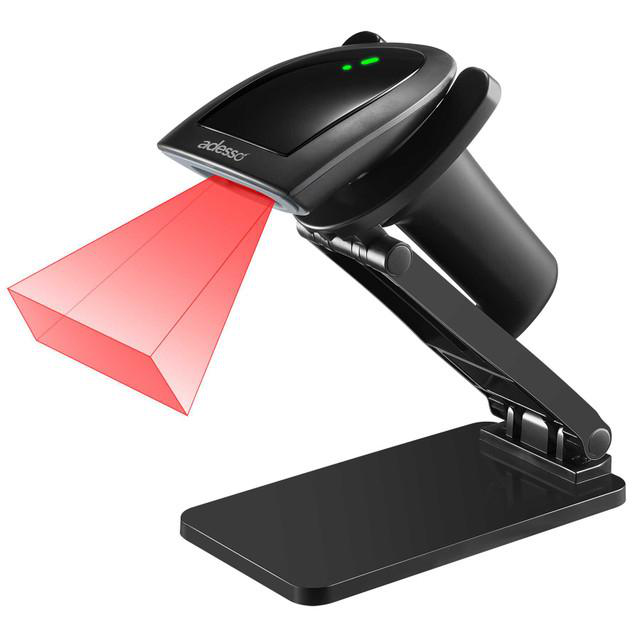
A scanner that performs well at a packing station might not be suitable for a warehouse with high shelving or large pallets. Scanning range affects how easily employees can read barcodes without moving products or climbing equipment.
Consider these factors:
- Short-range scanning: Suitable for retail counters, checkout areas, and close-up product identification.
- Extended-range scanning: Useful for warehouses where workers need to scan barcodes on elevated shelves or distant packages.
- Scanning speed: Important for high-volume operations involving frequent picking, packing, and dispatch.
- Reading accuracy: Helps reduce repeated scans, manual data entry, and potential inventory discrepancies.
For a barcode scanner for inventory management, evaluate how many items employees process per shift. A small business with occasional scanning requirements may not need the same performance as a distribution centre processing hundreds of orders daily.
Compare scanning specifications under realistic working conditions rather than relying exclusively on advertised speed. Barcode quality, lighting, distance, and operator technique can all affect actual performance.
3. Which Connectivity Option Fits Your Operations?
Barcode scanners communicate with computers, tablets, point-of-sale systems, and inventory software through different connection methods. The right option depends on where employees work and how they access business systems.
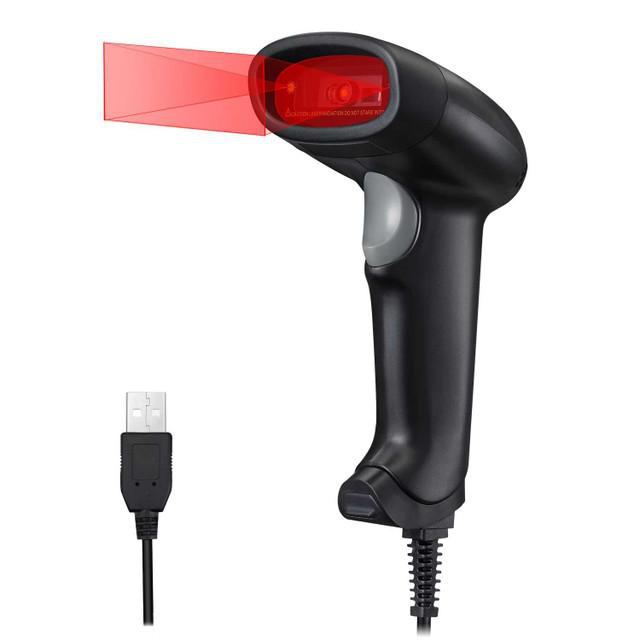
- Wired scanners connect through USB or another supported interface. They are often practical for fixed workstations because they do not require battery charging.
- Wireless scanners use Bluetooth or proprietary wireless connections, depending on the model. They allow employees to move between shelves, packing benches, and receiving areas without remaining tethered to a computer.
Before you buy barcode scanners, check the following:
- Compatibility with your operating system and inventory software.
- Wireless range and connection stability.
- Battery life and charging requirements.
- Whether the scanner supports your existing point-of-sale or warehouse management system.
For businesses managing stock across several workstations, wireless connectivity may improve movement between tasks. However, a wired device may be more practical for a dedicated checkout or packing station.
4. Can the Scanner Handle Your Working Environment?
Environmental conditions can affect scanner performance, service life, and ease of use. A device designed for a clean office may not withstand the demands of a busy warehouse or manufacturing floor.
Assess the following before purchasing:
- Durability: Check the manufacturer's drop-resistance ratings and housing specifications.
- Dust and moisture protection: Review the IP rating where exposure to dust, splashes, or humidity is likely.
- Ergonomics: Consider grip comfort, weight, trigger placement, and repeated use during long shifts.
- Operating temperature: Confirm suitability for cold storage or other temperature-controlled environments.
- Maintenance: Check cleaning requirements, warranty coverage, and replacement part availability.
Your labelling materials also matter. Waterproof barcode labels can help protect printed information from moisture, while appropriate label materials and adhesives support readability in demanding conditions. Businesses ordering custom barcode labels in Canada should match the label construction to the products, surfaces, and environmental exposure involved.
Pairing suitable labels with a compatible scanner can help reduce scanning interruptions and unnecessary label replacement.
5. Does the Scanner Offer the Right Value for Your Daily Workload?
The lowest purchase price does not always represent the lowest operating cost. A scanner that repeatedly misses barcodes or requires frequent replacement can create additional labour expenses.
When comparing affordable barcode scanners online, assess the total cost of ownership. Consider the purchase price, expected service life, warranty, accessories, charging equipment, and compatibility with your current systems.
Also, check whether the scanner can support your anticipated workload as your business grows. A device that meets today's needs but cannot support planned changes may require an early replacement.
Before placing an order, review the product specifications, confirm compatibility, and compare the available support options. These steps can help you identify a scanner that meets your operational requirements without paying for features your team rarely uses.
Choose a Scanner That Supports Your Business
Are you ready to improve scanning accuracy and keep daily operations running smoothly? The right barcode scanner should match your barcode formats, scanning distances, connectivity requirements, and working environment.
At DuraFast Label Company, we help businesses find practical labelling solutions for inventory, shipping, manufacturing, and other commercial applications. Our range of labelling products supports businesses looking to maintain readable, dependable product identification across their operations.
When you are ready to buy barcode scanners, review the available options at DuraFast Label Company. By matching the scanner to your actual workload and choosing compatible labels, you can make a more informed investment in your business's scanning and inventory processes.