4 Label Printing Solutions Canadian Businesses Should Consider in 2026
2nd Nov 2026
What happens when a shipping label becomes unreadable, a product carries inconsistent branding, or a barcode fails at checkout? For Canadian businesses, these issues can slow operations, increase costs, and affect customer satisfaction. Choosing suitable label printing solutions can help reduce these problems while supporting accurate identification and efficient order fulfilment.
At DuraFast Label Company, we understand that effective business label printing depends on matching the right equipment, software, media, and supplies to each application. The following four solutions can help businesses build a labelling workflow that meets their operational requirements in 2026.
1. Thermal Label Printing for Everyday Operations
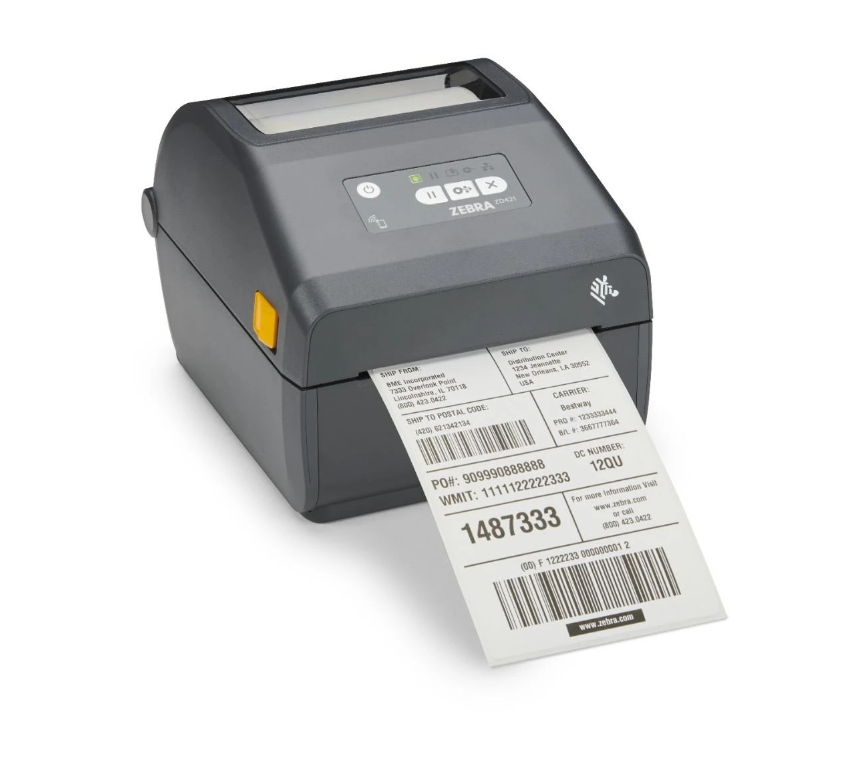
Thermal printing is a practical option for businesses that produce shipping labels, warehouse identification labels, barcode labels, and inventory tags. Depending on the printing method and materials, it can support fast, consistent output for routine labelling tasks.
There are two main types of thermal printing:
- Direct thermal printing: This method uses heat-sensitive media without requiring a ribbon. It suits shipping labels, receipts, and other applications where a limited service life is acceptable.
- Thermal transfer printing: This method uses heat to transfer ink from a ribbon onto the label material. It is often suitable for applications requiring greater resistance to abrasion, moisture, or environmental exposure.
When comparing high-quality thermal label printers, consider print resolution, speed, media compatibility, connectivity, and expected daily volume. The right specifications depend on whether you print a few dozen labels daily or handle hundreds of orders per shift.
Businesses should also assess label dimensions, adhesive type, and ribbon compatibility before purchasing supplies. These details help ensure that the printer and consumables work together for the intended application.
2. Custom Product Labels for Branding and Identification
Product labels do more than display a brand name. They can communicate ingredients, product specifications, handling instructions, warnings, and barcode information while helping products maintain a consistent appearance across different packaging formats.
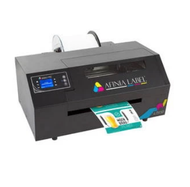
Custom label printing is useful for manufacturers, food producers, cosmetics businesses, retailers, and companies selling products online. Depending on the printer and media selected, businesses can produce labels with different colours, finishes, sizes, and designs.
When choosing equipment for custom labels, consider:
- Print quality: Ensure text, logos, and barcodes remain clear at the required label size.
- Colour requirements: Determine whether black-and-white output is sufficient or whether full-colour printing is necessary.
- Media selection: Match paper or synthetic materials to the packaging surface and expected conditions.
- Production volume: Choose equipment that can handle normal demand without creating unnecessary delays.
Businesses requiring full-colour labels can assess options from manufacturers such as Afinia Label, Primera Technology, and VIPColor. These product ranges offer different printing capabilities, so compare their specifications against your label dimensions, output requirements, and budget.
3. Portable Label Printers for On-Site Tasks
Does your team need to print labels away from a fixed workstation? Portable label printers can help staff create identification labels where the work happens, whether in a stockroom, retail space, workshop, or field service environment.
These devices can support tasks such as:
- Labelling shelves, bins, and storage locations.
- Identifying equipment, cables, and tools.
- Updating inventory labels during stock counts.
- Printing identification labels for incoming goods.
Before selecting a portable model, check battery life, connectivity, supported label widths, print resolution, and compatibility with your existing systems. Some devices work well for simple text labels, while others support more detailed barcodes and data-driven printing.
Portable equipment can complement stationary label printing machines for business operations. Rather than replacing a central printer, it provides flexibility for tasks that are inconvenient to complete at a fixed workstation.
4. Barcode Software, Scanners, and Shipping Supplies
A printer alone cannot address every labelling requirement. Software, barcode scanners, and compatible consumables also affect how reliably labels are created, printed, and used throughout the business.
Barcode design software such as BarTender can help businesses create standardised layouts, incorporate variable information, generate barcodes, and manage repeatable printing tasks. These functions are useful for companies that process changing product details, serial numbers, batch information, or shipping records.
Barcode scanners support the next stage of the process by reading printed codes during receiving, picking, packing, and inventory checks. Selecting a scanner involves considering barcode types, scanning distance, connection options, and compatibility with existing business systems.
Shipping labels and specialty media deserve equal attention. Before ordering, check:
- Label dimensions, including commonly used 4 × 6-inch shipping formats.
- Adhesive performance on cardboard, plastic, or other packaging.
- Roll or fanfold configuration and printer compatibility.
- Resistance to heat, moisture, abrasion, or handling where required.
Combining appropriate software, scanners, and supplies can make business label printing more consistent from product preparation to final dispatch.
Build a Labelling System That Fits Your Business

Could the right combination of equipment and supplies help your business reduce labelling errors and keep daily operations organised? The answer depends on your products, production volume, working conditions, and existing systems.
At DuraFast Label Company, we provide label printing solutions in Canada, including printing equipment, label media, ribbons, ink cartridges, software, and related supplies. We help businesses assess the components they need for shipping, product identification, barcode printing, and specialised applications.
Rather than choosing equipment based on price alone, consider the full cost of ownership, compatibility, maintenance requirements, and ongoing consumable expenses. A well-matched setup can support more consistent output and help your team manage changing labelling demands.
Order from DuraFast Label Company to find suitable printers, software, and consumables for your business. By matching the right products to your workflow, we can help you make informed purchasing decisions and establish a practical labelling system for 2026 and beyond.