VIPColor VP700 Labels: The Ultimate Comparison and Selection Guide for 2026
9th Jul 2026
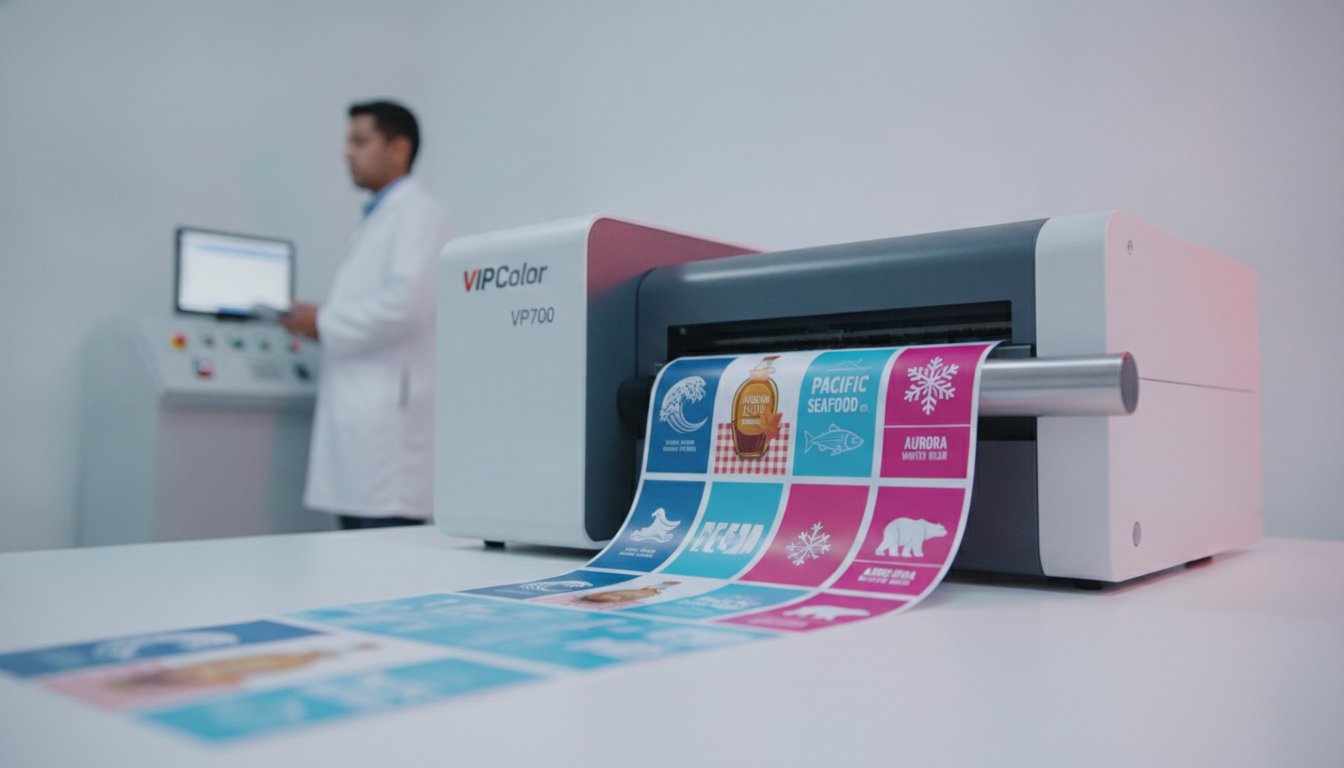
Why would you invest in a printer capable of 12 inches per second if your media forces you to slow down to a crawl? Many business owners realize too late that Memjet performance is 50% hardware and 50% media chemistry. If you've ever dealt with ink smudging on non-optimized rolls or the high cost of wasted labels during setup, you know the frustration of a bottlenecked production line. Selecting the right VIPColor VP700 labels is the only way to actually achieve those crisp, 1600 dpi colour prints while keeping your operational costs low.
We understand that distinguishing between standard dye ink needs and water-resistant requirements can be confusing, especially with 2026 Health Canada front-of-package regulations mandating new symbols on many food products. This guide provides a clear comparison of available media, from cost-effective matte paper for dry goods to durable polypropylene for items facing moisture. You'll learn how to match your specific application to the correct substrate, ensuring your high-volume production remains both reliable and efficient with a steady Canadian supply for your custom sizes.
Key Takeaways
- Learn why Memjet technology requires specialized inkjet-receptive topcoats to prevent ink smudging and achieve high-resolution results.
- Evaluate the performance differences between matte paper and water-resistant synthetic materials like BOPP for refrigerated or frozen food applications.
- Identify the ideal VIPColor VP700 labels to ensure your business remains compliant with the 2026 Health Canada front-of-package labelling regulations.
- Understand the technical roll specifications, such as the 8-inch outer diameter and 3-inch core, to ensure smooth feeding and minimal downtime.
- Discover the operational benefits of sourcing custom-sized media from a Canadian partner to maximize material efficiency and reduce shipping costs.
Understanding VIPColor VP700 Labels and Memjet Compatibility
Have you ever wondered why some labels look vibrant and professional while others appear dull or smudged? The answer usually lies in the compatibility between the media and the print engine. VIPColor VP700 labels are not just standard pieces of paper or plastic; they are engineered with a specialized inkjet-receptive topcoat designed specifically for the unique demands of Memjet printing technology. This "waterfall" technology utilizes a stationary printhead that fires millions of droplets per second, requiring a surface that can keep up with such high-speed delivery.
Standard thermal or laser labels simply won't work with this system. In a laser printer, toner is fused to the surface using heat, while thermal printers use heat-sensitive paper. Neither of these materials possesses the surface chemistry to absorb liquid ink. If you attempt to use them, the aqueous dye ink will pool on the surface, leading to immediate smearing as the media moves through the printer. To achieve the 12 inches per second (ips) speed promise of the VP700, the media must facilitate a near-instantaneous chemical bond between the ink and the substrate.
What Makes VP700 Media Unique?
The main difference between standard inkjet media and high-performance VIPColor VP700 labels is the presence of a "microporous" coating. This coating acts like a series of microscopic straws, pulling the aqueous dye ink deep into the material the moment it hits the surface. Other than this rapid absorption, the coating also ensures "instant-dry" properties. This is vital for high-volume production because it prevents ink from offsetting onto the back of the liner when the labels are wound onto a finished roll. While pigment-based models like the VP750 focus on UV resistance by keeping ink closer to the surface, the VP700's dye-based system relies on this deep penetration to create the rich, saturated colours that make products stand out on Canadian retail shelves.
The Role of 1600 DPI Resolution in Material Selection
How does material choice affect your final print quality? Achieving a high-resolution 1600 x 1600 dpi output requires a perfectly smooth media surface. If you use a lower-grade material, the ink droplets will spread unevenly, a problem known as "ink bleed." This spreading ruins the clarity of small text and complex barcodes, which is particularly risky when trying to comply with new 2026 Health Canada labelling regulations. Using "prime" grade inkjet labels ensures that each droplet maintains its shape, resulting in crisp graphics and legible data. Furthermore, the whiteness and opacity of the material are essential for colour accuracy. A consistent, bright white base ensures that your brand's specific colour palette remains uniform across every production run, regardless of the lighting in your warehouse or storefront.
Comparing Label Materials: Paper vs. Synthetic Options
How do you decide between a cost-effective paper and a rugged synthetic? This is the most common dilemma facing business owners once they've integrated the VP700 into their production line. The choice depends entirely on your product's lifecycle and the environment it will face after leaving your facility. While paper is excellent for dry retail goods, it lacks the resilience needed for products exposed to moisture or oils. You must also consider the quality of the liner. High-speed printing at 12 ips requires a consistent, high-quality liner, often made of PET or specialized paper, to ensure the printer's optical sensors track the gap between labels accurately without skipping or jamming.
Does your current label stock peel or smudge when exposed to condensation? This often happens when paper is used where a synthetic is required. To avoid wasted media and costly reprints, it's helpful to categorize your needs into three primary groups: High Gloss Paper, Matte Paper, and Polypropylene (BOPP). Each material offers a different balance of visual "pop" and environmental resistance.
Matte and Glossy Paper Labels for Retail
High Gloss paper is the preferred choice when shelf appeal is your top priority. It provides a premium finish that makes colours appear more vibrant and saturated, which is ideal for gourmet snacks or high-end retail packaging. On the other hand, Matte paper is often the better solution for industrial applications or labels with high-density barcodes. The non-reflective surface ensures that scanners can read codes quickly without interference from warehouse lighting. From a fiscal perspective, paper remains the most economical choice for high-volume goods with short lifecycles. When designing packaging for the Canadian market, staying compliant with Canadian food labelling requirements is non-negotiable, and your material choice plays a huge role in maintaining that legibility over time.
Polypropylene (BOPP) and Synthetic Media for Durability
For products destined for the fridge, freezer, or bathroom, synthetic VIPColor VP700 labels are essential. BOPP, or Biaxially Oriented Polypropylene, is a plastic-based film that is virtually immune to water, oils, and many chemicals. Unlike paper, which can tear or degrade when wet, BOPP maintains its structural integrity and adhesive bond. This makes it the standard for cosmetics, chilled beverages, and essential oils. The synthetic topcoat is specifically treated to "lock in" the aqueous dye ink, providing a level of moisture resistance that standard paper simply cannot match. If you're unsure which material fits your unique environment, our specialists can help you test samples to ensure your branding stays intact from the warehouse to the consumer's home.
Application-Specific Selection: From Food Safety to Industrial Use
How does your choice of ink and media impact your compliance with Canadian safety standards? While the technical specs of your hardware are vital, the practical application in your specific industry determines your long-term success. The aqueous dye inks used in the VP700 are specifically formulated for high-vibrancy and rapid drying, making them a staple in the Canadian gourmet food and beverage sectors. However, understanding the chemical relationship between these inks and your VIPColor VP700 labels is essential for ensuring your packaging remains professional from the production line to the customer's hands.
It's a common misconception that all inkjet prints are fragile. While dye inks are generally more susceptible to UV fading and prolonged water submersion than pigment inks, they offer a wider colour gamut that is perfect for "prime" retail packaging. When navigating Canadian labeling requirements, you must ensure that your text remains legible and your barcodes remain scannable throughout the product's shelf life. For applications requiring extra resilience, the concept of "Water-Enhanced Dye" media has emerged, offering a specialized topcoat that protects the ink from light moisture without requiring the switch to a different printer model.
Aqueous Dye Inks and Food-Safe Labelling
Why are non-toxic dye inks the preferred choice for the bakery and confectionery sectors? These water-based formulations don't contain the harsh solvents found in some industrial printers, making them ideal for indirect food contact. When you are labelling outer boxes, sleeves, or primary containers that provide a functional barrier, using high-quality labels for inkjet printers ensures you maintain a clean, safe production environment. It's important to remember that these inks are intended for the exterior of the package; they should not come into direct contact with raw food products, but they are perfectly suited for the secondary packaging used by most Canadian boutiques and food manufacturers.
Handling Moisture and Condensation in Cold Storage
Does your business face the "frozen food" challenge? In Canada, products often move from refrigerated warehouses to heated transport trucks, creating significant condensation. Standard paper labels can absorb this moisture, causing the dye ink to bleed or the adhesive to fail. To overcome this, you should select a synthetic media with a "cold-temp" or "all-temp" adhesive specifically designed for Canadian winter transport. You can protect your prints in high-humidity environments by choosing high-gloss polypropylene, which naturally repels water droplets. This allows the ink to stay locked within the microporous topcoat, maintaining brand consistency even in the damp conditions of a grocery store's refrigerated aisle or a commercial walk-in freezer.

Optimizing Production: Roll Specifications and Unwinding Logistics
How much time does your team spend changing rolls during a single shift? When you're printing at 12 ips, you're consuming media much faster than standard desktop units. The VIPColor VP700 is engineered to handle a standard 8-inch Outer Diameter (OD) roll on a 3-inch core. This specific configuration is the baseline for efficient production. Using the correct VIPColor VP700 labels ensures that the printer's internal motor can pull the media consistently without experiencing the tension spikes that lead to registration errors or frustrating mid-job pauses.
Physical roll specifications are often overlooked, but they're the foundation of operational seamlessness. If the roll is too heavy or the core is improperly sized, the resulting friction can cause the Memjet printhead to misalign with the label gaps. This leads to wasted ink and ruined media. By adhering to the 8-inch OD standard, you maximize the number of labels per roll while staying within the hardware's intended torque limits. This balance is essential for maintaining the longevity of your equipment and the consistency of your output.
Standard 8-inch OD Rolls vs. Custom Configurations
Why should you stick to the 8-inch OD limit? Exceeding this diameter puts excessive strain on the unwinder motor, which can eventually lead to mechanical failure. However, for those using industrial label printers in a high-volume capacity, larger rolls are often a necessity to minimize downtime. You can calculate the number of labels per roll by considering the material thickness. For instance, a 2.0 mil BOPP film will allow for significantly more labels on an 8-inch roll than a 6.0 mil matte paper stock. This calculation is a vital step in your fiscal planning; fewer roll changes directly translate to lower labour costs and higher daily throughput.
Internal vs. External Unwinding for High-Volume Jobs
The main difference between a standard setup and a high-efficiency workflow is the unwinding configuration. While the VP700's internal unwinder is excellent for clean office environments, it may be insufficient for a busy manufacturing centre. If your facility deals with dust or environmental debris, an external unwinder is often the better choice. It allows you to use even larger rolls and keeps the media path accessible for quick adjustments. Other than this, integrating a label rewinder for roll-to-roll production is the only way to fully realize the machine's speed. This setup allows you to print thousands of labels unattended, which are then ready for an automatic applicator or a finishing system. If you're struggling to find the right balance between roll size and production speed, contact our technical team for a custom media consultation.
Sourcing VIPColor VP700 Labels in Canada
Why risk international shipping delays when your production schedule is tight? Sourcing VIPColor VP700 labels from a Canadian specialist eliminates the unpredictability of cross-border logistics. You avoid the hidden costs of brokerage fees and duties while ensuring your media arrives exactly when you need it. By partnering with a local expert, you aren't just buying paper; you're securing a reliable supply chain that understands the specific demands of the Canadian marketplace, from bilingual requirements to regional distribution challenges.
The main difference between a generic vendor and a Memjet-certified specialist is the level of quality control. Using untested media can lead to premature printhead failure or poor ink adhesion, which ultimately increases your total cost of ownership. The advantage of working with DuraFast Label Company Canada centres on providing media that has been rigorously tested for the VP700's specific ink chemistry. This ensures that your 12 ips speed remains a reality rather than a theoretical maximum, allowing you to realize the full potential of your hardware investment.
Why Local Canadian Expertise Matters for Your Supply Chain
Lead times are the lifeblood of high-volume manufacturing. When you source locally, you significantly reduce the window between ordering and application. This proximity also prevents the complications of "grey market" media, which often lacks the specialized microporous topcoat required for Memjet technology. Other than protecting your printhead from damage, local expertise provides you with access to technical support that understands Canadian business regulations. Whether you're updating packaging to meet the 2026 front-of-package symbol requirements or adjusting for seasonal temperature shifts in a warehouse, having a partner in your own time zone is an invaluable asset.
Custom Sizes and Die-Cut Versatility at DuraFast Label Company Canada
Does your product require a unique shape to stand out on the shelf? While standard sizes are readily available, many brands require custom blank labels tailored to specific container dimensions. The only difference between a standard roll and a custom die-cut solution is the precision of the fit, yet this small change can drastically improve your brand's perceived value. You can choose between continuous rolls, which are ideal if you're using a digital finisher, and pre-die-cut labels for immediate application. As you plan your 2026 production goals, remember that balancing cost, quality, and speed is only possible when your consumables are as high-performing as your printer. Investing in tested, Canadian-sourced media is the final step in ensuring your labelling process is as efficient and cost-effective as possible.
Maximizing Your 2026 Production Efficiency
Selecting the correct media is the final step in ensuring your printer operates at its peak capacity. As we've explored, the chemistry of your labels determines whether you achieve crisp 1600 dpi resolution or face the frustration of smudged prints and wasted stock. By matching your material choice to the specific environmental demands of your industry, you protect both your brand's image and your hardware's longevity. The main difference between a bottlenecked production line and a high-efficiency one is often just the quality of the substrate you use.
At DuraFast Label Company Canada, we act as Memjet-certified media specialists to help you navigate these technical decisions. Whether you require custom die-cutting for a unique package or high-volume standard rolls, we ensure your supply chain remains reliable. We also provide free shipping across Canada on qualifying orders to help you maintain a fiscally responsible production line. Browse our full selection of VIPColor VP700 labels at DuraFast Label Company Canada to find the perfect match for your application. Taking control of your media selection today ensures a more reliable and profitable production cycle for the years ahead.
Frequently Asked Questions
Can I use standard paper labels in my VIPColor VP700?
No, you shouldn't use standard paper labels because they lack the necessary microporous coating required for Memjet technology. Standard media intended for laser or thermal printers will cause the liquid ink to pool on the surface rather than absorbing. This leads to immediate smudging as the media moves through the printer. To achieve professional results at high speeds, you must use media specifically engineered with an inkjet-receptive topcoat.
Are VP700 labels waterproof?
VP700 labels are moisture-resistant when you choose synthetic media like BOPP, but they aren't fully waterproof for submersion. Because the VP700 utilizes aqueous dye ink, the prints remain susceptible to bleeding if they're soaked in water for extended periods. If your application involves heavy condensation or refrigeration, selecting a high-quality synthetic material with a water-resistant topcoat is the best way to maintain your brand's integrity.
What is the maximum roll diameter the VP700 can handle?
The VIPColor VP700 supports a maximum roll outer diameter (OD) of 8 inches. These rolls must be wound on a standard 3-inch core to ensure compatibility with the internal unwinder. Adhering to these physical roll specifications is vital to prevent motor strain and feeding errors. If your production volume requires larger rolls, you can utilize an external unwinder configuration to handle higher capacities without stressing the internal hardware.
How do I prevent my VP700 labels from smudging?
The most effective way to prevent smudging is to use Memjet-certified VIPColor VP700 labels that feature an instant-dry topcoat. Smudging typically occurs when the ink cannot bond with the substrate fast enough to keep up with the 12 ips print speed. You should also ensure that your production environment is kept at a moderate humidity level, as extreme moisture can sometimes slow down the chemical drying process on the rewinder.
Does the VP700 support continuous label stock with the internal cutter?
Yes, the VP700 fully supports continuous label stock and features a built-in automatic cutter. This allows you to print custom lengths for banners or unique packaging sizes without the need for pre-die-cut rolls. It's a highly versatile option for businesses that want to reduce their inventory of different label sizes. You simply need to configure your software settings to dictate the cut points based on your specific design requirements.
Where can I find custom-sized VIPColor VP700 labels in Canada?
You can find a comprehensive selection of custom-sized VIPColor VP700 labels at DuraFast Label Company Canada. We provide specialized die-cutting services to create labels tailored to your specific product dimensions and branding goals. Sourcing your media from a Canadian specialist helps you avoid cross-border shipping complications and ensures you receive media that's been tested for reliability with your specific printer model and ink type.
Is there a difference between VP700 and VP750 labels?
The main difference between these two media types is the chemical optimization of the topcoat. The VP700 is designed for standard aqueous dye inks, which offer high vibrancy for retail, while the VP750 uses water-enhanced dye inks for better moisture resistance. Other than this, using the wrong media can lead to slower drying times or duller colours. It's always best to use media specifically rated for your printer's ink chemistry.
Can I print GHS-compliant labels on the VP700?
No, the VP700 isn't recommended for GHS-compliant labels because it uses dye-based inks. GHS and BS5609 certifications generally require pigment-based inks that can withstand harsh chemical exposure and saltwater submersion. For these specific industrial applications, a pigment-based printer like the Afinia L502 or a water-enhanced model like the VP750 is the appropriate choice to ensure your safety labels remain legible under extreme conditions.