TSC Mobile Printers: The Complete 2026 Guide to On-the-Go Labelling
16th Jul 2026
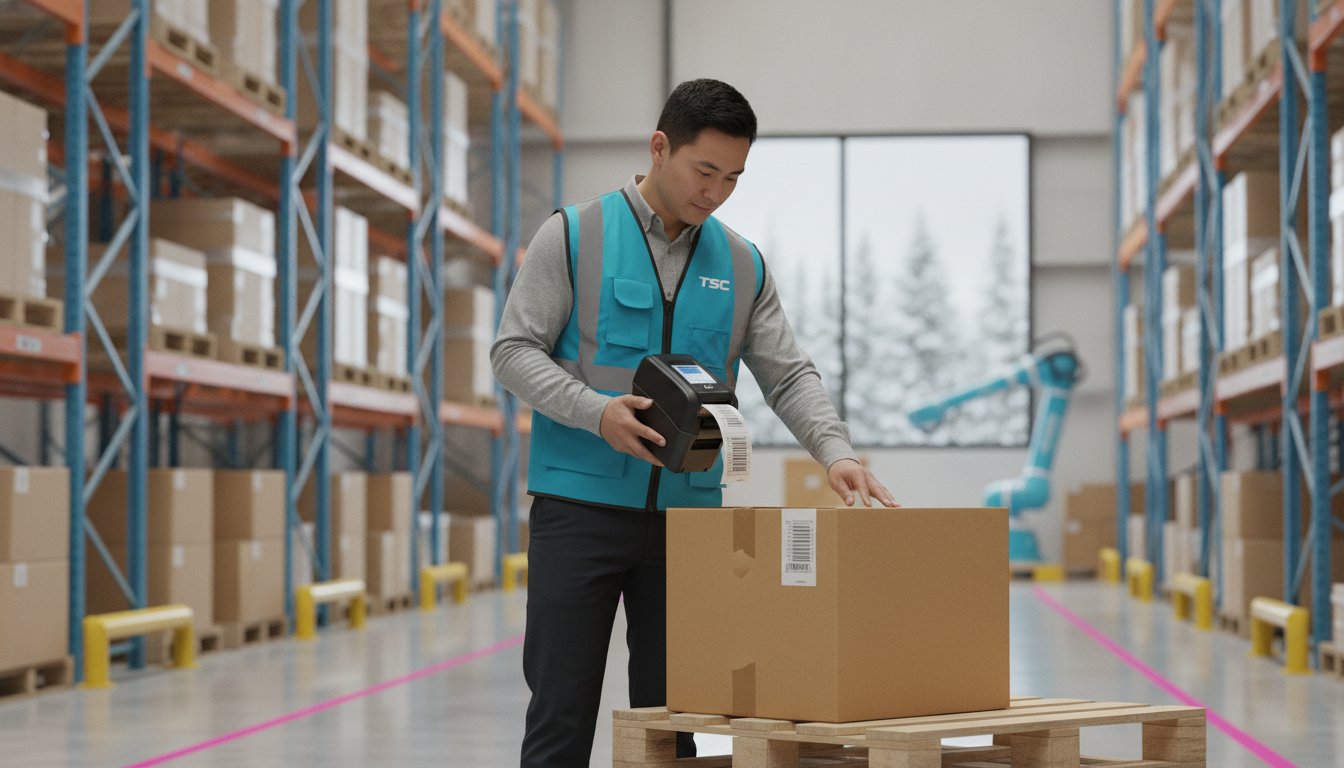
How much does it cost your operation every time a worker walks fifty metres back to a central desk just to print a single barcode? You likely realize that these small delays, multiplied across an entire shift, act as a silent drain on your bottom line. In the demanding environments of Canadian logistics, whether it's a dusty warehouse or a freezing outdoor loading dock, you need equipment that moves with your team rather than holding them back. Equipment failure in these harsh conditions doesn't just cause frustration; it leads to labelling errors and wasted resources that your business cannot afford.
We understand that maintaining high-speed performance while reducing manual errors is a top priority for your growth. This guide explores how TSC mobile printers transform these logistical hurdles into streamlined workflows through rugged design and seamless software integration. You'll discover how to increase production speed and reduce labelling waste by bringing the print station directly to the point of application. We will provide a technical breakdown of the Alpha and TDM series, helping you identify the specific hardware features required to keep your Canadian operations running at peak efficiency in 2026.
Key Takeaways
- Learn how point-of-application printing eliminates travel time to central stations, significantly boosting your daily operational throughput.
- Understand the performance differences between the Alpha and TDM series, focusing on print speed (ips) and media capacity to match your specific volume requirements.
- Discover how TSC mobile printers utilize IP54 ratings and MIL-STD-810G testing to withstand the unique temperature and debris challenges of Canadian logistics.
- Identify the ideal hardware configuration for Direct Store Delivery (DSD) and mobile POS (mPOS) to ensure accurate field labelling and transaction processing.
- Realize the importance of pairing your devices with specialized direct thermal or linerless labels and Loftware software for a seamless, error-free printing ecosystem.
What are TSC Mobile Printers? Enhancing On-the-Go Efficiency
TSC mobile printers are lightweight, ruggedized devices designed to bring high-performance labelling directly to the point of work. Instead of relying on a fixed station, these units allow workers to generate barcodes and receipts wherever they stand. They utilize advanced thermal printing technology to produce crisp, durable output without the mess or maintenance of ink ribbons. This shift represents more than just a change in hardware; it's a move toward "practical intelligence" in the warehouse. By integrating printing into the mobile workflow, you remove the physical barriers that slow down your team and introduce a level of agility that stationary units simply cannot match.
A critical factor for any Canadian operation is the ability to last through a full shift without interruption. TSC has engineered these units with high-capacity batteries to ensure consistent uptime. For instance, the TDM-30 model provides over 42 hours of usage on a single charge. This longevity ensures that your team doesn't experience downtime due to mid-shift battery swaps or charging requirements, keeping the focus on production rather than equipment maintenance.
The Shift from Stationary to Mobile Labelling
Traditional labelling often requires a worker to walk back to a central desk, print a batch of labels, and then return to the product to apply them. This process is prone to errors; it's easy to mix up labels when they aren't printed right in front of the item. Mobile units eliminate this risk. When you print at the point of application, the label is applied immediately to the correct pallet or carton. This supports just-in-time inventory practices by allowing real-time adjustments to stock levels and shipping data without the delay of a stationary workflow. You'll find that accuracy improves when the distance between the printer and the product is reduced to zero.
Key Benefits for Canadian Logistics and Retail
Speed is the primary currency in high-volume shipping environments. TSC mobile printers provide a significant reduction in "travel time," which is the hidden cost of workers moving between tasks and stationary units. Beyond time savings, there's a clear fiscal benefit. You don't need to install expensive power drops or network ports at every potential labelling station. This reduces your infrastructure costs while maintaining a high degree of operational flexibility. Using direct thermal labels specifically designed for these units further optimizes your cost-per-label, ensuring that your high-speed performance remains budget-friendly and efficient throughout the fiscal year.
Technical Deep Dive: Comparing the Alpha and TDM Series
Choosing the right hardware requires a clear understanding of the "baseline and delta" differences between TSC’s two primary mobile families. While both series provide reliable thermal output, the Alpha and TDM lines serve different operational profiles. The Alpha series is the rugged powerhouse designed for high-volume environments; conversely, the TDM series offers an ultra-compact, palm-sized footprint for workers who prioritize mobility above all else. Both series maintain a standard resolution of 203 dpi, ensuring that your output consistently meets global barcode standards for scan accuracy across the supply chain.
A central technical differentiator involves how these units handle media. TSC mobile printers in the Alpha line typically utilize larger internal label unwinders to accommodate higher-capacity rolls. This reduces the frequency of media changes during a shift. In contrast, the TDM series uses a streamlined internal path to maintain its lightweight profile. If you are unsure which hardware configuration fits your specific environment, you can speak with our technical team for a detailed assessment.
The Alpha Series: High-Performance Rugged Printing
The Alpha series is built for demanding field work where durability and speed are non-negotiable. The Alpha-3R serves as the baseline 3-inch model. The main difference between the 3R and the Alpha-4L is the media capacity and print speed. The Alpha-4L handles wider 4-inch labels and reaches speeds of 5 ips (inches per second), making it ideal for high-volume shipping labels. Another significant delta is found in the Alpha-5T, which is the only model in this group to offer thermal transfer printing. This allows for the use of ribbons to create labels that withstand extreme temperatures or chemical exposure. All Alpha models feature robust internal label unwinders. This design protects the media from "environmental debris" and dust, which is a common challenge in Canadian industrial centres.
The TDM Series: Ultra-Compact and Lightweight Design
If the Alpha series is a workstation, the TDM series is a personal accessory. These "palm-sized" printers are significantly lighter, reducing physical strain for retail staff or delivery drivers who are on foot all day. The main difference between the TDM-20 and the TDM-30 is the media width and battery life. The TDM-20 handles 2-inch media and offers 17 hours of usage; however, the TDM-30 supports 3-inch media and extends battery life to over 42 hours on a single charge. Other than this, both models share "smart" battery technology. This feature allows managers to track the health and charge cycles of the battery fleet remotely. This level of oversight prevents unexpected downtime caused by aging power cells, ensuring that your mobile printing ecosystem remains reliable throughout every shift.
Built for the Field: Durability and Connectivity Standards
Operating in Canadian logistics requires hardware that can withstand more than just a typical office environment. Whether your team is labelling pallets in a dusty distribution centre or processing deliveries in the freezing temperatures of a prairie winter, equipment failure is a constant risk. TSC mobile printers address these challenges through rigorous engineering that aligns with international quality standards for manufacturing and durability. This focus on ruggedness isn't just about survival; it's about fiscal responsibility. By choosing devices built for the field, you reduce the total cost of ownership and prevent the operational bottlenecks caused by frequent hardware replacements.
Understanding IP Ratings and Drop Specifications
The primary benchmark for environmental resistance is the Ingress Protection (IP) rating. Most TSC mobile units, including the Alpha-30L and Alpha-40L, carry an IP54 rating. This means the internal components are protected against limited dust ingress and water splashes from any direction. For a Canadian warehouse, this protection is vital for keeping "environmental debris" out of the print mechanism. Beyond moisture and dust, these printers are tested to MIL-STD-810G military standards. This certification ensures the device survives repeated drops and intense vehicle vibrations. A ruggedized housing absorbs the impact of a fall onto concrete, protecting the sensitive thermal printhead and internal label unwinder from structural damage.
Wireless Connectivity: Bluetooth, Wi-Fi, and MFi
A durable printer is only useful if it maintains a stable connection to your data source. Modern TSC units feature Bluetooth 5.0, which provides a low-energy, high-speed link to handheld scanners and tablets. For larger facilities, dual-band 802.11 a/b/g/n/ac Wi-Fi ensures that the printer can roam between access points without dropping the connection. This is essential for maintaining a seamless workflow in expansive shipping hubs. Many models also carry MFi (Made for iPhone/iPad) certification. This allows for instant, plug-and-play integration with iOS devices, removing the technical hurdles often associated with mobile pairing. When paired with high-quality direct thermal labels, these connectivity options create a reliable mobile workstation that functions anywhere in your facility.
Managing a fleet of mobile devices requires oversight to prevent small issues from becoming major disruptions. TSC provides remote management tools like TSC Console and compatibility with SOTI Connect. These platforms allow your IT team to monitor battery health, update firmware, and troubleshoot devices across multiple locations from a single dashboard. This proactive approach to maintenance ensures that your investment continues to deliver high-speed performance long after the initial deployment.

Selecting Your Printer: Application-Specific Guidance
Choosing the right hardware requires a diagnostic approach that weighs your daily label volume against the physical demands of your environment. While we previously discussed the technical deltas between the Alpha and TDM series, the final decision often rests on the specific application requirements of your field staff. For instance, a high-volume warehouse operator has vastly different needs than a retail associate processing mobile point-of-sale transactions. Identifying these nuances ensures that your investment in TSC mobile printers delivers the highest possible return on investment by matching technical capabilities to real-world tasks.
Direct Store Delivery and mPOS Solutions
In the world of Direct Store Delivery (DSD), speed and portability are the primary drivers of efficiency. Delivery drivers need to generate invoices and receipts at the point of sale to close the "order-to-cash" cycle immediately. The TDM series is the ideal recommendation here because its belt-clip design allows for hands-free movement while unloading stock. The main difference between using a mobile unit and a traditional paper log is the elimination of manual data entry errors. By printing a digital receipt on-site, you provide the customer with instant documentation while ensuring your central ERP system is updated in real-time. This level of responsiveness is essential for maintaining competitive service levels in the Canadian retail sector.
Warehouse Management and Linerless Labelling
Warehouse managers are increasingly turning to liner-free printers to address both sustainability goals and operational bottlenecks. Traditional labels use a siliconized backing paper that creates significant waste and a slip hazard on warehouse floors. Linerless technology eliminates this backing entirely. The primary benefit is a 30% to 40% increase in labels per roll, which means your workers spend less time reloading media during a shift. When you pair these devices with high-quality direct thermal labels, you create a lean, cost-effective tracking system. This is particularly effective for cross-docking and "pick and pack" operations where speed is critical and waste reduction directly impacts the bottom line.
In healthcare and laboratory settings, the focus shifts to specimen identification and patient safety. Mobile printing allows clinicians to label samples at the bedside, which is a key requirement for reducing misidentification errors. Whether you are managing a busy metropolitan hospital or a specialized lab, selecting the right mobile solution prevents the risks associated with batch labelling. If you need assistance determining which model supports your specific compliance requirements, you can contact our team for a personalized consultation to ensure you get the right hardware for your facility.
Optimizing Your TSC Mobile Printing Ecosystem
Purchasing high-quality hardware is a significant step toward operational efficiency; however, a printer is only as effective as the media and software that support it. To realize the full potential of your TSC mobile printers, you must view the device as one component of a larger ecosystem. If the labels you select cannot withstand the humidity of a warehouse or the friction of a long shipping route, the technical speed of the printer becomes irrelevant. Creating a seamless workflow requires a diagnostic approach to your consumables and a strategic integration of your data management software.
A mobile workstation is a synergy of hardware, media, and data. When these elements aren't aligned, businesses often face downtime caused by label failure or software disconnects. By treating the printer, the label, and the software as a single curative solution, you ensure that your team remains productive throughout every shift.
Matching Labels and Thermal Transfer Ribbons
The primary choice in mobile printing involves the technology used to create the image. Most mobile applications rely on direct thermal printing because it doesn't require a ribbon, which simplifies the footprint for workers on the move. For long-term durability or exposure to harsh elements, you may need to utilize thermal transfer technology. This method uses specialized TSC ribbons to "melt" the image onto the substrate, providing a label that resists smudging and fading over time.
- Standard Direct Thermal: Best for short-term shipping labels and retail receipts where simplicity is the priority.
- Thermal Transfer: Essential for assets that must remain legible for years or those that face chemical exposure.
- Environmental Resilience: In Canada, fluctuating temperatures can cause standard adhesives to fail. Utilizing weatherproof labels ensures that your barcodes remain intact during outdoor loading in the winter or in high-condensation environments.
Selecting from a wide variety of blank labels for sale allows you to tailor your media to the specific surface and environmental conditions of your facility, ensuring that the label stays where it's put.
Software Integration with Bartender and Loftware
The final step in optimizing your mobile fleet is ensuring your data flows accurately from your ERP system to the printhead. Professional label design software like Bartender or Loftware NiceLabel provides the necessary bridge. These platforms ensure that every barcode meets scan accuracy requirements and allows for complex logic, such as serialized numbering or real-time date stamping. For businesses managing remote mobile teams across different Canadian regions, cloud-based labelling offers a centralized way to update templates and monitor print logs without needing physical access to each device.
DuraFast Label Company Canada acts as a strategic partner to help you overcome these logistical hurdles. We don't just provide equipment; we offer a comprehensive approach that pairs the right TSC mobile printers with the exact software and supplies your business requires for long-term growth. By taking control of your entire printing lifecycle, you ensure that your production remains uninterrupted and your labelling waste is kept to an absolute minimum.
Future-Proofing Your Mobile Labelling Strategy
Adopting mobile printing technology is no longer just an optional upgrade; it's a strategic move toward operational excellence. By bringing the print station directly to the point of application, you eliminate unnecessary travel time and significantly reduce the risk of manual labelling errors. Whether you choose the rugged power of the Alpha series or the lightweight portability of the TDM series, TSC mobile printers provide the durability required to survive the demanding conditions of Canadian logistics centres. You now understand how IP54 ratings and MIL-STD-810G testing protect your investment against the dust and vibration common in field work.
DuraFast Label Company Canada provides more than just hardware. As an Authorized TSC Canadian Partner, we offer nationwide shipping on all TSC units and supplies, paired with expert technical support to ensure your software integration with Bartender or Loftware is seamless. We're here to help you realize a more efficient, error-free production cycle. To find the right fit for your specific environment, browse our full range of TSC mobile printers for Canadian business and connect with our team today. We look forward to helping you streamline your operations for 2026 and beyond.
Frequently Asked Questions
Are TSC mobile printers compatible with Android and iOS devices?
TSC mobile printers are fully compatible with both Android and iOS devices through advanced wireless connectivity options. Most modern models feature Bluetooth 5.0 and dual-band Wi-Fi to ensure a stable link with handheld scanners, smartphones, or tablets. For Apple users, many units carry MFi (Made for iPhone/iPad) certification, which allows for immediate, plug-and-play pairing without the complex configuration hurdles often found in older hardware.
How long does the battery typically last on a TSC Alpha-3R?
The battery in the Alpha-3R is engineered to support a standard eight-hour work shift under normal operating conditions. While the ultra-compact TDM-30 can provide over 42 hours of usage on a single charge, the Alpha series focuses on high-capacity output for demanding industrial tasks. These units utilize "smart" battery technology to report real-time health and charge cycle data, ensuring you don't experience unexpected downtime during peak production hours.
Can I use linerless labels with any TSC mobile printer?
No, you cannot use linerless labels in a standard printer; you must select a model specifically designed for liner-free media. These specialized TSC mobile printers feature non-stick internal rollers and a modified paper path to prevent the exposed adhesive from jamming the mechanism. Using linerless media in a standard unit will likely cause equipment failure and require extensive maintenance to restore the print path.
What is the difference between the Alpha and TDM series?
The main difference between the two families is the physical footprint and the intended application volume. The Alpha series is a ruggedized, high-performance workstation designed for 4-inch or 5-inch labelling in industrial settings. In contrast, the TDM series is a palm-sized, lightweight alternative focused on belt-clip portability for retail associates and mobile point-of-sale environments where a smaller footprint is essential.
Do TSC mobile printers support thermal transfer printing or only direct thermal?
Most TSC mobile units utilize direct thermal technology to maintain a compact design; however, the Alpha-5T is a notable exception that supports thermal transfer printing. This allows you to use ribbons for creating highly durable labels that resist chemicals and extreme temperatures. Other than the Alpha-5T, the majority of the mobile lineup is optimized for the simplicity and portability of ribbon-free direct thermal printing.
How do I maintain the thermal printhead on a mobile unit?
Maintaining the thermal printhead requires regular cleaning with specialized isopropyl alcohol swabs or cleaning pens to remove dust and adhesive buildup. Because mobile units are frequently exposed to environmental debris and outdoor elements, it is best to clean the head every time you change a label roll. This simple maintenance routine prevents premature wear and ensures that your barcodes maintain high scan accuracy throughout the life of the device.
What is the maximum print width available for TSC mobile printers?
The maximum print width available in the mobile lineup is five inches, found on the Alpha-5T model. For standard shipping and logistics applications, the Alpha-4L provides a four-inch print width at speeds up to 5 ips. If your application requires a more compact footprint, the TDM series offers two-inch and three-inch variants that are better suited for receipt printing and narrow shelf labelling.
Can these printers withstand the cold temperatures of a Canadian winter?
Yes, these printers are engineered to function in harsh environments, including the freezing temperatures often encountered in Canadian logistics. Most models feature an IP54 rating for moisture resistance and meet MIL-STD-810G standards for durability against drops and vehicle vibration. For the best results in extreme cold, you should pair your hardware with specialized weatherproof labels that feature cold-temperature adhesives to ensure the bond remains secure.