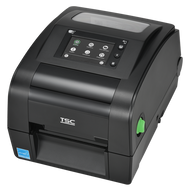
Understanding Thermal Transfer Printing: Equipment, Materials, and Uses
15th Apr 2026
Thermal transfer printing tends to get overlooked until durability becomes a problem. When labels start fading, smearing, or failing under heat and chemicals, the difference between printing methods suddenly matters. This is where thermal transfer technology stands apart; it’s built for environments where labels need to last, not just look good on day one.
This guide breaks down how thermal transfer printing works, the equipment involved, and how to choose the right materials for real-world applications.
How does a thermal label printer work?
At a glance, thermal printers look simple. No ink cartridges, no toner, just labels feeding through a compact machine. But the process behind thermal transfer printing is precise.
Thermal transfer printers use a heated printhead to transfer ink from a ribbon onto the label surface. The heat melts the ribbon coating, bonding it permanently to the material.
This process creates prints that are:
- Resistant to heat and moisture
- Resistant to smudging and abrasion
- Suitable for long-term use
Compare that to direct thermal printing, which uses heat-sensitive paper that can fade over time.
According to research, thermal printing technologies dominate industrial labelling due to their reliability and low maintenance, especially in logistics, manufacturing, and healthcare sectors.
Leading manufacturers like Honeywell and TSC design printers that optimize this process for high-volume, precision output, especially where barcode accuracy is critical.
Equipment: printers built for consistency
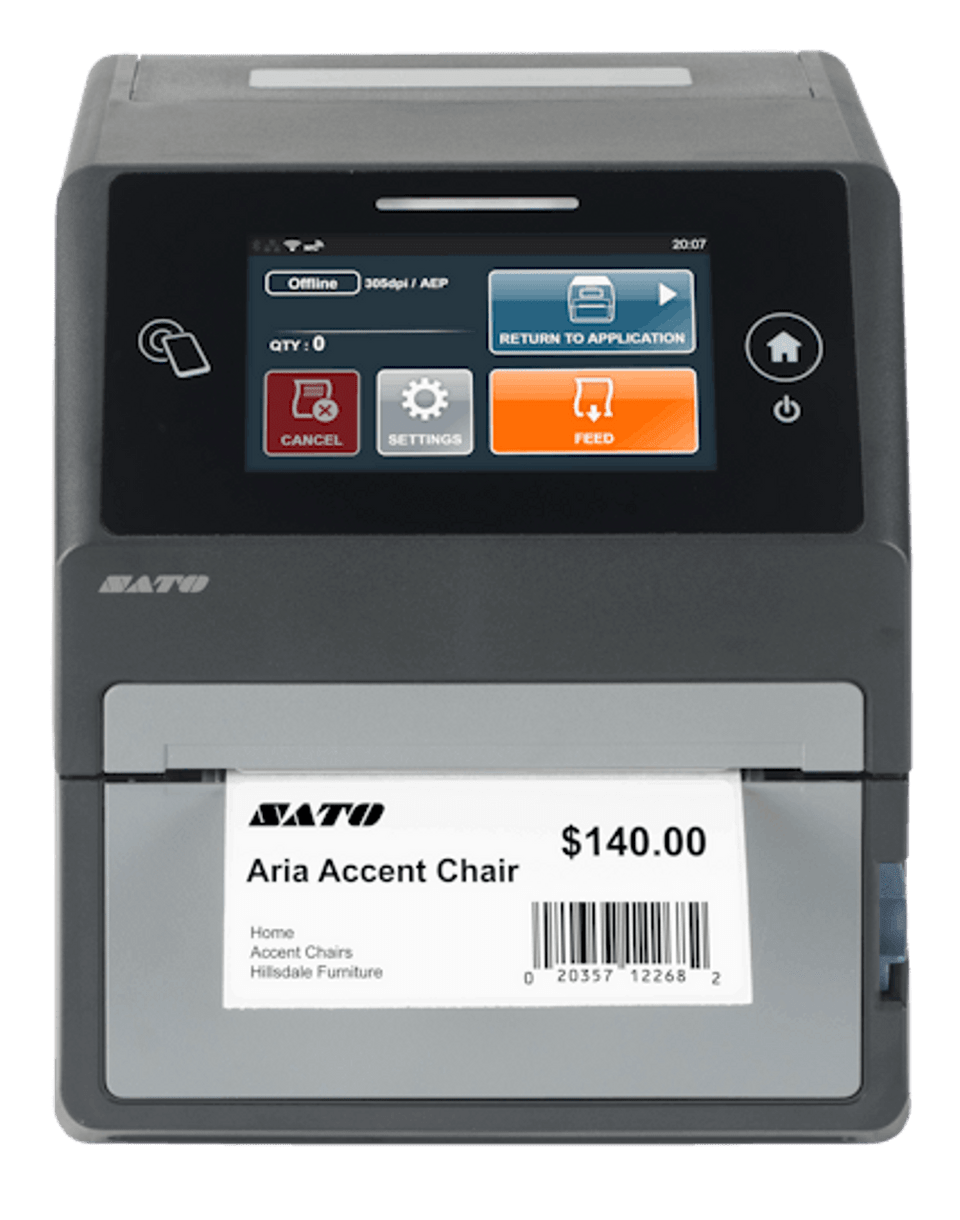
Not all thermal printers are designed for the same workload. Thermal transfer systems range from compact desktop units to full industrial machines.
Desktop printers
Ideal for:
- Small businesses
- Office environments
- Moderate print volumes
These are often used for product labelling, shipping, and inventory tags.
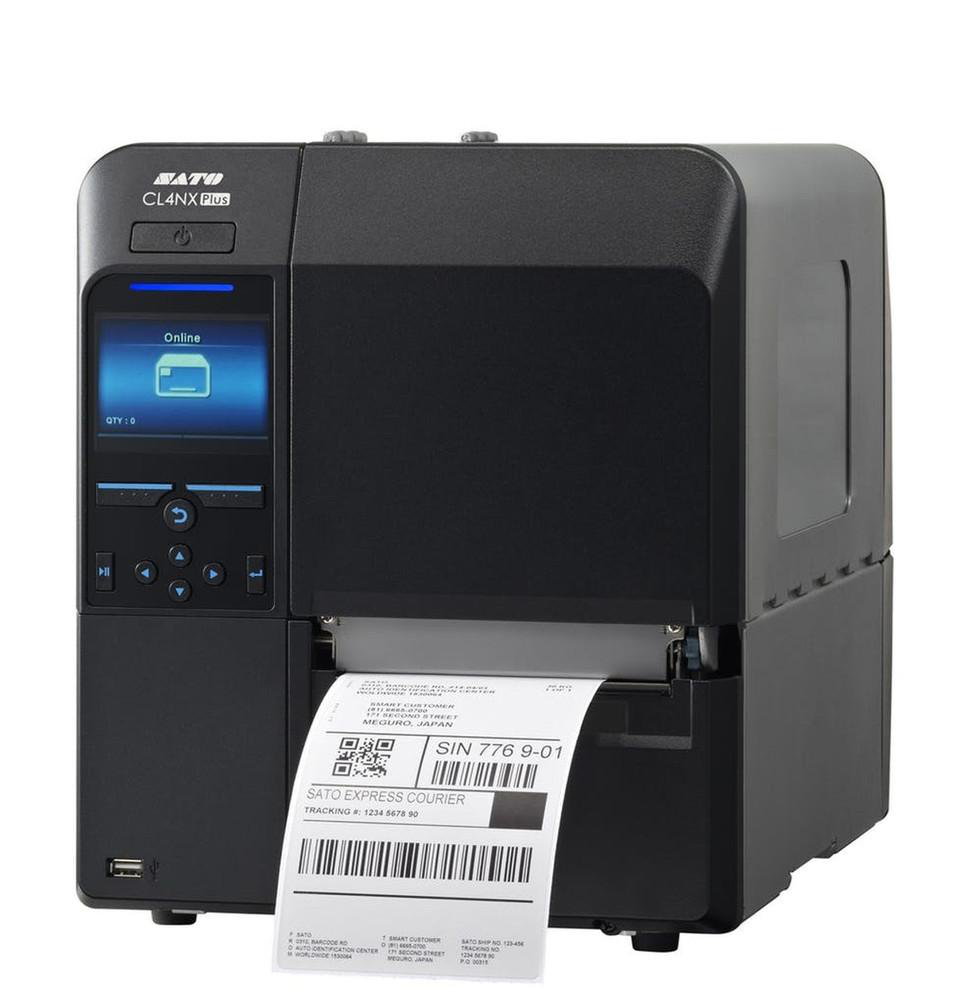
Industrial printers
Built for:
- Continuous operation
- Harsh environments
- High-volume output
Industrial printers from brands like Zebra Technologies and SATO Holdings typically feature metal construction, faster print speeds, and advanced connectivity options.
Industrial thermal printers can handle up to 5–10 times the output of desktop models without loss in print quality, making them essential for manufacturing and warehouse operations.
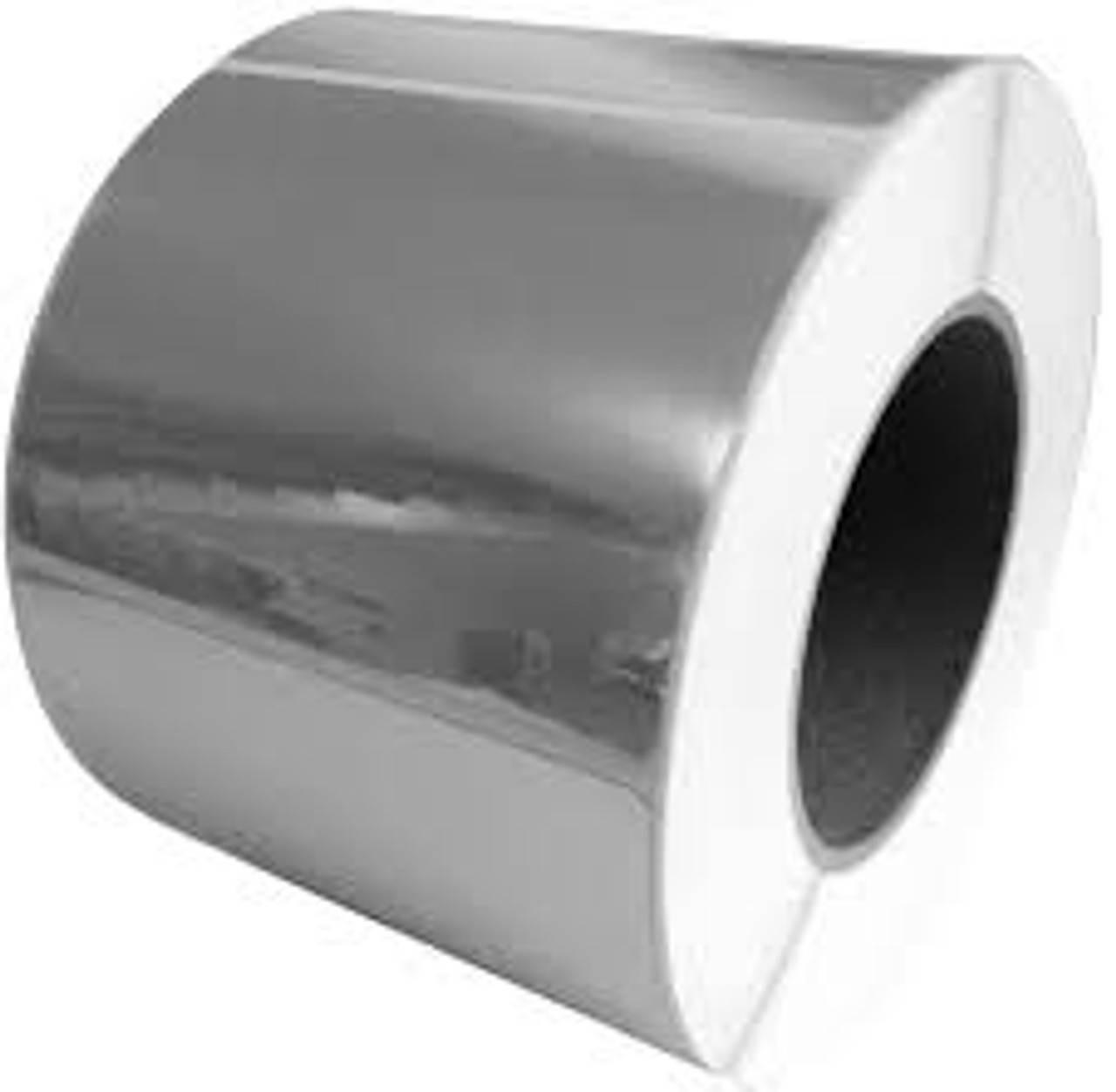
Materials: ribbons and labels matter more than you think
The quality of a thermal transfer print depends heavily on the ribbon and label combination.
Types of ribbons
Wax ribbons
- Cost-effective
- Best for paper labels
- Suitable for short-term use
Wax-resin ribbons
- More durable than wax
- Resistant to mild chemicals and abrasion
- Good balance of cost and performance
Resin ribbons
- Highest durability
- Resistant to heat, chemicals, and solvents
- Ideal for synthetic labels
Resin ribbons can withstand temperatures above 150°C and exposure to harsh chemicals without degrading print quality.
Label materials
Thermal transfer printing supports a wide range of materials:
- Paper labels: economical, short-term use
- Polypropylene (BOPP): moisture-resistant
- Polyester (PET): high heat resistance
- Vinyl: flexible for curved surfaces
Choosing the right combination of ribbon and label is critical. A high-end printer won’t compensate for mismatched materials.
What are thermal transfer labels used for?
Thermal transfer labels are designed for situations where durability is non-negotiable.
Common use cases include:
- Asset tracking and equipment labeling
- Compliance and certification labels
- Outdoor and industrial applications
- Long-term inventory storage
In industries like automotive and electronics, labels must remain legible for years. Traceability failures, which are often linked to poor labelling, can significantly increase operational costs.
Thermal transfer labels help prevent these issues by maintaining consistent readability over time.
Where thermal transfer fits in modern workflows
Thermal transfer printing isn’t limited to manufacturing. It plays a role across multiple industries:
- Logistics: durable barcodes for long transit times
- Healthcare: Resistant labels for sterilization and chemical exposure
- Retail: product and shelf labelling
- Electronics: heat-resistant component labels
Accurate labelling systems improve inventory accuracy rates, particularly when combined with barcode scanning and automated tracking.
Maintenance and long-term performance
Thermal transfer printers are known for reliability, but they still require basic maintenance.
Best practices:
- Clean the printhead regularly
- Use high-quality ribbons and labels
- Store supplies properly
- Calibrate the printer when changing materials
Proper maintenance not only extends the life of the printer but also ensures consistent print quality, especially important for barcode readability.
Thermal transfer printing isn’t just about producing labels; it’s about producing labels that last. From the printer itself to the ribbon and label material, every component plays a role in durability and performance.
For businesses dealing with demanding environments or long product lifecycles, thermal transfer systems offer a level of reliability that other printing methods struggle to match. When the right combination is in place, labels remain clear, scannable, and intact, no matter what conditions they face.
That’s where DuraFast Label Company fits into the picture. We offer a full range of thermal transfer printers, ribbons, and labels designed to work seamlessly across different applications, from product labelling to industrial tracking.
Our lineup includes trusted equipment from brands like Zebra Technologies to Honeywell, along with a wide selection of compatible wax, resin, and wax-resin ribbons and durable label materials such as polyester and polypropylene.
If label durability is becoming a concern, or you’re planning to scale, now is the time to invest in a system built for real-world conditions. Explore our thermal transfer solutions today and ensure your labels hold up exactly where it matters most.