
Thermal Transfer vs Direct Thermal Labels: What’s the Difference?
7th May 2026
If you’ve ever had a barcode fade halfway through a shipment or a product label peel off after a few weeks in storage, you already know that not all labels are created equal. The choice between thermal transfer and direct thermal labels quietly shapes how efficiently your operations run, affecting everything from scan accuracy to compliance and even customer satisfaction.
Thermal printing itself has become the default across industries because it removes the need for messy inks and toners. But within this category, these two distinct technologies, of thermal transfer and direct thermal, offer very different outcomes. Understanding those differences is what separates a smooth workflow from constant reprints and avoidable errors.
Let’s break down the real differences, advantages, and ideal use cases so you can make an informed decision for your labeling needs.
How Thermal Printing Actually Works
At its core, thermal printing uses heat to create images on labels. Instead of spraying ink, a heated printhead reacts with a chemically treated surface to produce text, barcodes, and graphics.
Direct thermal printing applies heat directly onto specially coated labels. Thermal transfer printing, on the other hand, uses heat to transfer ink from a ribbon onto the label surface. That single difference of whether a ribbon is involved ends up influencing durability, cost, and use cases in a big way.
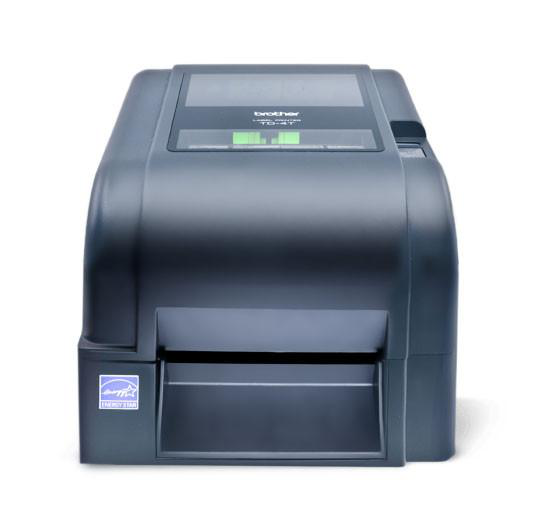
Direct Thermal Labels: Simplicity That Works Fast
Direct thermal labels are designed for speed and simplicity. The label itself contains a heat-sensitive coating that darkens when exposed to the printer’s thermal head. That means no ribbons, no cartridges, and fewer moving parts overall.
In fast-paced environments like shipping stations or retail counters, this simplicity is a major advantage. Teams using thermal barcode or shipping label printers often rely on direct thermal printing to reduce downtime and keep workflows moving.
There’s also a cost advantage at the start. Since there’s no ribbon involved, businesses save on consumables. That’s one reason why direct thermal labels are so widely used in logistics and e-commerce operations.
However, this convenience comes with trade-offs. The same chemical coating that enables printing is also sensitive to environmental conditions. Heat, sunlight, friction, and even certain chemicals can unintentionally cause the print to fade or darken. A label left in a hot delivery truck or exposed to direct sunlight for extended periods can become unreadable.
Direct thermal prints can degrade significantly when exposed to UV light and elevated temperatures over time. This makes them ideal for short-term use, but unreliable for anything that needs to last.
That’s why direct thermal labels are commonly used for shipping, receipts, and temporary identification like food packaging or event tickets. In these scenarios, the label only needs to remain readable for a short window, making durability less of a concern.
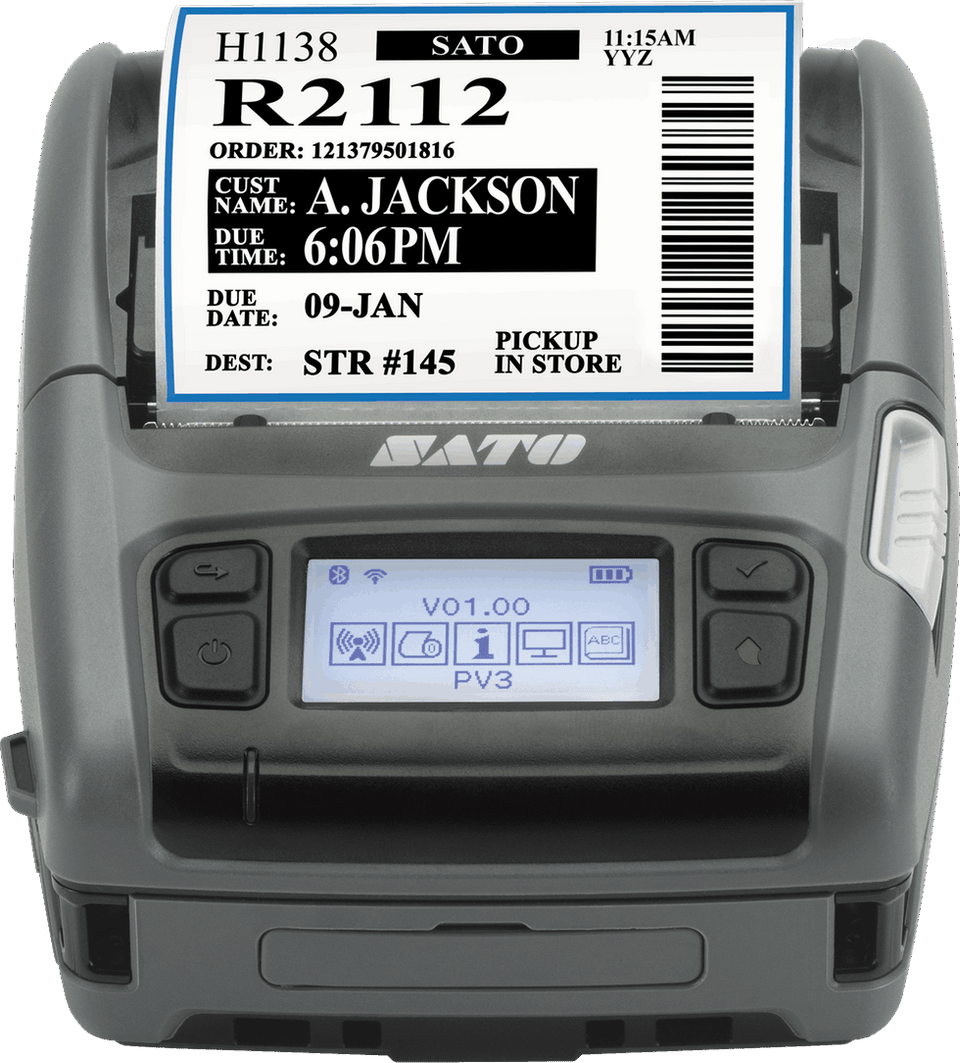
Thermal Transfer Labels: Built for Durability
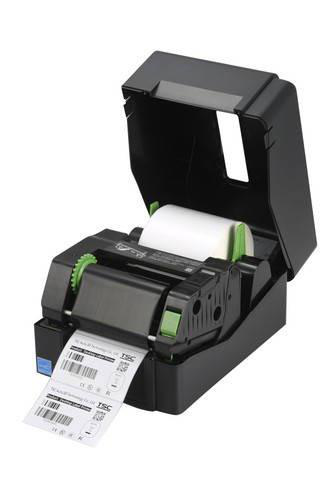
Thermal transfer labels take a different approach. Instead of relying on a reactive coating, they use a ribbon, typically made of wax, resin, or a mix of both. The printer heats the ribbon, melting the ink onto the label surface where it forms a strong, permanent bond.
This extra step adds complexity, but it also unlocks a level of durability that direct thermal simply can’t match.
Labels produced through thermal transfer printing are resistant to heat, moisture, chemicals, and abrasion. They’re designed to stay legible for months or even years, depending on the material used. This makes them essential in environments where labels are exposed to harsh conditions or need to remain readable over long periods.
Industries that depend on durable industrial labels or weatherproof labels almost always lean toward thermal transfer technology. It’s also the preferred choice for applications involving compliance labeling, asset tracking, and long-term inventory management.
Thermal transfer printing consistently delivers superior longevity and barcode readability compared to direct thermal methods, particularly in demanding environments.
Another major advantage is material compatibility. Thermal transfer printing works on a wide range of surfaces, including synthetics like polyester and polypropylene, as well as vinyl labels for industrial and outdoor use. This flexibility allows businesses to tailor their labels to specific conditions, whether that means exposure to oil, chemicals, or outdoor weather.
Of course, this durability comes at a cost. Thermal transfer printing requires ribbons, which means ongoing consumable expenses. Businesses often source these through options, depending on their printer compatibility.
Despite the added cost, many organizations find that the reduced need for reprinting and the improved reliability more than offset the expense.
The Real Difference Comes Down to Longevity
When comparing direct thermal and thermal transfer labels, the most important distinction isn’t the technology itself; it’s how long the printed image needs to last.
Direct thermal labels are designed for immediacy. They’re perfect for applications where labels are used quickly and then discarded. Shipping labels, for example, only need to survive the journey from warehouse to customer. Once the package arrives, the label has served its purpose.
Thermal transfer labels, on the other hand, are built for permanence. They’re meant to stay readable through storage, handling, and environmental exposure. This makes them essential for industries where labels are tied to safety, compliance, or long-term tracking.
If a barcode fades on a warehouse shelf or an asset tag becomes unreadable, the cost isn’t just a reprint; it’s lost time, scanning errors, and potential operational disruptions.
Cost Isn’t Just About Price; It’s About Performance
It’s easy to assume that direct thermal is the more economical option because it eliminates the need for ribbons. And in the short term, that’s true. Businesses using bulk thermal labels or running high-volume shipping operations often benefit from the lower upfront costs.
But over time, the equation changes.
Labels that fade or become unreadable need to be replaced. That means additional labor, wasted materials, and potential delays. In environments where accuracy is critical, those hidden costs can add up quickly.
Thermal transfer printing introduces an ongoing ribbon cost, but it reduces the likelihood of reprints and errors. For businesses managing complex labeling systems, the long-term reliability often justifies the investment.
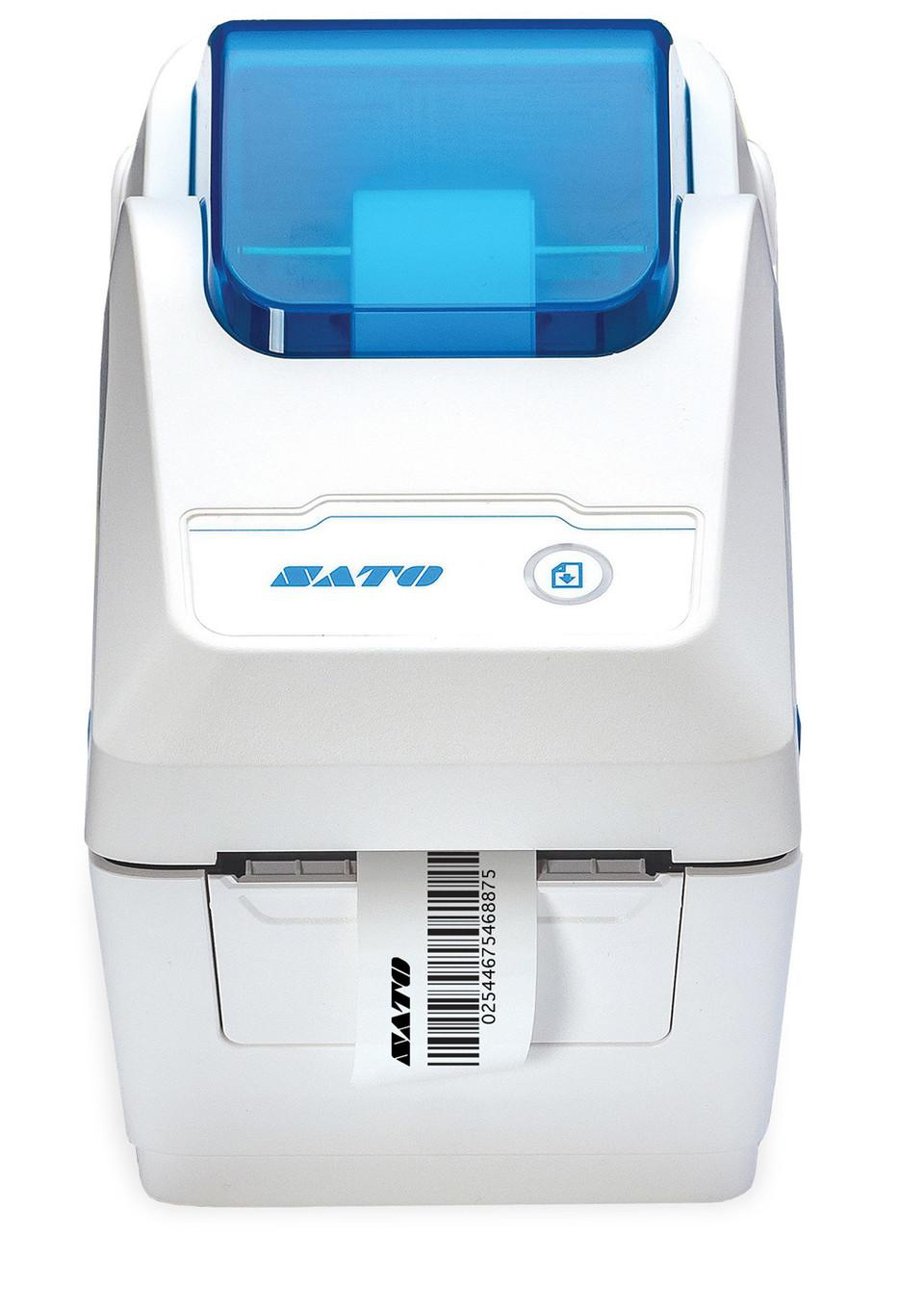
Equipment and Workflow Considerations
Not all printers are created equal, and the type of labels you choose will influence the equipment you need.
Direct thermal printers are generally simpler and easier to maintain. They’re commonly found in retail settings, shipping stations, and entry-level systems.
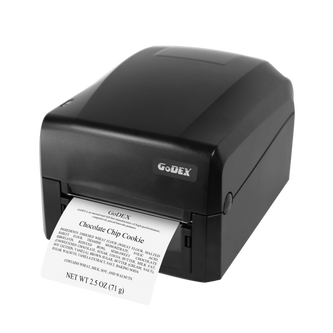
Thermal transfer printers are more versatile but also more complex. They require ribbon loading and calibration, but they can handle a broader range of materials and applications. These printers are often used in conjunction with tools like label applicators and label counter machine systems to streamline high-volume operations.
The Role of Software in Labeling Efficiency
Hardware is only part of the equation. The software behind your labeling system plays a major role in accuracy and efficiency.
Solutions like label software enable businesses to design, manage, and automate label production. This is particularly important for organizations producing custom product labels or managing large inventories.
With the right software, businesses can integrate labeling directly into their workflows, reducing manual errors and improving consistency across operations.
Materials Make a Bigger Difference Than Most People Expect
Even within the same printing method, the choice of label material can dramatically affect performance.
Direct thermal labels are typically paper-based, which keeps costs low but limits durability. Thermal transfer labels, by contrast, can be paired with a wide range of materials, including synthetics designed for extreme conditions.
For example, vinyl labels are commonly used in outdoor or industrial settings because they resist moisture, UV exposure, and physical wear.
Choosing the right material is just as important as choosing the right printing method.
Where Each Technology Fits Best
Direct thermal printing dominates in environments where speed and simplicity matter most. Retail, logistics, and e-commerce operations rely heavily on it because it keeps costs down and processes efficient. Businesses using shipping labels often prioritize throughput over longevity.
Thermal transfer printing, meanwhile, is essential in industries where labels need to endure. Manufacturing, healthcare, and warehousing operations depend on it for compliance, safety, and long-term tracking.
Emerging Trends in Label Printing
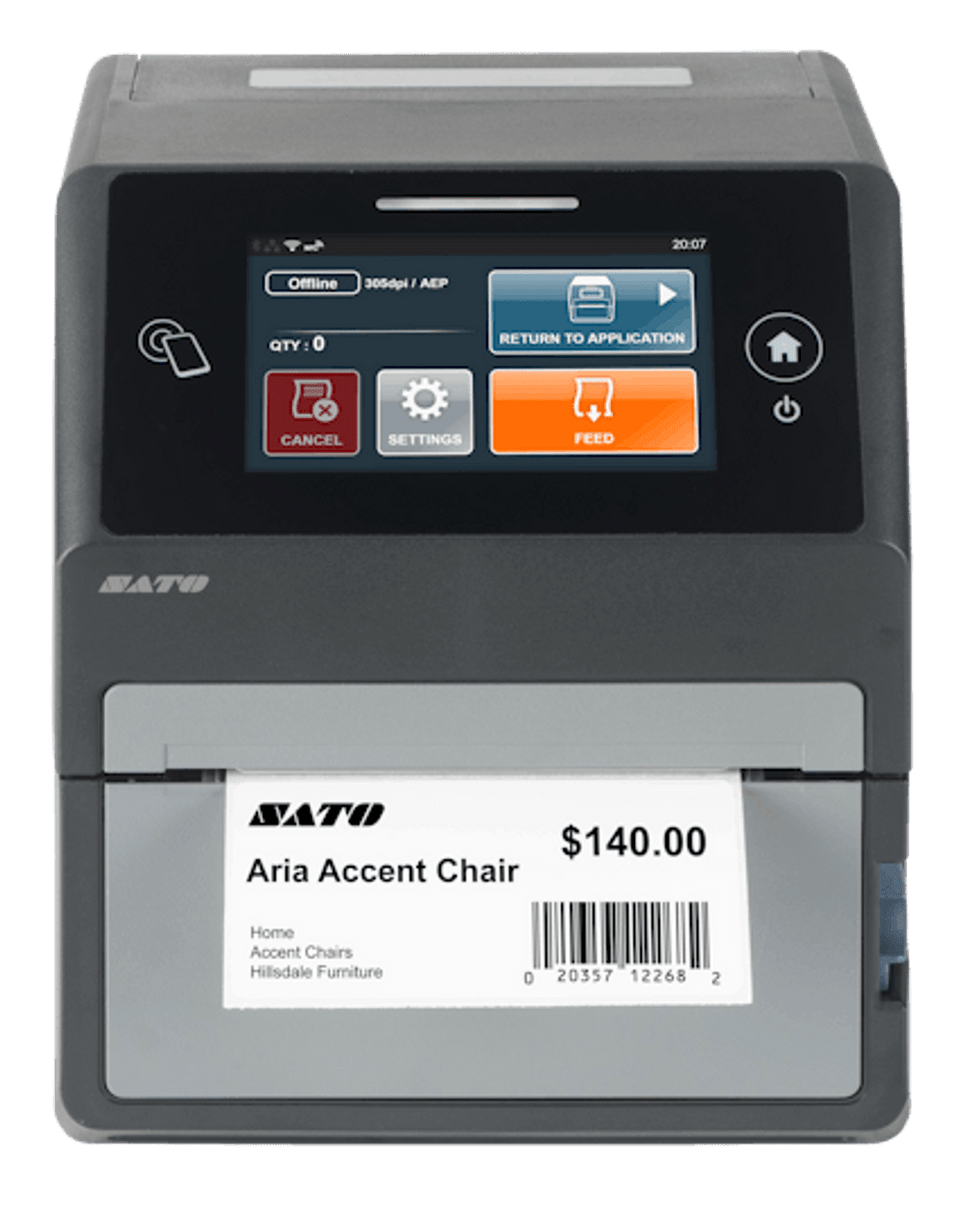
The labeling industry continues to evolve alongside broader technological trends. Businesses are increasingly adopting advanced solutions like RFID label printers to improve tracking and automation.
There’s also growing demand for color labeling, driven by the need for better product differentiation and branding. This has led to increased adoption of color label printers.
At the same time, mobility and flexibility are becoming more important. Portable solutions and wireless tools are helping teams work more efficiently across different environments.
FAQs
1. Do direct thermal labels fade over time?
Yes, they do. Direct thermal labels are sensitive to heat, light, and friction, which can cause the printed image to fade or darken. This makes them best suited for short-term applications.
2. Why are thermal transfer labels more durable?
Thermal transfer labels use a ribbon to apply ink onto the label surface, creating a strong bond that resists environmental factors like heat, moisture, and chemicals.
3. Can I switch between direct thermal and thermal transfer printing?
Some printers support both methods, especially higher-end models. However, thermal transfer printing requires compatible ribbons, so you’ll need to ensure your setup supports both.
4. Which option is better for outdoor use?
Thermal transfer labels are the better choice for outdoor environments, especially when combined with durable materials like vinyl or polyester.
Choosing between direct thermal and thermal transfer labeling ultimately comes down to how long your labels need to last, the environment they’ll face, and the level of performance your operation demands. Some businesses prioritize speed and simplicity for high-volume daily shipping, while others require long-term durability for compliance, asset tracking, and industrial use.
For businesses looking to implement or upgrade their labeling systems, DuraFast Label Company provides a complete range of industrial and commercial label printing solutions in Canada designed to support these exact needs.
Our offerings include thermal label printers and thermal transfer printers that support both direct thermal and thermal transfer workflows. With a wide selection of consumables such as thermal transfer labels, ribbons for major brands, and specialty materials including vinyl and weatherproof labels, we help businesses streamline operations across logistics, manufacturing, retail, and healthcare.
If your business is ready to improve accuracy, reduce labeling errors, and upgrade to more reliable printing systems, now is the time to explore professional-grade solutions.
Contact us today to explore our printing solutions and upgrade your labeling workflow with reliable printers, durable materials, and complete printing systems designed for industrial performance.