RFID Label Printing Explained: How It Works and Where It’s Used
8th May 2026
Barcodes made tracking faster. RFID took it a step further by removing the need to scan anything at all. Instead of requiring line-of-sight, RFID labels communicate wirelessly, allowing businesses to track items in bulk, in motion, and in real time.
That shift changes how inventory is managed, how assets are monitored, and how supply chains stay visible from end to end. But behind that convenience is a combination of specialized printers, encoding technology, and compatible label materials that all need to work together.
This guide is designed to help you understand how RFID label printing works.
How do RFID label printers work?
RFID label printing combines two processes into one: printing and encoding.
An RFID printer doesn’t just print text or barcodes; it also programs a tiny chip embedded inside the label. This chip stores data that can be read wirelessly using radio frequency signals.
Here’s how the process works:
- The printer sends data to the RFID chip via an encoder
- The chip stores a unique identifier or product information
- The printer then prints visible information (text, barcode) on the label surface
- The label is verified to ensure the chip was encoded correctly
This dual process ensures that both human-readable and machine-readable data are aligned.
Industrial RFID-capable systems from brands like Honeywell are widely used because they integrate encoding and printing into a single workflow.
According to research, RFID can improve inventory accuracy while reducing manual labour significantly, especially in high-volume environments.
What is the best RFID label printer for businesses?
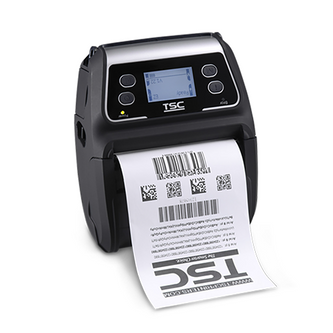
The “best” RFID printer depends less on brand and more on how the system will be used.
Key factors to consider:
- Encoding capability
Not all RFID printers support the same chip types or frequencies (UHF, HF). Compatibility matters. - Print and encode speed
High-volume operations require printers that can encode and print without slowing down production lines. - Integration with existing systems
RFID printers should connect seamlessly with warehouse management systems (WMS) or ERP platforms. - Durability and build quality
Industrial environments demand rugged machines capable of continuous use.
Manufacturers like Zebra Technologies and Honeywell offer RFID-enabled models designed for logistics, retail, and manufacturing applications, while SATO Holdings is known for precision encoding and compliance-focused solutions.
RFID vs barcode: where each fits
RFID doesn’t replace barcodes entirely; it complements them.
Barcode systems:
- Require line-of-sight scanning
- Lower cost
- Ideal for smaller-scale operations
RFID systems:
- No line-of-sight required
- Can scan multiple items simultaneously
- Higher upfront cost but greater automation
RFID adoption in supply chains tends to reduce inventory counting time significantly, especially in large warehouses and retail environments.
This makes RFID particularly valuable in operations where speed and scale matter more than initial cost.
Where RFID label printing is used
RFID technology has moved far beyond niche applications. Today, it’s used across multiple industries where visibility and accuracy are critical.
Logistics and warehousing
RFID enables real-time tracking of pallets, cartons, and individual items without manual scanning.
Retail
Apparel retailers use RFID to track inventory across stores and warehouses, improving stock accuracy and reducing shrinkage.
Manufacturing
RFID labels track components through production lines, ensuring traceability and quality control.
Healthcare
Hospitals use RFID to monitor equipment, medications, and patient records with high accuracy.
How to choose the right labels for my printer?
RFID labels introduce additional complexity compared to standard labels. It’s not just about size or adhesive; the chip and antenna design must also match the application.
Key considerations:
- Frequency type (UHF vs HF)
Different applications require different signal ranges and capabilities. - Surface material
Metal surfaces, liquids, and environmental conditions can affect RFID performance. - Adhesive strength
Labels must stay attached without interfering with signal transmission. - Printer compatibility
Not all RFID labels work with all printers.
Suppliers offering RFID solutions typically provide tested combinations of printers, labels, and ribbons to ensure proper encoding and performance.
Integration with modern systems
RFID becomes most powerful when integrated with digital systems.
These include:
- Warehouse management systems (WMS)
- Enterprise resource planning (ERP) platforms
- Inventory tracking software
- Automated logistics systems
Once integrated, RFID allows businesses to:
- Track inventory in real time
- Automate stock counts
- Improve order accuracy
- Reduce manual labor
As RFID systems become more integrated into daily operations, they stop being seen as advanced technology and start functioning as infrastructure. The ability to track items without manual scanning, maintain real-time visibility, and reduce human error creates a level of operational clarity that traditional systems struggle to match.
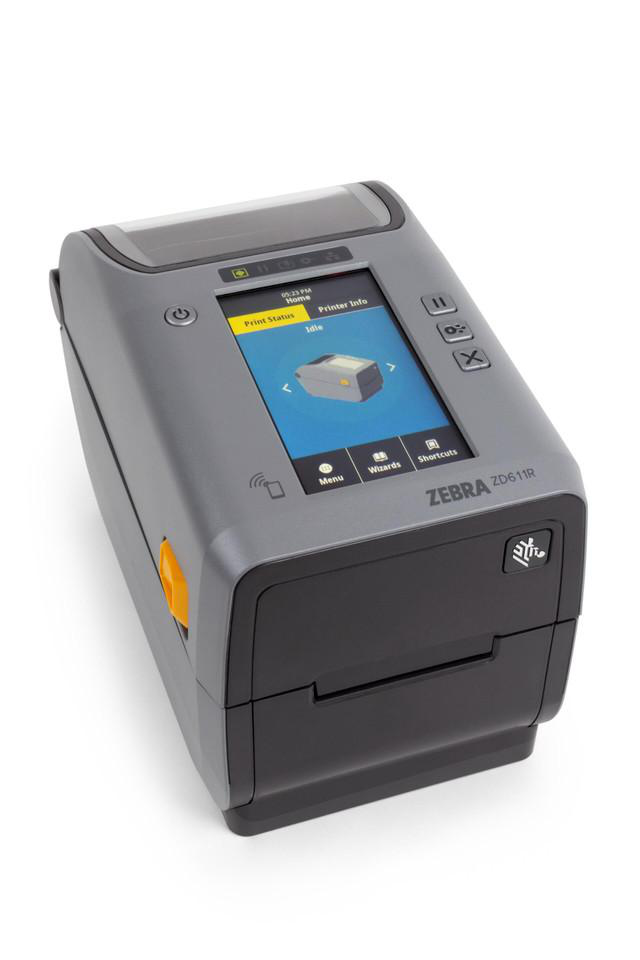
For businesses ready to move in that direction, DuraFast Label Company provides the kind of end-to-end ecosystem RFID depends on. Our offering includes a wide range of RFID printers along with compatible RFID labels, readers, and mobile computing solutions designed to work together seamlessly.
Our solutions are built to support logistics, manufacturing, and asset tracking workflows where accuracy and automation are critical.
If improving visibility, reducing manual processes, and building a more connected operation is the goal, now is the time to invest in RFID systems that are designed to scale. Explore professional RFID labelling solutions and create a workflow where every item is tracked, without slowing anything down.