
Instrument Panel Labeling: How to Create Durable Labels for Industrial Control Systems?
17th Feb 2026
Key Highlights
-
Clear, consistent instrument panel labels reduce errors, downtime, and safety risks in industrial control systems.
-
Standardized labeling improves compliance, maintenance workflows, and long-term system documentation accuracy.
-
Durable laminated labels withstand heat, chemicals, vibration, and harsh industrial environments.
-
Proper label sizing, placement, and color contrast improve visibility and technician efficiency.
-
Industrial label printers enable on-site, accurate labeling for panels, breakers, and wiring.
-
Barcode and QR code integration connects physical panels with digital documentation systems.
-
Using professional-grade tapes ensures strong adhesion and long-lasting legibility on control equipment.
Unclear or missing instrument panel labels create serious risks, misidentification, longer downtime, failed inspections, and potential safety incidents in high-voltage or automated environments.
The goal of proper instrument panel labeling is simple: improve safety, accuracy, and efficiency while ensuring labels remain readable and durable throughout the system’s lifecycle.
This guide explains why labeling matters, what standards to follow, which materials work best, and how to create professional, long-lasting labels using industrial-grade tools and best practices.
Why Is Instrument Panel Labeling Essential for Safe and Efficient System Operation?
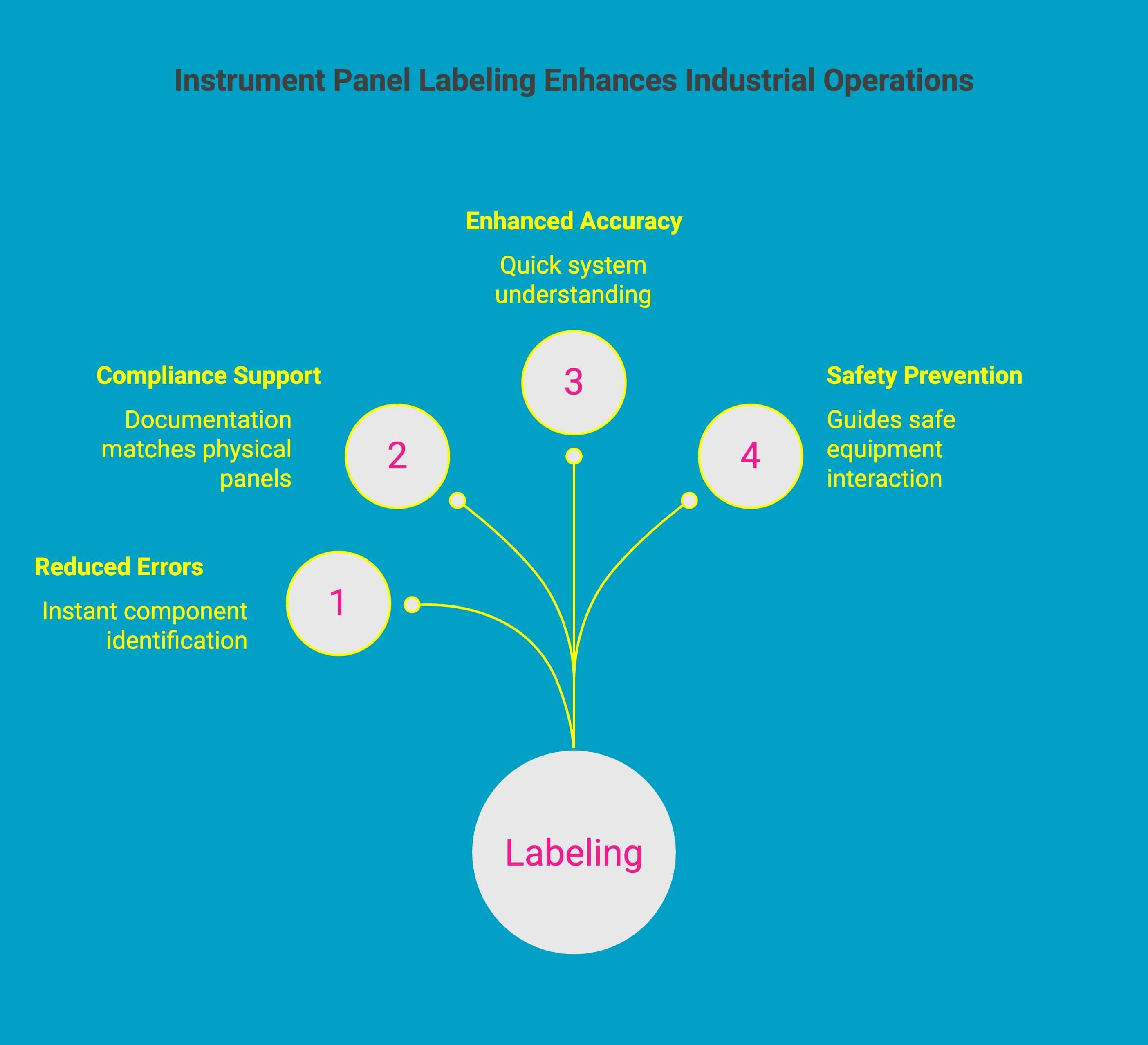
Instrument panel labeling is not cosmetic; it functions as a core safety and efficiency system within industrial operations. Clear, standardized identification supports safe equipment handling, faster maintenance, reduced downtime, and compliance, ensuring technicians interact confidently with complex electrical and automated control systems daily everywhere today.
Together, these benefits explain why labeling is critical across industrial environments.
1. Clear Identification Reduces Errors and Downtime
Clearly labeled switches, breakers, PLCs, and terminals allow technicians to identify components instantly. This minimizes accidental shutoffs, wiring mistakes, and misinterpretation during repairs or upgrades, significantly reducing troubleshooting time, unplanned outages, and costly downtime across complex industrial control environments in daily operational production settings facilities.
2. Supports Regulatory Compliance and Maintenance Workflows
Many industrial and electrical standards require permanent, legible identification of circuits and control components. Consistent labeling supports inspections, preventive maintenance, and audits by ensuring documentation matches physical panels, reducing compliance risks, rework, and delays during regulatory reviews or system expansions across complex facilities, operations, sites.
3. Enhances Technician Accuracy and Troubleshooting
Standardized naming, placement, and formatting help technicians understand systems quickly, even when unfamiliar. Clear labels reduce guesswork during diagnostics, speed fault isolation, and support collaboration across shifts or vendors, ensuring accurate actions are taken under pressure or time-sensitive maintenance conditions in demanding industrial operational environments.
4. Prevents Safety Hazards in Industrial Control Systems
Missing or incorrect labels increase risks such as arc flash incidents, unintended startups, and lockout failures. Durable, clearly printed labels guide safe interactions with energized equipment, support proper shutdown procedures, and help protect personnel, assets, and production continuity throughout the system lifecycle in industrial environments.
When applied correctly, instrument panel labeling becomes a permanent safeguard for safety, efficiency, and operational reliability.
What Should Be Included in an Instrument Panel Labeling Guide?

A well-defined instrument panel labeling guide creates consistency across every control panel, system, and location. It reduces confusion, speeds maintenance, supports compliance, and ensures labels remain effective in demanding environments, from manufacturing floors to aviation-grade cockpit systems exposed to extreme temperatures and operational complexity.
A complete guide should address structure, visibility, durability, and future traceability.
1. Naming Conventions And Equipment Identification
Standardized naming for breakers, relays, drives, and PLC I/O ensures technicians immediately recognize components. Clear identifiers prevent errors during maintenance, reduce reliance on memory, and make system documentation easier to follow, especially when multiple teams service the same control panel over time.
2. Color Coding And Symbol Usage
Using a variety of colors and standardized symbols helps differentiate voltages, functions, and emergency circuits at a glance. This improves recognition in high-pressure environments, supports multilingual teams, and aligns labeling practices used in specialized industries such as aviation and complex industrial installations.
3. Text Size, Spacing, And Placement Guidelines
Labels must remain readable without obstructing switches, indicators, or gauges. Proper sizing and spacing prevent clutter and reduce the need for rework, which can otherwise become labor intensive in dense panels or retrofits where poor placement compromises visibility and usability.
4. Barcode Or QR Code Integration For Digital Tracking
QR codes and barcodes connect physical labels to schematics, manuals, and maintenance logs. This is often the easiest way to bridge physical panels with digital records, reducing lookup time and improving traceability without relying on fragile overlays or a clear coat finish.
When these elements are defined upfront, labeling stays consistent, durable, and scalable as systems evolve.
How to Create Instrument Panel Labels Using the Brother PT-E560BTVP?
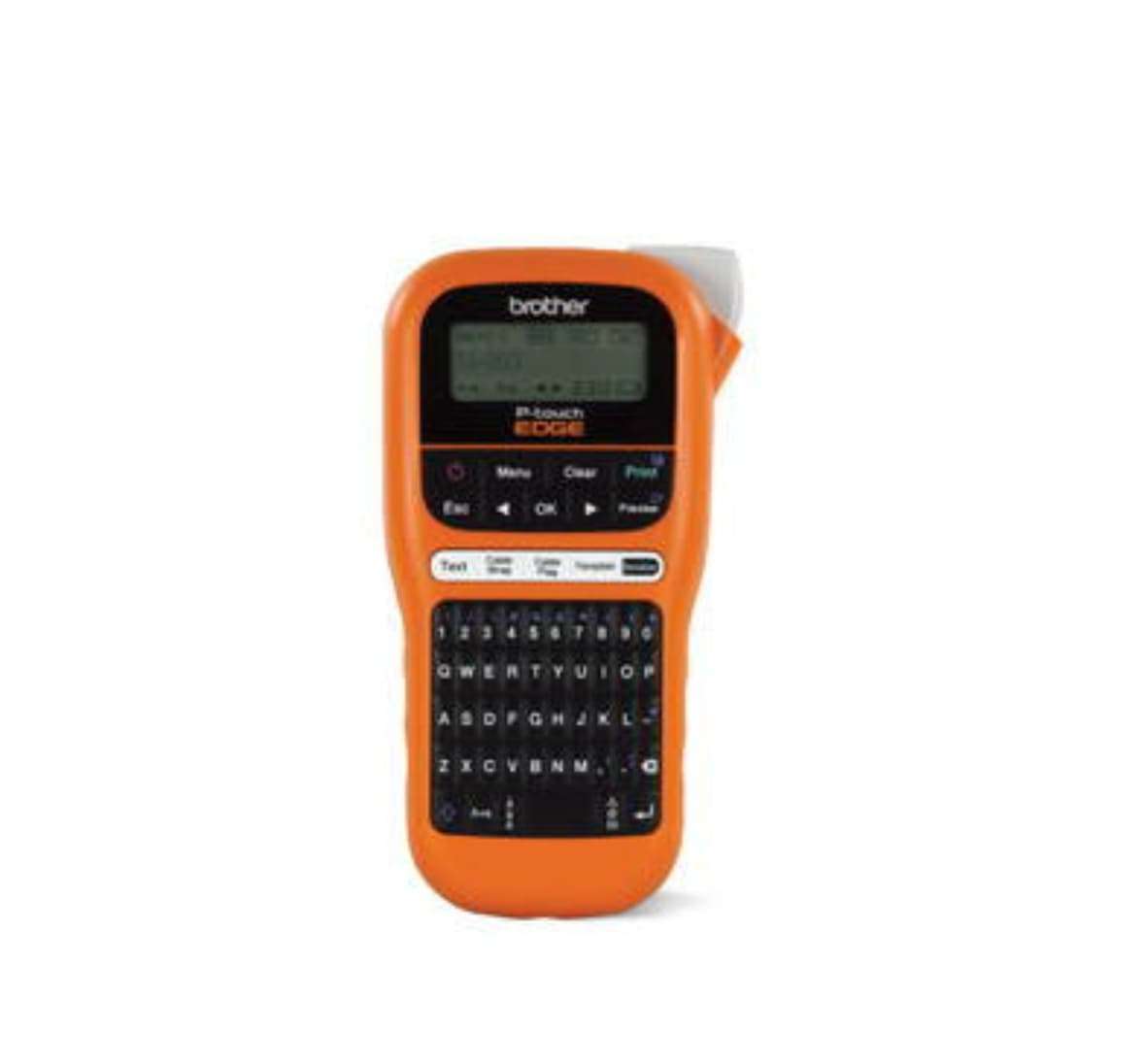
Creating durable instrument panel labels requires a structured workflow, industrial-grade materials, and reliable hardware. The Brother PT-E560BTVP is designed to support electricians and technicians with fast setup, consistent formatting, and on-site printing for demanding industrial environments.
Following a repeatable process ensures accuracy, durability, and long-term readability.
1. Step-By-Step Printing Workflow
Built-in templates guide users through panel, breaker, and cable label creation. Technicians select formats, enter text, preview layouts, and print instantly, reducing material waste and preventing formatting errors that often occur with manual or non-specialized labeling tools.
2. Selecting Laminated Label Tape For Durability
Laminated tapes seal printed text between protective layers, shielding it from abrasion, moisture, chemicals, and UV exposure. This construction ensures labels remain legible and firmly adhered in industrial environments where standard labels fade, peel, or fail prematurely.
3. Using Serialization, Multi-Line Printing, And Templates
Automatic serialization creates consistent numbering across panels and circuits, reducing documentation errors. Multi-line printing allows detailed identifiers without clutter, while reusable templates ensure uniform formatting across multiple projects, panels, or facilities over extended maintenance cycles.
4. Bluetooth And Database Printing Advantages
Bluetooth connectivity enables direct printing from mobile devices or laptops, improving flexibility on job sites. Database printing pulls exact text from spreadsheets or documentation, eliminating manual entry errors and ensuring physical labels match system records precisely.
5. Best Tape Sizes For Breaker Panels And Control Boxes
Wider tape sizes improve readability for breakers, disconnects, and main identifiers, while narrower tapes suit terminal blocks and dense control layouts. Selecting the correct width ensures clear visibility without overcrowding or interfering with panel components.
By combining structured workflows with industrial-grade features, this approach delivers reliable, professional instrument panel labels every time.
What Instrument Panel Label Materials Are Best for Industrial Applications?
Choosing the right label material directly impacts readability, adhesion, and lifespan in demanding industrial environments. The table below compares the most effective instrument panel label type, outlining recommended tapes, ideal use cases, and key benefits for long-term reliability.
|
Label Type |
Recommended Tape |
Best Use |
Key Benefits |
|---|---|---|---|
|
Extra-strong laminated labels |
TZe-S series |
Textured metals & rough surfaces |
Superior adhesion and chemical resistance |
|
Heat shrink tape |
HSe series |
Wiring behind panels |
Permanent, shrink-on fit |
|
Flexible ID |
TZe-FX |
Curved or uneven surfaces |
Bendable, crack-resistant durability |
|
Standard laminated |
TZe standard |
Smooth panel surfaces |
Clean appearance, long-lasting |
Each material addresses a specific challenge, from oily enclosures to tight wire bundles, ensuring labels remain legible throughout the equipment’s service life.
How to Ensure Instrument Panel Labels Remain Readable and Durable Over Time?
Long-term label performance depends on selecting the right materials and applying them correctly. Industrial environments expose labels to mechanical, chemical, and environmental stress, making durability and visibility essential for maintaining safety, accuracy, and compliance throughout the equipment’s operational lifespan.
Focusing on these factors helps labels perform reliably for years.
1. Environmental Resistance Requirements
Instrument panel labels must withstand heat, oil, vibration, dust, and routine cleaning agents without fading or peeling. Selecting materials designed for harsh conditions ensures legibility and adhesion remain intact despite constant exposure to industrial stressors.
2. Choosing High-Contrast Text And Backgrounds
High-contrast combinations such as black-on-white or black-on-yellow improve readability in low-light areas and emergency situations. Clear contrast reduces eye strain, speeds identification, and ensures critical information remains visible at a glance.
3. Proper Surface Cleaning Before Label Placement
Surfaces should be cleaned to remove dust, oil, and moisture before applying labels. Proper preparation allows adhesives to bond correctly, preventing premature lifting, curling, or detachment that compromises label effectiveness.
4. Laminated Print Technology Vs Inkjet Alternatives
Thermal laminated labels protect text between layers, resisting smearing, abrasion, and fading. Inkjet or overlay-based labels deteriorate quickly in industrial conditions, making laminated print technology the preferred long-term solution.
When material selection and installation are done correctly, instrument panel labels maintain clarity and durability over time.
How Can Instrument Panel Labeled Models Improve Workflow and Maintenance?
Consistent instrument panel labeling fundamentally improves how teams interact with control systems. Standardized, well-placed labels reduce confusion, support faster decision-making, and create predictable workflows that scale across facilities, teams, and equipment lifecycles in complex industrial environments.
These improvements directly impact daily operations and long-term maintenance efficiency.
1. Consistent Labeling Improves Operational Clarity
Uniform labels allow technicians to understand system layouts instantly, even when working across multiple facilities or unfamiliar panels. Clear identification eliminates guesswork, reduces misinterpretation, and ensures components are handled correctly during routine operations and maintenance tasks.
2. Faster Equipment Servicing And Changeovers
Clearly labeled components enable technicians to locate switches, breakers, and terminals quickly. This reduces downtime during repairs, upgrades, or changeovers and helps restore systems to operation faster, minimizing production disruptions and associated costs.
3. Helps New Technicians And Reduces Training Time
Clear, standardized labels act as built-in guides for new technicians. They reduce reliance on tribal knowledge, shorten onboarding time, and help prevent errors while staff gain familiarity with complex control systems and procedures.
4. Digital Documentation And Scan-To-Lookup Options
QR-enabled labels link physical panels to schematics, manuals, and maintenance histories. This scan-to-lookup capability improves accuracy, reduces documentation search time, and supports data-driven maintenance decisions.
When applied consistently, instrument panel labeling becomes a powerful tool for workflow efficiency and maintenance reliability.
What Are Common Mistakes to Avoid When Labeling Instrument Panels?
Even well-intentioned labeling efforts can fail if common mistakes are overlooked. Avoiding these errors is critical for maintaining safety, readability, and long-term reliability in industrial control environments where clarity and durability directly impact operations.
Addressing these issues early prevents costly rework and safety risks.
1. Poor Placement Near Switches And Gauges
Labels placed too close to switches, indicators, or gauges can obstruct visibility and interfere with operation. Poor placement increases the risk of misreading controls or making incorrect adjustments during maintenance or emergency situations.
2. Using Non-Durable Paper Or Ink-Based Labels
Office-grade paper or ink-based labels degrade quickly when exposed to heat, moisture, oils, and cleaners. Fading, smearing, or peeling labels compromise identification and can create long-term safety and compliance issues.
3. Inconsistent Naming And Numbering
Inconsistent terminology or numbering across panels confuses technicians and increases troubleshooting time. Mismatched labels make documentation unreliable, slow down maintenance, and raise the likelihood of errors during system modifications or repairs.
4. Using Incorrect Tape Width Or Adhesive Strength
Choosing the wrong tape width reduces readability, while insufficient adhesive strength leads to peeling or detachment. Both issues undermine label effectiveness and require frequent replacement or corrective work.
By avoiding these mistakes, instrument panel labeling remains clear, durable, and dependable throughout the system’s lifecycle.
Where Can You Buy Supplies for Instrument Panel Labeling?
Reliable labeling supplies are essential for achieving professional, long-lasting results in industrial environments. Using genuine, industrial-grade materials ensures labels remain legible, securely bonded, and compliant under harsh conditions.
DuraFast Label Company is a trusted Canadian supplier of Brother-compatible industrial labeling solutions, including TZe laminated tapes, extra-strong adhesive labels, flexible ID tapes, and heat-shrink options engineered for demanding electrical and control panel applications.
Contact us to upgrade your labeling workflow today and explore DuraFast Label Company’s industrial tape solutions to equip your team with materials built to perform where it matters most.
Conclusion
Professional instrument panel labeling is a foundational element of safe, efficient, and compliant industrial operations. Durable, accurate labels reduce errors, speed maintenance, and extend the usable life of control equipment.
By combining robust laminated materials with a purpose-built printer like the Brother PT-E560BTVP, industrial teams can produce high-visibility labels that perform reliably in demanding environments, on-site, on-demand, and built to last.
Frequently Asked Questions
What tape materials are best for labeling metal instrument panels?
Extra-strong laminated tapes, such as TZe-S series, are best for metal instrument panels because they bond securely to textured surfaces, resist oils and solvents, tolerate heat, and maintain legibility despite vibration, abrasion, and long-term industrial exposure.
Are laminated instrument panel labels chemical and heat-resistant?
Yes, laminated industrial labels are engineered to resist common chemicals, oils, cleaners, moisture, and elevated temperatures. The protective laminate seals printed text, preventing fading, smearing, or peeling in demanding environments like factories, plants, and control rooms.
Can I print barcodes or symbols for industrial labels?
Modern industrial label printers support barcodes, QR codes, and standardized electrical symbols. These features enable asset tracking, digital documentation access, and clearer communication, improving maintenance accuracy and integration with computerized maintenance management and inventory systems.
What width tape works best for switches and breaker panels?
For breaker panels and switches, medium to wide tape widths offer better readability and spacing. Narrow tapes suit terminal blocks, while wider labels accommodate multiline text, clear identifiers, and safer visibility during maintenance and emergency operations.
Do Brother P-touch printers work on-site for field labeling?
Yes, industrial Brother P-touch printers are designed for field use. Battery operation, rugged carrying cases, and Bluetooth connectivity allow technicians to create durable labels on-site, ensuring accuracy during installation, maintenance, and system modifications.
What are some ideas for custom instrument panel label designs?
Custom instrument panel labels can include colour coded safety warnings, engraved or laminated text, icon based indicators, backlit labels, serial numbering, and materials designed to withstand heat, chemicals, vibration, and frequent handling.
Where can I find templates or diagrams for labeling a car or aircraft instrument panel?
Templates and diagrams can be found in manufacturer service manuals, aviation maintenance guides, OEM documentation, CAD libraries, and professional label suppliers who offer downloadable layouts designed to meet automotive and aviation standards.
What Is an Instrument Panel Labelled Model?
An instrument panel labelled model is a standardized labeling framework where every control, component, and connection is clearly identified using consistent naming, placement, and durable materials, improving safety, maintenance efficiency, compliance, and long-term usability across industrial control systems.