Understanding When to Use Inkjet, Laser, or Thermal Labels
30th Jan 2026
In today’s fast-paced business environment, labelling is more than a finishing touch—it’s an essential part of brand identity, logistics, and compliance. From packaging consumer goods to tracking assets in warehouses, every industry depends on clear, durable, and professional labels. However, selecting the right printing method can make a significant difference in quality, efficiency, and cost. Knowing when to use inkjet, laser, or thermal printing ensures the best results for both short-term and long-term labelling needs.
When businesses look to buy laser sheet labels online, understanding the difference between these printing technologies helps match the label type with the correct application, ensuring reliability and performance across different operating environments.
The Fundamentals of Inkjet Labels
Inkjet labels are known for their exceptional print quality and vibrant colour output. These labels are produced by spraying microscopic droplets of ink onto specially coated surfaces, resulting in rich, detailed imagery. They are ideal for businesses prioritizing presentation, such as cosmetics, gourmet foods, or retail products.
Inkjet labels can reproduce fine gradients, photographic images, and sharp text, making them suitable for high-end branding or custom packaging. The key is using the right ink type—dye-based inks offer vivid colours, while pigment-based inks provide resistance against moisture and UV exposure.
Durability varies depending on the label material and ink formulation. Using affordable blank inkjet labels with a protective laminate can extend their lifespan, especially in environments prone to humidity or handling. For short runs and variable data printing—like barcodes or personalized product batches—inkjet technology provides excellent flexibility and cost control.
Inkjet label printing also supports a wide range of substrates, from matte and glossy papers to synthetics such as polypropylene. This versatility makes it ideal for industries that frequently update designs or manage limited-edition product lines without sacrificing professional results.
When Laser Labels Make the Most Sense
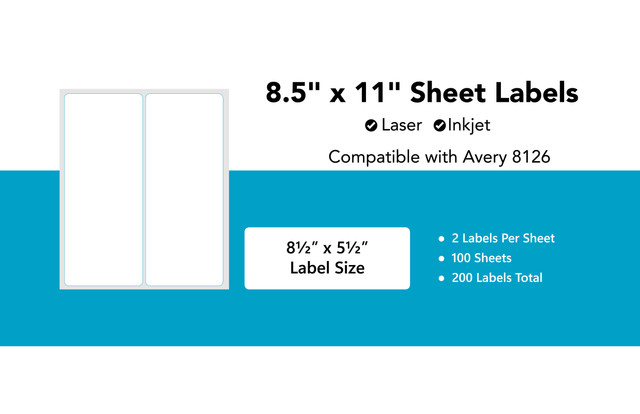
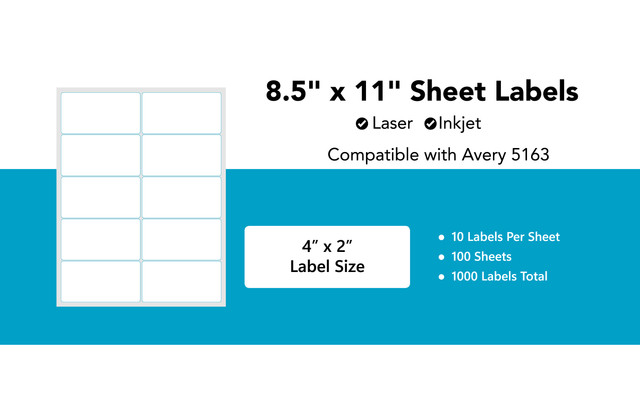
Laser printing technology offers precision, speed, and clean results. It uses heat to bond toner onto the label surface, producing crisp text and solid colours that resist smudging. Businesses often buy laser sheet labels online for office use, logistics, and professional documentation, where large volumes and consistent readability are priorities.
Laser labels excel in settings that demand high throughput and minimal maintenance. The toner-based process ensures that prints dry instantly, eliminating the risk of smearing during high-speed application. Additionally, laser labels maintain sharpness over time, even under exposure to light or temperature fluctuations.
Another advantage lies in their compatibility with various substrates. Laser sheet labels for sale are commonly available in both paper and synthetic materials, allowing users to choose between cost-efficiency and enhanced durability. For applications such as address labelling, shipping, or office file management, laser labels provide a balance between performance and affordability.
Businesses working in administrative, logistics, or retail environments often benefit most from laser printing because it handles both black-and-white and colour designs efficiently. When paired with compatible printers and high-quality toner, these labels achieve professional-grade results at a reasonable cost per page.
Thermal Labels for Industrial and Long-Term Use
Thermal printing remains the preferred option for businesses prioritizing speed, durability, and low operating costs. There are two primary types—direct thermal and thermal transfer—each serving different labelling requirements.
Direct thermal labels rely on heat-sensitive paper that darkens when exposed to the printer’s thermal printhead. They are ideal for short-term applications such as shipping labels, receipts, or retail tags. Since they don’t require ribbons, direct thermal printers reduce consumable costs. However, these labels can fade when exposed to heat, light, or friction, making them unsuitable for long-term use.
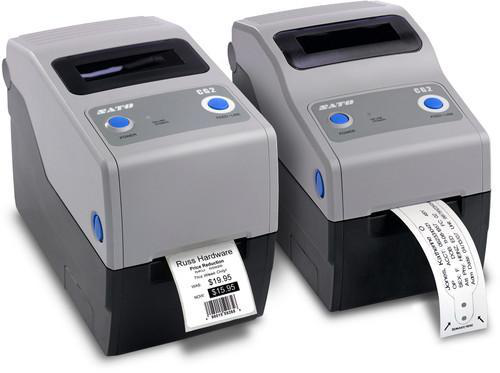
In contrast, thermal transfer labels for sale utilize a ribbon that transfers ink onto the label surface through heat. This process produces crisp, durable prints that resist chemicals, moisture, and abrasion. Thermal transfer printing is widely used in manufacturing, healthcare, and warehousing, where barcodes, serial numbers, and safety information must remain legible over time.
Businesses that use high-quality thermal label printers often print on materials such as polyester, polypropylene, or vinyl for added endurance. The combination of strong adhesives and robust ribbons ensures that labels remain intact even in extreme temperatures or harsh environments.
Industry-Specific Labelling Applications
Each label type offers unique benefits depending on the industry. For instance:
- Retail and E-Commerce: Laser labels are excellent for shipping, pricing, and address labels. Their smudge-resistant toner ensures clarity through handling and transportation.
- Food and Beverage: Inkjet labels excel in producing attractive, full-colour designs for packaging that needs visual appeal. When combined with waterproof coatings, they also handle refrigeration and condensation well.
- Manufacturing and Logistics: Thermal transfer labels remain the standard for traceability and compliance. They offer durability under pressure, ensuring barcodes remain scannable across complex supply chains.
- Healthcare and Laboratories: Direct thermal labels are often used for specimen tracking and prescription bottles due to their fast output and ability to produce precise, readable information.
- Office and Administrative Work: Laser sheet labels provide flexibility for internal organization, record management, and document labelling, maintaining clarity and professional presentation.
Choosing the right label type ensures that each application meets its specific functional and environmental demands without unnecessary costs.

Factors to Consider When Selecting Label Types
Several factors determine whether inkjet, laser, or thermal printing is best suited for a particular task:
- Durability Needs: Thermal transfer labels are ideal for industrial or outdoor use, while inkjet and laser labels work well for consumer-facing or indoor environments.
- Volume of Printing: Laser printers handle high-volume runs efficiently, whereas inkjet printers are better for custom or short-run batches.
- Environmental Exposure: Labels facing moisture, UV light, or chemicals benefit from synthetic materials and pigment-based inks.
- Design Complexity: Inkjet printing offers superior colour reproduction for intricate designs, while thermal printing prioritizes speed and readability.
- Budget Considerations: Businesses should factor in consumables such as ribbons, toner, and ink when assessing long-term costs.
Matching these elements with operational goals ensures that each printed label meets both performance and aesthetic expectations.
Maintenance and Supply Management
Proper maintenance of labelling equipment directly affects label quality and longevity. Regardless of printer type, regular cleaning of printheads and rollers prevents dust and residue buildup that can distort prints or cause jams.
Using compatible supplies is equally important. For example, buy ink cartridges for printers that are specifically designed for your device model to ensure colour accuracy and prevent clogging. Similarly, when operating thermal printers, replacing ribbons like Intermec thermal ribbons at the right intervals helps maintain crisp, high-contrast printing.
Label material also plays a role in equipment health. Choosing coated or compatible substrates prevents residue from transferring onto printheads, reducing wear and tear. Businesses using laser printers should periodically inspect toner levels and fusers to maintain optimal performance.
By implementing a preventive maintenance schedule and using quality supplies, organizations can extend printer life and preserve label consistency across production cycles.
Sustainability and Efficiency in Label Printing
Sustainability has become a significant consideration for many industries. Inkjet and laser labels can be produced using recyclable papers and eco-friendly adhesives, while thermal labels reduce waste through efficient ribbon use.
For example, pigment-based inkjet printing produces longer-lasting labels, minimizing reprints and material waste. Meanwhile, thermal transfer printers that support energy-efficient operations can help reduce power consumption without compromising print quality.
Recycling spent ribbons, cartridges, and label liners also contributes to environmental responsibility. Businesses focusing on sustainability can align labelling choices with broader green initiatives while still maintaining performance and durability.
Finding the Right Label Printing Solution
The decision between inkjet, laser, and thermal labels depends on specific operational goals, budget, and performance needs. Each printing method has distinct strengths—inkjet for colour depth, laser for speed and precision, and thermal for rugged, long-term durability. When businesses evaluate their environment, label lifespan requirements, and branding expectations, they can confidently select the method that delivers consistent and professional results.
For organizations in Canada looking to achieve reliable output and lasting print quality, sourcing from trusted suppliers ensures compatibility and performance. Whether investing in laser sheet labels online, selecting affordable blank inkjet labels, or upgrading with thermal transfer printers, choosing the right products supports efficiency and dependability in every print cycle. DuraFast Label Company provides industry-grade solutions in Canada designed to keep operations running seamlessly and labels looking their best. Contact us today.