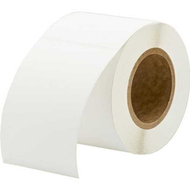
Tips for Using Weatherproof Labels on Outdoor Equipment
16th Dec 2025
Outdoor labeling might look simple—but it’s one of the hardest environments to get right. A label that looks crisp indoors can start peeling, fading, or cracking after only a few weeks under sun, wind, and rain. For companies that rely on asset identification, safety warnings, or compliance information, failure isn’t an option.
At DuraFast Label Company, we’ve spent years helping businesses design labeling systems that thrive outdoors. We understand that a label isn’t just a sticker—it’s a safety instruction, a warranty marker, or a tracking code that must stay visible in the harshest conditions. If your products or equipment live outside, weatherproof labels are your best defense against nature.
Why Outdoor Labels Fail—and What You Can Do About It
To appreciate the value of weatherproof labels, it helps to understand why standard labels don’t hold up.
- Sunlight (UV Radiation): The biggest culprit. UV rays break down ink pigments and adhesives, causing fading or yellowing.
- Water and Humidity: Paper labels absorb moisture, swell, and separate from surfaces. Even some “water-resistant” coatings eventually fail.
- Temperature Extremes: Equipment exposed to −20 °C in winter and +50 °C in summer puts stress on adhesives and films.
- Abrasion: Moving parts, dust, and debris physically wear away printed text.
- Chemicals and Oils: Industrial lubricants or cleaning agents dissolve ink and compromise adhesion.
To survive all that, an outdoor label must be engineered like the equipment it’s attached to—built for endurance, not convenience.
What Makes a Label Truly Weatherproof
Weatherproofing is a combination of science and smart engineering. Every component—the face stock, adhesive, ribbon or ink, and laminate—must work together.
1. Material Strength
Durable synthetics like polyester (PET), polypropylene (PP), vinyl (PVC), and Tyvek outperform paper because they repel water and resist tearing. Each has its strengths:
- Polyester: Rigid, UV-stable, and ideal for long-term equipment IDs.
- Vinyl: Flexible and conformable to curved surfaces like pipes.
- Polypropylene: Cost-effective yet durable for moderate exposure.
- Tyvek: Lightweight and tear-proof, excellent for hanging tags.
2. Adhesive Technology
Permanent outdoor adhesives remain flexible through temperature swings. Acrylic adhesives, for example, maintain bond strength across −40 °C to +150 °C. For temporary labeling, removable formulations allow clean removal without residue.
3. Ink and Print Durability
Pigment-based inks and resin ribbons are water-, fade-, and solvent-resistant. They fuse chemically with the label surface, forming a bond that endures abrasion and UV exposure.
4. Protective Coatings
Over-lamination or varnish shields the printed surface from scratches, oil, and sunlight. Clear matte laminates even reduce glare for barcode scanning in bright light.
Weatherproof labels aren’t just tougher—they’re predictable. You can apply them, forget about them, and still read every barcode years later.
Top Label Materials for Outdoor and Industrial Use
Choosing the right substrate is step one. At DuraFast, we stock an extensive range of industrial-grade materials designed for environmental resistance.
Tyvek Tags for Equipment and Cables
The Thermal Transfer 2.125 × 500 ft Continuous Tyvek Tag Roll is popular in construction and utilities. Tyvek’s fibrous texture resists tearing even when wet, making it perfect for tagging scaffolding, cables, or valves that require re-labeling over time.
BOPP Labels for Industrial Containers
BOPP (Biaxially Oriented Polypropylene) labels provide a sleek, professional appearance and chemical resistance. They’re ideal for drums, chemical jugs, and outdoor control panels. Matte finishes accept thermal-transfer printing cleanly, while gloss coatings enhance color depth.
Coated Paper Labels with Laminate
Paper labels can survive moderate outdoor use when combined with UV-laminate films. The C6500 Matte Paper Label Roll offers moisture protection while maintaining premium print quality—an excellent balance for cost-conscious projects.
Smart RFID Weatherproof Labels
The Walmart RFID Inkjet Matte Paper Label merges outdoor durability with digital tracking. These are indispensable for asset management, where equipment moves between indoor and outdoor environments.
Matching the Right Printer Technology
Even the toughest label won’t last if printed with the wrong equipment. Your printer and ink choice determine image longevity.
Pigment Inkjet Printing
Pigment-based systems encapsulate color particles that resist UV radiation and moisture. For outdoor labels requiring color coding or branding, pigment inks are unbeatable. They produce vibrant, fade-proof graphics that stand up to years of exposure.
Companies investing in pigment inkjet label printers in Canada gain versatility: one printer can handle everything from chemical drum labels to safety signage.
Thermal Transfer Printing
When color isn’t essential, thermal-transfer technology delivers unmatched permanence. By using resin ribbons, it creates crisp black text that bonds permanently to synthetic materials. This process is ideal for serial numbers, barcodes, or compliance data.
DuraFast supplies both printing systems—and our experts guide clients on which works best for their industry, climate, and workflow volume.
Best Practices for Outdoor Label Application
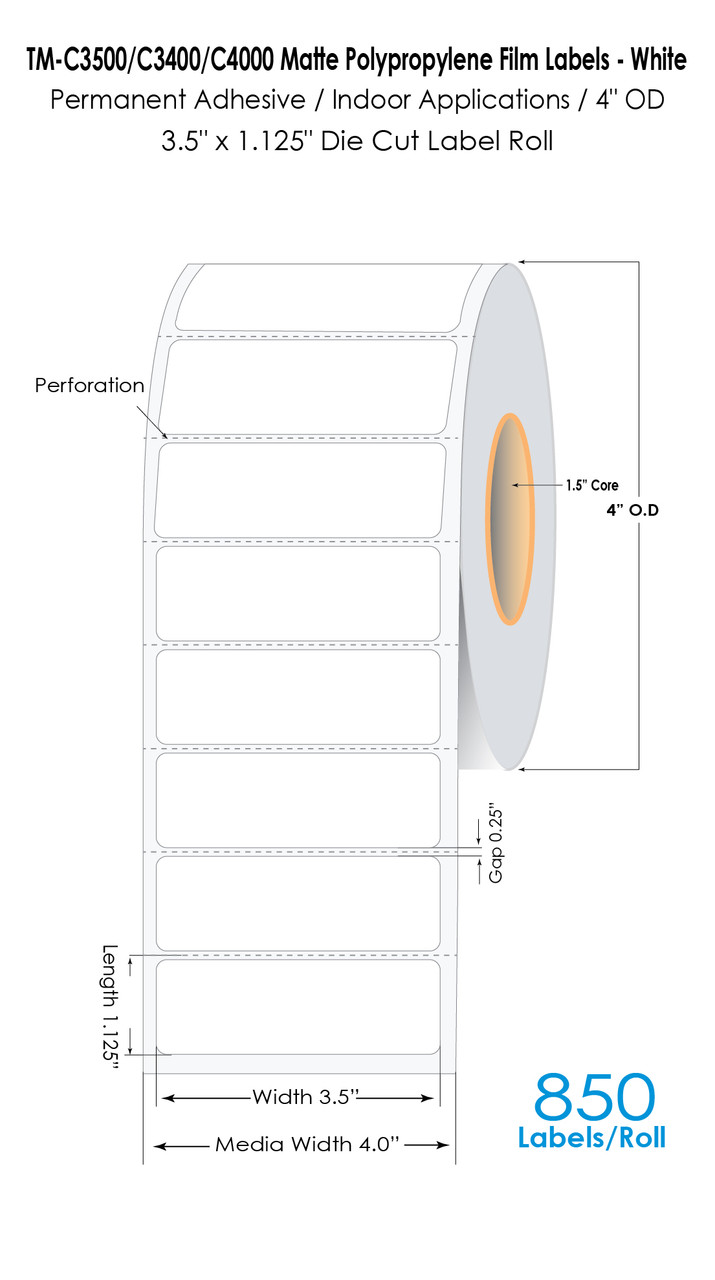
Even premium labels can fail if applied incorrectly. Installation technique is half the battle.
- Clean the Surface: Remove dirt, grease, and oxidation. Isopropyl alcohol works well.
- Apply Above Freezing: Adhesives cure best between 10 °C – 38 °C.
- Firm Pressure: Use a roller or squeegee to eliminate air bubbles.
- Allow 24 Hours to Bond: Most adhesives reach full strength after one day.
- Avoid Stretching Vinyl: Tension can cause peeling as the label contracts in cold.
For textured metals or plastics, use conformable vinyl or foam-based adhesives that fill surface gaps. Our team often tests labels on customer surfaces before full rollout to guarantee success.
Printing Tips for Maximum Durability
Durability doesn’t end with material choice—it continues with printer setup and maintenance.
- Use Resin Ribbons: Wax ribbons smear; resin ribbons fuse to the label.
- Optimize Darkness Settings: Too little heat leads to light images; too much causes over-transfer.
- Add Lamination for UV Protection: A thin film can double outdoor lifespan.
- Store Labels Correctly: Keep rolls in climate-controlled environments to preserve adhesive tack.
- Regularly Clean Printheads: Dust and residue shorten printhead life and blur barcodes.
With proper calibration, your prints will stay sharp long after other labels fade away.
Industry Applications: Where Weatherproof Labels Make the Difference
Construction and Heavy Equipment
Excavators, scaffolding, and power tools endure vibration and weather. Durable serial plates and inspection labels keep equipment compliant and traceable.
Utilities and Energy
Transformers, pipelines, and solar installations use outdoor asset labels for maintenance tracking. Labels must resist oil, rust, and sunlight exposure.
Transportation and Logistics
Cargo containers, pallets, and trailers require long-lasting IDs that won’t smear in rain or salt air.
Agriculture
Farm equipment and irrigation systems rely on waterproof, UV-stable labels to maintain safety instructions and warranty data.
Marine and Recreation
Boats, docks, and outdoor gear need vinyl or polyester labels that stand up to saltwater and friction.
Each of these sectors depends on labeling that continues to perform when conditions are unpredictable—and that’s precisely what weatherproof technology delivers.
Common Mistakes to Avoid
Despite good intentions, many labeling problems come from preventable errors.
- Using Paper Indoors-Only Labels Outside: A standard office label might fail within hours outdoors.
- Choosing the Wrong Adhesive: Smooth metal requires high-tack permanent adhesive; polyethylene plastics often need specialty formulations.
- Overlooking Ink Compatibility: Dye inks fade; pigment inks endure.
- Skipping Environmental Testing: Always test small batches in real conditions before mass printing.
- Neglecting Maintenance: A dirty printer leads to streaks and unreadable barcodes.
DuraFast’s support team frequently helps clients troubleshoot these exact issues, saving them costly relabeling and downtime.
The Role of Compliance and Safety
Outdoor labels often carry safety, maintenance, or certification data. These aren’t decorative—they’re regulatory requirements. Electrical equipment, for example, must display voltage, manufacturer ID, and safety warnings for the life of the unit. If a label fades, it can violate OSHA or CSA regulations.
Weatherproof materials ensure compliance throughout a product’s entire service life. Additionally, labels that remain legible during audits or inspections reinforce your company’s professionalism and reliability.
Sustainability in Weatherproof Labeling
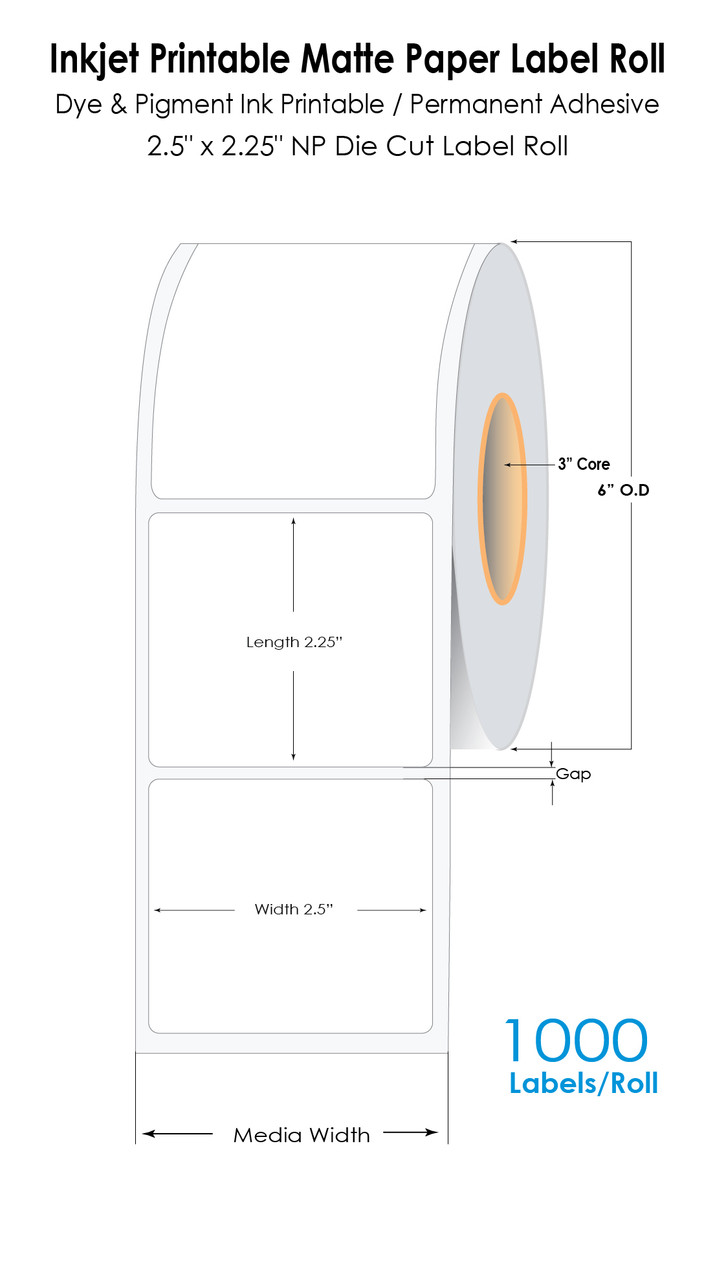
Durability and sustainability can coexist. Modern weatherproof labels use eco-friendly polymers and solvent-free adhesives that reduce environmental impact without sacrificing longevity.
At DuraFast Label Company, we partner with manufacturers who prioritize recyclable materials and low-VOC production processes. By investing in high-performance labels that last longer, you reduce waste from frequent replacements—an often-overlooked sustainability win.
The Future of Outdoor Label Technology
The next generation of weatherproof labeling focuses on smart connectivity and automation. RFID and NFC integration allow maintenance teams to scan labels with smartphones for instant equipment data. Hybrid labels combining printed and digital identifiers are becoming the new standard for asset tracking.
We’re also seeing growth in self-healing coatings that resist scratches and dirt accumulation. These innovations extend label lifespan even further and reduce cleaning frequency.
DuraFast continues to evaluate and test these technologies, ensuring our clients always have access to the most advanced outdoor labeling solutions available.
Labels That Work as Hard as Your Equipment
Outdoor labels aren’t a “set-and-forget” purchase—they’re an investment in safety, compliance, and reputation. Whether your equipment sits in a dusty construction yard or a coastal shipping terminal, the label must endure as long as the product itself.
At DuraFast Label Company, we combine material science with printing expertise to deliver labeling systems that withstand everything nature throws at them. Our goal is simple: help your business in Canada operate smoothly, safely, and confidently—whatever the environment.
For the best results, pair weatherproof labels with high-quality thermal label printers and custom thermal transfer labels that provide industry-leading resilience. Together, they ensure your information remains intact, legible, and compliant for years to come.
If you’re ready to upgrade your labeling strategy, contact DuraFast Label Company today. Our specialists will recommend materials, printers, and workflows tailored to your environment—so your labels can keep working long after the storm passes.