Tips for Selecting Labels That Withstand Heat, Cold, and Moisture
10th Feb 2026
Labels are a small part of any product, but they perform one of the most critical functions—carrying information that must stay legible and intact in every condition. Whether it’s a barcode on a frozen package, a warning label on industrial machinery, or a chemical container exposed to sunlight, the label’s durability determines compliance, traceability, and customer trust.
At DuraFast Label Company, we’ve seen how extreme temperatures and harsh environments can destroy poorly chosen materials. Adhesives fail, inks fade, and films wrinkle or peel when they aren’t engineered for specific conditions. That’s why choosing the right label stock and print technology is essential.
In this comprehensive guide, we’ll explore how to select durable labels that resist heat, cold, and moisture—ensuring your products stay properly identified in even the toughest environments.
Whether you’re labeling industrial equipment, refrigerated goods, or outdoor assets, the right materials, coatings, and adhesives will help your labels last. Investing in weatherproof labels is more than just about looks—it’s about reliability, compliance, and long-term performance.
Understanding Environmental Factors That Damage Labels
Before choosing materials, it’s important to understand what causes label failure. Three environmental forces—heat, cold, and moisture—can compromise both the adhesive and the face material if not properly managed.
1. Heat and Sunlight
Prolonged heat exposure can soften or melt adhesives, causing labels to slide or detach. High temperatures can also cause ink to fade, paper to discolor, and synthetic films to shrink. UV radiation adds another layer of damage, breaking down pigments and reducing label readability over time.
2. Cold and Freezing Temperatures
At the other end of the spectrum, extreme cold can make adhesives brittle and reduce tack. This is common in freezer or outdoor applications where surfaces are cold or frosted at the time of labeling. Materials not rated for low temperatures will peel or crack shortly after application.
3. Moisture and Humidity
Water is one of the most common causes of label failure. When exposed to condensation, rain, or chemical splashes, paper labels quickly absorb moisture, leading to bubbling or delamination. Moisture-resistant materials—like vinyl or polyester—combined with waterproof adhesives are essential for these environments.
At DuraFast Label Company, we help clients identify which of these environmental forces pose the greatest challenge for their operations, ensuring each label solution is tailored for its intended use.
Choosing the Right Label Material
1. Paper Labels: Economical but Limited
Paper labels are common for indoor or short-term applications. They print beautifully and are cost-effective, but they lack the resilience needed for moisture or temperature extremes. In environments with heat or humidity, they tend to absorb moisture, smudge, or tear easily.
2. Polyester Labels: High Heat Resistance
Polyester (PET) is a go-to material for high-temperature environments. It offers dimensional stability, excellent print adhesion, and resistance to heat, oils, and solvents. Polyester labels remain intact even when exposed to temperatures above 120°C, making them ideal for automotive, electronics, and industrial applications.
3. Vinyl Labels: Flexible and Weatherproof
Vinyl labels are among the most versatile options available. Their flexibility allows them to conform to curved or textured surfaces, and their waterproof, UV-resistant properties make them excellent for outdoor use. Vinyl also maintains adhesion and colour vibrancy in both hot and cold conditions, making it one of the best materials for long-term durability.
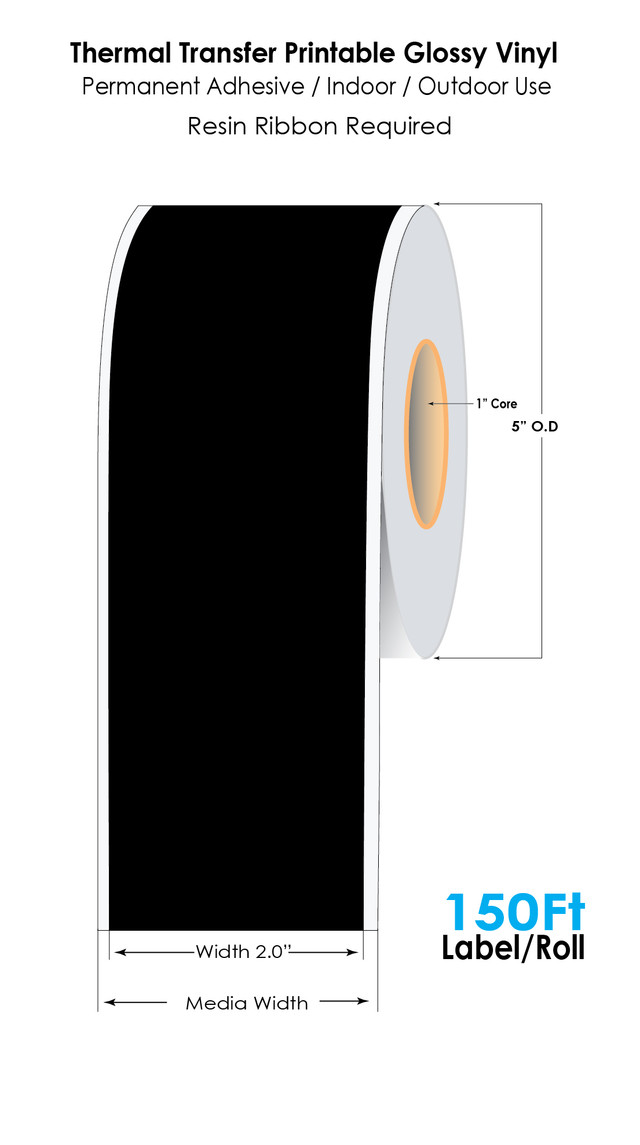
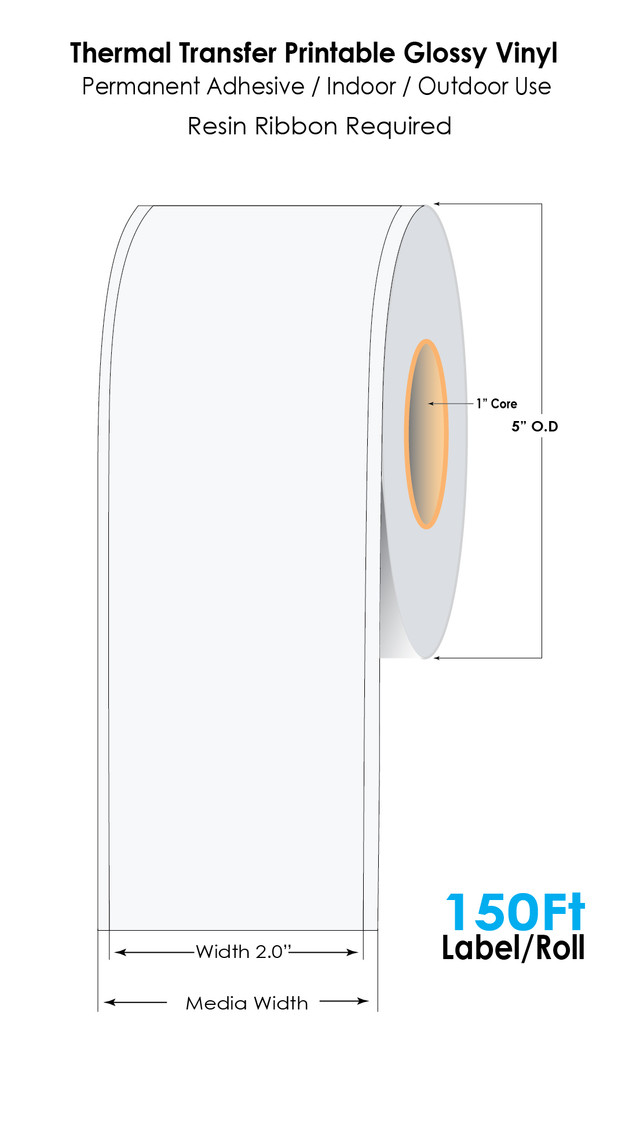
At DuraFast, we supply a range of premium vinyl tapes designed specifically for challenging environments. For instance, the Clear 2" x 150 ft Glossy Vinyl Label Tape Roll is perfect for creating weatherproof, unobtrusive labels that maintain legibility without obscuring product visibility.
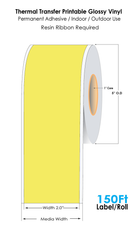
Similarly, the Black 2" x 150 ft Glossy Vinyl Label Tape Roll provides bold contrast for high-visibility warning or compliance labels. For products that require bright, attention-grabbing identification, the Yellow 2" x 150 ft Glossy Vinyl Label Tape Roll offers excellent performance and readability across temperature extremes.
These vinyl materials deliver the perfect combination of adhesion, flexibility, and UV stability—making them suitable for both indoor and outdoor use.
Understanding Adhesives for Extreme Conditions
No matter how strong the label material is, the adhesive must hold it in place. DuraFast Label Company offers various adhesive formulations tailored for different environmental needs.
Permanent Adhesives
These create a strong, lasting bond suitable for industrial labeling, asset tags, and outdoor applications. Permanent adhesives perform well across a wide temperature range and resist peeling due to heat expansion or cold contraction.
Freezer-Grade Adhesives
Designed to adhere in temperatures as low as -40°C, freezer-grade adhesives remain flexible and secure even when applied to cold or damp surfaces. They’re ideal for food production, medical storage, and cold logistics operations.
High-Temperature Adhesives
When labeling equipment or containers exposed to heat, these adhesives maintain grip under continuous exposure up to 150°C or more. They are often paired with polyester or vinyl labels for durability.
Removable Adhesives
Although less durable, removable adhesives are useful for temporary labels that must peel away cleanly. They’re less resistant to moisture and temperature extremes, so they’re best reserved for short-term use.
We always recommend testing adhesives on your actual application surface, since material texture, cleanliness, and temperature at the time of application all affect bonding strength.
Print Technologies for Harsh Environments
Durable labels need durable printing. The wrong print method can lead to fading, smudging, or illegible barcodes. The two most reliable technologies for extreme conditions are thermal transfer and pigment inkjet printing.
Thermal Transfer Printing
This method uses heat to transfer solid ink from a ribbon onto the label surface. When combined with resin ribbons, it produces a highly durable image that resists water, chemicals, and UV exposure. Thermal transfer is ideal for labels that must endure heat, sunlight, or moisture—such as outdoor signage, asset tracking, and compliance labels.
Pigment Inkjet Printing
Pigment-based inks bond chemically to label surfaces, producing prints that are UV-stable and water-resistant. This makes them perfect for colour labels exposed to weather, refrigeration, or frequent handling.
At DuraFast, we help clients pair the right printer and ribbon combination for each environment—ensuring print clarity and durability remain consistent over time.
Testing Labels for Real-World Conditions
Before deploying new labels, testing is crucial. Environmental testing helps confirm how your chosen material performs under actual operating conditions.
We recommend:
- Heat Testing: Expose samples to high temperatures to assess dimensional stability and ink resistance.
- Cold Testing: Apply labels to chilled surfaces, then store them in freezers to verify adhesion.
- Moisture Testing: Immerse or spray labels with water to ensure inks and adhesives stay intact.
- UV Exposure: Test under artificial or natural sunlight to measure fade resistance.
At DuraFast Label Company, we perform in-house testing and can guide clients on best practices for verifying label performance. A small amount of testing upfront saves time, money, and potential compliance headaches later.
Label Design Considerations for Harsh Environments
Designing a label for extreme conditions requires balancing aesthetics with functionality. Here are a few considerations we share with clients:
- Contrast and Readability: Choose high-contrast colours (like black on yellow) for maximum visibility.
- Minimal Ink Coverage: Reduce heavy ink saturation to avoid softening under heat.
- Protective Coatings: Add laminates or UV varnish to protect against abrasion or sunlight.
- Rounded Corners: Prevent peeling by using rounded label edges instead of sharp corners.
- Barcode Placement: Keep barcodes away from seams or curved edges to ensure scannability.
By combining smart design with resilient materials, you create labels that not only survive but look professional throughout their lifespan.
Matching Labels to Industry Applications
Different industries demand different levels of resistance. Here’s how to match labels to your operational environment:
Food and Beverage
Cold storage, condensation, and moisture require freezer-grade adhesives and waterproof synthetics like vinyl or polypropylene. Thermal transfer labels printed with resin ribbons are ideal for durability.
Industrial Manufacturing
Heat, oil, and abrasion demand polyester or high-strength vinyl materials with high-temperature adhesives. Black or yellow vinyl tapes are particularly effective for warning or identification labels.
Healthcare and Laboratories
Sterile or refrigerated environments benefit from chemical-resistant, waterproof materials that maintain legibility after repeated cleaning or temperature exposure.
Outdoor and Construction
UV-resistant vinyl labels hold up against sun, rain, and dirt—ensuring safety warnings and equipment IDs remain visible and compliant over time.
Chemical and Automotive
Aggressive solvents and oils call for polyester or polyimide labels paired with resin ribbons and industrial adhesives to ensure durability.
Each environment presents unique challenges, and our team helps businesses configure labels to meet both operational and regulatory standards.
Maintenance and Storage Best Practices
Even durable labels can degrade if stored improperly. Keep unused label rolls in a controlled environment—ideally between 18°C and 24°C, with moderate humidity levels.
Avoid exposure to direct sunlight or dusty conditions. Store rolls upright to prevent edge damage, and reseal opened packaging to preserve adhesive properties.
Proper storage ensures that labels perform consistently when applied, maintaining strong adhesion and vibrant print quality.
Innovation and Customization in Label Durability
At DuraFast Label Company, innovation drives everything we do. We continually expand our range of high-performance materials and adhesives to help clients stay ahead of environmental challenges.
From custom thermal transfer labels designed for oil-resistant surfaces to laminated weatherproof labels for outdoor use, our solutions are built to last. We also provide customized die-cutting and colour-matching options to meet specific branding and compliance requirements.
Our vinyl label tapes—like the Clear, Black, and Yellow Glossy Vinyl Rolls—exemplify how durable materials can combine with vibrant colours to produce labels that are both tough and attractive. Whether your goal is safety labeling, product branding, or compliance marking, we ensure every label meets performance and aesthetic standards.
Built to Endure: Why Durable Labels Are a Smart Investment
Labels that fail cost more than just reprints—they disrupt operations, risk non-compliance, and damage brand credibility. By investing in weatherproof labels, you’re protecting your products, processes, and reputation.
At DuraFast Label Company, we’ve made it our mission to help clients build labeling systems that perform flawlessly in any environment. Our materials, adhesives, and printers are carefully curated to meet extreme temperature, moisture, and UV challenges head-on.
For maximum results, we recommend pairing your solutions with high-quality color label printers, custom thermal transfer labels, and weatherproof labels designed for your specific industry and climate. Together, these ensure long-lasting legibility, compliance, and brand consistency.
Whether your labels face freezing cold, intense heat, or constant exposure to the elements, we have a material solution that performs under pressure.
Ready to upgrade your labeling system? Reach out to our team for personalized guidance, testing support, and product recommendations.
Contact DuraFast Label Company today and discover how durable labeling solutions can help your business operate confidently—no matter the conditions.