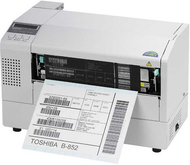
Thermal Label Printers Explained: Direct Thermal vs Thermal Transfer
19th Jan 2026
Choosing the right label printing technology can significantly affect durability, efficiency, and long-term costs. A thermal label printer is a popular solution across retail, warehousing, logistics, and manufacturing because it delivers fast, reliable output without complex ink systems.
Let’s explore the key differences between direct thermal and thermal transfer printing.
Understanding Direct Thermal Printing
Direct thermal printing uses heat-sensitive label material that darkens when exposed to a heated printhead. This method does not require ink, toner, or ribbon, making it simple and cost-effective for short-term applications.
A thermal label printer using direct thermal technology is commonly used for shipping labels, receipts, and temporary identification tags where longevity is not critical.
When Direct Thermal Makes Sense
Direct thermal labels are ideal for applications with limited exposure to heat, light, or friction. They are widely used in shipping, food service, and healthcare settings where labels are scanned and discarded quickly.
While efficient and low maintenance, direct thermal labels can fade over time, making them unsuitable for long-term storage or outdoor use.
How Thermal Transfer Printing Works
Thermal transfer printers use heat to transfer ink from a ribbon onto label material. This process produces durable, long-lasting labels resistant to moisture, chemicals, and abrasion.
Additionally, thermal transfer printers are preferred in environments where labels must remain legible for months or years, including asset tracking, compliance labelling, and industrial identification.
Durability and Material Flexibility
Thermal transfer printing supports a wider range of label materials, including polyester, polypropylene, and specialty stocks. This makes it suitable for harsh conditions and regulated industries.
Businesses requiring durable barcodes or compliance labels benefit from thermal transfer printers that deliver consistent performance in demanding environments.
Choosing Based on Your Environment
Selecting between direct thermal and thermal transfer depends on application, exposure conditions, and budget. High-turnover operations often favour direct thermal for speed and simplicity.
Operations requiring long-term durability should invest in thermal transfer printers to avoid label failure, rescanning, or replacement costs.
Balancing Cost and Performance
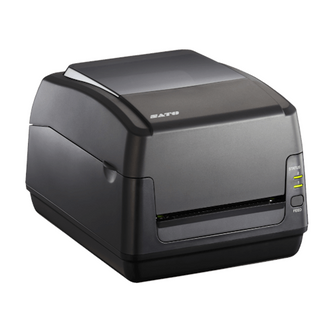
While direct thermal printers offer lower upfront costs, thermal transfer systems provide greater versatility and longevity. Understanding label lifespan requirements helps businesses avoid overspending or underperforming. The right thermal label printer aligns with workflow demands and long-term operational goals.
Finding the Right Printing Partner
Choosing the correct printing technology ensures labels perform as intended from production to delivery. DuraFast Label Company Ltd. helps Canadian businesses select the ideal thermal label printer for their applications. We offer solutions to buy thermal transfer printers, Bartender label software, portable label makers, weatherproof labels, and color label printers.
With expert guidance, reliable equipment, and fast Canadian shipping, we support efficient, compliant, and scalable in-house labelling operations across industries nationwide.
Contact us today to get expert help choosing the right thermal label printer and supplies to match your application, environment, and long-term business needs.