The Benefits of Automated Label Cutting and Finishing
4th Feb 2026
In modern label production, precision and presentation are everything. A perfectly printed label can lose its professional edge if cutting or finishing isn’t up to standard. Manual trimming methods are often inconsistent, time-consuming, and prone to human error—problems that directly impact quality and productivity.
That’s why more manufacturers, print shops, and product packaging teams are turning to label cutters in Canada to automate their finishing workflows. Automated cutting and finishing systems ensure each label is cut to exact dimensions, cleanly separated, and ready for application—no matter the size of the print run.
At DuraFast Label Company, we’ve seen firsthand how automation is revolutionizing labelling. Whether you’re producing product labels, safety markings, or vinyl decals, a reliable cutting system is key to achieving consistency, speed, and professional-grade results.
Why Automated Label Cutting Matters
Label finishing is the final—but arguably most important—step in production. After printing, labels need to be cut, slit, laminated, and sometimes wound into rolls or sheets. Even small errors during this stage can waste materials, delay production, or produce uneven edges that affect the application.
Automated systems eliminate these challenges by integrating mechanical precision and programmable accuracy. They can handle complex shapes, intricate contours, and long print runs with minimal supervision.
Here are the top reasons why automation is changing the way companies finish their labels:
- Consistency: Machines cut each label with millimetre-level accuracy, eliminating variation between units.
- Speed: Automated cutters can process thousands of labels per hour, drastically reducing turnaround time.
- Versatility: They handle a wide variety of materials—from paper to vinyl and polyester—without manual adjustments.
- Waste Reduction: Precision cutting minimizes excess trim and reduces wasted stock.
For print professionals, investing in cutting automation isn’t just about speed; it’s about maintaining a reputation for precision and quality.
From Manual to Automated: A Production Evolution
Traditionally, label finishing involved manual trimming using guillotines or rotary cutters. Operators would align stacks of printed sheets, eyeball margins, and cut by hand. While this approach worked for small quantities, it couldn’t keep up with the demands of today’s digital printing volumes.
Automation changed that. With integrated sensors, microprocessors, and software-driven control, modern cutters perform perfectly aligned cuts across thousands of sheets without fatigue or human error.
The PS-1400 Roll-to-Sheet Automatic Cutter, for example, was designed to transition printed rolls into neatly stacked sheets in a single pass. Even though this model has been discontinued, it remains an excellent example of how automation transformed label finishing—laying the groundwork for the advanced systems we offer today.
Precision Cutting for Specialized Materials
Every label material behaves differently under tension, heat, and pressure. Vinyl, for instance, requires sharp blades and steady feeding to prevent stretching or curling. Polyester, being tougher, needs stronger blade pressure and slower feed speeds for crisp cuts.
Automated cutters excel in managing these variations. They use adjustable pressure settings, blade angles, and speed controls to ensure clean results on every substrate.
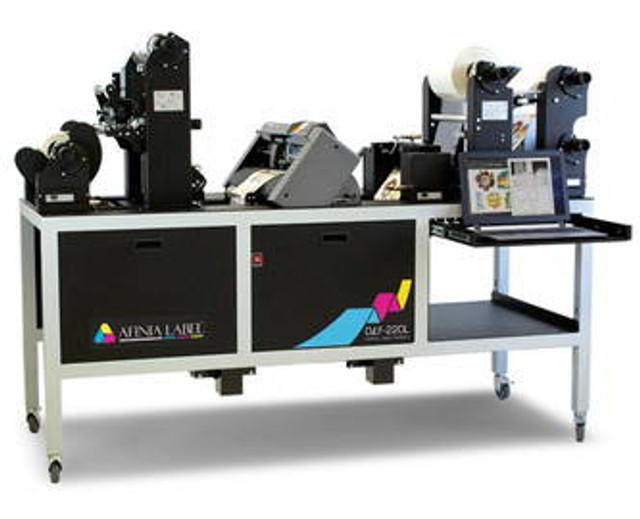
At DuraFast, our lineup includes thermal transfer printers with integrated cutting systems—such as the Afinia DLF-350L 13" Digital Label Cutter and Finisher—allowing users to print and cut labels in one seamless workflow.
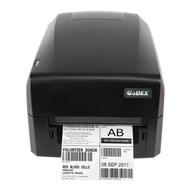
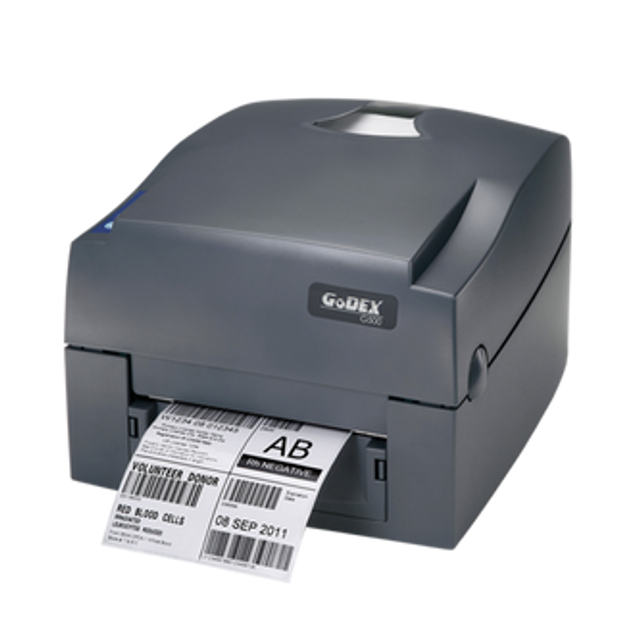
For colour-coded vinyl tape printing, the GoDEX GE330 4" Thermal Transfer Vinyl Tape Printer with Cutter Kit provides durable, precise results ideal for safety signage, asset labelling, and industrial use.
When you combine printing and cutting into one automated system, your labels are not only sharp and consistent but also immediately ready for application—saving both time and materials.
Advantages of Automated Label Finishing
Automation in label finishing brings several distinct advantages beyond precision alone:
1. Improved Efficiency
Automated cutters can run continuously, handling roll-fed or sheet-fed materials with minimal human oversight. This allows print shops to increase throughput and allocate staff to more strategic tasks.
2. Enhanced Safety
Manual cutting requires close contact with blades, increasing risk. Automated systems feature enclosed mechanisms and sensors that halt operation if obstructions are detected—ensuring workplace safety.
3. Consistent Quality
Inconsistent edges, skewed cuts, or misaligned borders are eliminated. Automated systems repeat the same operation perfectly each time, ensuring brand consistency across thousands of labels.
4. Integration with Digital Printing
Today’s cutters often connect directly with digital printers, synchronizing print and cut data for precise alignment. This eliminates the need for manual registration marks or adjustments.
5. Reduced Material Waste
Accurate cutting minimizes edge trim and rejects. Over time, these savings significantly reduce production costs—especially when using high-value materials like synthetic films or specialty laminates.
Automated Label Cutting Across Industries
Automated label cutters are used in virtually every sector that relies on high-quality labelling, including:
- Food & Beverage: For cutting product and nutrition labels that must meet strict packaging standards.
- Pharmaceutical: For tamper-evident and batch-specific labelling with precise sizing.
- Manufacturing: For durable identification labels, safety signs, and barcode systems.
- Retail: For price tags, promotional labels, and seasonal branding materials.
- Logistics: For custom-cut barcode or RFID labels that fit unique containers or packaging shapes.
Across these industries, automation doesn’t just increase speed—it ensures compliance, consistency, and durability, all critical to maintaining operational efficiency.
The Link Between Cutting Accuracy and Brand Image
A label’s edge finish might seem like a small detail, but it contributes significantly to how customers perceive product quality. Uneven cuts, jagged edges, or off-center shapes signal poor craftsmanship, even if the print itself is flawless.
Automated cutters eliminate these inconsistencies, ensuring every label looks clean, professional, and ready for retail display. For businesses producing high-end goods, premium beverages, or cosmetic packaging, such precision reinforces brand credibility.
Key Features to Look for in a Label Cutter
When choosing an automated label cutter, several features determine how well it integrates into your production workflow:
- Cutting Accuracy: Look for a tolerance of ±0.2 mm or better.
- Speed: Match your cutter’s speed to your printer’s throughput to prevent bottlenecks.
- Media Compatibility: Ensure the cutter supports your label stock type—vinyl, paper, polypropylene, or polyester.
- Blade Life: Replaceable, long-lasting blades reduce maintenance downtime.
- Ease of Use: Touchscreen controls and software integration make job setup faster and more intuitive.
DuraFast Label Company assists clients in evaluating these factors to find equipment tailored to their volume, label type, and workflow.
How Automation Reduces Long-Term Costs
While automated cutting systems represent a higher initial investment, they quickly pay for themselves. The cost savings from reduced waste, faster production, and fewer errors accumulate with every print job.
Moreover, automation reduces dependency on manual labour, making production less vulnerable to staff shortages or training gaps. Consistent quality also means fewer customer returns due to label defects.
When combined with automated printing systems, such as high-quality thermal label printers, automation creates a continuous, end-to-end workflow—from design to final cut—without manual intervention.
Sustainability Through Efficiency
Sustainability is now a key priority for many manufacturers. Automated cutting systems help reduce waste by maximizing material usage and minimizing reprints.
Digital control ensures every cut is precise, so less material ends up as scrap. Over time, this not only supports environmental goals but also saves thousands of dollars in material costs.
The Role of Integration and Software
The best automated cutting systems are not standalone tools—they integrate seamlessly with label design and printing software. This integration enables data-driven production, where cut paths correspond exactly to printed graphics.
Many systems can store cutting presets for repeated jobs, ensuring faster setup and consistent outcomes across multiple projects. This is particularly valuable for businesses running diverse product lines or frequent design changes.
Elevating Label Finishing: The DuraFast Advantage
At DuraFast Label Company, we don’t just sell machines—we build solutions. We help clients design fully integrated workflows where printing, cutting, and finishing operate in perfect harmony.
Whether you’re producing high-volume product labels or short-run custom jobs, automation ensures every piece reflects precision craftsmanship. Our range of label printers with built-in cutting features, like the Afinia DLF-350L and GoDEX GE330, combine reliability with cost efficiency.
By investing in cutting automation, our customers experience fewer misalignments, faster changeovers, and consistently high-quality output—every single time.
Shaping Perfection: Why Automated Finishing Is the Future
In a marketplace driven by precision and presentation, automation has become the cornerstone of professional label production. Investing in label cutters in Canada helps businesses produce perfectly finished labels with unmatched speed and accuracy.
At DuraFast Label Company, we believe cutting and finishing deserve as much attention as design and printing. Our clients often pair cutters with high-quality thermal label printers and custom thermal transfer labels to create complete, efficient workflows that deliver flawless results at scale.
Automation doesn’t just improve performance—it elevates your brand, reduces waste, and ensures every label meets professional standards.
If you’re ready to upgrade your finishing process and eliminate manual bottlenecks, our experts can help you find the ideal cutting solution for your operation. From vinyl signage to industrial labelling, we’ll guide you toward the system that maximizes precision and productivity.
Contact DuraFast Label Company today to learn more about how automation can transform your labelling process and take your production quality to the next level.