Inkjet Labels Explained: Materials, Durability, and Real-World Applications
21st Jan 2026
Inkjet labels have become a practical tool for Canadian businesses that need agility without sacrificing quality. When you pair the right materials with a dependable colour label printer, you can print vivid product labels, crisp barcodes, and compliant information on demand, without waiting on long outsourced lead times. The secret isn’t just the printer; it’s the label construction: face stock, coating, adhesive, and the way those elements perform in the real world.
With the right planning, here’s how in-house labelling becomes faster, cleaner, and more reliable.
How Inkjet Label Technology Actually Works
Inkjet printing places microscopic droplets of ink onto a specially coated surface. That top coating controls dot spread, drying time, and how colour sits on the label. In simple terms, the coating is what makes labels look sharp instead of muddy.
With modern systems, blank inkjet labels can produce photo-quality graphics, small text, and dense blacks that stay readable at arm’s length and at scan distance.
Paper vs Synthetic Stocks: Start With the Environment
Choosing paper or synthetic stock is usually your first decision. Paper is cost-effective and works well for dry, indoor products with gentle handling; think coffee bags, candles, and short-run gift items. It also feels “craft” and premium when matched with the right finish.
Synthetic stocks (like polypropylene, polyester, and vinyl) are built for moisture, abrasion, and rougher handling. If your labels will face condensation, wiping, or frequent contact, synthetics are often the safer choice. For refrigerated items or washdown environments, paper can lift at the edges, while synthetics stay intact and legible.
Synthetic Options Compared: PP, PET, and Vinyl
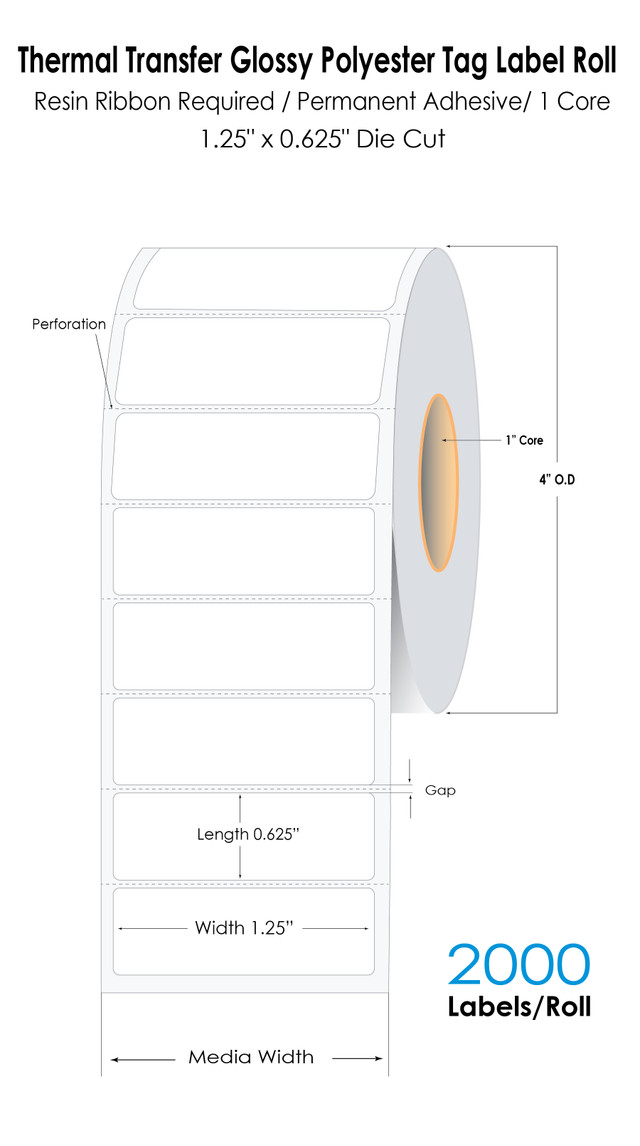
Polypropylene (PP) is a popular packaging stock because it resists water and conforms well to curved containers. It’s a strong fit for beverages, bath products, and household goods where both appearance and durability matter.
Polyester (PET) is tougher and more dimensionally stable. It holds up well under heat, heavy handling, and longer service life, which is why it’s common for durable product identification and industrial use.
Vinyl is flexible and resilient, especially on textured surfaces, but it’s not always necessary for standard packaging. Use it when you truly need that extra conformability and toughness.
Coatings and Finishes: Gloss, Matte, and Performance Topcoats
Finish affects both look and function. Gloss can make colours pop and help products stand out under retail lighting. Matte reduces glare and often improves readability for ingredient panels, safety notes, and barcodes.
Performance topcoats can add resistance to scuffing, water, and chemicals. If inkjet labels will be rubbed during packing, stacked in bins, or wiped during cleaning, a tougher topcoat can be the difference between “still perfect” and “smudged by noon.”
Durability Metrics That Matter: Colour Fastness and Rub Resistance
Colour fastness is how well colours stay true over time. UV exposure, heat, and cleaning agents can shift or fade colour, especially on lower-grade stocks. If branding consistency is important, test for fade by placing a labelled item near a window for a week and comparing it to a stored sample.
Rub resistance matters in shipping, fulfilment, and retail handling. A label that looks great right off the printer can still fail after repeated contact with hands, boxes, or conveyor belts. For high-touch workflows, consider synthetics, stronger topcoats, or protective finishing.
Water Resistance: Condensation, Spill Zones, and Washdowns
“Water resistant” can mean many things. A label might survive a splash but fail under constant condensation on refrigerated products. In food and beverage, labels often live in humidity, ice buckets, and cooler doors. Synthetics with the right adhesive handle these scenarios much better than paper.
For industrial and chemical settings, the bigger risk is repeated cleaning. Sanitizers, solvents, and detergents can attack ink and coatings. Always run a real test: print a sample, apply it to your actual container, and expose it to your normal wipe-down routine.
Dye vs. Pigment Ink: Which Inkjet Labels Can You Print?
Choosing between dye and pigment inks isn’t just about colour; it determines which label materials you can print successfully and how those labels will perform in real-world conditions. DuraFast Label Company manufactures these label types in Canada for dye and pigment inkjet colour label printers.
Inkjet Labels for Dye Inkjet Colour Label Printers
Dye inks are ideal when you want vivid, high-impact colour for product branding and retail packaging. Common label options include:
- Matte and high gloss paper labels
- Matte and glossy polypropylene labels
- Clear, white, gold, and silver polyester labels
- Matte and glossy tags (no adhesive), such as name badges and hang tags
Inkjet Labels for Pigment Inkjet Colour Label Printers
Pigment inks are typically chosen when you need greater durability, especially for moisture, handling, and tougher environments. Common label options include:
- Matte and high gloss paper labels
- Matte polypropylene labels
- Matte and high gloss tags (no adhesive)
- GHS BS5609 chemical labels — the most harsh labels that can be printed with pigment inks for chemical drums; they are the only labels suitable for outdoor use and provide excellent resistance to alcohol and chemicals.
Adhesives: The Unsung Hero of Label Performance
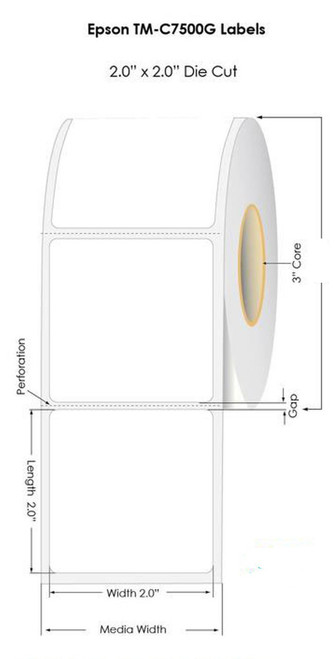
Even the best face stock can fail if the adhesive can’t bond properly. Permanent adhesives work well for most retail packaging. Removable adhesives are useful for temporary promos, reusable bins, or returnable totes.
Freezer-grade adhesives are designed to bond on cold surfaces and resist edge lifting under condensation. Chemical-resistant adhesives are built for oils and solvents on drums, jugs, and shop products. Container materials matter too—glass, HDPE, and textured plastics can behave very differently with the same label.
Real-World Applications: Where Inkjet Labels Shine
Food and specialty packaging:Inkjet is ideal for short runs, frequent ingredient updates, bilingual packaging, and limited editions. With blank inkjet labels, you can keep inventory lean and print only what you need.
Chemicals and compliance: Synthetic stocks and tougher adhesives are crucial. If you operate in regulated spaces, durability and legibility are non-negotiable, and testing is part of the process, not an afterthought. If you need outdoor durability and strong chemical resistance, the GHS BS5609 pigment-compatible option is the benchmark.
Logistics and distribution: Inkjet can support branded carton labels or colour-coded handling labels. For high-volume shipping, many operations still rely on thermal label printers for speed and toughness, while inkjet handles product-facing branding and information-rich labels.
Inkjet vs Thermal: Choosing the Right Tool for Each Job
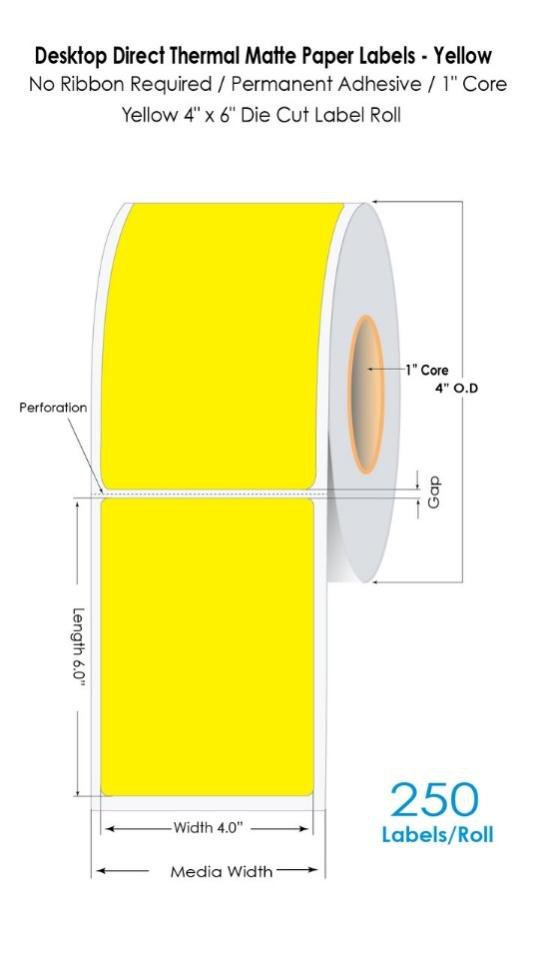
Inkjet excels at colour, gradients, and premium branding. Thermal printing is often the go-to for high-speed barcodes and shipping labels. Many businesses run both: thermal label printers for warehouse workflows and a colour label printer for packaging and marketing.
If your operation includes field work, events, or mobile labelling, potable label makers can complement your setup for quick ID tags and on-the-spot updates while your main production stays on inkjet or thermal systems.
How to Choose the Right Labels for Your Products
Start with four questions:
- What will the label be exposed to (water, oils, chemicals, abrasion, sun)?
- How long must it last (days, months, years)?
- What matters most—appearance, durability, or speed?
- How often will you change designs, ingredients, or compliance text?
Then test. Print the same design on a few materials, apply them, and stress-test them in your real workflow: refrigeration, wipe-downs, handling, and shipping. If you’re building an in-house program, it’s also smart to buy blank inkjet labels online in small mixed quantities first, then standardize once you know what truly performs.
Practical Tips for Cleaner Prints and Fewer Reprints
Here a few useful tips for cleaner prints:
- Let ink fully cure before packing, stacking, or handling labels.
- Use the print mode that matches your finish (gloss vs matte) for best clarity and colour.
- Keep label rolls clean and dry to prevent dust artefacts and smudging.
- Maintain consistent settings on your colour label printer so colours stay stable across runs.
- Keep spare consumables on handbecause the most expensive label is the one you can’t print when you need it.
Build a Reliable In-House Labelling Setup in Canada
Ready to bring label production in-house? DuraFast Label Company Ltd. helps Canadian teams buy blank inkjet labels online, select weatherproof labels, and source speciality options like oil change labels with confidence. From color label printers and thermal label printers to thermal transfer units, barcode printers, mobile devices, RFID printers, rewinders, and applicators, our experts build complete workflows.
Keep uptime strong with authentic ink cartridges for printers, ribbons, toners, and label stock, and pair printing with affordable barcode scanners and label software support. Get practical advice, fast shipping, and dependable supplies that scale with you across Canada, from startup to enterprise.
Contact us todayand set up a complete in-house printing workflow with the right printers and supplies.