
How to Reduce Waste While Printing Labels in Bulk
15th Jan 2026
Printing labels in bulk is a practical solution for businesses that manage high-volume production, packaging, and shipping operations. Yet, without proper planning, this process can lead to significant material waste, operational inefficiencies, and unnecessary costs. Every misaligned sheet or incorrect print run adds up, affecting both productivity and profitability. Fortunately, with thoughtful adjustments in setup, design, and technology, companies can achieve consistent, high-quality output while minimizing waste. From using efficient print layouts to upgrading to laser sheet labels for sale, waste reduction can become a measurable and sustainable part of production.
Understanding the Main Causes of Label Waste
Label waste usually results from one or more common issues—printing errors, incorrect label dimensions, poor adhesion, and inefficient workflows. When equipment is not calibrated correctly or when label templates are misaligned, the first several sheets often end up discarded. Similarly, mismatched substrates or incompatible inks lead to smudging or peeling, making labels unusable.
Environmental conditions such as humidity and temperature fluctuations can also impact the quality of label adhesion, especially when storing materials in bulk. In some industries, small misprints may require entire batches to be reprinted due to regulatory compliance standards, increasing both costs and waste. Identifying these causes early and addressing them systematically is the foundation for sustainable label production.
Optimize Printer Calibration and Maintenance
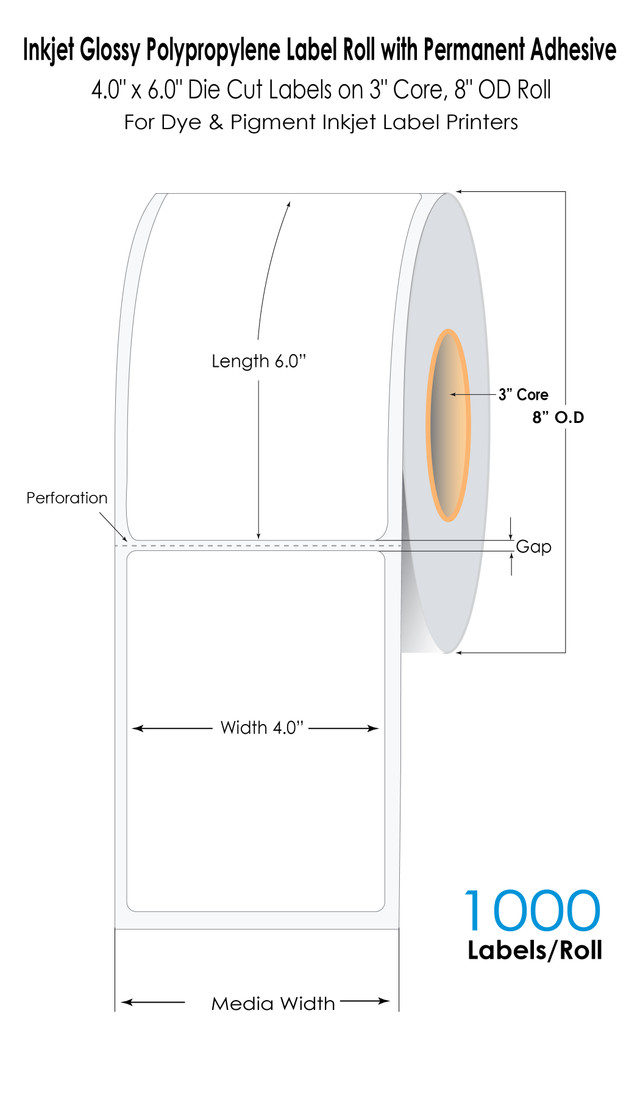
Routine printer maintenance plays a major role in reducing misprints and label waste. Print heads that are not cleaned regularly or misaligned rollers can distort images and text, leading to waste. For large print operations, scheduling periodic calibration ensures consistent alignment between the digital layout and the physical output.
Many production teams also benefit from using specialized software like Bartender label software to manage print precision and automate layout consistency. This software integrates easily with most printer types, allowing for controlled printing sequences that reduce errors before they happen. Over time, the small effort of maintaining clean, well-calibrated equipment can save hundreds of sheets and considerable operational costs.
Choose Label Materials that Match the Application
Not every label material performs equally well under every condition. Selecting the right substrate based on environmental exposure, surface texture, and intended use drastically reduces waste. For example, high-humidity environments or refrigerated goods require materials that resist moisture absorption, while outdoor applications need UV-resistant options.
Laser sheet labels for sale provide a reliable choice for bulk printing due to their smooth coating, sharp imaging capability, and resistance to smudging. These labels are compatible with laser printers that fuse toner at high heat, ensuring crisp and durable results. When businesses match their label type to the product’s environment and purpose, they eliminate the likelihood of peeling, fading, or reprinting errors that lead to waste.
Standardize Label Sizes for Efficient Production
A major contributor to waste in bulk printing operations is the production of multiple label sizes across short print runs. Each format change requires new templates, settings, and printer recalibration—processes that can result in errors or leftover materials.
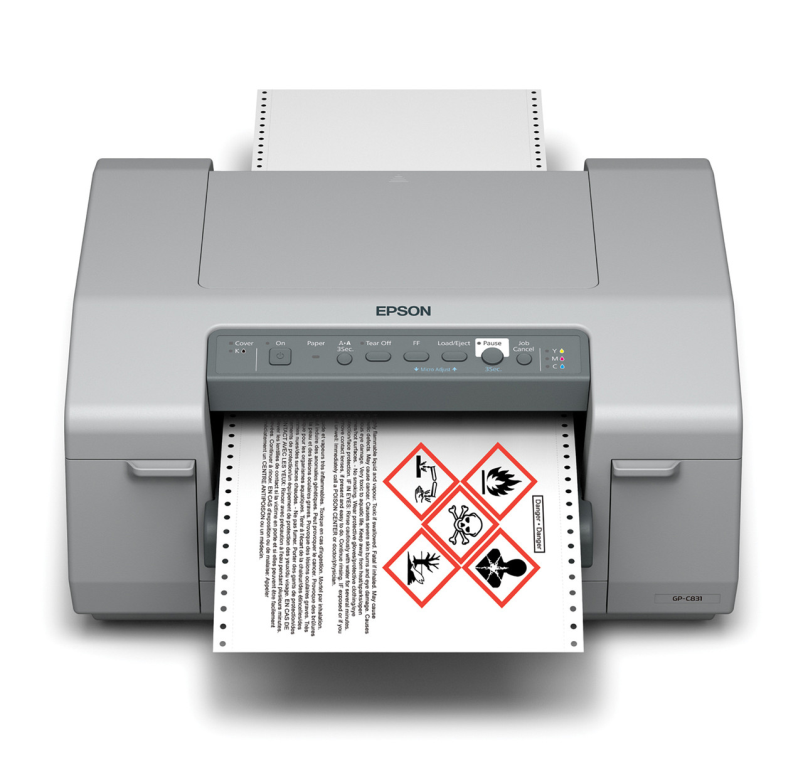
By standardizing label sizes whenever possible, businesses can streamline production, simplify storage, and reduce setup waste. Standardization also allows for more efficient use of materials since sheets can be cut and arranged in uniform layouts, minimizing scrap. Using label cutters for precise cutting ensures each label sheet is maximized to its full potential without manual trimming or misalignment.
Leverage Software to Minimize Human Error
Human input is one of the largest sources of error in bulk printing. From incorrect file uploads to layout misconfigurations, a single oversight can cause large quantities of labels to go to waste. Integrating automation tools or professional-grade design programs like Nicelabel software helps reduce these risks.
Such systems allow for template control, print preview, and real-time adjustments, ensuring every label aligns perfectly with the product’s requirements. Barcode management features can also automatically generate scannable codes with error-checking functions, ensuring accuracy and traceability in every print job. This not only minimizes waste but also improves efficiency across production lines.
Manage Ink and Toner Usage Smartly
Excessive use of ink or toner contributes not only to printing costs but also to material waste. Over-saturation often causes smudging or curling of label sheets. Properly configuring print settings—such as reducing colour density or switching to economy modes—can optimize ink consumption without compromising quality.
Manufacturers can further reduce waste by using compatible supplies like toners for label printers, which ensure consistent output while maintaining cost efficiency. Using the correct ink and toner types prevents clogs and print inconsistencies that typically result in wasted labels. Routine inspection of cartridges also prevents issues like uneven printing or streaking, both of which are common causes of bulk reprints.
Test Before Printing Full Runs
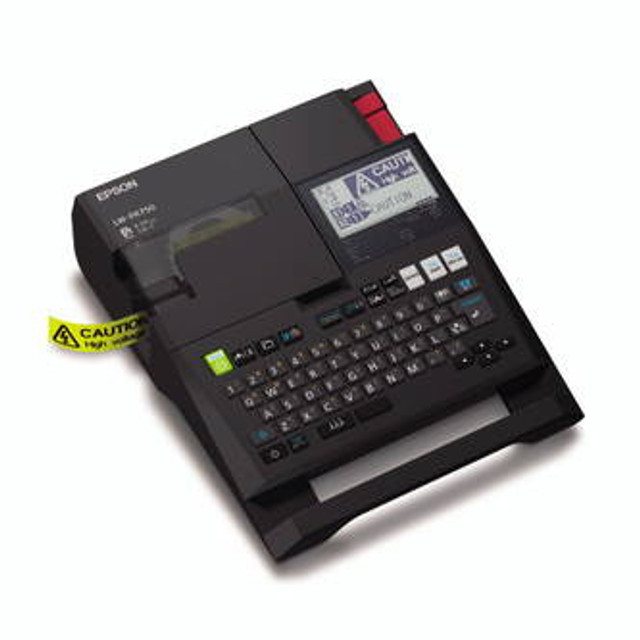
Running a short test print before executing full-scale production can prevent large amounts of waste. Test runs help verify colour accuracy, print alignment, and data placement, giving teams a chance to correct any errors before committing to thousands of labels.
Companies that print large quantities for compliance-heavy sectors—such as pharmaceuticals or food and beverage—especially benefit from this approach. Test runs can identify any potential barcode readability issues or regulatory misprints that could otherwise lead to costly reprints. Investing a few extra minutes in validation prevents hours of rework later.
Store Labels Properly to Maintain Quality
Even perfectly printed labels can become waste if stored incorrectly. Paper-based and adhesive-backed materials are sensitive to temperature, moisture, and sunlight exposure. When labels curl, dry out, or lose adhesive strength due to poor storage, they can no longer be applied effectively.
Keeping label rolls or sheets in climate-controlled conditions extends their usability and ensures consistent adhesion during application. Proper storage also prevents static buildup, which can interfere with automated application equipment. For facilities with large inventories, using a label counter machine ensures precise tracking of label quantities and helps manage supplies efficiently.
Automate Label Application for Precision
Manual label application can lead to inconsistencies that waste both labels and packaging. Automation systems provide better alignment, speed, and accuracy—reducing the risk of human error. High-speed label applicators can apply hundreds of labels per minute with near-perfect placement, ensuring minimal waste in production.
For growing operations, integrating automatic applicators with print-and-apply systems helps maintain smooth, continuous workflows. This integration guarantees that every label printed is used correctly, improving both efficiency and sustainability.
Reuse and Recycle Where Possible
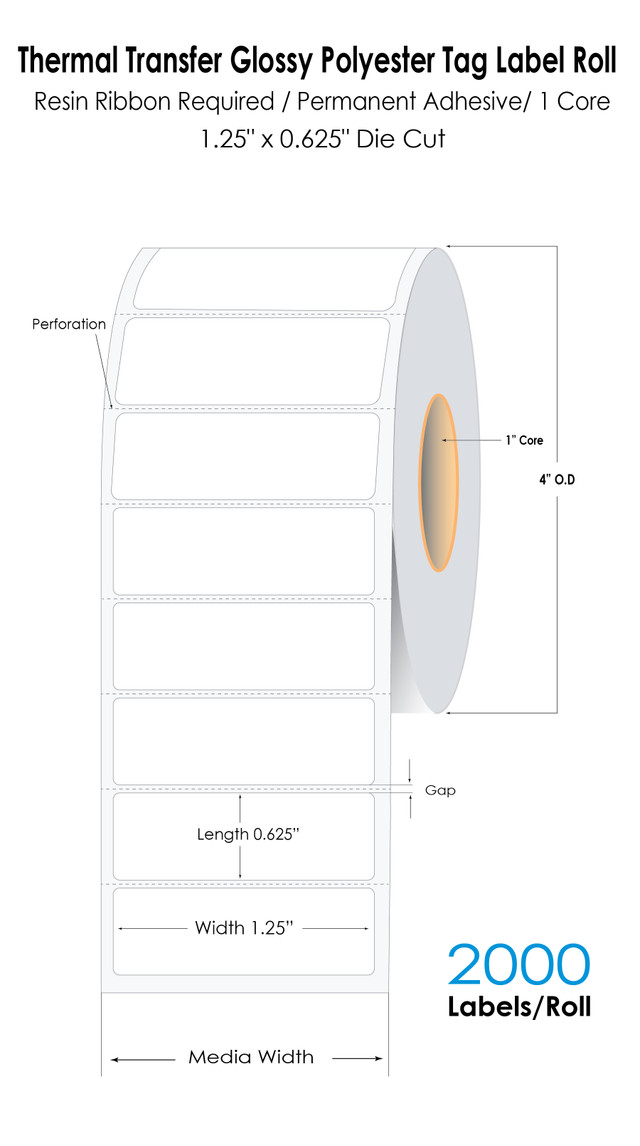
While prevention is the best way to reduce waste, recycling misprints and unused label materials is an important secondary measure. Many label materials, especially those used in custom thermal transfer labels, are recyclable when separated from their liners. Some facilities even use label waste as test materials for printer calibration, reducing the need for additional supplies.
Choosing recyclable materials from the outset also supports environmental sustainability. Businesses that prioritize eco-conscious practices not only reduce their environmental impact but also enhance their brand image in a market that increasingly values responsible production.
Train Staff on Sustainable Printing Practices
Employee training is a critical yet often overlooked factor in waste reduction. Ensuring that all personnel understand proper printer operation, storage procedures, and software management leads to more consistent results. Training staff to recognize early signs of printing issues, such as streaks or alignment errors, allows for quicker interventions before waste accumulates.
Regular workshops or process updates can also introduce employees to new printing technologies or sustainability goals. The more skilled and informed the team, the less likely misprints and material loss will occur.
Efficient Label Printing Starts with Smart Practices
Reducing waste while printing labels in bulk requires a combination of precision, maintenance, and technological efficiency. From correct calibration and material selection to automated application and training, every improvement helps lower costs and supports environmental goals. Companies that integrate laser sheet labels with sustainable production strategies not only save resources but also boost overall profitability.
Those looking to enhance print quality and efficiency, buy laser sheet labels online, pair them with high-quality thermal label printers, or use Bartender label software for optimized control. These solutions deliver consistent, waste-free results that align with modern production.
For businesses aiming to streamline operations and reduce waste without compromising on label quality, DuraFast Label Company provides professional-grade solutions designed for precision and performance. Contact us today.