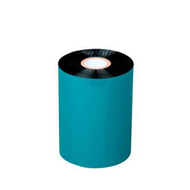
How to Match SATO Printer Ribbons with Labels for Long-Term Durability
11th Feb 2026
In professional printing environments, the smallest components often make the biggest difference. When it comes to thermal transfer printing, the harmony between the printer, ribbon, and label stock determines everything — from print quality and legibility to the life span of your label.
At DuraFast Label Company, we’ve helped countless businesses across logistics, manufacturing, and healthcare find the perfect match between SATO printer ribbons and their label materials. Getting this pairing right is not just about achieving sharp, readable text — it’s about ensuring your labels last under demanding environmental conditions such as heat, abrasion, and chemical exposure.
In this guide, we’ll explain how to select the right SATO thermal transfer ribbon for your labels, how each ribbon type performs on different materials, and how to maintain your printer for consistent, long-term performance.
Why Matching Ribbons and Labels Matters
Thermal transfer printing works by applying heat from the printhead onto a coated ribbon, transferring the ink onto the label surface. The bond formed between the ink and the substrate (label material) determines durability — how well the printed information withstands time, temperature, and handling.
If the ribbon and label are mismatched, the results can include:
- Fading or smudging over time
- Poor barcode readability
- Scratching or peeling under friction
- Chemical or moisture damage
- Printhead wear and early failure
Matching the right ribbon to your label ensures superior adhesion, clean image density, and extended printhead life — all essential for long-term labelling success.
Understanding SATO Thermal Transfer Ribbons
SATO, a world leader in industrial barcode and labelling systems, designs ribbons to meet a wide variety of performance requirements. Each ribbon family offers distinct characteristics based on ink formulation, melting point, and intended label application.
Let’s break down the primary categories of SATO printer ribbons and how they relate to different label materials.
1. Wax Ribbons — Ideal for Paper Labels
Wax ribbons are the most commonly used and economical choice for standard applications where labels don’t face harsh conditions. These ribbons are formulated with a wax-based ink that melts easily under moderate heat, producing clear, dark prints on paper-based labels.
They are perfect for:
- Shipping and logistics labels
- Retail shelf tags
- General-purpose barcodes
- Inventory tracking
However, wax ribbons offer limited resistance to abrasion, water, or chemicals. They are best used indoors or in controlled environments.
When printing on matte or semi-gloss paper labels, a SATO wax ribbon provides excellent contrast and legibility. For example, pairing a SATO TR4085+ Premium Wax Ribbon with matte or semi-gloss paper labels delivers crisp, high-contrast prints for general applications.
2. Wax/Resin Ribbons — Balanced Durability for Synthetic Labels
When durability becomes important — for example, on synthetic labels that face moisture or moderate abrasion — wax/resin ribbons offer the best of both worlds.
These ribbons combine the easy printability of wax with the toughness of resin, producing sharper images and higher resistance to smudging and scratching.
Common applications include:
- Product ID labels
- Outdoor logistics tags
- Medical samples
- Warehouse bin labels
For long-lasting performance, wax/resin ribbons should be paired with polypropylene (BOPP) or polyolefin labels, as the ink bonds more effectively with their surfaces.
At DuraFast Label Company, we frequently recommend this pairing to clients who want durability without the higher cost of full-resin ribbons.
3. Resin Ribbons — Maximum Durability for Harsh Environments
When performance and longevity are non-negotiable, resin ribbons are the industry’s gold standard. These ribbons contain 100% resin-based ink, which requires higher heat to melt but forms a permanent bond with the label surface.
Resin ribbons deliver outstanding resistance to:
- Abrasion and scuffing
- Solvents and cleaning chemicals
- High heat and UV exposure
- Water and oil
They are indispensable for:
- Automotive components
- Chemical drums
- Outdoor equipment
- Electronics and circuit boards
- Laboratory and asset tracking
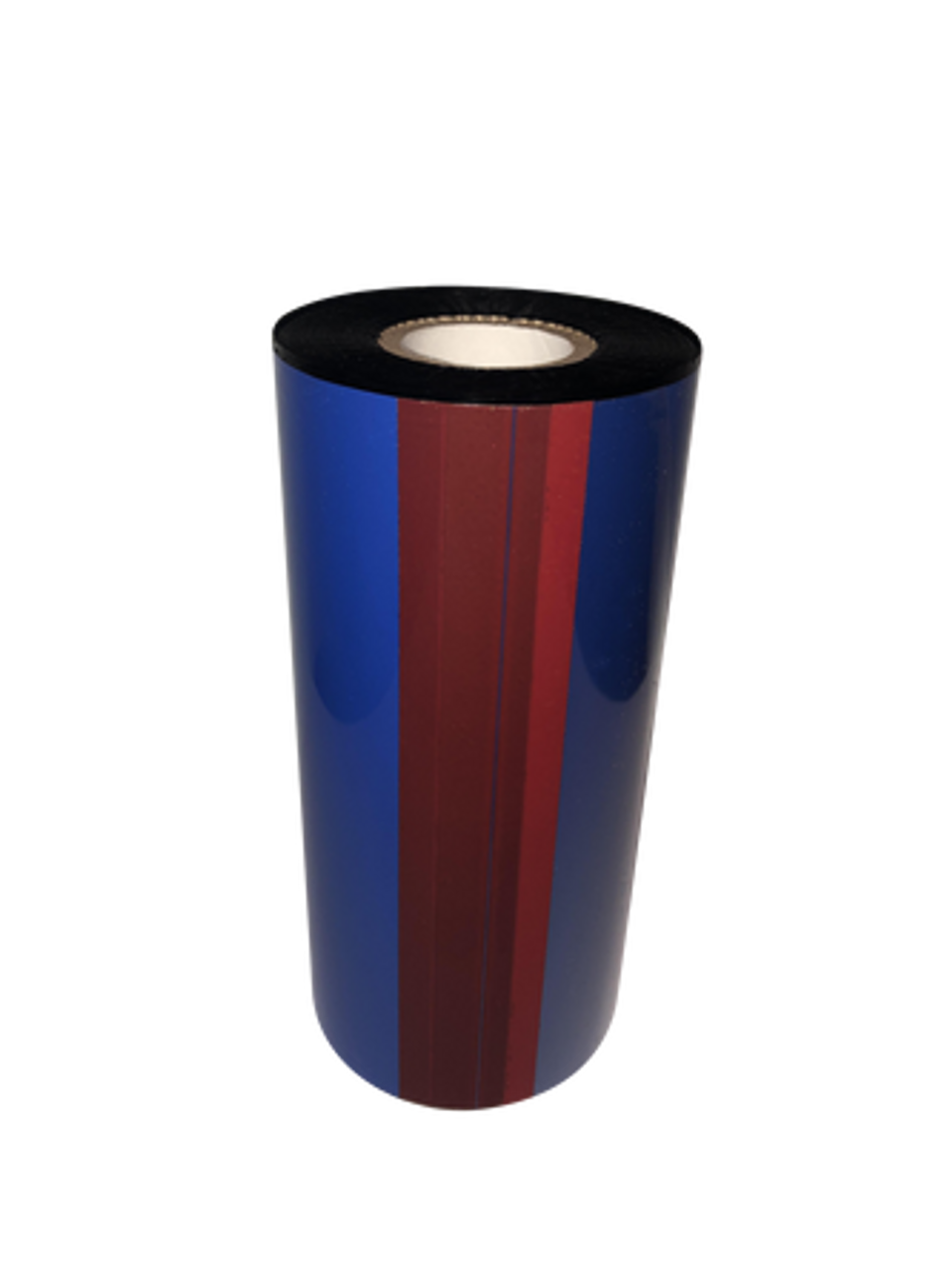
The SATO R333A Black Resin Ribbon is a prime example — engineered for crisp, high-density printing that endures the harshest conditions. When paired with polyester or polyimide labels, it provides unmatched performance for long-term or regulatory labelling.
Pairing Ribbons with Label Materials
Choosing the correct ribbon type depends heavily on the substrate — the label’s base material. Below is a quick guide:
|
Label Material |
Recommended Ribbon Type |
Durability Level |
|
Uncoated Paper |
Wax |
Moderate |
|
Coated/Gloss Paper |
Wax or Wax/Resin |
Good |
|
Polypropylene (BOPP) |
Wax/Resin |
High |
|
Polyester |
Resin |
Very High |
|
Polyimide/Vinyl |
Resin |
Extreme |
This compatibility ensures that the print adheres optimally, maintaining barcode readability and text clarity even after months of use.
Choosing the Right SATO Printer
Even the best ribbon-label combination needs a reliable printer to bring it to life. SATO’s range of industrial and desktop thermal printers is known for its precision and dependability — especially in production-heavy settings.
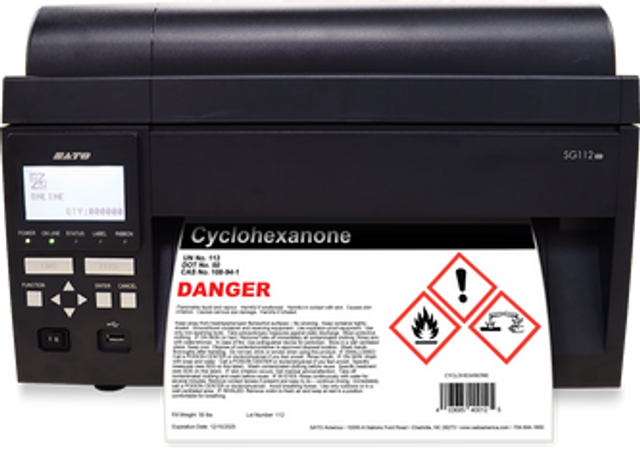
For large-scale applications, the SATO SG112-ex Thermal Transfer Industrial Printer stands out as one of the most advanced options on the market. Capable of printing up to 10.5 inches wide, it’s designed for oversized labels, cartons, and compliance tagging.
This model is ideal for manufacturers and logistics companies that require high throughput without compromising precision. Its dual printhead design allows for exceptionally fast output, making it a cornerstone for efficient industrial labelling operations.
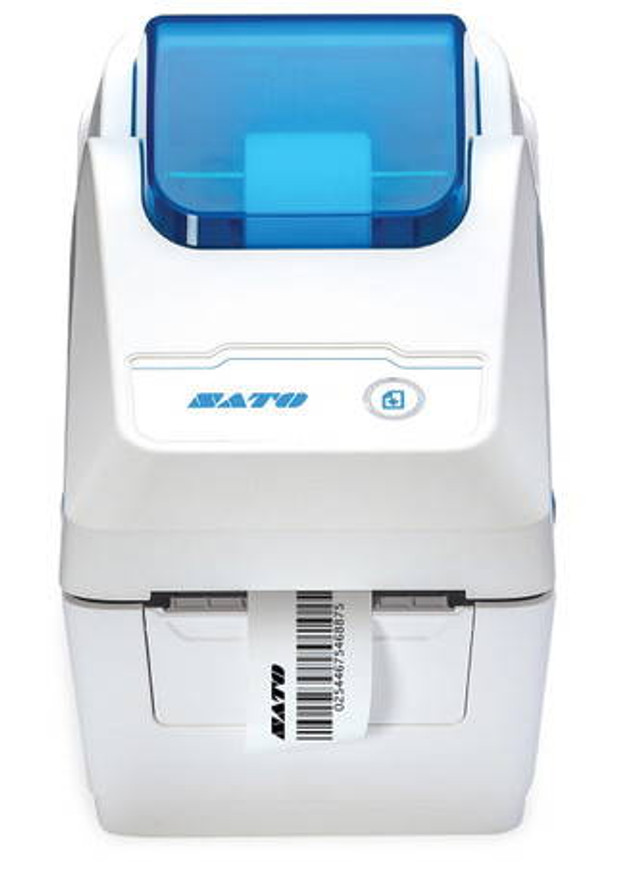
For compact workspaces or small-batch printing, DuraFast also recommends the SATO WS208DT 203 DPI Direct Thermal Printer — perfect for logistics desks, healthcare facilities, and small production environments.
Extending Printer Life with Maintenance and Accessories
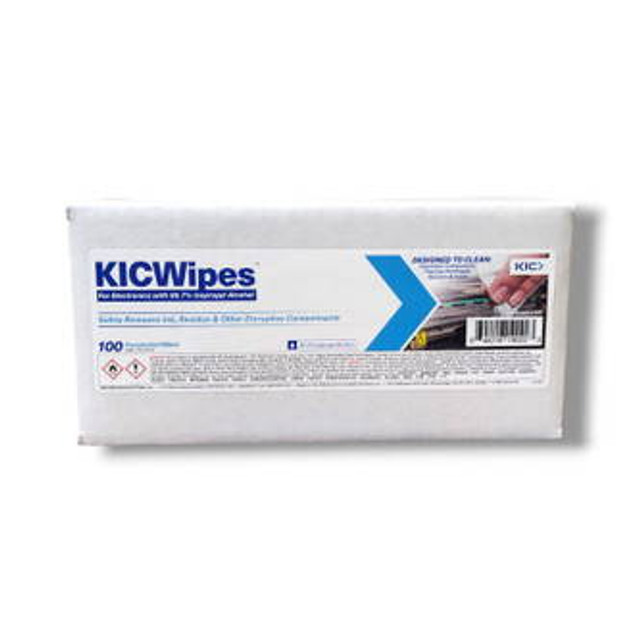
Matching the right ribbon and label combination ensures excellent print quality, but printer longevity also depends on proper maintenance. Using cleaning tools and accessories designed for SATO printers prevents printhead wear and ensures consistent thermal transfer performance.
At DuraFast, we recommend two essential maintenance tools for all SATO users:
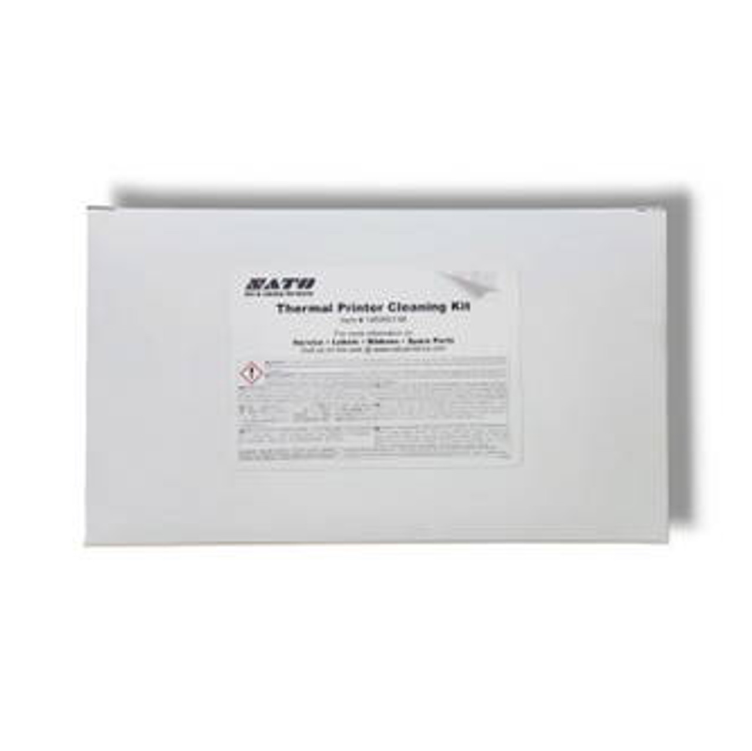
- SATO 14S000156 Cleaning Kit— includes alcohol-based wipes and cleaning swabs to remove built-up ink and adhesive residue from printheads and rollers. Regular cleaning improves print quality and extends the lifespan of critical components.
- SATO E-Z Wipes (14S000145)— convenient, pre-saturated wipes designed for quick maintenance between print runs. Keeping the printhead clean ensures consistent ink transfer and reduces the risk of streaks or voids.
Additionally, businesses using different ribbon sizes can benefit from the SATO WS4 Ribbon Adapter, which allows flexible ribbon compatibility and helps reduce material waste when switching between label types.
Routine cleaning and correct setup prevent heat buildup and misalignment — common causes of premature ribbon wear or printhead burnout.
Common Issues When Ribbons and Labels Don’t Match
Even a top-tier SATO printer can underperform when the ribbon-label combination isn’t properly matched. Here are some telltale signs:
- Smudging or Wiping: Indicates a ribbon that’s too soft for the substrate or insufficient heat.
- Faded Prints: Ribbon not transferring enough ink due to low temperature or incompatible surface coating.
- Peeling or Flaking: Ink layer not bonding; resin ribbons may be required.
- Barcode Read Errors: Low contrast or uneven ink density caused by mismatched ribbon formulation.
When these problems arise, it’s crucial to revisit both your ribbon type and label material. A small change in formulation — such as moving from wax to wax/resin — can often resolve issues immediately.
Optimizing Printhead Settings for Performance
After choosing the right ribbon-label combination, fine-tuning the printer’s settings ensures maximum output quality. SATO printers give users control over print speed, darkness (heat), and pressure — all factors that affect image density and ribbon adhesion.
For example:
- Too high a temperature may over-melt the ribbon, causing smearing.
- Too low a temperature can lead to weak image transfer.
- Excessive print speed reduces contact time and may cause fading.
Our technical specialists at DuraFast often recommend beginning at manufacturer defaults, then performing small incremental tests — adjusting darkness and speed until barcode edges appear crisp and solid without haloing.
We also advise customers to use thermal transfer ribbons that match the core size and winding orientation recommended by SATO. Incorrect ribbon orientation (ink-in vs. ink-out) can cause poor transfer and feed issues.
Industry Applications: Matching Performance to Environment
Every industry has unique labelling requirements, shaped by environmental factors such as temperature, humidity, friction, and chemical exposure. Selecting the right SATO printer ribbon isn’t simply about achieving legible print — it’s about ensuring the printed information survives where it matters most.
Let’s explore how ribbon and label combinations are used in specific sectors:
1. Automotive and Industrial Manufacturing
Automotive parts are often exposed to heat, oil, and solvents — harsh conditions that demand durable, high-bond labelling. These environments are particularly unforgiving to weak ink adhesion or low-grade materials.
For long-term performance, resin ribbons paired with polyester labels are ideal. The SATO R333A Black Resin Ribbon is engineered for superior chemical resistance and thermal stability, ensuring barcodes and identification marks remain readable even after years of exposure.
Applications include:
- Engine and under-hood components
- Electrical assemblies
- Metal housings and parts tracking
- Compliance and safety tags
Automotive OEMs frequently use these combinations for VIN tracking, recall management, and component certification — areas where print degradation could lead to costly compliance issues.
2. Logistics and Warehousing
In logistics, label durability directly impacts tracking accuracy. From pallet identification to cross-docking operations, poor-quality labels slow down workflows and create scanning errors.
For these environments, wax/resin ribbons combined with BOPP (polypropylene) labels offer the best balance between durability and cost-efficiency. These combinations resist smudging and mild abrasion while maintaining fast print speeds.
We often recommend our customers use SATO WS4 series printers with ribbon adapters like the SATO WS4 Ribbon Adapter for enhanced flexibility when switching between ribbon sizes and substrates in multi-shift warehouse environments.
This setup allows 24/7 label production without constant roll changes — a huge advantage in high-throughput fulfillment centers.
3. Chemical and Pharmaceutical Industries
These industries require strict compliance with labelling regulations such as GHS (Globally Harmonized System) and FDA standards. Labels must withstand exposure to solvents, sterilization processes, and moisture without losing readability.
Here, resin ribbons paired with polyimide or PET labels deliver the best long-term results. These materials offer chemical inertness, while resin inks bond securely under high heat.
For added resilience, clients often use SATO SG112-ex printers for large-format chemical container labels, combined with BS5609-certified label stock. These systems meet global maritime labelling standards — essential for exporting chemical drums and containers.
4. Retail and Consumer Goods
Retail labels may not face the same level of environmental stress as industrial ones, but they must maintain sharp print and consistent branding under frequent handling.
For product identification, shelf labelling, and packaging, wax or wax/resin ribbons paired with coated paper or BOPP labels deliver professional results at low cost.
DuraFast frequently helps consumer goods manufacturers balance performance with aesthetics — ensuring barcode clarity for POS scanners while maintaining colour consistency across packaging lines.
5. Healthcare and Laboratory
In medical settings, labels are exposed to extreme environments: refrigeration, sterilization, and constant handling. Patient wristbands, specimen vials, and pharmaceutical packaging all require precision printing that resists smearing and fading.
Resin ribbons are preferred for printing on synthetic labels like polyester or polypropylene, as they withstand autoclaving, disinfectants, and cryogenic conditions.
Paired with a compact, medical-grade printer like the SATO WS208DT, these systems deliver reliable label performance where patient safety and traceability are paramount.
Environmental Testing and Durability Standards
Selecting the right ribbon-label combination goes beyond intuition — it involves rigorous testing to ensure the print quality holds up under real-world conditions. At DuraFast Label Company, we encourage customers to validate performance through controlled environmental assessments before full-scale rollout.
Here are the most common tests:
1. Abrasion Testing
Labels are rubbed against standard surfaces under fixed pressure and cycles to simulate wear. Resin ribbons generally outperform wax or hybrid ribbons in maintaining print clarity after friction.
2. Solvent Resistance Testing
Labels are exposed to alcohol, oil, and cleaning agents to gauge chemical resistance. For industries like automotive and chemical manufacturing, this test ensures regulatory compliance.
3. UV and Heat Testing
Prolonged UV exposure causes fading in non-durable inks. Resin-based ribbons on synthetic labels maintain density and contrast far longer than wax-based alternatives.
4. Adhesion and Peel Testing
Ensures that ink fully adheres to the substrate without flaking or peeling. This is crucial for outdoor and long-term asset tracking applications.
DuraFast offers sample rolls and test prints for clients to evaluate their ribbon-label performance under expected conditions — allowing informed decisions before purchase.
Extending Ribbon and Printer Life
Proper maintenance extends both ribbon yield and printer longevity. Our specialists recommend three key practices:
1. Keep Printheads Clean
Use the SATO Cleaning Kit (14S000156) after every roll change to remove adhesive residue and dust buildup. This prevents heat spots that can cause ribbon wrinkling or voids.
2. Store Ribbons Correctly
Unopened ribbons should be stored in a cool, dry place away from direct sunlight. High humidity or heat can degrade the ribbon coating, leading to inconsistent ink transfer.
3. Use Cleaning Wipes Between Runs
The SATO E-Z Wipes (14S000145) are ideal for quick cleanups. Regular wiping minimizes static buildup and prolongs printhead health.
Clean printers not only deliver sharper prints — they also reduce ribbon waste and downtime.
Cost Efficiency: Choosing the Right Ribbon for Your Budget
Not all applications demand the highest durability. In many cases, businesses can reduce operational costs by selecting a ribbon formulation suited to their specific environment.
- Short-term indoor labels: Wax ribbons on coated paper deliver excellent value for logistics and retail.
- Medium-term exposure: Wax/resin ribbons on polypropylene labels provide resilience at mid-range pricing.
- Long-term or industrial labels: Resin ribbons with polyester or polyimide labels offer unmatched performance but at a higher per-label cost.
DuraFast Label Company assists customers in conducting total cost analyses — balancing print volume, label lifespan, and environmental conditions to choose the most cost-effective solution.
Calibration and Print Quality Troubleshooting
When a new ribbon or label type is introduced, calibration is crucial to ensure alignment and print density. Common setup steps include:
- Media Calibration – The printer detects the start and end of each label.
- Darkness Adjustment – Fine-tunes thermal energy output for optimal ink transfer.
- Speed Settings – Adjust print speed to ensure adequate contact time between ribbon and label.
If issues such as ribbon wrinkling or uneven darkness occur, DuraFast’s technical support team can walk clients through SATO’s diagnostic modes and provide configuration templates tailored to their label media.
Why DuraFast Label Company Is the Partner of Choice
At DuraFast Label Company, our expertise extends far beyond selling printers and ribbons. We provide end-to-end labelling solutions, including:
- Custom label converting for specific materials and sizes
- Ribbon and label compatibility consulting
- Technical training and support for SATO printer operators
- OEM supplies, including ribbons, printheads, and cleaning kits
We stock a comprehensive range of SATO consumables — including the SG112-ex industrial printers, WS4 ribbon adapters, and R333A resin ribbons — ensuring customers have quick access to certified, genuine products for optimal performance.
Our local warehousing in Canada and the United States allows fast fulfillment, reducing downtime for high-volume users.
Expert Tip: Small Adjustments, Major Impact
A subtle change in ribbon formulation can significantly improve durability. For instance, switching from a standard wax/resin ribbon to a higher-melting hybrid can double label life in semi-outdoor environments.
We often advise customers in manufacturing to experiment with printhead temperature gradients — a slightly higher setting may allow deeper ink penetration into textured surfaces like semi-gloss polypropylene, creating better scratch resistance without overburning.
These refinements can only be made effectively with proper consultation and access to test materials — something DuraFast provides as part of our pre-sale support.
Environmental and Compliance Considerations
Durable labelling isn’t just a performance concern — it’s also about meeting industry standards and environmental regulations.
1. BS5609 Certification
This international benchmark ensures labels remain readable after 90 days of seawater immersion. For companies exporting chemicals or hazardous materials, using resin ribbons with BS5609-compliant polyester labels guarantees compliance with global maritime standards.
2. RoHS and REACH Compliance
Many SATO printer ribbons and label substrates supplied by DuraFast meet RoHS (Restriction of Hazardous Substances) and REACH (Registration, Evaluation, Authorization, and Restriction of Chemicals) standards. These ensure materials are free from harmful substances, making them environmentally safe and worker-friendly.
3. Sustainability Practices
As sustainability becomes a key purchasing criterion, DuraFast actively works with clients to reduce ribbon and label waste. We offer:
- Eco-friendly label cores and recyclable substrates
- Refillable printer ribbon systems
- Custom sizing to minimize leftover media rolls
When sustainability aligns with efficiency, both cost and waste decrease — a win-win for every labelling operation.
Maintenance Schedule for Optimal Performance
Even the best ribbon and label combination can underperform if the printer is neglected. To maintain consistency and extend equipment life, DuraFast recommends the following maintenance schedule:
Daily
- UseSATO E-Z Wipes after each print run to remove dust and residue.
- Visually inspect the ribbon for wrinkles or uneven tension.
Weekly
- Perform a complete cleaning using the SATO Cleaning Kit to ensure no buildup on the printhead or platen roller.
- Check that the ribbon path aligns properly and that media sensors are clear of debris.
Monthly
- Run a calibration to adjust heat and speed settings for optimal transfer.
- Inspect printer belts, rollers, and gears for wear.
- Store spare ribbons in controlled environments — between 15°C and 25°C (59°F to 77°F) — to maintain coating integrity.
This proactive maintenance ensures optimal performance and avoids costly unplanned downtime.
Predictive Maintenance and Analytics
Some modern SATO printers, like the SG112-ex and CLNX Plus series, offer built-in diagnostic tools. These track printhead usage, ribbon consumption, and sensor health — enabling predictive maintenance before failures occur.
At DuraFast, we help customers configure these features, integrating them into digital dashboards for real-time visibility. This predictive approach allows operators to replace ribbons or printheads before degradation affects label quality.
Predictive maintenance isn’t just about convenience — it’s about keeping production lines running smoothly without interruption.
The DuraFast Advantage: Expertise, Quality, and Speed
As a long-standing partner of SATO, DuraFast Label Company delivers more than just products — we provide complete labelling ecosystems built for precision, compliance, and longevity.
Here’s why clients across North America trust us:
- End-to-End Solutions: We supply everything — printers, ribbons, labels, cleaning kits, adapters, and technical support.
- Custom Label Manufacturing: Our in-house converting facility allows us to produce custom-sized labels compatible with any SATO printer.
- Fast Shipping: With warehouses in Canadaand the U.S., most orders ship the same day.
- Expert Guidance: Our team helps customers choose the right materials for their industry, environment, and printer model.
- Genuine OEM Supplies: Every ribbon and accessory we sell is tested for compatibility and performance.
This combination of expertise and inventory depth ensures that clients always receive consistent, reliable results.
Best Practices for Matching SATO Ribbons and Labels
To conclude, here are the five most important takeaways for achieving long-term labelling durability:
- Match Ink to Substrate — Always pair ribbon formulations to label materials (wax for paper, wax/resin for synthetics, resin for extreme conditions).
- Prioritize Environment Testing — Evaluate labels under expected heat, humidity, and chemical exposure before full deployment.
- Maintain Your Printer — Regular cleaning protects printheads and ensures consistent transfer quality.
- Use Certified Materials — For regulated industries, choose BS5609, RoHS, or REACH-compliant ribbons and labels.
- Partner with Experts — Work with trusted suppliers like DuraFast for ongoing support, calibration assistance, and supply chain reliability.
When each of these steps is followed, businesses can achieve durable, professional labels that stand the test of time.
In the world of industrial labelling, long-term success depends on precision — not only in printing but also in material science and process control. Whether you’re labelling automotive parts, shipping containers, or medical samples, the perfect pairing of SATO printer ribbons and high-quality labels ensures every mark endures.
At DuraFast Label Company, we take pride in helping businesses across North America simplify their labelling systems and elevate their operational reliability. With our SATO-compatible ribbons, advanced printers, and expert consultation, we make it possible for you to print with confidence — every time. For more information, check out our full list of offerings, or contact us today to learn more about what suits your needs best!