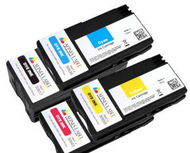
How to Choose the Best Toner or Ink for Your Label Printer
4th Feb 2026
Label printing has become a vital part of business operations in retail, manufacturing, healthcare, and logistics. Every product, shipment, and barcode label depends on clear, precise, and durable prints. However, achieving this quality relies heavily on selecting the right toner or ink. For anyone looking to buy toners for label printers, understanding the differences between toner and ink options, printer compatibility, and printing needs is essential for consistent performance and cost efficiency.
Understanding the Difference Between Toner and Ink
At first glance, toner and ink may seem interchangeable, but they serve very different functions depending on the printer type. Toner is a fine powder used in laser printers, while ink is a liquid used in inkjet printers. Toner relies on heat to fuse powder particles onto the surface of a label, resulting in smudge-resistant prints ideal for industrial or shipping applications.
Ink, on the other hand, seeps into the surface of inkjet-compatible labels, offering vibrant color reproduction and smooth gradients. Inkjet printers are typically used for color-rich, detailed labels, while laser printers are favored for speed and high-volume monochrome printing.
Choosing between toner and ink depends on the type of labels being printed, desired durability, and the volume of output. Businesses that rely on consistent, high-speed output often find toner-based printers more reliable. Those requiring full-color designs or graphics may lean toward inkjet options.
Toner Cartridges: Efficiency and Durability
Laser printers equipped with toner cartridges offer strong advantages in speed and resilience. Toner-based labels resist moisture, heat, and UV exposure better than standard ink labels. This makes them ideal for industrial use or outdoor environments.
For organizations printing barcodes, shipping labels, or warehouse tags, toner ensures long-lasting clarity. Labels printed with toner maintain readability even after handling, abrasion, or temperature changes. Additionally, toner cartridges typically last longer than ink cartridges, reducing downtime and replacement frequency.
When purchasing toner, it is important to select cartridges specifically designed for the label printer model. Generic or incompatible toners can cause poor adhesion, streaks, or printer damage over time. High-quality toners often produce sharper text and cleaner edges—critical for barcode scanning accuracy.
Ink Cartridges: Vibrancy and Precision for Color Labels
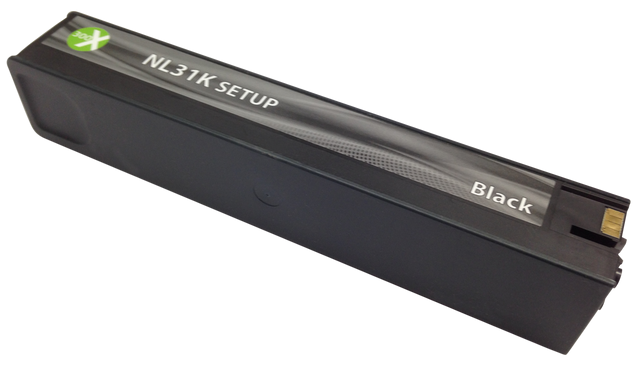
Inkjet printers use either dye-based or pigment-based inks and each offers unique benefits. Dye-based inks provide vibrant, glossy results but may not withstand water or sunlight as effectively. Pigment-based inks, however, are designed for durability, producing prints that resist fading and smudging.
For businesses printing product labels, retail packaging, or branding materials, inkjet technology provides the color range and visual appeal needed to make designs stand out. Using affordable blank inkjet labels ensures the ink adheres properly and maintains quality throughout its shelf life.
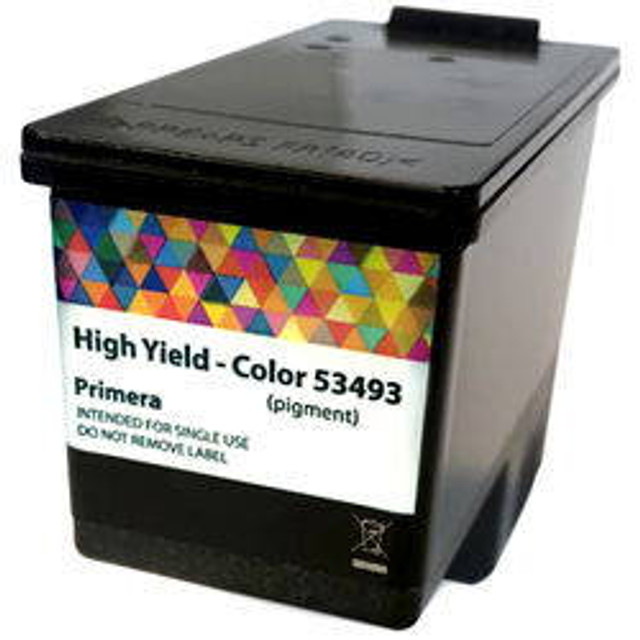
Pigment inkjet printers, such as those available from pigment inkjet label printer options, deliver professional-grade finishes with sharp definition. When paired with compatible label media, they provide a polished, reliable solution for both short-run and full-scale production.
Matching Printer Type to Toner or Ink
Selecting the correct toner or ink starts with understanding printer compatibility. Laser printers require toner cartridges, while inkjet printers depend on liquid ink cartridges. Mixing the two is not possible, as their operating mechanisms differ entirely.
Those using high-quality thermal label printers or color label printers for sale need to ensure that their consumables match the manufacturer’s specifications. Thermal printers, for example, use heat-sensitive labels and do not require toner or ink at all. Instead, they use ribbons or direct heat to create text and barcodes.
Inkjet users should consider factors like ink absorption rate, label coating, and printer resolution. Pairing the correct ink with a compatible label type ensures long-term adhesion and reduces smudging or fading. Laser printer users, conversely, must focus on toner formulation and fusing temperature to avoid uneven print quality.
Cost, Quality, and Longevity Considerations
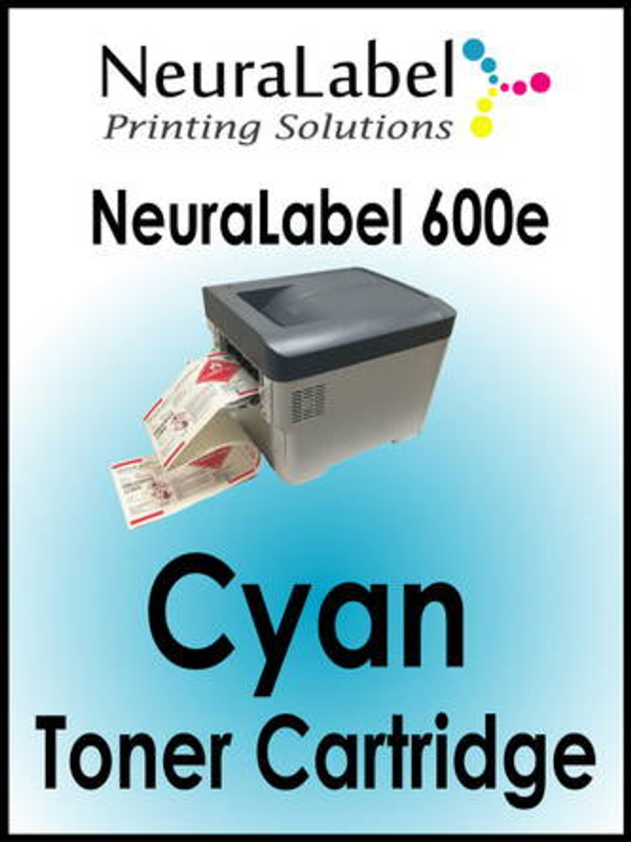
While initial cost often drives purchase decisions, the overall cost of ownership should guide the choice. Toner cartridges may appear more expensive upfront, but generally last longer than ink cartridges. They print thousands of pages before needing replacement, making them a cost-effective choice for high-volume operations.
Ink cartridges, though less costly initially, may require more frequent replacement, especially when printing full-color labels. This can increase long-term expenses if not managed properly. However, modern inkjet technology continues to improve efficiency, offering refillable tanks and high-yield cartridges to lower printing costs and enhance overall productivity.
Print quality is another critical factor. Toner excels in producing crisp, black text ideal for barcodes and serial numbers, while ink produces rich, detailed imagery perfect for product branding. The right choice depends on whether clarity or color vibrancy takes priority for a specific labeling need. Additionally, factors like printer speed, maintenance frequency, and environmental conditions also influence which option delivers better long-term value.
Environmental and Maintenance Factors
Sustainability plays an increasing role in printing decisions. Toner cartridges can be recycled, and many suppliers now offer eco-friendly refill programs. Ink cartridges can also be refilled or remanufactured, reducing plastic waste.
Maintenance, however, varies between the two. Toner-based printers require occasional cleaning of fuser units and rollers, but tend to remain stable over long periods without use. Inkjet printers need more regular maintenance to prevent nozzle clogs and dry ink buildup. Proper storage—keeping ink cartridges sealed and away from heat—helps extend their usability and maintain print consistency, especially for businesses that print labels intermittently or in varying environmental conditions.
For facilities running continuous labeling operations, the reduced maintenance of toner printers may appeal more. Yet for businesses needing vibrant, visually detailed labels, inkjet systems remain unmatched in print quality and versatility.
Specialized Label Printing Needs
Different industries demand specific printing outcomes. For instance, healthcare labels require smudge-proof readability, while food packaging often demands colorful branding and fine text. Logistics and warehousing benefit from direct thermal labels and thermal transfer labels for sale, which ensure long-term durability under constant handling.
Manufacturers that frequently print serial codes or compliance tags may prefer custom thermal transfer labels, as they provide resistance against chemicals and abrasion. In contrast, companies prioritizing design and product presentation will find inkjet-compatible labels more effective.
Additionally, those managing inventory may use specialized devices such as a label counter machine systems to track printed quantities, further optimizing efficiency and quality control.
How to Make the Right Choice
When deciding between toner and ink, consider the following key points:
- Printer Type: Determine whether the device is laser or inkjet-based before purchasing consumables.
- Print Volume: For high-volume printing, toner is often more cost-efficient and durable.
- Label Material: Paper, synthetic, or weatherproof materials each require specific ink or toner compatibility.
- Color Needs: Choose inkjet printers for detailed, color-intensive prints and laser printers for fast monochrome output.
- Durability Requirements: Select toner for heat-, water-, or abrasion-resistant labels.
- Budget and Maintenance: Factor in long-term maintenance and replacement costs for an accurate cost assessment.
By carefully evaluating these points, businesses can maximize printer performance, reduce waste, and achieve the best print quality for their operational needs.
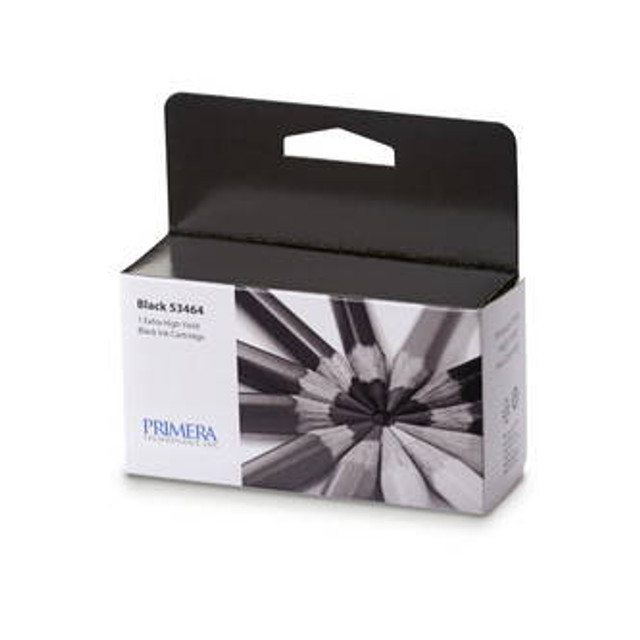
Where to Find Reliable Toners and Label Supplies
Selecting the right ink or toner is essential for achieving consistent, professional-quality labeling results. Whether using laser or inkjet printers, matching the consumable type with label material and operational demands ensures clarity, longevity, and cost efficiency. For color-intensive labeling projects, blank inkjet labels for sale and affordable blank inkjet labels are reliable choices that complement both dye-based and pigment-based inks. Meanwhile, those aiming for speed and precision often turn to buy thermal label printers online for industrial-grade performance.
For dependable products and expert assistance, DuraFast Label Company offers premium supplies designed to meet professional labeling demands. From toners and inks to printers and label materials, every solution supports long-term reliability and consistent quality for any business printing need. Contact us today.