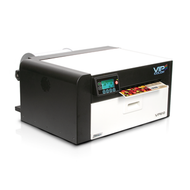
How Digital Label Printing is Revolutionizing the Packaging Industry
23rd Dec 2025
In today’s fast-moving marketplace, packaging is more than protection — it’s communication. It tells consumers who we are, what we value, and why our products deserve attention. But as product lines multiply, consumer preferences shift overnight, and sustainability standards tighten, many manufacturers face a shared problem: traditional label printing can’t keep up.
Conventional printing methods struggle to deliver shorter runs, faster turnarounds, and the personalisation customers now expect. Businesses can no longer afford to wait weeks for new label designs or waste money on thousands of unused labels every time regulations or marketing needs change.
This is where digital label printing has become transformative. Unlike analogue techniques such as flexography or offset printing, digital presses produce high-quality, full-colour labels directly from digital files. That means no printing plates, no long setup times, and no minimum order volumes.
At DuraFast Label Company, we’ve seen first-hand how digital label printing has allowed businesses across Canada to print what they need, when they need it — whether that’s producing a single prototype or running thousands of professional-grade labels on demand. We supply everything needed to make this possible: printers, label stock, ink cartridges, and toner supplies that help businesses achieve consistent, durable results.
In this article, we discuss how digital label printing is reshaping the packaging sector — from shorter production cycles and lower costs to advanced customisation, sustainability, and compliance advantages.
1. From Mass Production to On-Demand Printing
The packaging industry was once dominated by mass-production cycles. Companies printed tens of thousands of identical labels in one go to minimise setup costs. But as markets have diversified, that model no longer makes sense.
Digital label printing eliminates the rigid economics of traditional runs. Instead of producing massive inventories, manufacturers can print exactly what they need.
The Benefits of On-Demand Production
- Reduced Waste: Only the required quantity is printed, cutting both material use and storage costs.
- Faster Turnarounds: New labels can be produced in hours rather than days.
- Rapid Market Response: Businesses can test new flavours, designs, or seasonal packaging with minimal risk.
- Lower Minimum Orders: No more pressure to order bulk labels that may never be used.
We’ve watched many Canadian businesses adopt compact systems such as pigment inkjet or thermal label printers that make short-run production feasible even in small facilities. When paired with reliable consumables — toner cartridges, pigment inks, and durable vinyl or synthetic label rolls — companies gain control over both timing and quality.
2. The Personalisation Boom: Meeting Modern Consumer Expectations
Personalisation is no longer optional. Today’s consumers expect products to reflect their individuality — from limited-edition flavours to region-specific packaging. Digital label printing makes this trend attainable.
With a digital workflow, each label can carry unique text, images, or QR codes without halting the production line. This opens the door to:
- Customised marketing campaigns (names, regional messages, loyalty codes)
- Variable data printing for serial numbers or traceability
- Regulatory adjustments for multilingual or region-specific packaging
A beverage company, for example, can print limited designs for different cities, while a cosmetics brand can produce test-market packaging for new scents without large overheads.
This capacity for agile design helps strengthen brand loyalty. When customers see packaging that resonates with their identity or local culture, they’re more likely to engage.
3. Cost Efficiency Through Digital Technology
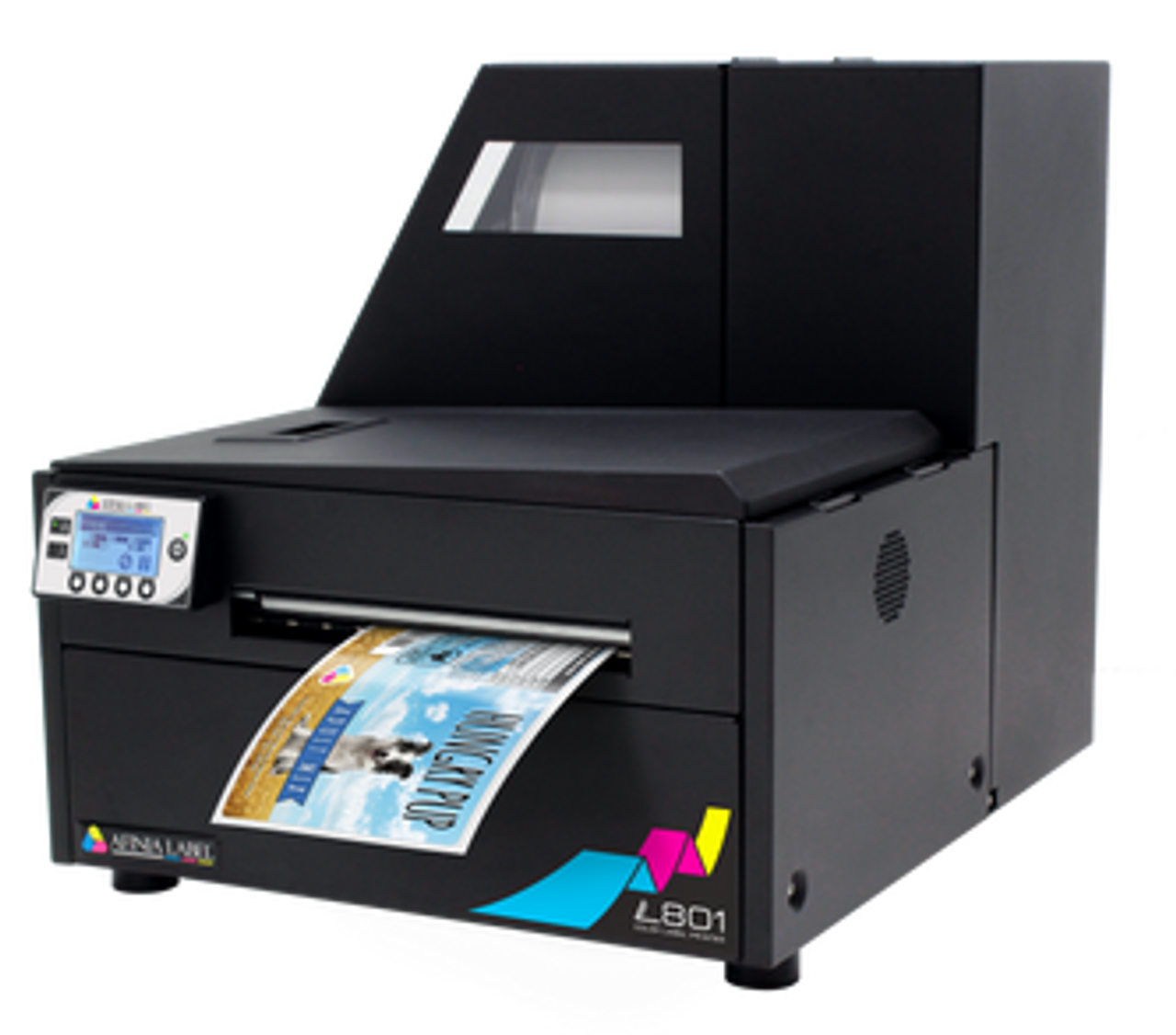
Traditional printing requires plates, setup materials, and calibration — all of which add fixed costs. Digital label printing removes these barriers. The result is a model that allows smaller businesses to compete with larger manufacturers.
How Costs Are Reduced
- No Plates or Film Costs: Artwork is uploaded digitally, saving prepress expenses.
- Shorter Setup Time: Presses can switch designs instantly, cutting idle hours.
- Lower Waste: Precise runs eliminate unused inventory.
- Energy Savings: Modern colour label printers are built for efficiency and use less power per print cycle.
While per-label ink costs may appear slightly higher, the overall economics strongly favour digital systems for most businesses under 50,000-label runs — the majority of today’s commercial packaging requirements.
And when using high-quality color label printers combined with pigment or dye-based inks, companies can produce professional, durable results in-house. Toners for label printers also continue to improve, offering sharper definition and faster drying times that support high-speed production.
4. Quality and Durability: Closing the Gap with Industrial Printing
Early generations of digital systems struggled to match the precision of flexographic printing. That’s no longer true. Today’s high-quality thermal label printers and pigment inkjet label printers in Canada can produce labels with resolutions exceeding 1200 dpi, full-colour gradients, and exceptional registration accuracy.
These systems can also handle a variety of media, from matte paper to glossy vinyl. Advanced pigment inks provide superior resistance to water, heat, and UV exposure — ideal for harsh industrial or outdoor environments.
Typical Durable Label Types Include:
- Wash-care labels for textiles and apparel, designed to endure laundering cycles.
- Vinyl and synthetic labels for chemical drums, outdoor equipment, or machinery.
- RFID-enabled labels for logistics, inventory management, and anti-counterfeiting.
For companies that require consistent results, digital technology ensures every label — from the first to the last — looks identical. Combined with the right consumables, the finished labels are both visually striking and built to last.
5. Sustainability and Waste Reduction
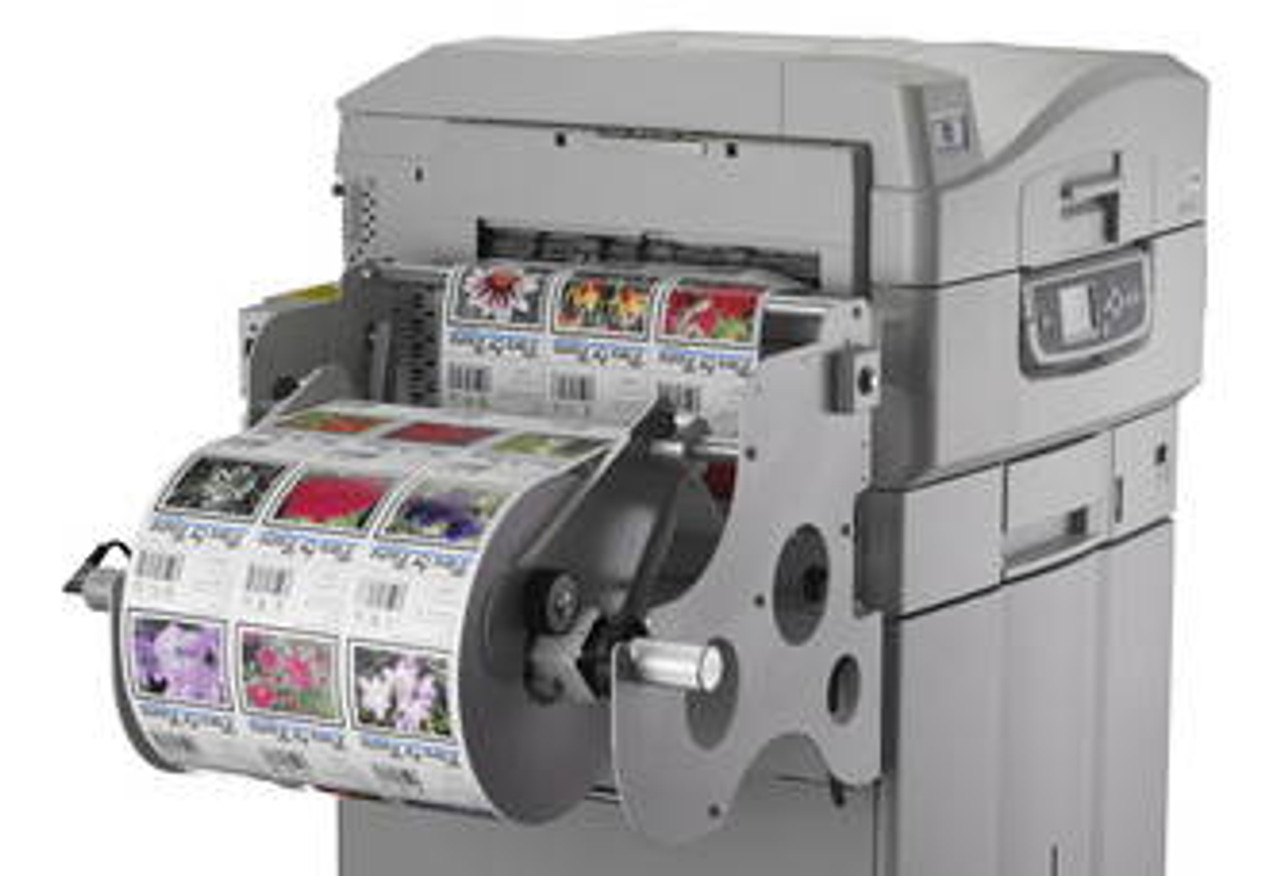
Environmental responsibility is now central to packaging strategy. Consumers, retailers, and regulators alike expect brands to minimise their ecological footprint.
Digital label printing supports sustainability in several ways:
- Reduced Overproduction: On-demand printing prevents unnecessary waste.
- Eco-Friendly Materials: Many modern label stocks and toners meet recyclable and low-VOC standards.
- Efficient Ink Usage: Advanced inkjet systems apply precise droplet volumes, minimising waste.
- Lower Transportation Footprint: In-house printing means fewer shipments from external suppliers.
Manufacturers can also adopt biodegradable or recyclable label materials compatible with digital systems — reducing environmental impact while maintaining professional aesthetics.
When paired with energy-efficient printers, such as thermal and pigment inkjet systems, the total carbon footprint per label drops significantly compared to traditional processes.
6. Speed, Flexibility, and the New Product Cycle
Packaging design cycles used to last months. Now, with e-commerce and social media pushing brands to release frequent updates, speed is everything.
Digital label printing makes it possible to adjust packaging almost instantly. A product recall, formula change, or promotional event no longer means waiting for new plates. Files can be updated digitally and printed immediately.
Why Flexibility Matters
- Faster Time to Market: Brands can react to demand spikes or new regulations within days.
- Consistent Branding: Digital templates ensure accuracy across multiple product lines.
- Global Readiness: Easy integration of languages, barcodes, and compliance details.
This agility is particularly valuable for smaller or regional manufacturers that serve niche markets and need to differentiate quickly.
7. Industry Applications of Digital Label Printing
Digital label printing has proven indispensable across multiple industries. Each has specific requirements that digital technology can meet effectively.
Food and Beverage
The food sector relies heavily on freshness, traceability, and aesthetics. Digital systems enable allergen information, expiration dates, and ingredient changes to be updated instantly. Full-colour designs enhance shelf appeal, while thermal labels withstand cold storage conditions.
Health and Beauty
Cosmetics and personal-care brands benefit from vivid imagery and small-batch flexibility. Digital printing allows short-run custom packaging for limited-edition products, influencer collaborations, or event campaigns.
Pharmaceuticals and Nutraceuticals
Accuracy and regulatory compliance are vital. Variable data printing supports batch tracking, QR codes, and serialisation for anti-counterfeiting purposes.
Chemical and Industrial
Pigment-based systems create durable, chemical-resistant labels for hazardous materials, safety warnings, or drum identification. Vinyl and synthetic materials deliver strong adhesion and weather resistance.
Apparel and Textiles
Wash-care label printers help clothing manufacturers comply with international care labelling standards. Digital systems support variable printing for fabric type, country of origin, and size information.
Logistics and Retail
RFID label printers in Canada are being used to automate supply-chain tracking and enhance inventory visibility. Variable data integration also enables real-time printing of barcodes and serial numbers.
8. The Role of Toners, Inks, and Consumables
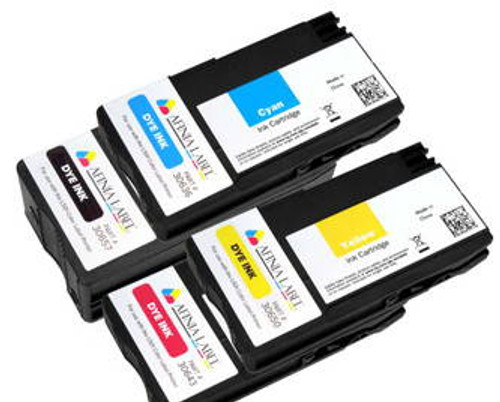
Printer hardware is only one part of the equation. The quality and compatibility of toners for label printers, inks, and substrates determine the final appearance and performance.
Choosing the Right Supplies
- Pigment vs. Dye Ink: Pigment inks resist fading and water damage, while dye inks produce brighter colours for indoor use.
- Synthetic and Vinyl Labels: Ideal for moisture-heavy or outdoor environments.
- Paper Labels: Cost-effective for general applications.
- Thermal Media: Perfect for high-volume or variable-data printing.
At DuraFast Label Company, we’ve noticed that many customers who own Epson colour label printers — such as the C4000, C6000, or TM-C7500 series — prefer sourcing compatible inks and labels directly through us. This ensures consistent print quality and reliable performance across every batch.
However, for businesses considering an upgrade or expansion, a range of colour label printers for sale today offer similar or superior performance, often at lower operating costs.
9. Integration with Modern Packaging Systems
Digital label printing fits seamlessly within modern packaging workflows. Labels can be printed and applied automatically within filling, capping, or sealing lines — ensuring precision and consistency.
Technological Advancements Driving Integration
- Cloud-Based Design Tools: Allow remote artwork updates and approval.
- Colour Management Software: Ensures consistency across devices.
- Automated Finishing Units: Cut, laminate, and rewind rolls for immediate application.
- RFID Encoding: Adds traceability for logistics and retail.
Such integration helps streamline production while maintaining the flexibility digital systems are known for.
10. Meeting Compliance and Traceability Requirements
Regulatory compliance has become increasingly complex, particularly in industries like food, pharmaceuticals, and chemicals. Digital label printing provides the adaptability needed to keep labels compliant.
Manufacturers can instantly incorporate:
- Ingredient or formulation changes
- New safety icons or GHS classifications
- Region-specific language requirements
- Batch or lot identification codes
This real-time adaptability avoids costly product recalls or relabelling delays. Combined with RFID and barcode capabilities, digital printing also enhances supply-chain transparency — a growing expectation among Canadian retailers.
11. Digital Printing and Brand Integrity
Brand consistency is critical. Variations in colour tone, text clarity, or finish can erode consumer trust. Digital systems maintain precise colour calibration, ensuring that every print matches the approved design exactly.
The repeatability of digital label printing also simplifies multi-facility operations. Whether labels are printed in Toronto or Vancouver, the results remain consistent, helping companies maintain a unified identity nationwide.
12. A Smarter Future: Automation and Data-Driven Printing
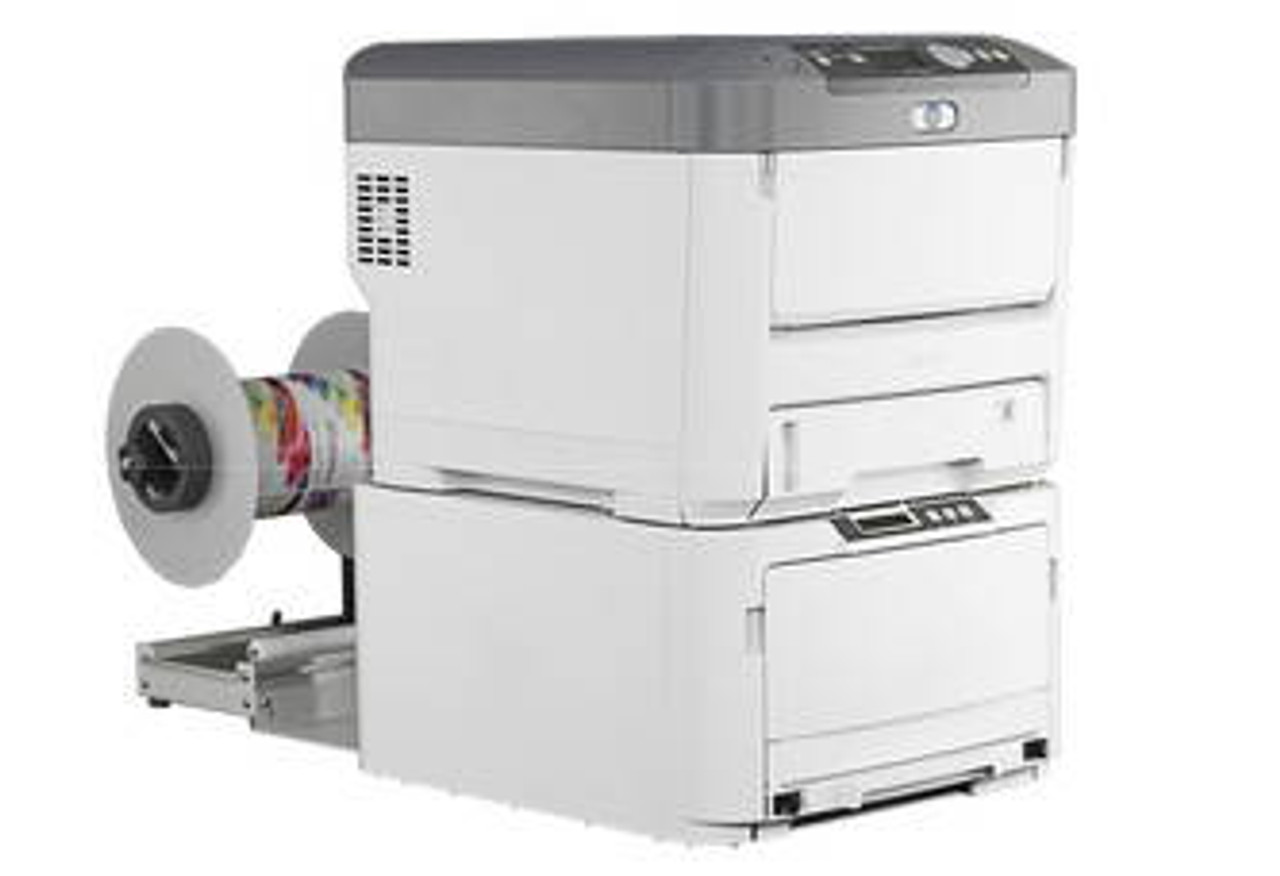
The future of digital label printing is increasingly intertwined with automation, artificial intelligence (AI), and data analytics. As the packaging industry becomes more competitive, manufacturers are seeking ways to improve efficiency, reduce errors, and ensure consistent quality — and digital label printing technologies are evolving to meet these demands.
Modern digital presses are no longer static machines that simply reproduce a file. They now incorporate sensors, software algorithms, and connectivity features that allow them to actively monitor and adapt the printing process in real time. One of the most significant advancements is the ability to automatically adjust ink density.
Real-Time Ink and Colour Management
Colour consistency is critical in maintaining brand identity. Even minor deviations in hue, saturation, or brightness can affect consumer perception and reduce the perceived quality of a product. Traditional presses required manual calibration, often leading to downtime and reprints.
With AI-powered digital label printers, the system continuously monitors the ink deposition and color output. Sensors detect subtle variations in colour or density, and the software automatically compensates by adjusting ink levels on the fly. The result: every label printed, whether it’s part of a 100-piece short run or a 50,000-piece batch, matches the approved design perfectly.
This technology also supports high-resolution colour label printers in Canada to deliver precise results across various media types — from paper stock to vinyl and synthetic labels. Brands can achieve the same vibrant, accurate results that previously required high-end analogue systems, but with far greater speed and flexibility.
Predictive Maintenance: Minimising Downtime
A key benefit of modern automation in digital printing is predictive maintenance. Digital presses equipped with sensors continuously monitor machine health, tracking parameters such as roller wear, printhead performance, and motor operation. Using data analytics, the system can forecast when maintenance or part replacement is required, often before a failure occurs.
This proactive approach reduces unexpected downtime, keeps production lines running smoothly, and saves costs associated with emergency repairs. In industries like food, pharmaceuticals, and logistics, where timely packaging is essential, predictive maintenance ensures that deadlines are consistently met without compromising quality.
Cloud-Connected Printing and Centralised Management
Another dimension of automation is cloud connectivity. Many modern digital label printing systems allow multiple presses across different locations to be managed from a central hub. Artworks, templates, and variable data files can be uploaded to a secure cloud server, and each printer automatically synchronises to the latest version.
This centralised approach has several advantages:
- Consistency Across Locations: Brands with multiple facilities can maintain uniform colour and label design standards.
- Remote Monitoring: Operators and managers can track print jobs, inventory levels, and machine status from anywhere, enabling rapid decision-making.
- Workflow Efficiency: Files can be queued, prioritised, or rescheduled in real time to meet production demands.
In practical terms, a Canadian beverage brand with facilities in Toronto, Montreal, and Vancouver could produce identical label designs locally without shipping printed labels across the country, saving both time and transportation costs.
Data-Driven Production Insights
Beyond maintenance and colour management, data analytics is transforming how businesses optimise their label printing operations. By collecting data on print volume, ink usage, media type, and job duration, manufacturers can identify inefficiencies and make informed decisions:
- Optimising Material Use: Analyse which media or inks deliver the best performance for specific products.
- Cost Management: Track ink consumption per job to forecast supply needs and reduce waste.
- Performance Benchmarking: Compare machine productivity across facilities to identify opportunities for process improvement.
- Predicting Demand: Historical data can help forecast upcoming printing needs based on seasonal trends or promotional campaigns.
Essentially, digital label printing is no longer just a mechanical process — it is becoming an intelligent, self-optimising workflow that integrates production, maintenance, and supply-chain management.
The Role of AI in Quality Control
Artificial intelligence extends beyond monitoring ink levels. Advanced AI algorithms can analyse printed labels for defects such as misalignment, smudging, or registration errors. Cameras integrated into the printer scan every label in real time, and the system either adjusts the process or flags labels for review.
This significantly reduces the risk of sending defective products to market, particularly in sectors with strict regulatory requirements like pharmaceuticals or food safety. It also supports wash care label printers and RFID label printers in Canada, where accuracy is essential for traceability and compliance.
13. Why the Shift to Digital Label Printing Is Accelerating
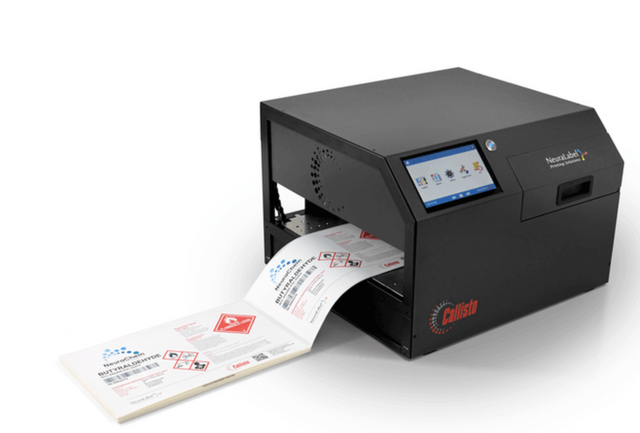
Several factors continue to drive this industry transformation:
- E-commerce Growth: Online brands demand faster, smaller packaging runs.
- Regulatory Fluidity: Frequent labelling changes favour flexible digital systems.
- Personalisation Demand: Consumers expect product individuality.
- Sustainability Pressures: Waste reduction aligns with digital production.
- Technological Maturity: Today’s digital systems match or surpass analogue quality.
Together, these forces make digital printing the logical path forward for packaging operations of all sizes.
14. Overcoming Adoption Challenges
Some businesses hesitate to adopt digital technology, assuming it’s expensive or complex. In practice, costs have decreased significantly, and most systems are remarkably user-friendly.
Practical Considerations for Adoption
- Training: Operators can master modern digital systems within days.
- Maintenance: With fewer moving parts, servicing requirements are minimal.
- Scalability: Companies can start with compact units and expand gradually.
- Consumables Management: Reliable suppliers ensure consistent toner and media availability.
The flexibility of digital printing ensures that even entry-level systems deliver professional results suitable for retail-ready packaging.
15. Real-World Impact on Packaging Innovation
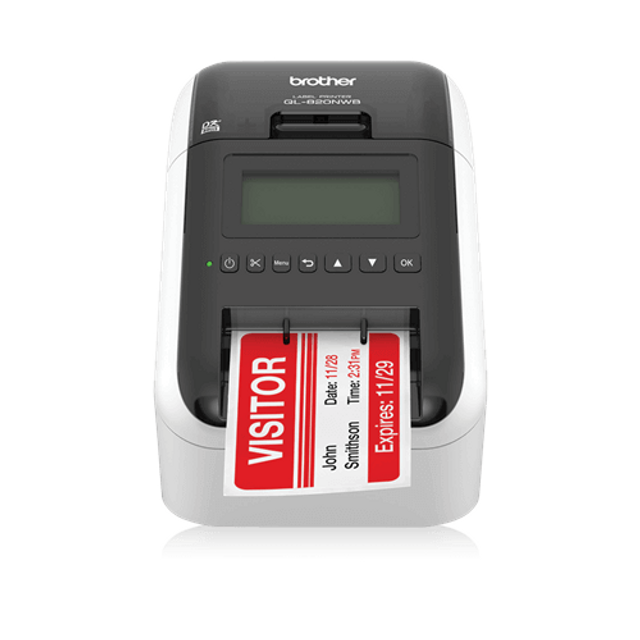
Across Canada, digital printing is helping brands experiment boldly with packaging concepts. Seasonal promotions, bilingual labels, QR-driven loyalty campaigns, and eco-friendly product lines all rely on the agility of digital workflows.
In sectors where shelf impact determines sales, the ability to refresh packaging frequently is invaluable. A digital press enables that without disrupting production schedules or budgets.
16. The Competitive Edge of In-House Printing
Outsourcing label production often introduces delays, freight costs, and minimum orders. Bringing label printing in-house changes that equation entirely.
Advantages of In-House Printing
- Total Control: Immediate updates for artwork or compliance.
- Reduced Costs: No third-party mark-ups or shipping fees.
- Inventory Optimisation: Print only what’s required.
- Confidentiality: Sensitive product information stays internal.
For many Canadian businesses, investing in high-quality colour label printers or thermal label printers has delivered measurable returns within months through faster turnaround and lower waste.
17. Future Outlook: The Next Five Years
Industry analysts forecast that digital label printing will account for nearly half of all printed labels by 2030. As ink formulations, substrates, and automation continue to advance, the technology’s capabilities will only grow.
We can expect broader adoption of RFID label printers in Canada, hybrid printing systems combining flexo and digital processes, and increased use of sustainable materials designed specifically for digital output.
The shift is no longer theoretical — it’s already reshaping how packaging is produced and perceived.
Is Your Business Ready to Harness the Power of Digital Label Printing?
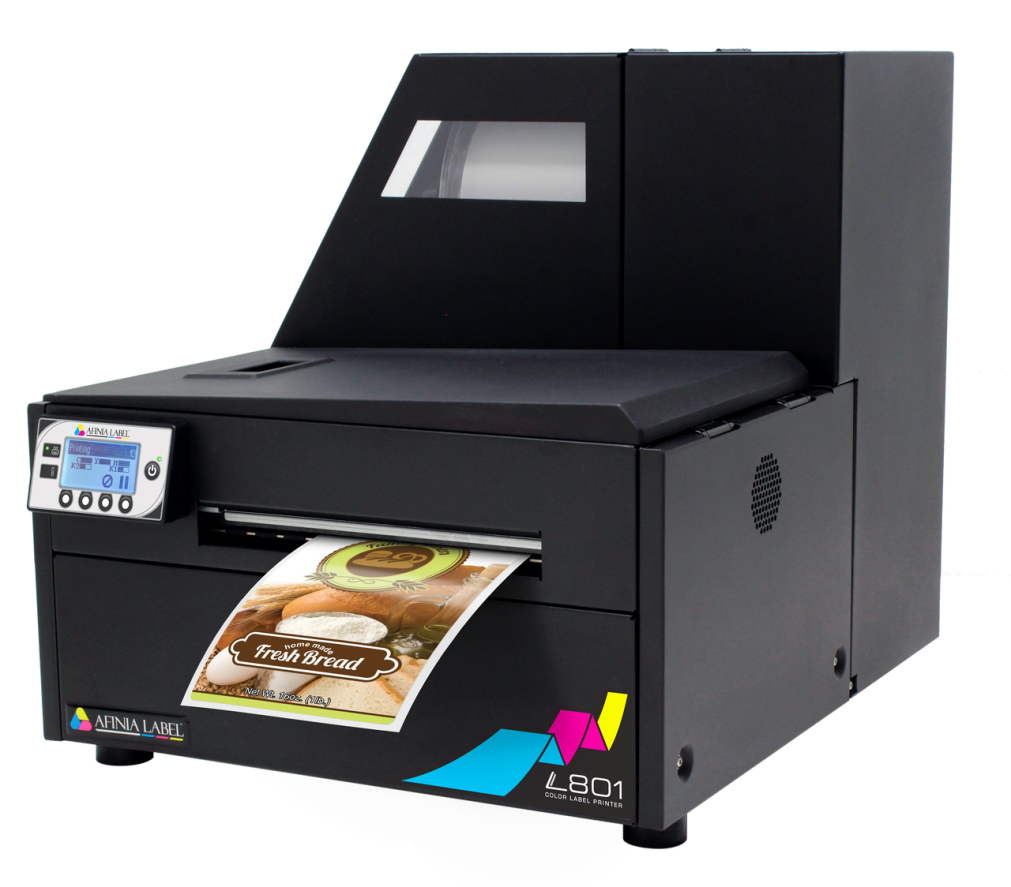
Every label represents a brand promise. The question is whether your current printing approach allows you to keep that promise effectively. With the speed, precision, and adaptability of digital label printing, companies can respond to market changes in real time, reduce waste, and produce professional-grade packaging that meets modern expectations.
At DuraFast Label Company, we help businesses across Canada make this transformation possible. Our extensive range of colour label printers, wash-care label systems, vinyl and pigment inkjet label printers, and RFID-compatible solutions ensures there’s an option suited to every need and scale. We also stock the toners, ink cartridges, and label media required to maintain consistent, high-quality results.
Whether you’re looking to buy thermal label printers online for your production line or simply need reliable consumables for existing Epson systems, we provide expert support, fast shipping, and comprehensive product guidance. Our goal is to make professional digital printing accessible, efficient, and sustainable for every packaging operation.