Features Every Business Should Look for in an Affordable Barcode Scanner
22nd Dec 2025
In the fast-paced world of retail, logistics, manufacturing, and inventory management, barcode scanners have become the backbone of operational efficiency. Whether it’s tracking stock, processing sales, or ensuring accurate product data, the right barcode scanner can save countless hours and reduce costly errors. Yet, with so many models on the market, finding one that’s both cost-effective and dependable can feel overwhelming.
This comprehensive guide explores features every business should prioritize when choosing an affordable barcode scanner. It’s not just about picking the cheapest model—it’s about finding a tool that fits your workflow, integrates smoothly with your label printers, and supports your business’s growth. From scanning technology to connectivity, we’ll cover everything you need to make an informed decision.
Understanding How Barcode Scanners Work
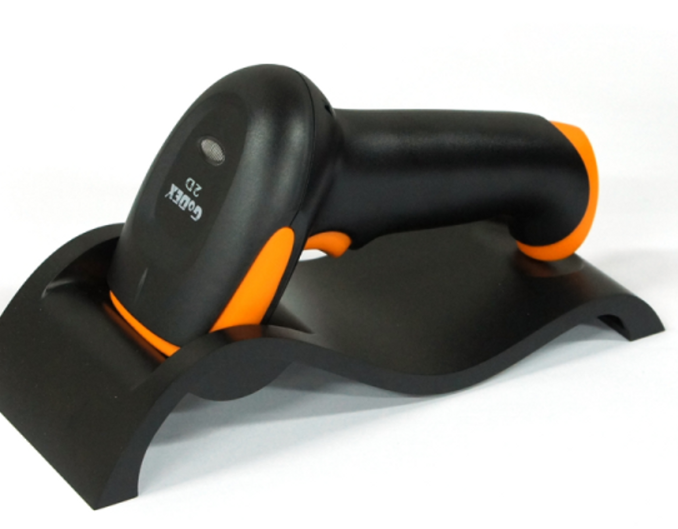
Before diving into features, it’s essential to understand the basics. Barcode scanners use a light source, sensor, and decoder to translate bar patterns into digital data. The most common types include laser, CCD (Charge Coupled Device), and imaging scanners.
Laser scanners read barcodes by reflecting light off the barcode and measuring the reflection, offering quick and reliable performance. Imaging scanners, by contrast, capture an image and use software to interpret both 1D and 2D barcodes—ideal for businesses adopting QR codes or tracking complex inventory systems.
Understanding this foundation helps determine which type aligns best with your operational demands, especially if you also use high-quality thermal label printers for product tagging and management.
Prioritize Scanning Speed and Accuracy
Speed and accuracy are the lifeblood of efficiency. A scanner that struggles to read slightly damaged or poorly printed barcodes can quickly slow down workflow. When choosing among affordable barcode scanners online, check for models with fast decoding capabilities and tolerance for low-contrast or faded codes.
If your business prints its own product labels using premium top-coated direct thermal labels, accuracy becomes even more vital. High-quality labels help improve readability, but a scanner’s decoding engine determines how well it performs in challenging conditions.
Look for devices that offer real-time scanning feedback (like beeps or light indicators) to confirm successful reads—small features that dramatically improve productivity.
Compatibility with Labeling and Printing Systems
Barcode scanners rarely work in isolation—they are part of a larger data ecosystem. Whether you’re printing retail tags, shipping labels, or POS receipts, compatibility with your existing hardware and software is key.
If you’re already using colour label printers, ensure your scanner integrates seamlessly with them. Businesses using POS receipt printers for sale will benefit from scanners that plug directly into their sales systems without complicated setup.
Furthermore, companies designing their own product labels using the best label design software for printers should ensure their scanners support the same code formats and data configurations. Compatibility reduces downtime and ensures smooth data flow between devices.
Wired vs. Wireless: Finding the Right Fit
One of the key decisions businesses face when upgrading their scanning systems is choosing between wired and wireless barcode scanners. Each type serves a distinct purpose and offers specific operational advantages.
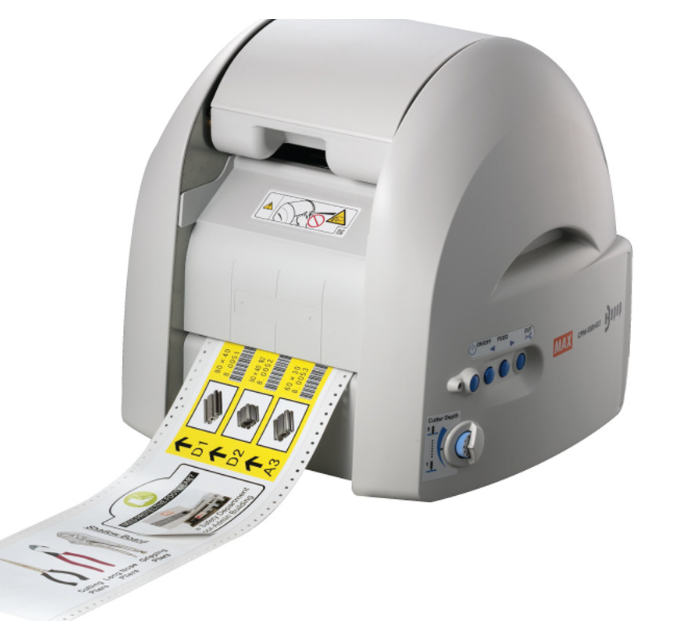
Wired Scanners: Best suited for fixed workstations such as checkout counters, assembly lines, or production areas. They’re dependable, require no battery recharging, and are typically more cost-effective—making them ideal for consistent, high-volume scanning tasks.
Wireless Scanners: Designed for mobility and efficiency in environments like warehouses, logistics hubs, and large retail stores. These scanners often use Bluetooth or Wi-Fi connectivity to transmit data instantly, allowing workers to move freely without being tethered to a desk or system.
When exploring affordable barcode scanners online, it’s important to match your selection with your workflow and space. For teams that frequently move between aisles, storage shelves, or packing stations, wireless scanners enhance flexibility and reduce downtime. However, wired models may remain the better choice for fixed, high-speed operations where constant power and stability are essential.
Durability and Build Quality
Barcode scanners endure daily handling, occasional drops, and exposure to dust or moisture—especially in industrial or warehouse settings. Durability shouldn’t be sacrificed for affordability.
Look for scanners with IP-rated protection, ensuring resistance to dust and water ingress. Drop-tested models that can withstand at least a 1.5-metre fall offer added peace of mind.
If you also manage your own label production—perhaps using affordable blank inkjet labels and having a reliable scanner ensures your investment in label printing doesn’t go to waste due to unreadable barcodes. Pairing a durable scanner with high-quality colour label printers helps maintain long-term operational consistency.
Scanning Range and Environment
Scanning range plays a critical role, depending on how and where the scanner will be used. Short-range scanners are great for retail counters, while long-range industrial scanners can capture barcodes from several metres away.
Warehouses using label counter machines for sale systems often pair them with long-range scanners to track inventory across large areas. On the other hand, mobile setups that rely on the best portable label makers for home use for quick relabeling benefit from compact, close-range scanners.
Environmental factors also matter—lighting, reflective surfaces, and even temperature can affect performance. Some scanners include auto-sensing technology, which detects barcodes even under poor lighting conditions. This feature proves invaluable for night shifts or warehouse operations with inconsistent illumination.
Supported Barcode Types and Future-Proofing
A scanner’s ability to read multiple barcode types determines how future-proof it is. Traditional 1D barcodes like UPC and EAN are still common, but many industries now use 2D codes such as QR or Data Matrix.
If you’re purchasing custom thermal transfer labels, it’s worth selecting a scanner that can handle both 1D and 2D formats. This flexibility allows businesses to adapt to new systems without upgrading hardware prematurely.
Scanners supporting advanced symbolization also integrate better with software-driven label creation using barcode printing software online, ensuring compatibility as your digital operations evolve.
Ergonomics and Ease of Use
An ergonomic scanner isn’t just a comfort feature—it’s a productivity booster. Employees using scanners for extended periods will appreciate lightweight designs, well-placed triggers, and intuitive operation.
Many modern models offer hands-free scanning options using stands or mounts, reducing fatigue during repetitive tasks. This is particularly beneficial in high-volume retail or warehouse environments where scanning thousands of items daily is standard practice.
For businesses managing inventory with direct thermal labels, ergonomic design helps staff move quickly between labeling, scanning, and processing.
Connectivity and Integration Capabilities
Modern businesses rely on interconnected systems—from POS software and ERP platforms to e-commerce integrations. Your barcode scanner must easily communicate with these systems, whether via USB, Bluetooth, or Wi-Fi.
Many scanners now support plug-and-play installation, eliminating the need for drivers or manual setup. This is particularly useful for teams also handling Datamax ribbons—tools that demand efficient workflow synchronization.
Integration also extends to printers and labeling solutions. Companies leveraging Toshiba TEC thermal ribbons, or Zebra ribbons for high-quality label output, will benefit from scanners that easily sync with barcode generation software. The smoother the communication between your devices, the more efficient your operations.
Battery Life and Power Management (For Wireless Models)
Wireless barcode scanners depend on robust battery performance. A short battery life can interrupt productivity and frustrate employees. Look for models with long-lasting lithium-ion batteries capable of supporting full-day operations on a single charge.
Smart charging options—such as s modes and fast charging docks—help minimize downtime. Businesses that already maintain multiple devices, including purchasing colour label printers online, understand the importance of streamlined power management.
Consistency across your devices ensures an uninterrupted workflow, especially when managing high inventory volumes or frequent product relabelling.
Cost vs. Total Value
Affordability is about more than price—it’s about long-term value. A slightly higher upfront investment can yield better reliability, lower maintenance costs, and greater productivity over time.
When exploring affordable barcode scanners online, compare not just price tags but also warranties, support availability, and upgrade options. Some vendors offer value-added packages that include accessories, software compatibility, or replacement guarantees.
If your business already purchases toners for label printers, you know that recurring supply costs can add up. A similar principle applies to barcode scanners—consider ongoing operational expenses, not just the initial purchase.
Evaluating After-Sales Support and Warranty
Technical support can be the deciding factor between a smooth rollout and ongoing frustration. Reliable after-sales service ensures your barcode scanners remain functional and updated.
Look for suppliers who provide clear documentation, easy firmware updates, and responsive customer service. Some even offer trade-in programs or volume discounts—ideal if your company regularly purchases laser sheet labels, warranty coverage also matters. Devices with at least a one-year manufacturer's warranty reduce long-term risks and enhance peace of mind. Partnering with an experienced provider familiar with labeling systems, ribbons, and printers ensures comprehensive support across your entire workflow.
Integration with Labeling Workflows
Barcode scanners reach their full potential when integrated into well-structured labeling workflows. For example, if your business uses direct thermal labels for short-term applications like shipping or inventory tagging, your scanner should be capable of reading these labels accurately, regardless of surface texture or lighting conditions. Similarly, industries relying on thermal transfer labels for long-term durability benefit from scanners optimized for high-contrast printing and consistent performance in demanding environments.
To achieve flawless operation, it’s essential to pair scanners with high-quality printing solutions such as thermal barcode printers that deliver sharp, smudge-resistant results. Integrating these technologies enhances traceability, reduces manual errors, and streamlines data capture across the entire supply chain—from label design and printing to scanning, storage, and reporting. Ultimately, a well-integrated labeling workflow ensures consistency, operational efficiency, and reliable data accuracy that supports smoother business processes and long-term growth.
Software Compatibility and Automation Opportunities
Barcode scanners now function as intelligent data tools. Many support automation workflows that connect to inventory management software, accounting systems, and analytics platforms.
If your business designs its own barcodes using the best label design software for printers, ensure the scanner you select supports automated synchronization. This reduces manual data entry and ensures consistency between your physical inventory and digital records.
Additionally, pairing your scanners with barcode printing software creates a complete ecosystem for barcode creation, printing, and scanning—maximizing efficiency from start to finish.
Balancing Innovation with Affordability
Technology continues to advance rapidly, and barcode scanners have evolved to include sophisticated features such as image capture, batch scanning, and seamless cloud connectivity. While these innovations can enhance productivity, businesses must strike the right balance between cutting-edge technology and cost-efficiency. Investing in high-end models with features you rarely use can strain your budget without adding real value.
Instead, focus on essential qualities like fast and accurate decoding, long-lasting durability, and easy system integration. Pairing these with dependable consumables—such as when you order Datamax ribbons online—ensures consistent, high-quality label printing that complements your scanning setup. This balanced approach creates a streamlined, affordable labeling ecosystem that boosts productivity without unnecessary expenses. The key is not just adopting the newest technology but selecting tools that strengthen everyday operations, improve accuracy, and deliver long-term value for your business.
How Barcode Scanners Complement Label Printing Systems
An often-overlooked advantage in modern operations is how barcode scanners enhance the performance and reliability of your label printing system. Whether your business relies on colour label printers or durable thermal label printers, pairing them with high-quality scanners ensures that every printed barcode is readable, traceable, and aligned with your database.
For organizations producing custom or variable data labels, scanners play a key role in quality assurance. By verifying barcode clarity and data accuracy during inspection, they help prevent costly mislabeling errors and improve overall production efficiency. Integrated properly, scanners and printers create a seamless ecosystem where label creation, verification, and tracking work together—ensuring consistent results, reduced waste, and enhanced workflow precision.
Building a Scalable Label and Scanning Infrastructure
Scalability ensures your technology grows with your business. Whether you start with a single workstation or manage a nationwide warehouse network, choose scanners and printers that can expand easily.
For instance, scalable infrastructure may include high-quality colour label printers for product differentiation, combined with reliable scanners that support multiple formats. Over time, this ecosystem can integrate with enterprise-level systems and advanced automation workflows.
Pairing your scanners with dependable consumables—like Toshiba TEC thermal ribbons further supports operational continuity as your business scales.
Sustainability and Long-Term Efficiency
Eco-conscious businesses are increasingly focused on adopting devices that reduce waste and promote energy efficiency. Today’s barcode scanners are designed with sustainability in mind, often featuring low-power consumption modes, recyclable materials, and enhanced durability to extend their lifespan. These features not only lower environmental impact but also reduce operational costs over time.
When sourcing complementary supplies such as laser sheet labels, opting for eco-friendly, recyclable materials aligns your business with broader sustainability objectives. Durable scanners and sustainable labeling products minimize electronic and material waste while ensuring reliable performance. By prioritizing energy-efficient technologies and long-lasting equipment, businesses can maintain environmental responsibility, reduce replacement costs, and build a greener, more efficient workflow that benefits both the planet and profitability in the long run.
Final Considerations before Purchase
Before committing to a specific model, evaluate total ownership costs, including software licenses, cables, mounts, and maintenance. Request demos where possible and test the scanner with your existing labels—especially if you use specialized media like custom thermal transfer labels.
Assess how well the scanner integrates with your printers, such as buying POS receipt printers online, and ensure full compatibility with your barcode formats. An informed purchase not only saves money but also enhances workflow reliability, positioning your business for future growth.
The Role of Barcode Scanners in Reducing Human Error
Human error is one of the most common causes of inventory discrepancies, misplaced shipments, and inaccurate data entry. Barcode scanners eliminate much of this risk by automating identification and recording processes. By simply scanning labels, employees can instantly capture product data without typing, reducing the chance of costly mistakes.
When combined with high-quality colour label printers, scanners ensure that every label produced is readable and traceable throughout your workflow. This level of automation not only enhances productivity but also improves accountability, giving businesses real-time visibility into their operations. Over time, the reduction in manual corrections translates directly into financial savings and smoother day-to-day performance.
Future Trends: Smart Scanning and Cloud Integration
Barcode technology continues to evolve, with smart scanning and cloud-based integration leading the next wave of innovation. Today’s advanced models can connect to online databases, instantly syncing inventory information across multiple locations. These smart scanners pair effortlessly with barcode scanners online, enabling businesses to create dynamic labeling systems that adapt to changing product data in real time.
For forward-thinking companies already investing in the best label design software for printers, adopting scanners with cloud connectivity opens new possibilities—like remote updates, centralized reporting, and predictive analytics. By staying ahead of these trends, businesses ensure that their labeling and tracking systems remain competitive, efficient, and ready for future demands.
Training and Implementation: Ensuring a Smooth Transition
Even the best barcode scanner is only as effective as the people using it. Proper training ensures your team can take full advantage of the scanner’s capabilities—Implementing step-by-step onboarding, clear usage protocols, and regular refresher sessions helps employees feel confident in using new scanning technology efficiently.
Businesses that also manage in-house label creation—using tools like barcode printing software online should train staff to align printing and scanning workflows seamlessly. This minimizes errors, improves speed, and ensures consistent data accuracy across departments, ultimately enhancing productivity and return on investment.

Evaluating Total System Integration and Workflow Efficiency
When adding barcode scanners to your business operations, it’s crucial to consider how they fit within your entire workflow—not just as standalone tools. A well-integrated system connects scanners with printers, labeling software, and point-of-sale devices to create a unified data flow. Companies that utilize laser sheet labels can benefit significantly from this synchronization, as it minimizes manual input and reduces duplication errors. Evaluating total system integration helps businesses not only achieve faster operations but also maintain consistency and reliability across all stages—from labeling to scanning and final reporting.
Empower Your Business with DuraFast Label Company’s Complete Labeling and Scanning Solutions
At DuraFast Label Company, we understand that every business—whether a small retailer or a large-scale manufacturer—relies on technology that’s fast, accurate, and affordable. Selecting the right barcode scanner or printer shouldn’t be a guessing game. That’s why we offer an extensive range of affordable barcode scanners online, complemented by a full suite of printing and labeling solutions.
From high-quality thermal label printers to colour label printers online, our catalog is built to match every business’s needs. We also stock essential printing supplies such as ink cartridges for printers, and toners for label printers, plus professional-grade ribbons like Datamax ribbons, and Zebra ribbons.
Whether you’re upgrading your workflow with POS receipt printers or exploring thermal barcode printers online, we’ve got everything you need to streamline operations. Our team combines technical expertise with hands-on industry experience to help you make the right choice.
To learn more about our full product range and the story behind DuraFast Label Company, visit our page to see how we support businesses across Canada and the U.S. with reliable, high-performance solutions. To discuss your specific needs and explore how we can help, reach out to our team today—we’re ready to assist you in finding the perfect barcode scanning and printing solution for your business.