
Choosing the Right Label Applicator for High-Volume Production
12th Jan 2026
In fast-paced manufacturing environments, efficiency and consistency are vital. Every second counts when products move from assembly to packaging, and labelling is no exception. Manual application might work for small batches, but as production scales, even the most skilled hands cannot match the precision and speed of automated systems. That’s where label applicators come in—offering unmatched accuracy, speed, and consistency in high-volume production.
Automated labelling systems have become an integral part of packaging operations in industries such as food and beverage, pharmaceuticals, cosmetics, and logistics. They not only reduce human error but also streamline workflow, ensuring that every product leaves the line perfectly labelled. From high-quality thermal label printers to automated dispensing mechanisms, the integration of advanced technology has revolutionized how companies manage their labelling processes.
Understanding How Label Applicators Work
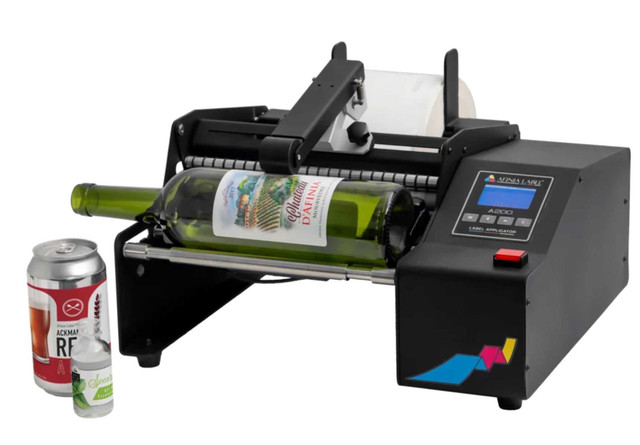
Label applicators are machines designed to automatically apply labels to various surfaces—whether flat, curved, or irregular. Depending on the setup, these devices can apply pressure-sensitive labels from rolls or sheets directly onto containers, boxes, or bottles.
Most applicators operate using a few key components:
- Label feed system: Ensures consistent movement of labels from the roll to the applicator head.
- Sensor system: Detects product position and triggers precise label placement.
- Applicator head: Applies labels using air blow, tamp, or wipe-on methods for exact positioning.
High-end models can connect with barcode scanners, print engines, or NiceLabel software for real-time data updates and traceability. This combination ensures that every label applied is not only aligned but also accurate in content and readable across the supply chain. These systems often support wireless connectivity and remote operation, enabling centralized control from any workstation. Advanced automation features also allow synchronization with ERP and inventory systems, ensuring that labelling remains consistent even during high-speed production.
Benefits of Automating the Labelling Process
Automation isn’t just about convenience—it’s about control, reliability, and long-term cost efficiency. For high-volume production, automation provides several measurable benefits:
1. Consistent Label Placement
Uniformity is key in product presentation. Automated systems apply each label at precisely the same spot, ensuring consistency across hundreds or thousands of items. This precision enhances brand professionalism and minimizes customer complaints related to crooked or misplaced labels.
2. Increased Production Speed
Automated label applicators can process hundreds of labels per minute, reducing bottlenecks on the production line. Faster labelling leads to higher output without sacrificing quality. This is particularly beneficial for large-scale operations that require continuous packaging throughout the day.
3. Reduced Labour Costs
Once installed, a single operator can manage multiple machines, freeing up staff for other essential tasks. Although the upfront investment may seem substantial, the long-term reduction in labour costs quickly offsets the expense.
4. Enhanced Accuracy and Fewer Errors
In manual labelling, even a small misalignment or wrong label can lead to compliance issues or wasted materials. Automated systems eliminate most human errors by relying on sensors and programmed parameters. Integration with BarTender label software or similar platforms ensures correct label content for every SKU.
5. Scalability for Growing Operations
As production increases, businesses can easily scale operations by upgrading existing systems or adding additional units. Most industrial-grade applicators are modular and adaptable, supporting long-term growth and flexibility.
Types of Label Applicators
Understanding the main categories of applicators helps in choosing the right model for each production need. Each type is suited to specific labelling applications and product designs.
1. Semi-Automatic Label Applicators
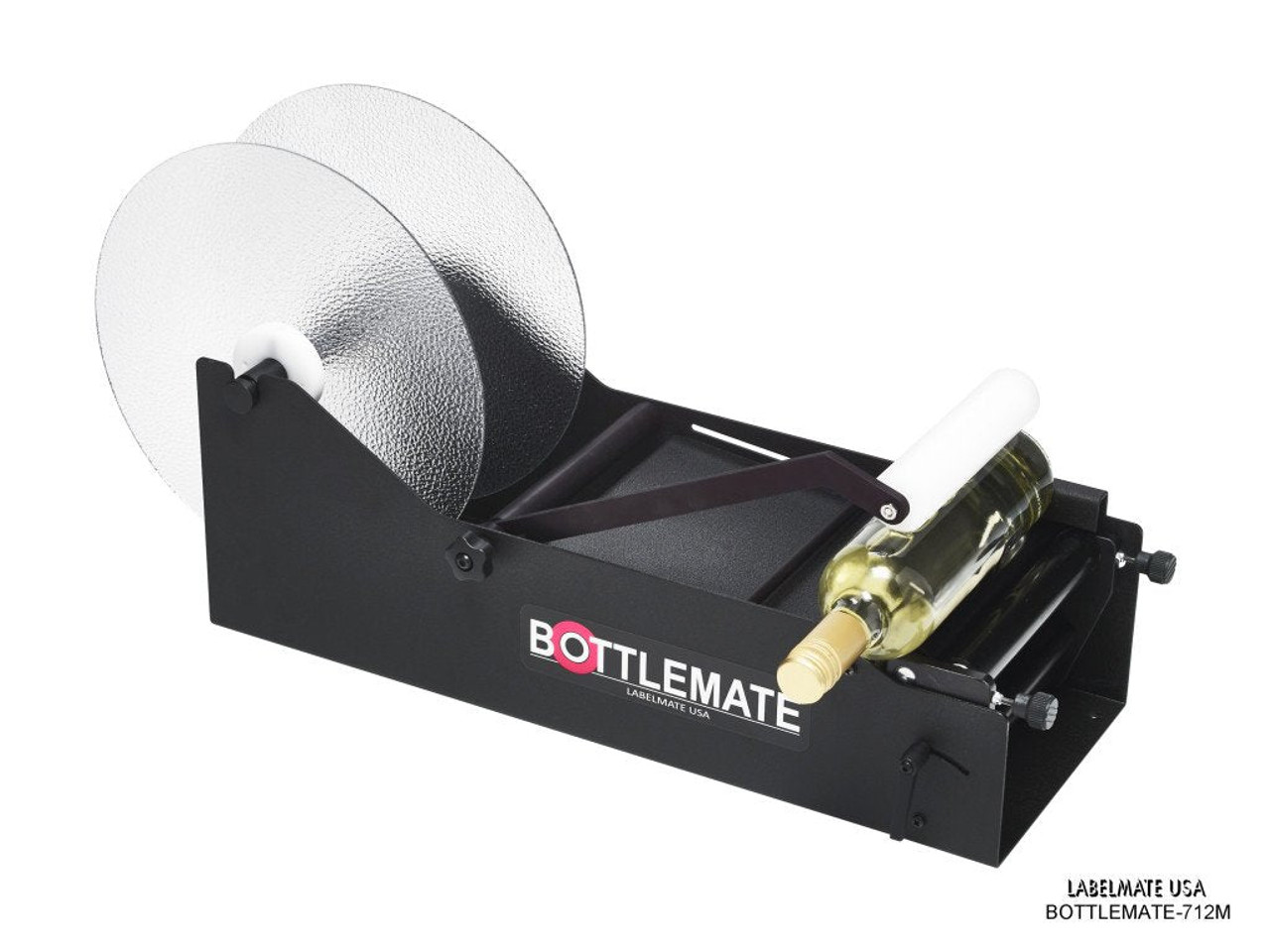
Ideal for small to medium-sized businesses, semi-automatic applicators combine manual product placement with automated labelling. Operators load the product, and the machine applies the label with speed and precision. It’s an affordable solution for growing brands transitioning from hand labelling.
2. Fully Automatic Label Applicators
These machines are integrated into conveyor systems and work seamlessly within production lines. They can label products at high speed without manual intervention. Fully automated systems are ideal for large operations requiring consistent, continuous output.
3. Wrap-Around Label Applicators
Commonly used for cylindrical products such as bottles or jars, these applicators wrap labels around the full circumference. This type is particularly popular in the beverage and cosmetics industries, where label alignment and coverage are critical for presentation.
4. Front-and-Back Label Applicators
Designed for rectangular containers, these machines apply two labels simultaneously—one on the front and another on the back. This ensures faster processing and perfect synchronization, especially in high-throughput environments.
5. Top, Bottom, and Side Label Applicators
For products requiring multi-surface labelling, these systems apply labels on one or more sides in a single pass. They are ideal for food packaging and logistics applications where barcodes or ingredient information must appear on multiple sides.
Factors to Consider Before Choosing a Label Applicator
Selecting the right equipment requires understanding production requirements, product characteristics, and future scalability. Below are the main considerations before making an investment:
1. Label Type and Material
Not all applicators handle every label material equally. Some machines are optimized for paper, while others excel with synthetic options like vinyl or polyester. If a company uses custom thermal transfer labels or weatherproof labels, ensuring compatibility with the chosen applicator is essential for achieving smooth performance.
2. Product Shape and Surface Texture
Flat boxes, round bottles, or uneven surfaces each require a specific applicator design. For example, flexible containers may need air-blow applicators to avoid distortion, whereas rigid boxes work well with wipe-on systems.
3. Speed and Throughput Requirements
Determine the number of products labelled per hour. Machines designed for high-volume operations can handle continuous runs without overheating or slowing down.
4. Integration with Existing Equipment
An effective applicator should connect easily with other devices, like high-quality thermal label printers or barcode systems. Integration reduces workflow interruptions and keeps data consistent across departments.
5. Maintenance and Support
Reliable equipment comes with accessible service, available parts, and straightforward maintenance routines. Choosing models that are easy to clean and calibrate minimizes downtime and extends service life.
Enhancing Production Efficiency with Smart Labelling Systems
Modern manufacturing benefits from automation enhanced by smart technologies. Label applicators can now integrate with databases, sensors, and software for precision tracking and analytics.
Advanced models equipped with thermal barcode printers can print variable data on the spot—like batch numbers or expiration dates—before immediate application. This feature reduces the need for preprinted labels and allows for faster adaptability during production changes.
Meanwhile, connectivity features like Ethernet and Wi-Fi allow operators to monitor performance remotely and receive alerts for low label stock or misfeeds. Combining automation with real-time insights helps manufacturers maintain consistency, reduce waste, and achieve higher efficiency.
The Long-Term Value of Investing in Label Applicators
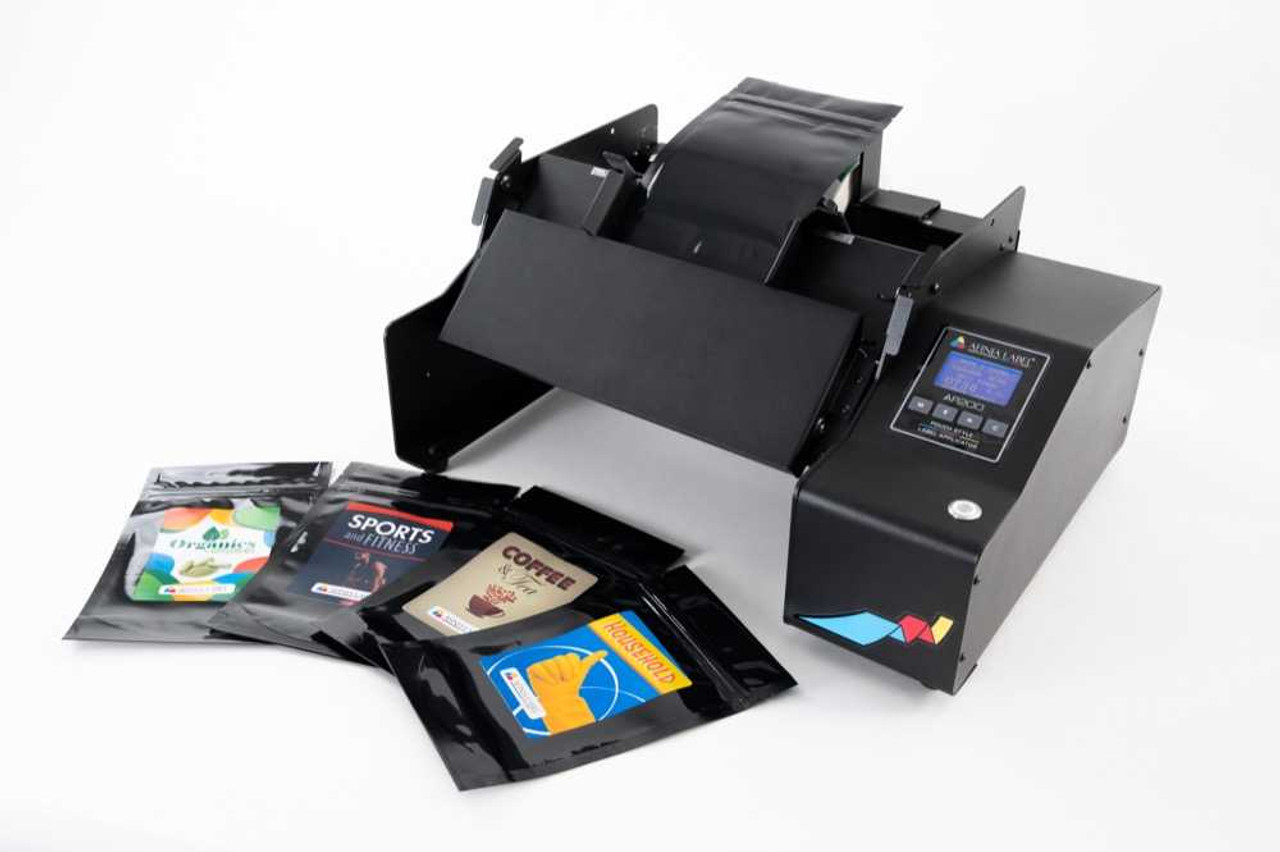
Investing in an automated system may seem like a large upfront cost, but the return on investment becomes clear with time. The ability to produce consistent, professional labels without delay improves both productivity and brand image.
Automated labelling also enhances traceability—vital for compliance in industries like pharmaceuticals and food manufacturing. Integration with barcode printing software ensures that every label includes accurate data that meets regulatory standards.
Moreover, precision application reduces waste, since fewer labels are discarded due to misplacement or poor adhesion. This not only saves material costs but also supports sustainability efforts by minimizing unnecessary consumption. Over time, reduced errors, faster labelling speeds, and optimized labour allocation contribute to smoother production cycles, ensuring reliable performance and consistent output even during peak manufacturing periods.
Bringing Efficiency and Accuracy Together
Selecting the right label applicators can transform a production line, boosting efficiency while maintaining consistency and brand quality. When paired with systems like thermal label printers or custom thermal transfer labels, these machines streamline operations and enhance product presentation across industries.
For businesses in Canada ready to modernize their production setup with reliable labelling technology, DuraFast Label Company offers a range of professional solutions built to handle high-volume demands with precision. From compact semi-automatic units to full-scale industrial applicators, our catalogue supports every stage of growth.
Boost productivity and precision with trusted labelling solutions designed for seamless integration and long-term performance. Contact us today to find the right system and experience the benefits of automated labelling done right.