Choosing Between Wax, Resin, and Wax/Resin Ribbons for Printing
2nd Dec 2025
Behind every crisp barcode and durable product label lies a critical but often overlooked component — the thermal transfer ribbon. It’s what determines how sharp, durable, and professional your printed labels appear. Whether you’re labeling shipping boxes, medical samples, or industrial equipment, choosing the right ribbon is essential to ensure longevity and readability.
At DuraFast Label Company, we help businesses of all sizes make sense of this essential choice. Many users think “a ribbon is just a ribbon,” but in reality, each type — wax, resin, or wax/resin — is engineered for different conditions and label materials. Picking the right one means saving costs, preventing smudging, and extending the life of your printer.
This guide explains the key differences between each ribbon type, how they work, and how to match them to your application for flawless results.
Understanding Thermal Transfer Printing
Before exploring ribbon types, it’s important to understand the thermal transfer process itself. In this technology, heat from the printer’s printhead melts ink from the ribbon onto the label surface, creating a permanent image. The ribbon acts as the medium between the heat and the label, ensuring consistent print quality.
Unlike direct thermal printing — which prints without a ribbon but fades over time — thermal transfer printing provides long-lasting results suitable for harsh environments.
The ribbon, label material, and printer type must work together. A mismatch can cause poor adhesion, blurry images, or printhead damage. That’s why understanding ribbon composition is vital before you hit “print.”
Types of Thermal Transfer Ribbons
1. Wax Ribbons
Wax ribbons are the most common and cost-effective option in thermal transfer printing. They use a wax-based ink that melts easily at lower printhead temperatures, producing smooth, clear text and barcodes.
Best For
- Coated and uncoated paper labels
- General-purpose barcoding
- Retail, logistics, and shipping labels
Advantages
- Affordable and widely available
- Prints well at high speeds
- Produces crisp images on paper-based labels
- Requires less heat, extending printhead life
Limitations
- Smudge-prone in high-friction or heat
- Not resistant to water or chemicals
- Unsuitable for synthetic labels like polypropylene or polyester
For example, the Zebra 7x147ft MP Wax Ribbon Roll provides reliable results for everyday office and warehouse applications — ideal when you need clear prints without overengineering the solution.
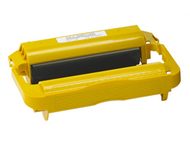
Similarly, Zebra’s 02000CT11007 Wax Ribbon Cartridge is designed for desktop printers like the ZD420, ensuring consistent results with minimal setup.
2. Resin Ribbons
Resin ribbons are the top-tier option, offering exceptional durability. The ink in resin ribbons is formulated with synthetic compounds that fuse directly into the label surface under heat, creating an extremely resilient image.
Best For
- Synthetic labels (polyester, vinyl, polypropylene)
- Outdoor or industrial environments
- Chemical, pharmaceutical, and laboratory labels
Advantages
- Resistant to water, chemicals, solvents, and extreme temperatures
- Does not smudge, scratch, or fade easily
- Ideal for compliance and long-term asset labeling
Limitations
- Higher cost
- Requires higher print temperatures
- Works best on smooth, synthetic materials
If you’re printing durable asset labels or compliance tags, resin ribbons are non-negotiable. They pair perfectly with weatherproof labels and vinyl materials, maintaining integrity under demanding conditions.
For instance, industries dealing with outdoor equipment, laboratory vials, or automotive parts rely heavily on resin ribbons for enduring readability.
3. Wax/Resin Ribbons
Wax/resin ribbons strike the perfect middle ground between cost and durability. They contain a balanced blend of wax and resin ink, offering improved scratch and smudge resistance compared to wax ribbons while remaining more affordable than full resin ribbons.
Best For
- Coated paper and synthetic labels
- Product labeling and inventory management
- Applications exposed to moderate handling or moisture
Advantages
- Versatile performance on a variety of substrates
- Good resistance to smudging and mild chemicals
- Sharper print clarity than standard wax ribbons
Limitations
- Not as durable as full resin in harsh environments
- Slightly higher cost than wax
In short, if your labels need to look professional and endure moderate conditions, wax/resin ribbons are your best bet. They’re the “all-rounders” of the printing world — durable enough for logistics yet economical for retail.
How to Choose the Right Ribbon for Your Labels
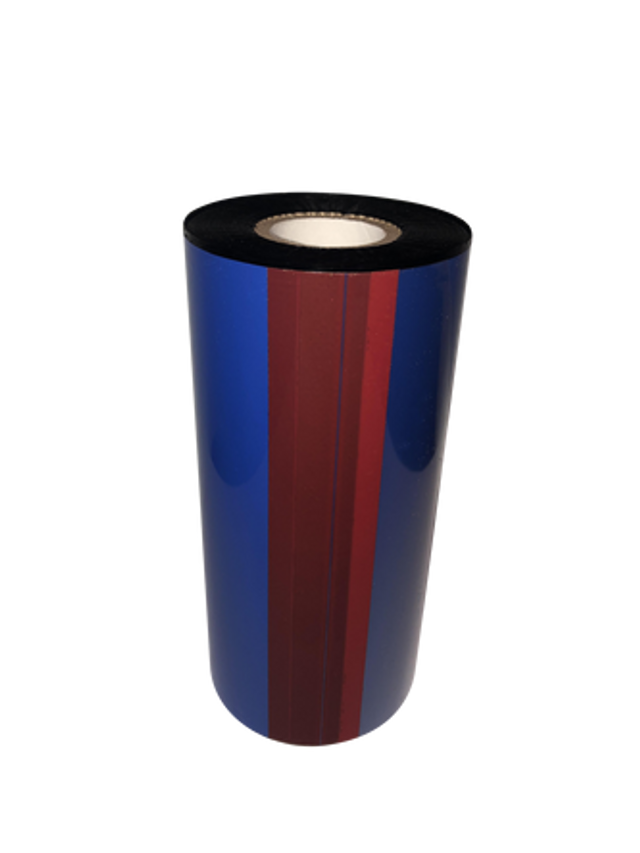
Step 1: Identify Your Label Material
Your ribbon must match your label’s surface composition:
- Paper Labels → Wax or Wax/Resin
- Polypropylene or Polyester Labels → Resin or Wax/Resin
- Vinyl or Specialty Films → Resin
Matching the ribbon type ensures the ink bonds properly and avoids flaking or smudging.
Step 2: Consider Environmental Conditions
Ask where your label will live:
- Indoor/short-term use → Wax
- Moderate exposure to moisture or abrasion → Wax/Resin
- Outdoor or industrial conditions → Resin
Step 3: Define Application Needs
Think about how long the label must last:
- Short-term (e.g., shipping): low-cost wax ribbon
- Medium-term (e.g., retail packaging): wax/resin
- Long-term or harsh exposure (e.g., asset tagging): full resin
Step 4: Check Printer Compatibility
Not every ribbon fits every printer. For example, the Printronix T800 Ribbon Spindle ensures compatibility and smooth feeding for Printronix thermal transfer printers, preventing jams and optimizing print alignment.
The Science Behind Ribbon Coatings and Print Durability
Ribbon coatings determine how ink adheres to labels and how well it resists wear.
Ink Formulation
- Wax ribbons melt easily and absorb into porous materials.
- Resin ribbons chemically bond with non-porous surfaces, offering permanent adhesion.
- Wax/resin ribbons balance these effects, giving you durable yet affordable prints.
Coating Side Orientation (CSI vs. CSO)
Printers are designed for either “Coated Side In” (CSI) or “Coated Side Out” (CSO) ribbons. Using the wrong orientation can cause print errors or even damage printheads. Always check your printer’s specifications.
Heat Settings
Each ribbon requires specific temperature settings to optimize print quality:
- Wax: 60–70°C
- Wax/Resin: 80–100°C
- Resin: 100–120°C
Setting the right printhead temperature ensures solid adhesion without ribbon residue.
Industry Applications
Retail and Logistics
Wax ribbons are widely used for shipping and inventory labels, offering affordability and speed. Perfect for barcode printing, where lifespan is measured in weeks.
Healthcare and Pharmaceuticals
Resin ribbons ensure legibility of critical data on lab samples and medication packaging — resistant to disinfectants and cold storage.
Manufacturing and Industrial Use
Wax/resin and resin ribbons produce durable tags that survive handling, heat, and chemicals, maintaining traceability in production lines.
Automotive and Aerospace
When labels must resist oils, solvents, and extreme temperatures, only resin ribbons can provide the longevity required for safety and compliance.
Cost Considerations
While resin ribbons have a higher upfront cost, the total cost of ownership can be lower over time due to fewer reprints and reduced maintenance. Wax ribbons are cheapest but may incur long-term inefficiencies if labels degrade prematurely.
Here’s a simplified cost-performance summary:
|
Ribbon Type |
Cost Level |
Durability |
Ideal Use |
|
Wax |
Low |
Basic |
Shipping / Retail |
|
Wax/Resin |
Medium |
Moderate |
Product Labels / Light Industrial |
|
Resin |
High |
Extreme |
Outdoor / Chemical / Industrial |
By understanding your environment and label requirements, you can find the perfect balance between cost and performance.
Common Mistakes When Selecting Ribbons
- Mismatching Materials— Using wax on synthetic labels causes smudging.
- Ignoring Printer Specs— Always confirm ribbon width, orientation, and core size.
- Overheating Printheads— Excessive heat reduces ribbon life and wastes material.
- Skipping Compatibility Testing— Always print a small sample batch before full production.
Avoiding these errors keeps your print quality sharp and your printers running efficiently.
Maintaining Ribbon and Printer Performance
To get consistent results:
- Clean printheads after every ribbon change.
- Store ribbons in a cool, dry environment (15–25°C).
- Keep away from sunlight and moisture.
- Use high-quality ribbons from reputable suppliers to prevent wax buildup.
Proactive maintenance ensures your investment in printing hardware continues to perform reliably.
The Smart Way to Print: DuraFast’s Expertise
At DuraFast Label Company, we specialize in helping businesses in Canada select the ideal ribbon for their applications — ensuring every barcode, tag, and label meets professional standards. From affordable wax ribbons to industrial-grade resin ribbons, we offer a comprehensive range designed for precision and durability.
Explore our bestsellers:
- Zebra 7x147ft MP Wax Ribbon Roll
- Zebra 02000CT11007 Wax Ribbon Cartridge
- Printronix T800 Ribbon Spindle
If you’re unsure which ribbon best fits your printer or label type, our team is here to guide you. Contact DuraFast Label Company for expert recommendations and ensure your prints look flawless every time.