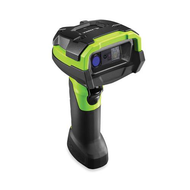
Barcode Scanners in Modern Operations: From Retail to Warehousing
21st Jan 2026
Barcode scanning is one of the quiet workhorses of modern commerce. Whether in a corner retail shop or a sprawling distribution centre, scanners keep products moving, track assets accurately, and reduce costly errors. With the rise of automation, connected systems, and digital inventory platforms, the role of affordable barcode scanners has evolved far beyond point-of-sale use.
This blog explores scanner types, decoding technologies, POS and inventory integrations, and future trends shaping automated data capture.
Understanding Barcode Scanning Technology
A barcode scanner works by emitting light that reflects off a barcode’s black and white lines. The reflected light is converted into an electrical signal, which is then decoded into meaningful data. This data typically corresponds to a product number or SKU, linking the physical world to a digital database in real time.
Barcode technology now supports a wide range of formats, from traditional 1D barcodes on retail items to complex 2D codes like QR and Data Matrix used in manufacturing and healthcare. Modern scanners can read these at lightning speed, even on damaged or curved surfaces, making them indispensable across industries.
Types of Barcode Scanners and Their Applications
Selecting the right scanner depends on where and how it will be used. Different environments call for different form factors and performance levels:
- Handheld Scanners: These are the most common and versatile. Ideal for retail counters, libraries, and light industrial use, they combine speed with simplicity.
- Hands-Free Presentation Scanners: Mounted at checkout counters or production lines, these scanners automatically detect and read barcodes as items pass by, improving speed and convenience.
- Wireless and Portable Scanners: Bluetooth-enabled or cordless scanners enhance mobility, allowing warehouse workers and field staff to capture data without being tethered to a workstation. These portable scanners are essential for inventory management, asset tracking, and logistics operations.
- Fixed-Mount Scanners: Used in conveyor and sorting systems, these scanners continuously read items moving at high speed, making them critical in manufacturing and fulfilment.
- Industrial Rugged Scanners: Designed to withstand dust, vibration, and temperature extremes, these are perfect for heavy-duty use in automotive, chemical, or outdoor environments.
Decoding Technologies: How Scanners Read Smarter
Barcode scanners use several decoding technologies, each suited to specific applications:
- Laser Scanners: Emit a thin beam of light that sweeps across the barcode. They’re ideal for longer ranges and consistent lighting conditions.
- Linear Imagers: Capture an image of a single line of the barcode, reading even damaged or low-contrast labels.
- 2D Imagers: Take a full picture of the barcode and decode it digitally, enabling reading from screens, curved surfaces, or uneven packages.
- Omnidirectional Scanners: Capture codes at any angle, speeding up retail checkout lines and fast-moving operations.
The technology behind decoding continues to advance, with modern affordable barcode scanners capable of reading torn, faded, or poorly printed barcodes that older units might miss.
Integration With POS and Inventory Systems
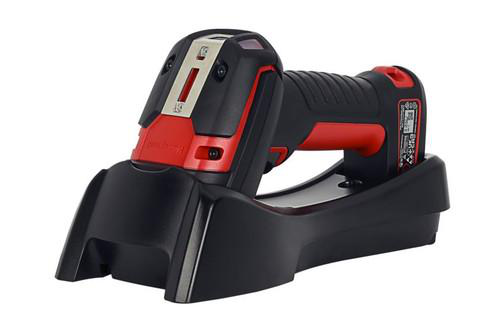
Barcode scanning is only as powerful as the system it connects to. Integrating scanners with POS, ERP, or warehouse management systems creates a seamless data flow that drives decision-making and operational efficiency.
In retail, scanners integrated with POS receipt printers for sale enable faster checkout, real-time stock updates, and detailed sales reporting. When a cashier scans an item, the POS system automatically adjusts inventory, updates the customer’s total, and prints an accurate receipt; all within seconds.
In warehousing, integration means that every scan updates the digital inventory count immediately. Managers can track stock levels, reorder thresholds, and order fulfilment metrics without manual data entry. For field operations, portable scanners sync with cloud-based systems, enabling real-time asset tracking and proof-of-delivery confirmation even outside the warehouse.
Why Accuracy Matters More Than Speed
Speed is impressive, but accuracy drives profitability. A mistyped SKU or a missed scan can cause misplaced stock, inventory shrinkage, or delayed shipments. A single scanning error can ripple across logistics and accounting systems, costing both time and money.
High-resolution imagers designed for precision scanning reduce these risks. For healthcare and laboratory settings, accuracy is even more critical, as barcode data often ties to patient records, medication doses, or diagnostic samples.
Benefits of In-House Data Capture
Implementing in-house scanning solutions allows Canadian businesses to:
- Eliminate manual data entry errors and save hours of administrative time.
- Improve visibility into inventory and asset movement across departments.
- Reduce operational costs by streamlining picking, packing, and checkout processes.
- Enhance traceability for regulated industries such as food, pharmaceuticals, and chemicals.
- Empower staff mobility through lightweight portable scannersand wireless solutions.
The shift from paper-based tracking to automated data capture has turned scanning into a vital business process; not just a convenience.
Barcode Scanning Across Key Industries
Barcode technology has evolved from grocery checkout counters to nearly every corner of the economy:
- Retail: Scanners accelerate checkout, prevent pricing errors, and link product movement directly to inventory systems. Integration with POS receipt printers for sale keeps receipts accurate and traceable.
- Warehousing and Logistics: In these fast-paced environments, scanners streamline order picking, packing, and shipping. Every scan helps locate stock, track movements, and prevent misplaced items.
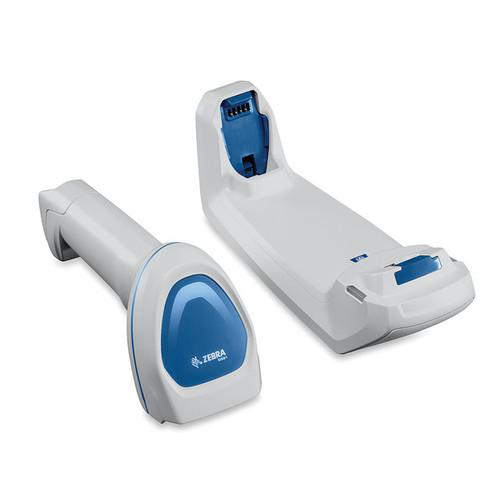
- Healthcare: Barcode scanning supports patient safety by verifying medication administration and specimen identification. Healthcare-grade scanners are disinfectant-ready and designed for sterile environments.
- Manufacturing: Rugged scanners withstand vibration, dust, and grease, making them ideal for tracking components, work orders, and finished goods across production lines.
- Education and Libraries: Scanners simplify asset management and lending systems, improving record accuracy and service quality.
- Hospitality and Event Management: Portable scanners enable fast ticket validation and guest check-in, improving customer experience.
Connectivity Options: Making Integration Simple
Scanners now support multiple connection types to fit different infrastructures:
- USB: Plug-and-play convenience for desktops and POS terminals.
- Bluetooth: Wireless flexibility for handheld devices and tablets.
- Wi-Fi: Ideal for continuous scanning in large warehouses or retail floors.
- Serial and Ethernet: Reliable, industrial-grade connections for fixed-mount scanners in automation systems.
With plug-and-play drivers and cloud-based configuration tools, integrating affordable barcode scanners into existing setups has become faster than ever.
How to Choose the Right Barcode Scanner
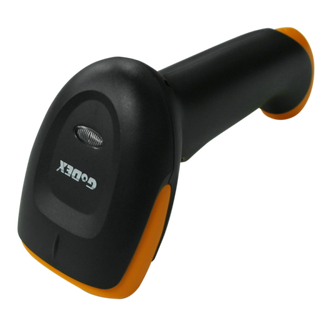
When selecting a barcode scanner, consider the following:
- Work Environment: Will it be used in a retail store, a clean office, or a rugged warehouse?
- Scan Distance: Long-range scanners read barcodes from several metres away, ideal for pallets and shelves.
- Barcode Type: 1D barcodes require simpler scanners, while 2D codes need imagers.
- Connectivity: Choose between corded, wireless, or Bluetooth models depending on mobility requirements.
- Durability: Look for drop ratings and ingress protection (IP) for dusty or wet environments.
- Integration: Ensure compatibility with your POS, WMS, or ERP system before purchase.
Investing in affordable barcode scanners that align with your workflow will pay for itself through efficiency and error reduction. For multi-location retailers or expanding distributors, it’s best to buy barcode scanners online from a trusted supplier offering Canadian support and inventory availability.
Get Reliable Scanning with DuraFast Label Company Ltd.
The backbone of modern data capture, barcode scanners connect people, products, and systems across industries. DuraFast Label Company Ltd. empowers Canadian businesses to buy barcode scanners online, including Zebra scanners and Honeywell scanners with expert advice and fast local delivery. Our comprehensive product line includes blank inkjet labels, color label printers, and POS receipt printers for sale, plus high-quality supplies like ink cartridges for printers.
Whether you’re upgrading your retail counters, warehouse operations, or production facilities, DuraFast provides reliable solutions that combine accuracy, speed, and value. Partner with DuraFast for all your printing and scanning needs.
Contact us today to buy barcode scanners online and build a complete, integrated setup with printers, labels, supplies, and expert support for your operations.