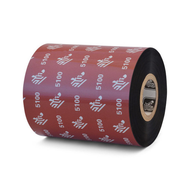
A Complete Guide to Thermal Ribbons: Types, Uses & Best Results
23rd Jan 2026
Thermal transfer printing plays a critical role in barcode labeling, asset tracking, and product identification across many industries. At the heart of this process are thermal ribbons, which determine how well your labels perform over time. Choosing the right ribbon improves print clarity, label durability, and compatibility with your materials, while choosing the wrong one can lead to smudging, fading, or wasted supplies.
This guide breaks down the three main ribbon types and explains how to select the best option for your application.
Understanding Thermal Ribbon Types
Thermal ribbons come in three primary formulations: wax, wax-resin, and resin. Each serves a different purpose depending on your environment and label material. Wax ribbons are the most economical option and work best with standard paper labels. They provide sharp text and barcodes for everyday uses such as shipping, inventory, and retail labeling. These ribbons are ideal for operations using a thermal label printer in Canada that rely on them for high-volume, short-term labeling.
Wax-resin ribbons offer a balance between cost and durability. They bond more strongly to coated paper and some synthetic materials, providing resistance to smudging and light abrasion. It makes them a popular choice for warehouse environments and product labeling that sees moderate handling.
Resin ribbons are designed for the most demanding applications. They deliver exceptional resistance to chemicals, heat, moisture, and abrasion, making them ideal for synthetic labels, outdoor use, and compliance labeling. Resin ribbons are often paired with durable materials like Vinyl labels in Canada, which are used for long-lasting identification.
Matching Ribbons to Labels and Printers
Selecting the right ribbon goes beyond durability; it must also match your label material and printer specifications. Paper labels pair best with wax or wax-resin ribbons, while synthetic materials require resin for proper adhesion.
Compatibility is especially important when using industrial systems such as Zebra printers in Canada, or when managing mixed environments that include scanners, printers, and software platforms like Nicelabel software for label design and automation.
Businesses that source hardware and supplies together, such as those who buy thermal label printers online or manage multi-location inventory, benefit from consistent ribbon selection across devices to maintain print quality and operational efficiency.
Industry Applications That Depend on the Right Ribbon
Different industries demand different performance levels from their labels. Warehousing and logistics prioritize scannability and durability, while healthcare and manufacturing require labels that withstand cleaning agents and harsh conditions. Automotive and service centers often rely on specialized materials, including oil change labels, where resistance to heat and oils is essential.
Choosing the correct ribbon helps reduce reprints, prevents label failure, and supports long-term compliance.
Getting the Best Results from Thermal Ribbons
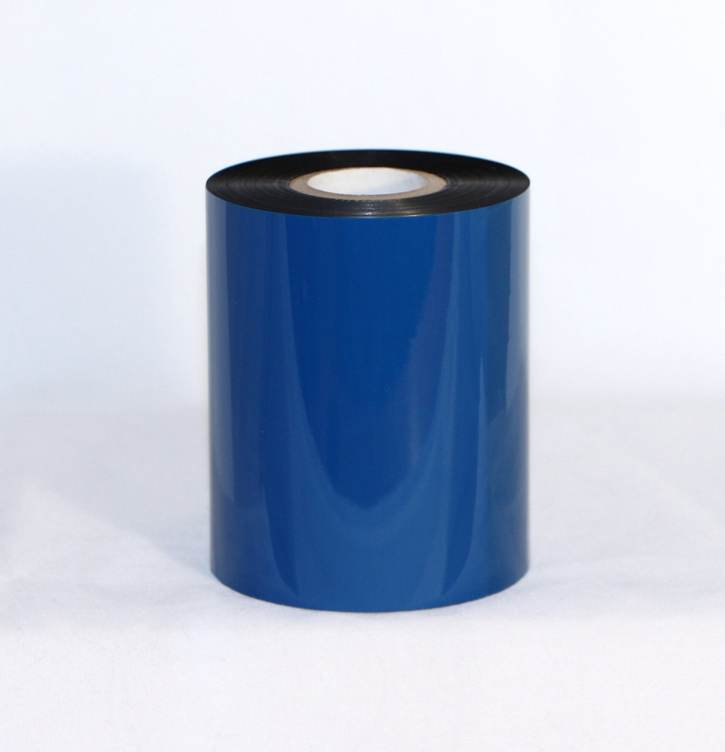
To maximize ribbon performance, ensure your printer settings match the ribbon type, clean printheads regularly, and store ribbons properly to avoid contamination. Small adjustments can significantly improve print consistency and extend the life of both ribbons and equipment.
Choose the Right Ribbon with Confidence
The right thermal ribbons make a measurable difference in label performance, durability, and overall efficiency. Whether you need cost-effective solutions or high-resistance labeling for demanding environments, selecting the correct ribbon ensures reliable results every time.
Explore the full range of thermal ribbon options available from DuraFast Label Company and get expert support to match the right ribbon to your printer, labels, and application. Shop with confidence and keep your labeling operations running at their best.